
Dokter bespiedt met een spiegel het achterwerk van een vrouw — History & Facts
In an age where memories intertwine with desire and the act of observation takes on profound significance, this artwork reveals the layers of truth hidden within a singular moment. Look to the left at the figure of the doctor, poised with a mirror that reflects more than just the physical form before him. The delicate strokes of Hollar’s etching masterfully capture the tension in the air, where curiosity mingles with a hint of voyeurism. Notice how the light dances across the smooth surface of the mirror, illuminating the woman’s figure while casting shadows that signify a deeper, unspoken narrative.
The detail of her expression, a mix of confidence and vulnerability, draws the eye and invites contemplation. Delve deeper into the scene, where the juxtaposition of the two figures serves as a commentary on power dynamics and social norms of the 17th century. The doctor, a symbol of authority, is fixated on the woman’s behind, a body part often associated with both sensuality and objectification. This tension exposes the complexities of gender relationships during the era, where the act of gazing becomes a reflection of societal roles, desires, and the boundaries of privacy.
The mirror, a tool of duality, not only reveals but also conceals, hinting at the nuanced layers of memory that shape human interaction. During the years between 1644 and 1652, Wenceslaus Hollar was living in London after fleeing the Thirty Years' War in his native Bohemia. This period marked a significant time of artistic exploration, where etching emerged as a respected medium. Hollar’s work often revealed the intricate interplay of observation and memory, reflecting the complexities of his own displaced existence while mirroring the changing artistic landscape of the time.
More Artworks by Wenceslaus Hollar
Browse all →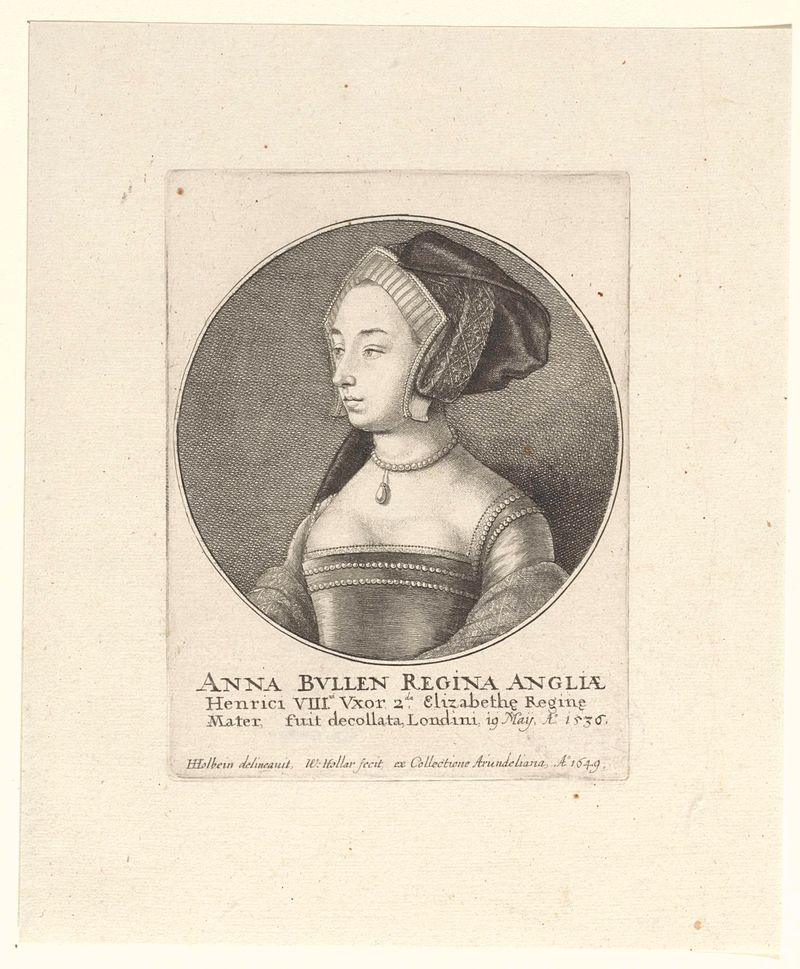
Portret van Anna Boleyn, koningin van Engeland
Wenceslaus Hollar
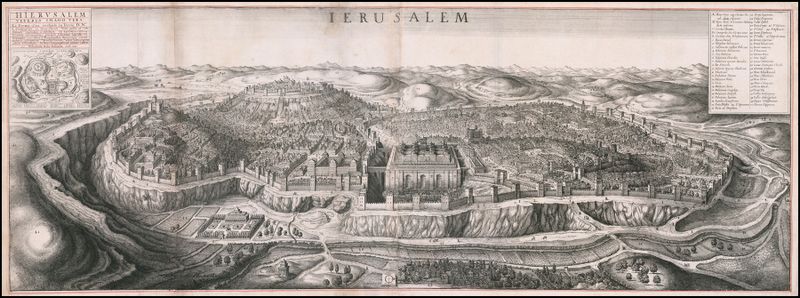
Bird’s eye view of Jerusalem
Wenceslaus Hollar
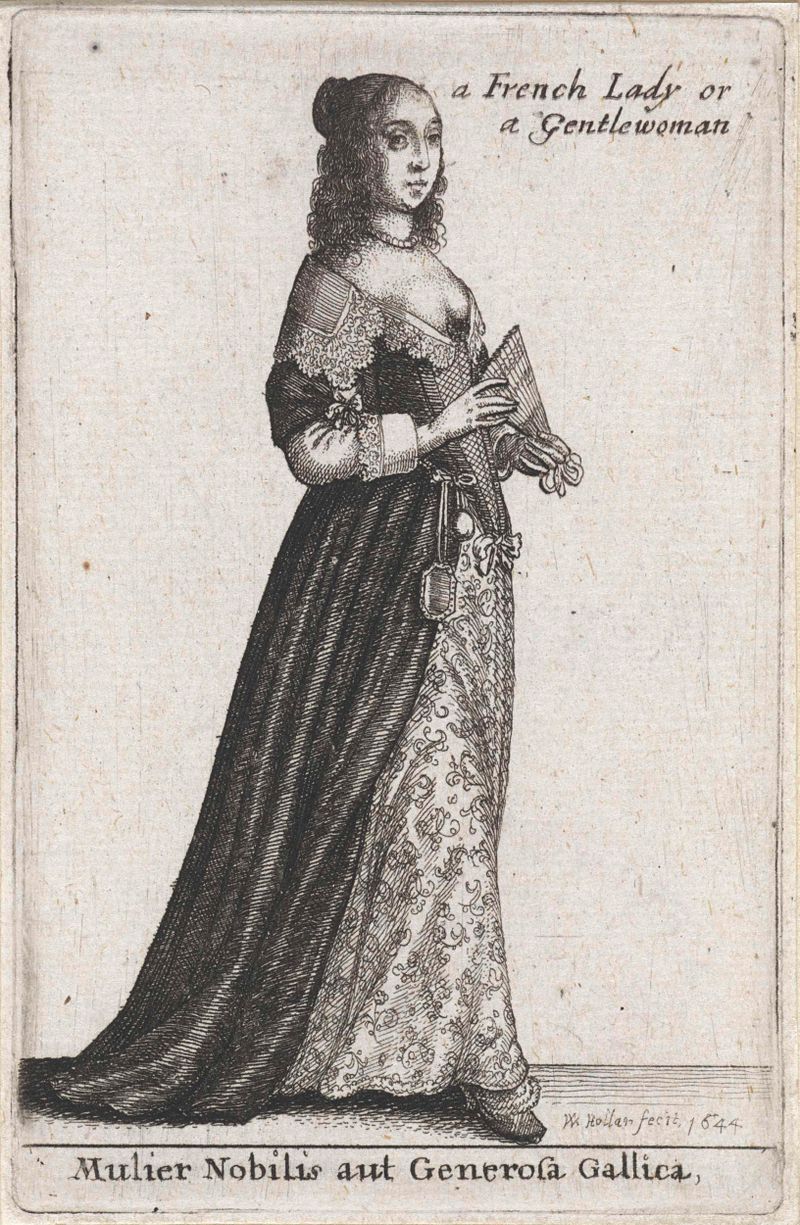
Mulier Nobilis aut Generosa Gallica / a French Lady or Gentlewoman
Wenceslaus Hollar
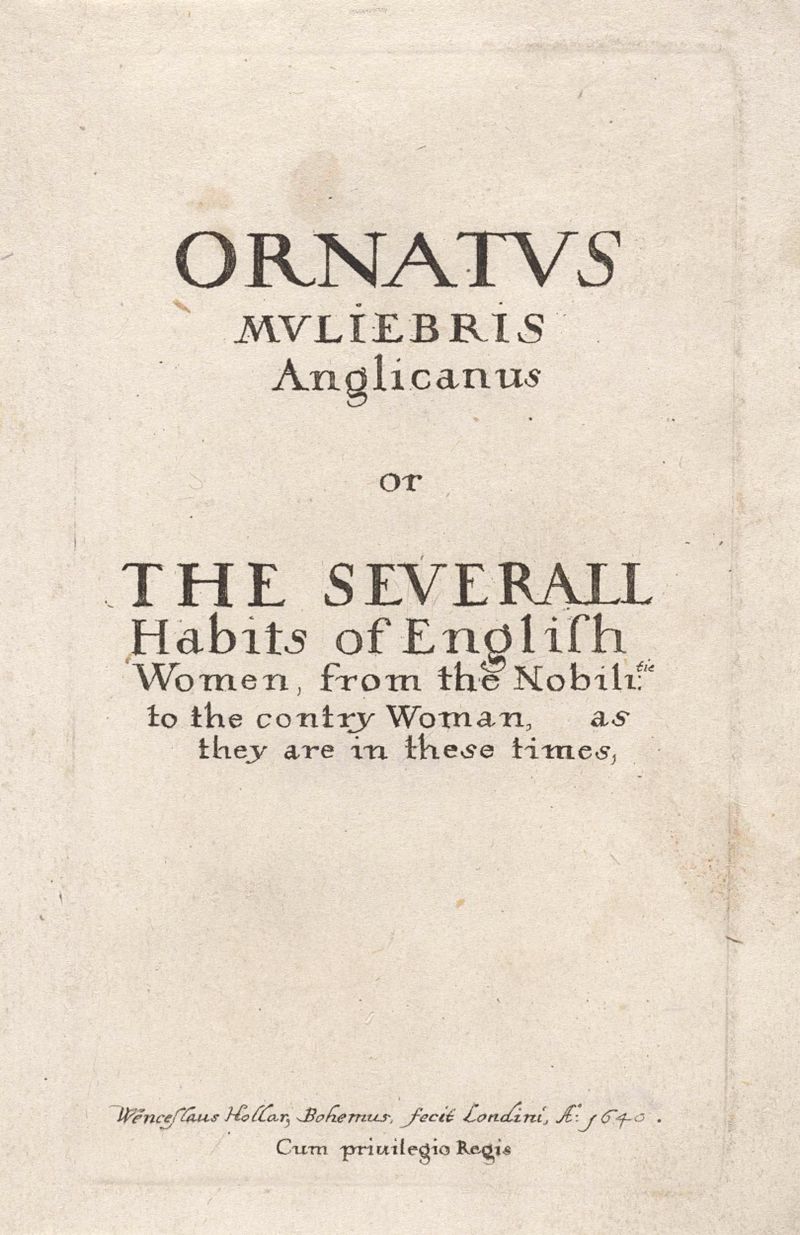
Titelprent voor: Ornatus Muliebris Anglicanus
Wenceslaus Hollar
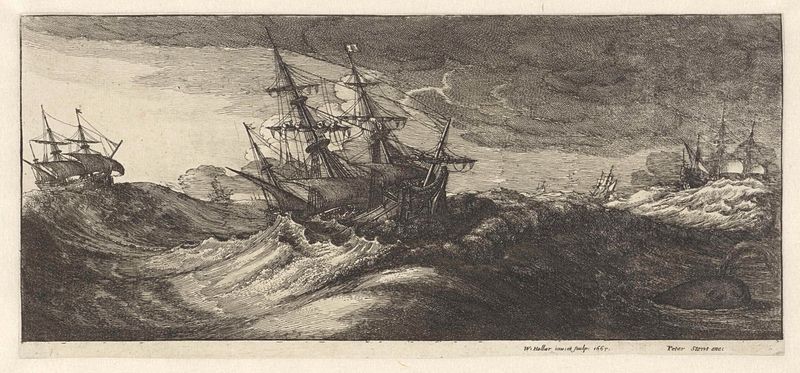
Oorlogsschepen en een walvis in een zeestorm
Wenceslaus Hollar
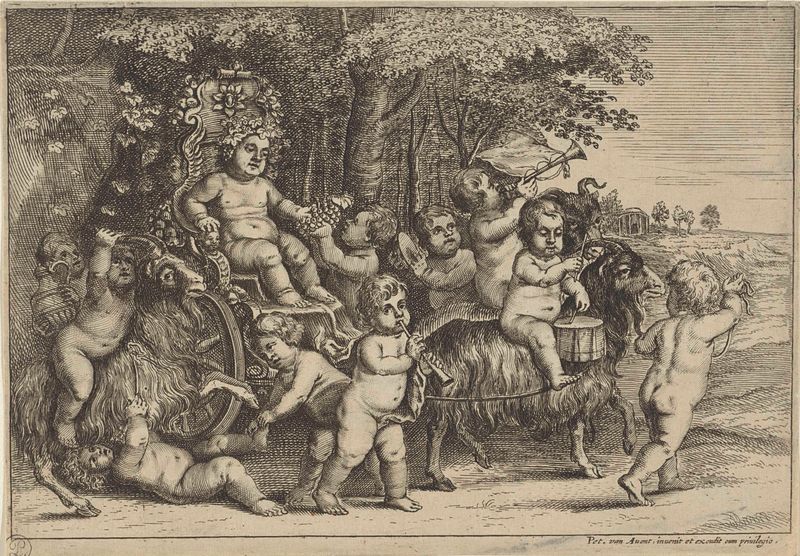
Optocht van bacchant en jongetjes op geiten
Wenceslaus Hollar
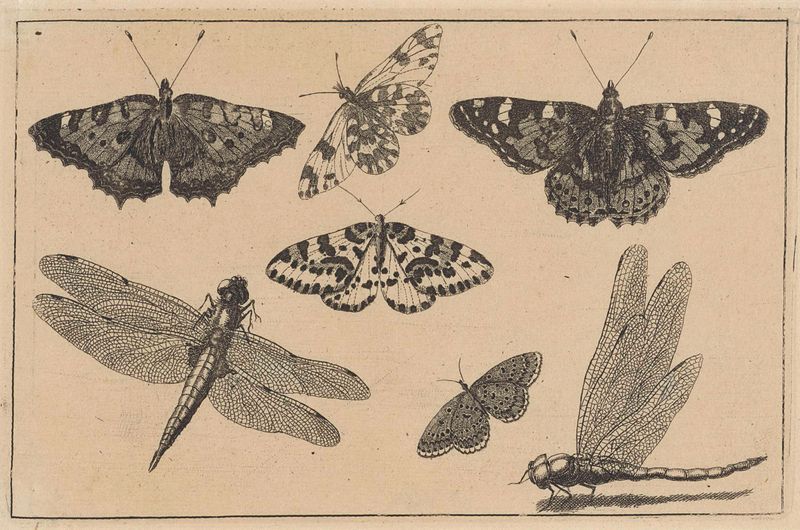
Twee libellen en vijf vlinders
Wenceslaus Hollar
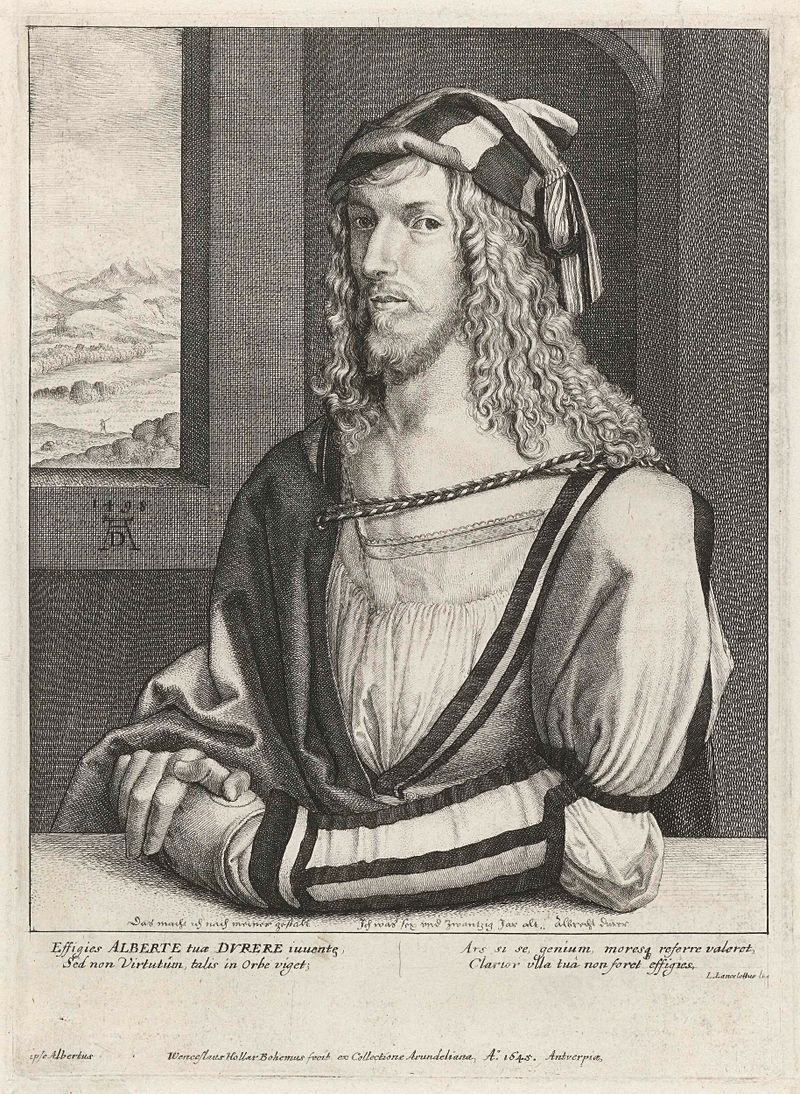
Portret van Albrecht Dürer
Wenceslaus Hollar
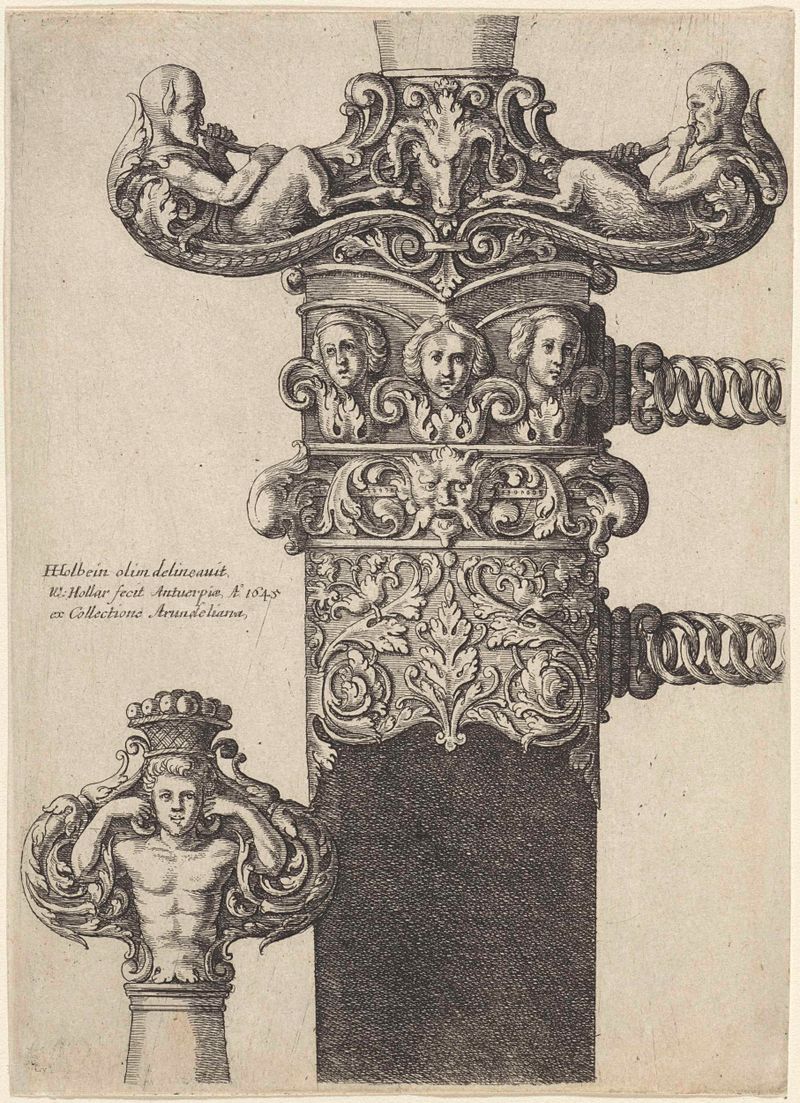
Ornamenteel ontwerp voor een dolk
Wenceslaus Hollar
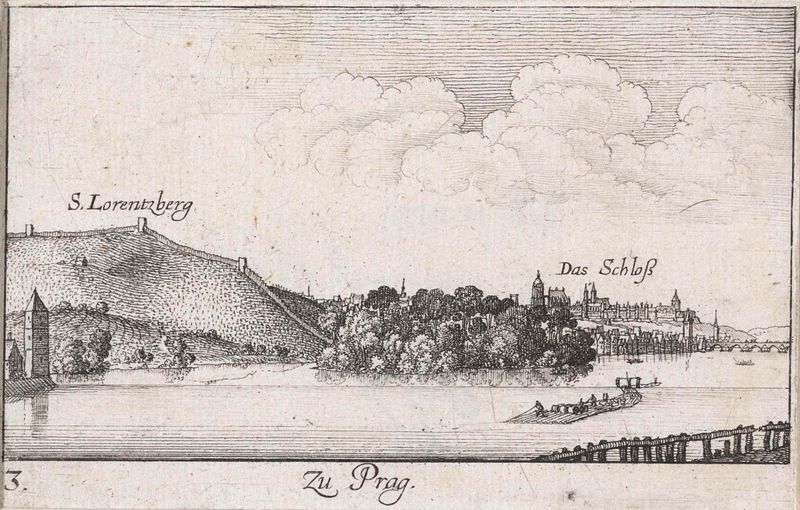
Gezicht op Praag vanaf de Moldau
Wenceslaus Hollar





