
Dolphin — History & Facts
Could beauty survive in a century of chaos? In a world seemingly filled with turmoil, ecstasy finds its expression in unexpected places. Look to the radiant body of the dolphin, its sleek form capturing the shimmering light that dances across the water’s surface. The artist plays with fluid lines and delicate brushwork, drawing your gaze towards the harmonious curves and vibrant colors that breathe life into the scene. The palette, a blend of deep blues and sunlit whites, evokes both the ocean’s depths and the sky's vastness, inviting you to feel the joyous freedom of the creature that leaps beyond the frame. Upon closer inspection, tiny flecks of gold in the water reflect the sun, hinting at a deeper connection between the earth and the celestial realm.
The dolphin’s expressive posture suggests exhilaration, embodying a moment of pure abandon amidst the chaos of the world outside the canvas. This delicate balance of joy and isolation evokes a longing for the simplicity and beauty that can still exist, even when surrounded by uncertainty. Ernest Haskell painted this piece in 1915, a time when the world was on the brink of World War I. Living in New York, he was immersed in a vibrant art scene that was increasingly influenced by modernism.
As he captured the essence of life through his work, Haskell sought to encapsulate moments of beauty that could transcend the growing shadows of conflict, reminding viewers of the ecstasy that nature can inspire.
More Artworks by Ernest Haskell
Browse all →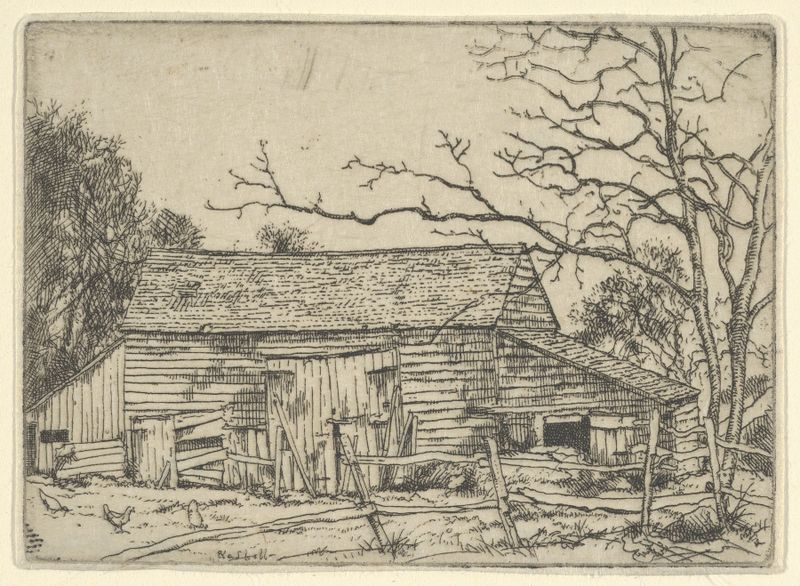
The Barn–Staten Island, N.Y.
Ernest Haskell

Four Live Oaks
Ernest Haskell
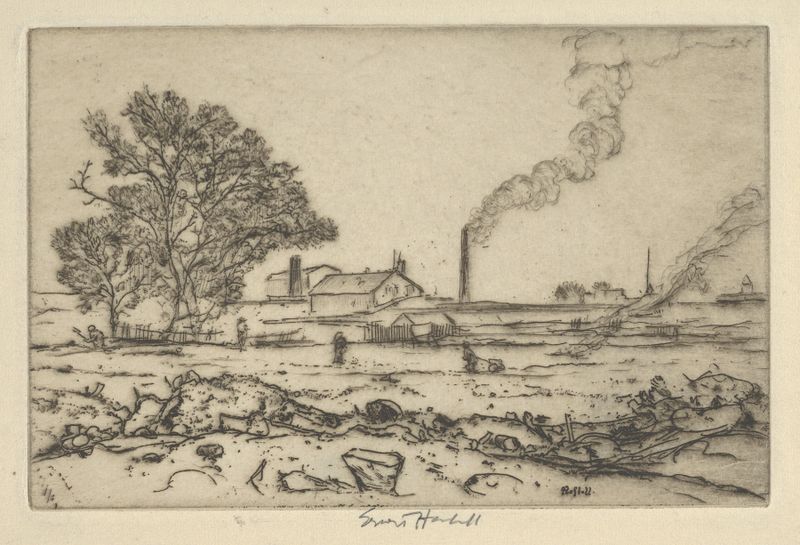
Outskirts of Boston
Ernest Haskell
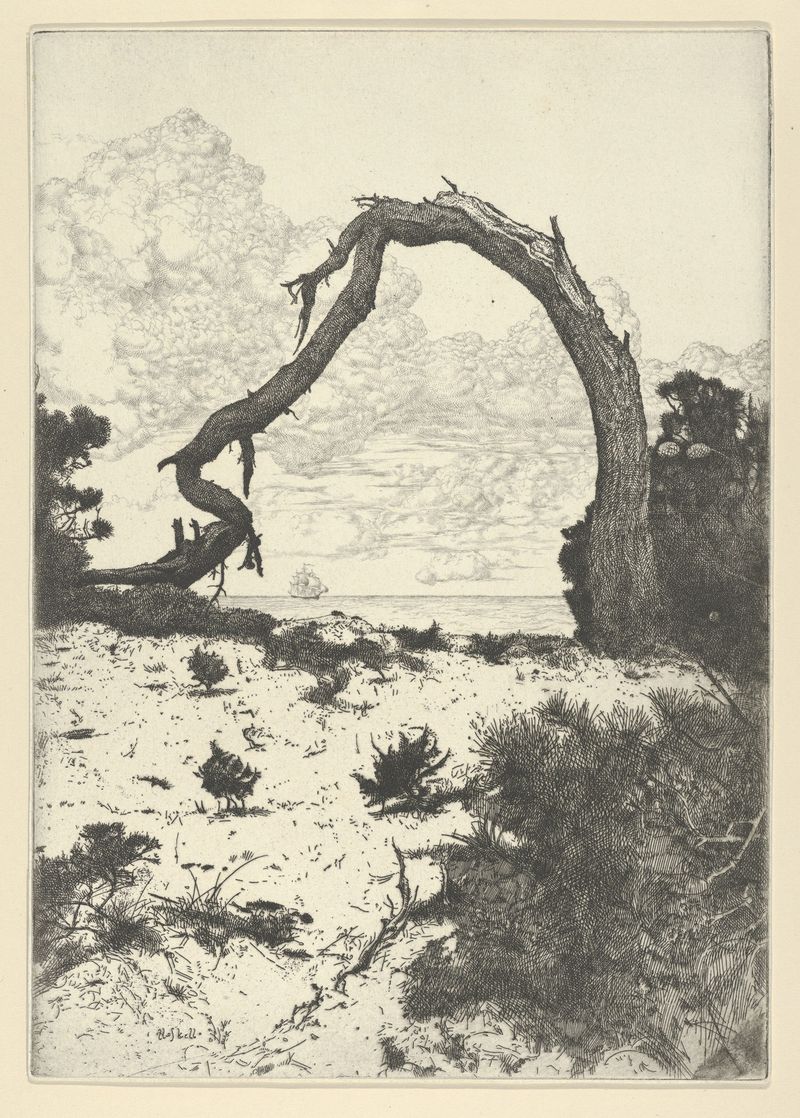
Pine Arch
Ernest Haskell

General Sherman
Ernest Haskell
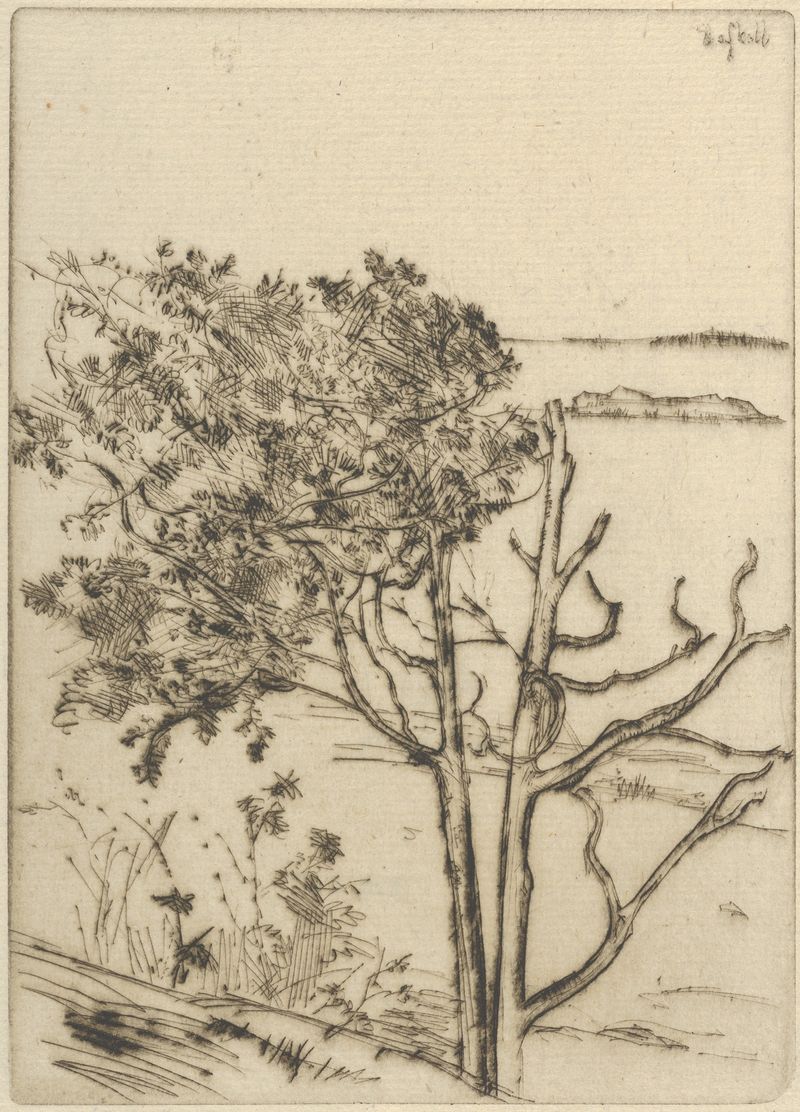
Ragged Tree – Maine
Ernest Haskell

Tide Mill
Ernest Haskell

Ship Building
Ernest Haskell
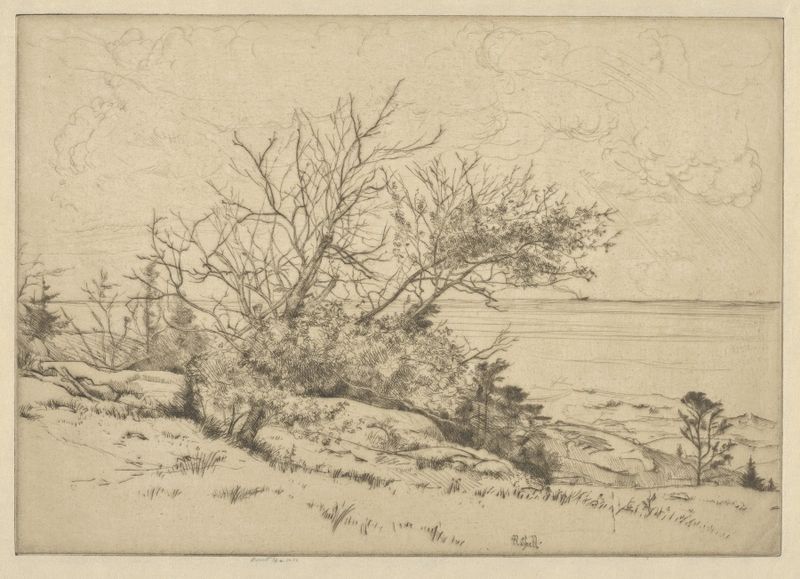
To the Southward – Ragged Island, Me.
Ernest Haskell
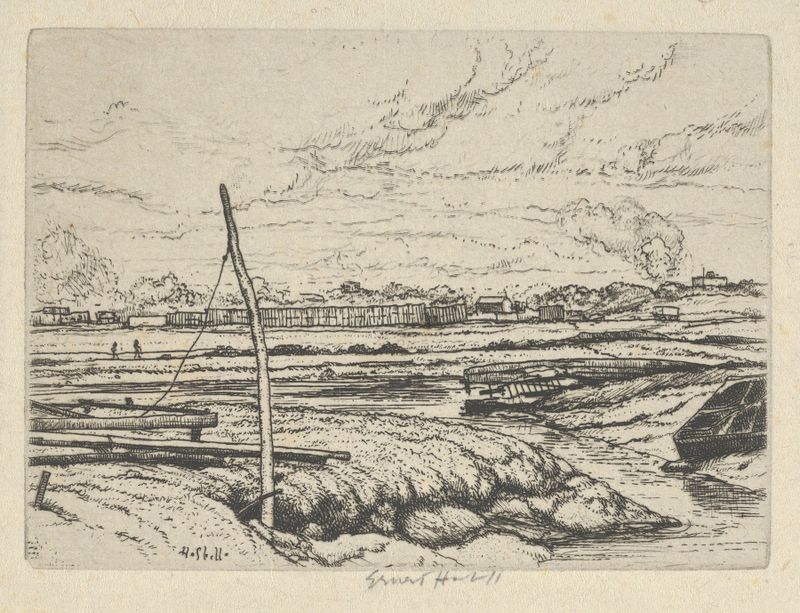
Long Island Marshes
Ernest Haskell





