
Dom zu Como — History & Facts
What if silence could speak through light? In Dom zu Como, the interplay of shadow and illumination reveals a profound unease that lingers beneath the surface of architectural beauty. Look to the center of the canvas where the majestic dome rises with stoic grace, its intricate details carved with precision. Notice how the light breaks through, cascading down the structured façade, casting long shadows that stretch and curl like whispered secrets. The palette, dominated by muted earth tones accented with soft highlights, creates a serene yet haunting atmosphere, inviting the viewer to explore deeper than just the surface. Amidst the grandeur of the cathedral, small elements hint at a more complex narrative.
The shadows pooling in the corners suggest a lurking fear, a reminder of time's relentless passage. The figures in the foreground, dwarfed by the towering architecture, evoke a sense of vulnerability, their presence both ephemeral and poignant. This contrasts with the solidity of the building, encapsulating themes of impermanence and existential dread woven into the fabric of the scene. Rudolf von Alt painted Dom zu Como in 1864 during a period of artistic exploration in Europe, where realism was beginning to take root.
Working in Vienna, he aimed to capture the essence of architectural monuments with both fidelity and emotional resonance. At this time, Alt was gaining recognition for his works that celebrated landscapes and urban vistas, reflecting society's shifting perspectives on beauty and permanence in a world marked by change.
More Artworks by Rudolf von Alt
Browse all →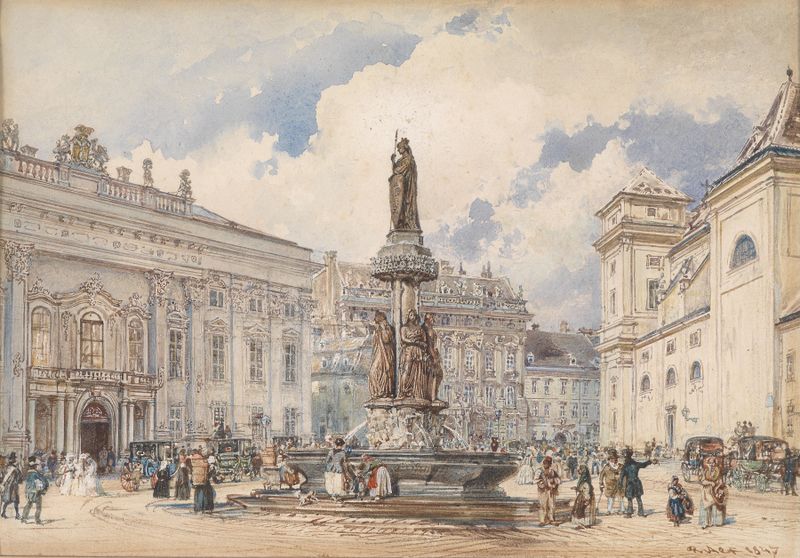
Freyung mit Austriabrunnen
Rudolf von Alt

The Interior of the Cathedral of Saint Stephen at Vienna
Rudolf von Alt
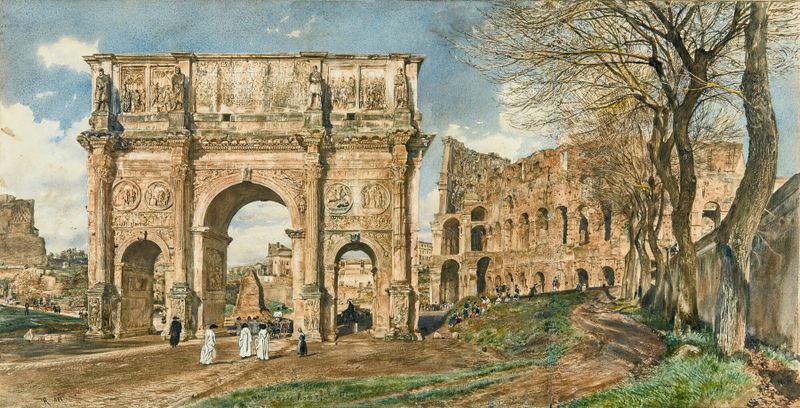
The Arch Of Constantine And The Colosseum, Rome
Rudolf von Alt

The Fleischmarkt in Vienna with the Greek-Orthodox Church of the Holy Trinity
Rudolf von Alt

Der Stephansdom in Wien
Rudolf von Alt
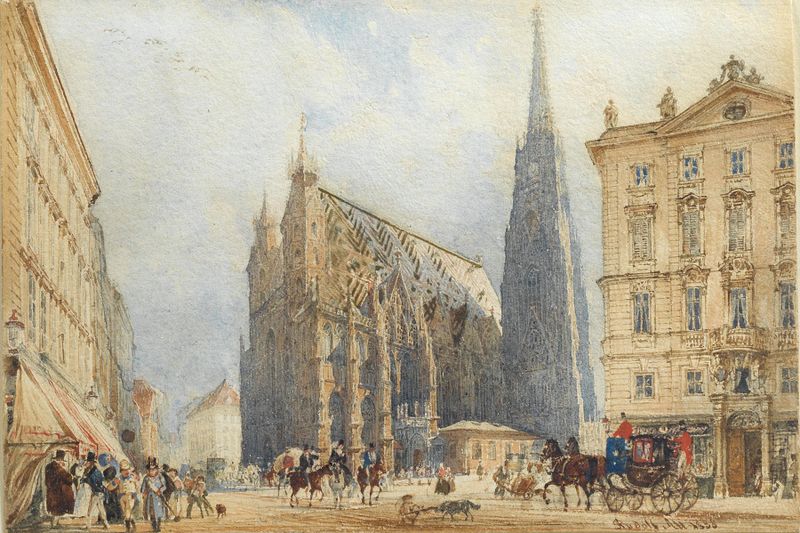
Stephansplatz
Rudolf von Alt
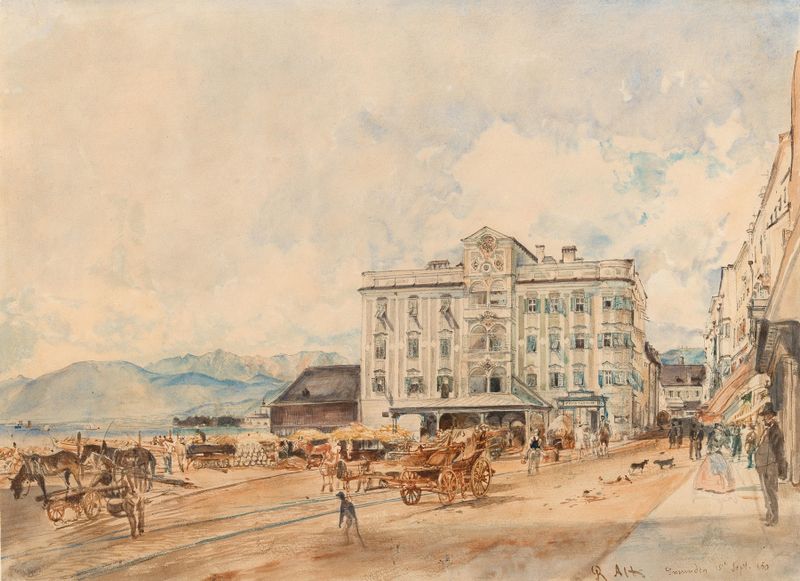
The Town Hall in Gmunden
Rudolf von Alt

View from Sant’Onofrio on Rome
Rudolf von Alt
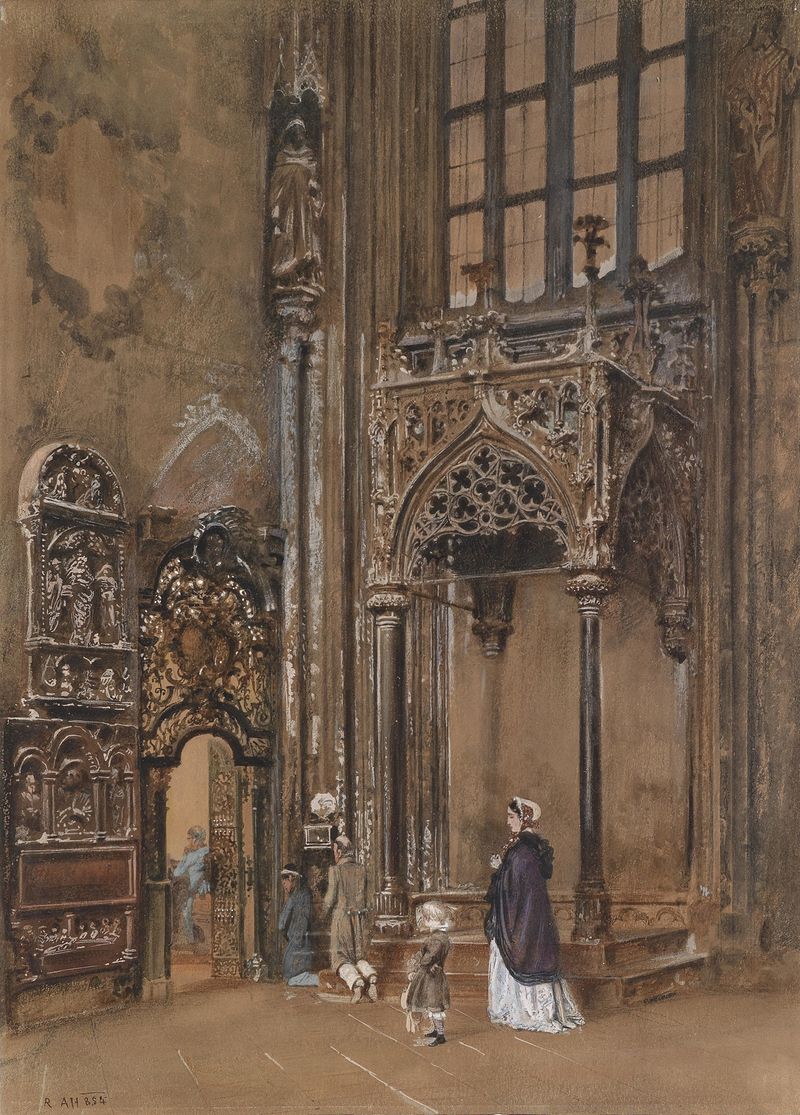
Kircheninneres
Rudolf von Alt
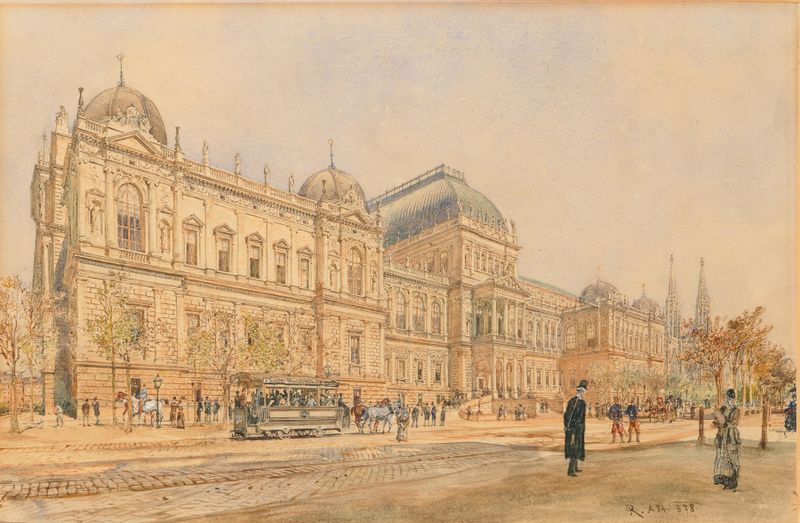
The University of Vienna on the Ringstrasse, with Horse-Drawn Tram and Figures, a view of the building still under construction in 1878 (erected by Heinrich von Ferstel 1873-1884)
Rudolf von Alt
More Architecture Art
Browse all →
The statue of Liberty
Frédéric Auguste Bartholdi

View of Houses in Delft, Known as ‘The Little Street’
Johannes Vermeer

View of Houses in Delft, Known as ‘The Little Street’
Johannes Vermeer

The Cathedral in Rouen. The portal, Grey Weather
Claude Monet

The yellow house
Vincent van Gogh

The Church in Auvers-sur-Oise, View from the Chevet
Vincent van Gogh