Domček — History & Facts
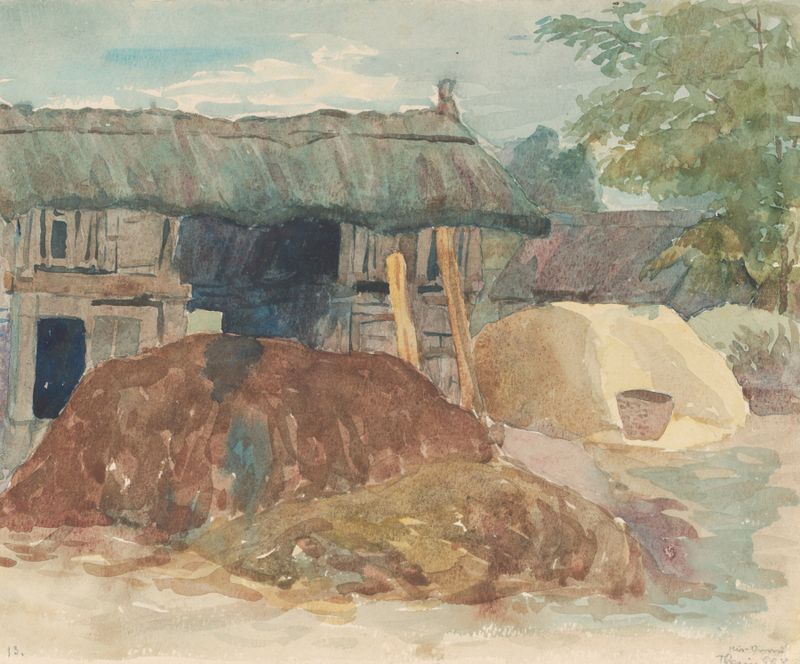
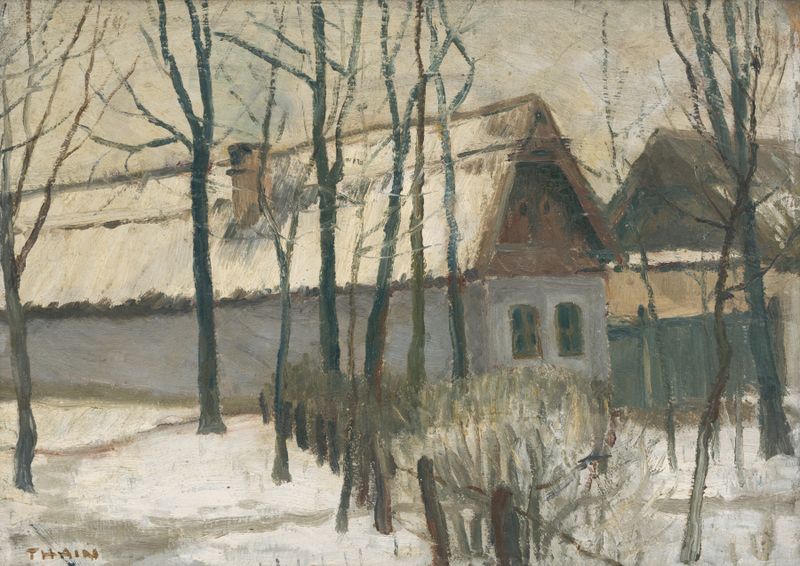
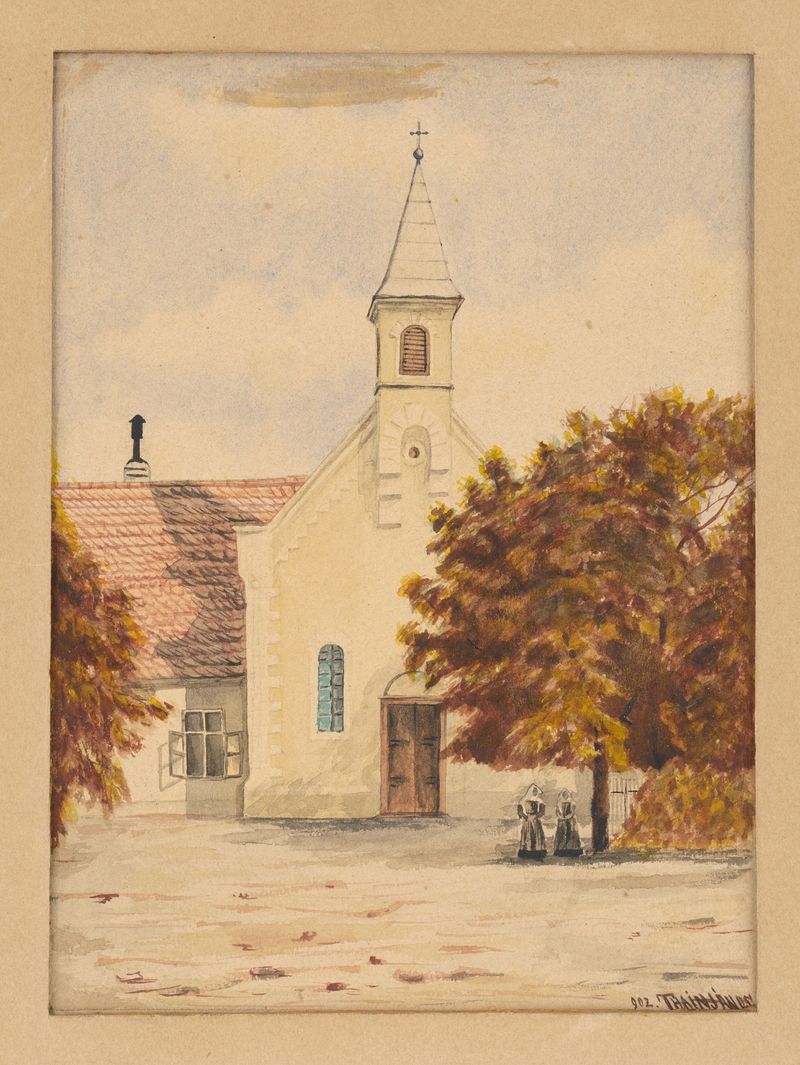
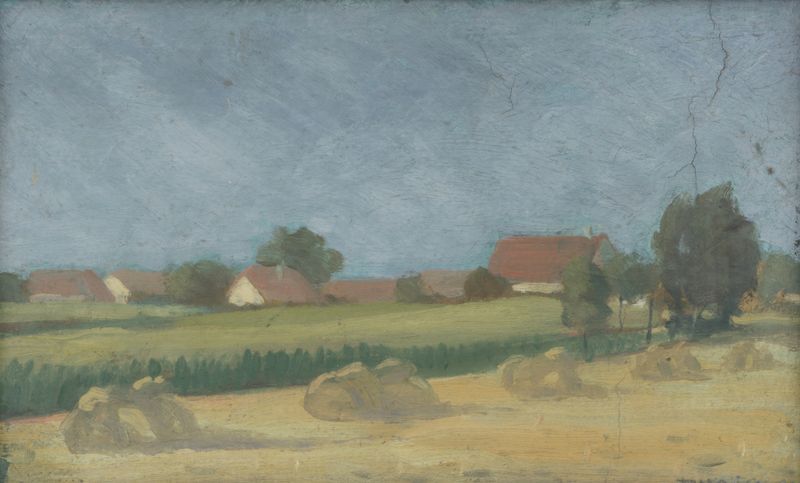
Who listens when art speaks of silence? In Domček, the delicate interplay of light and shadow invites contemplation, transforming a humble dwelling into a vessel of deeper meaning. Look to the center where the quaint cottage stands, its façade bathed in a gentle, amber glow. The warm light spills from unseen sources, creating a stark contrast with the cool, muted tones of the surrounding landscape. Notice how the artist meticulously captures the soft textures of the thatched roof and the weathered walls, drawing attention to the craftsmanship that speaks to the passage of time.
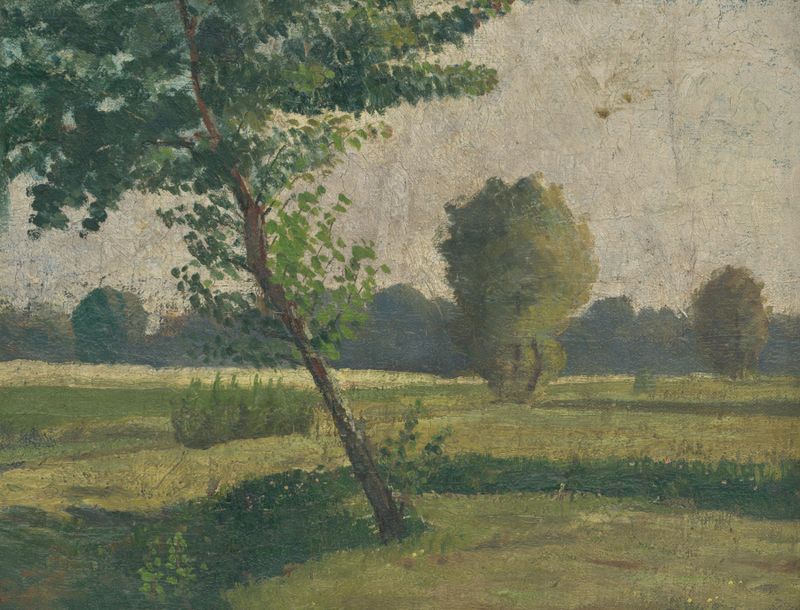
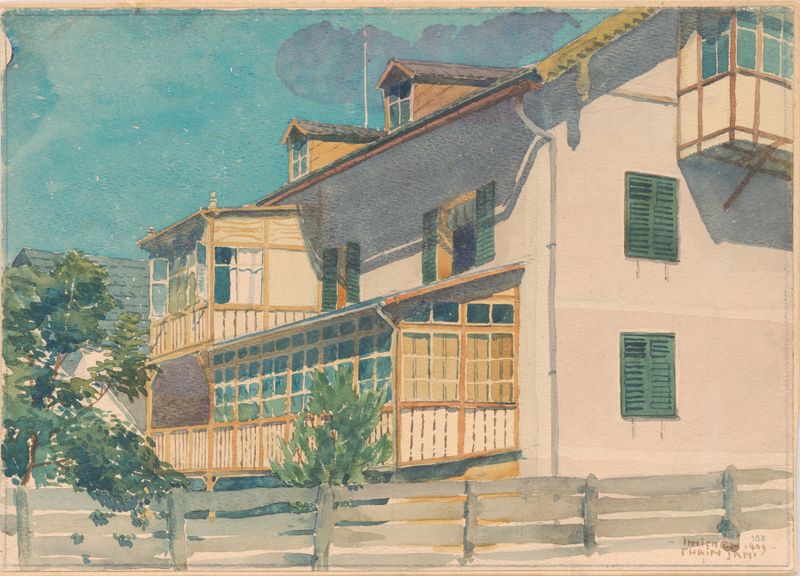
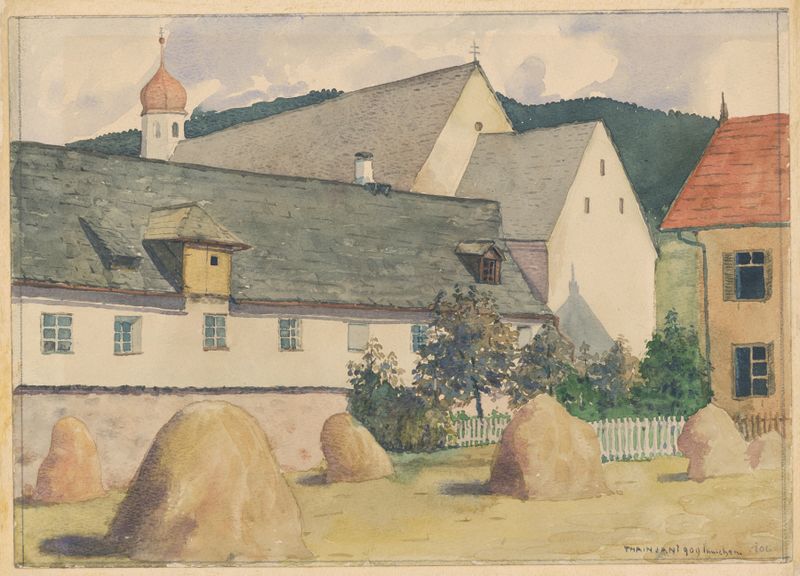
The composition is anchored by the juxtaposition of light and shadow, guiding the viewer's eye and evoking a sense of nostalgia. As you explore further, subtle hints of life emerge: the nearby trees are not just background scenery but symbols of endurance, their branches reaching towards the sky in a silent plea for connection. The way the light filters through the leaves suggests a moment of quiet reflection, as if nature and the structure converse in a language only they understand. The isolation of the cottage contrasts with the vibrancy of the illuminated space, suggesting themes of solitude and the human experience amidst the vastness of the natural world. Ján Thain painted Domček in 1916 during a time of personal and social upheaval, amidst the backdrop of World War I.
Living in Slovakia, he was influenced by the burgeoning Modernist movement, as artists sought new ways to express their realities. This work reflects his introspection, capturing not just a physical home but the essence of shelter, memory, and the quiet beauty found within.