Doodgeschoten hert — History & Facts
Did the painter know this moment would outlive them? In Doodgeschoten hert, the stillness of the fallen stag speaks to a world where nature and artistry converge in haunting nostalgia. Look to the center of the composition where the lifeless body of the deer lies, its delicate form draped over the ground. Notice how the artist meticulously captures the play of shadows across its coat, showcasing a rich tapestry of browns and blacks that evoke both beauty and melancholy. The surrounding foliage, executed with detailed etching, frames the tragic scene, guiding your gaze and inviting contemplation.
The subtle contrast between the vibrant life of the surrounding vegetation and the stillness of the deer highlights the fragility of existence itself. Hidden within this serene representation are deeper emotional tensions. The deer, once a symbol of vitality, now serves as a poignant reminder of mortality and the inevitable cycle of life. The artist’s choice to portray this moment—a fleeting encounter between hunter and prey—invites viewers to reflect on the nostalgia of lost innocence and the bittersweet nature of existence.
Each blade of grass bending towards the stag whispers of life’s persistence even amid decay. In 1646, Wenceslaus Hollar was immersed in a vibrant artistic community in London, having fled his native Prague due to the Thirty Years' War. This period was marked by a keen interest in nature and the natural world, influenced by the burgeoning Baroque movement. Hollar’s keen eye for detail and ability to evoke emotion through etching were pivotal in this era, capturing moments that transcend time as he explored themes of life, death, and the beauty found in both.
More Artworks by Wenceslaus Hollar
Browse all →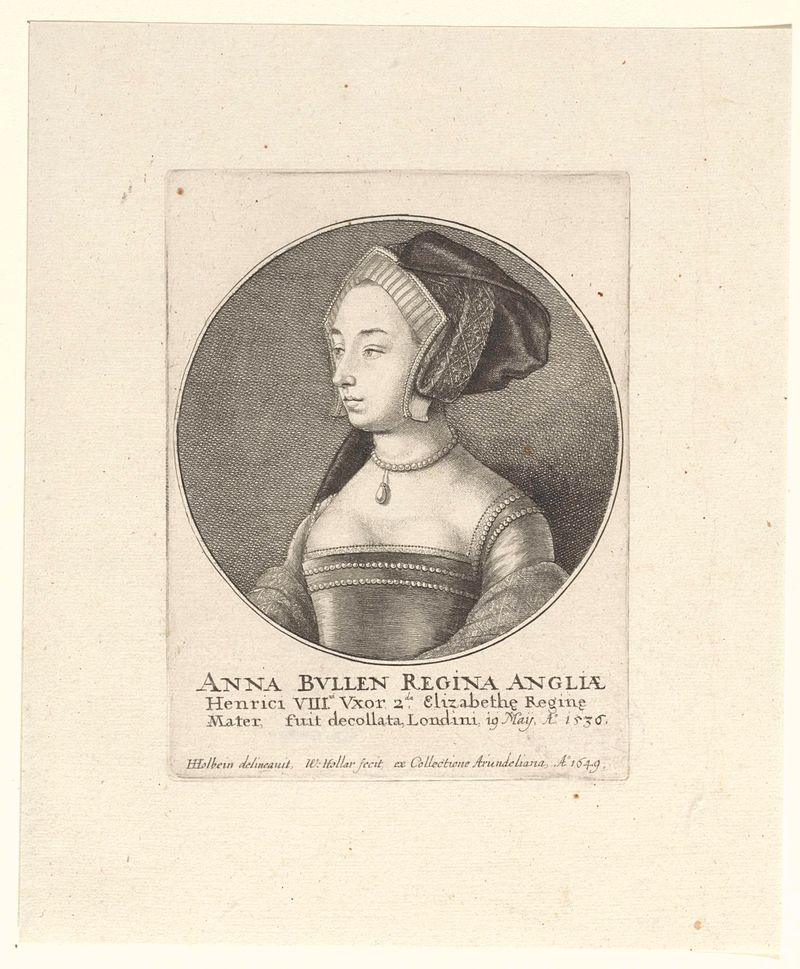
Portret van Anna Boleyn, koningin van Engeland
Wenceslaus Hollar
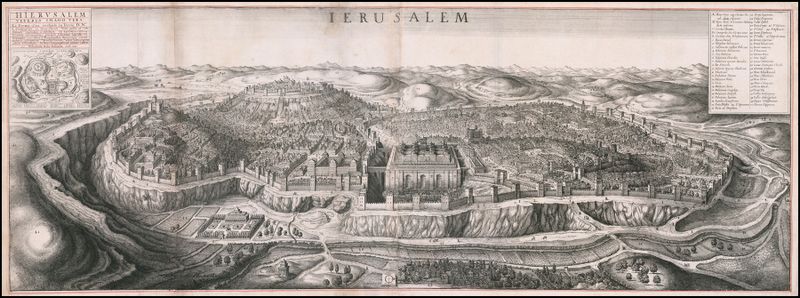
Bird’s eye view of Jerusalem
Wenceslaus Hollar
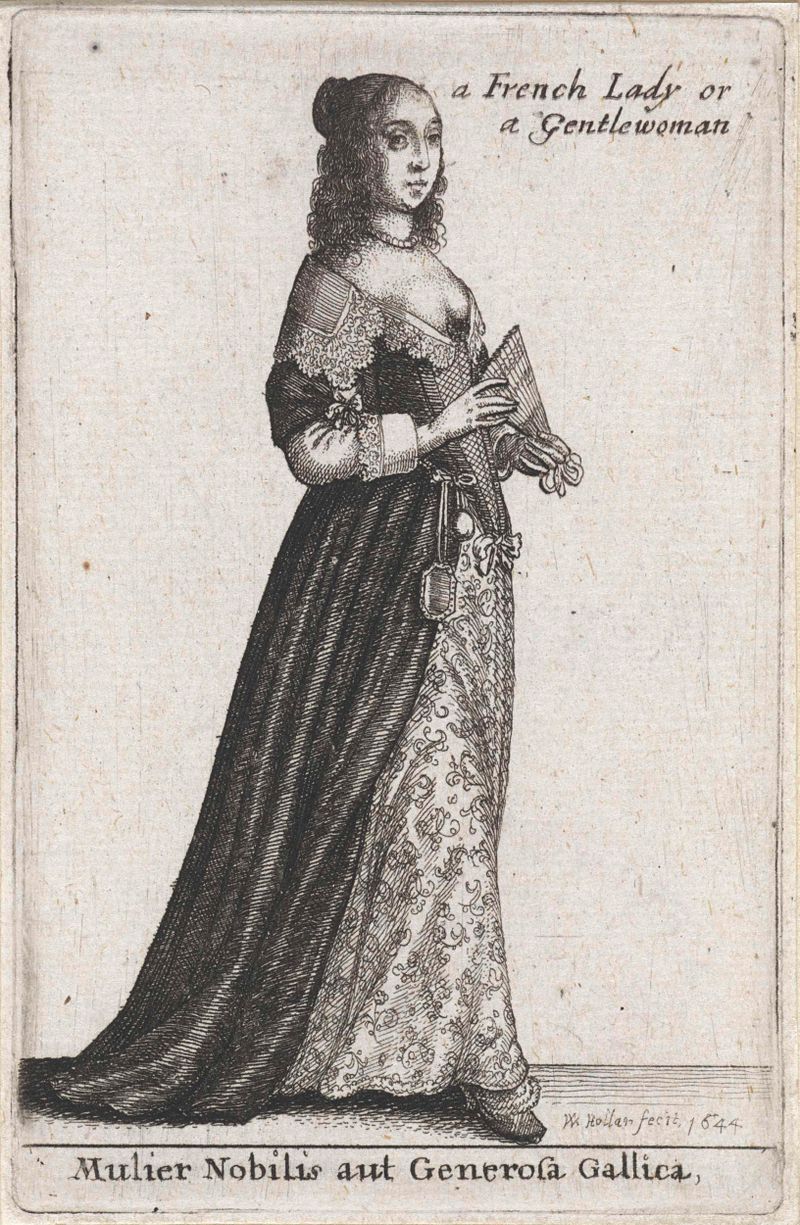
Mulier Nobilis aut Generosa Gallica / a French Lady or Gentlewoman
Wenceslaus Hollar
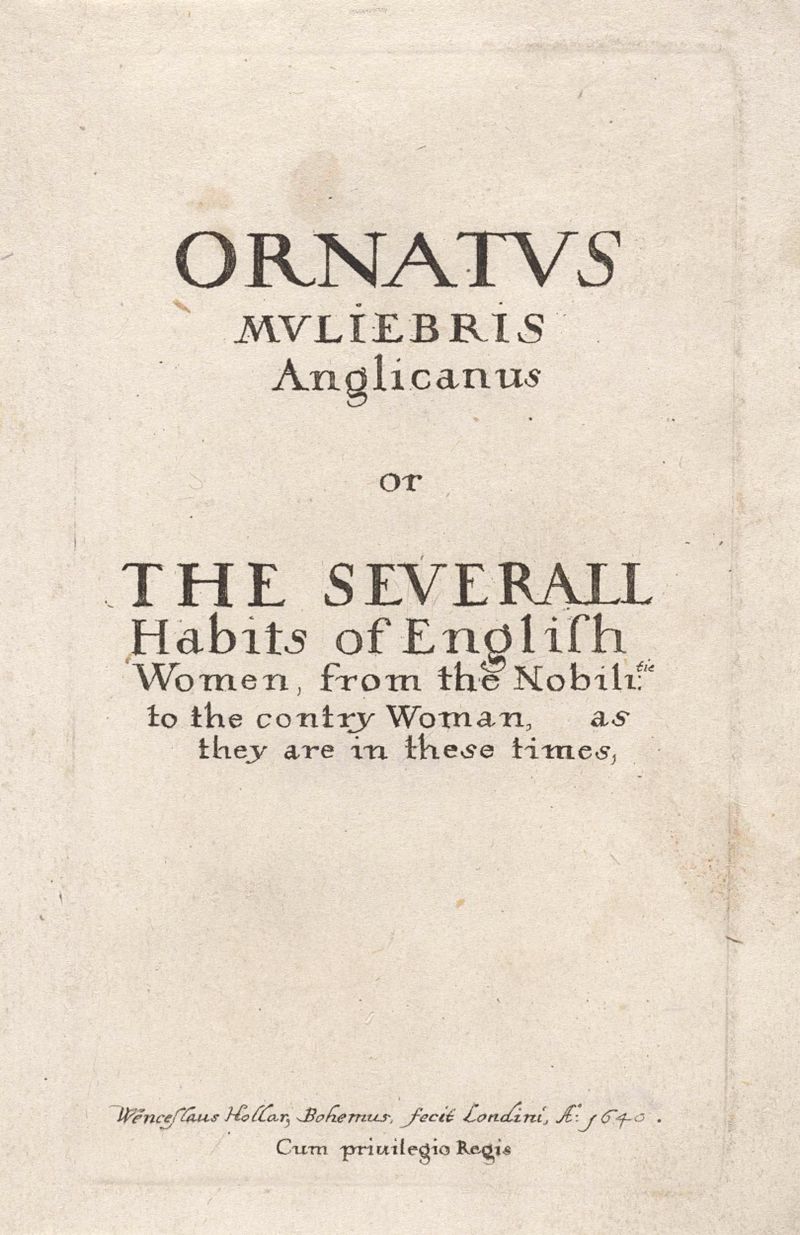
Titelprent voor: Ornatus Muliebris Anglicanus
Wenceslaus Hollar
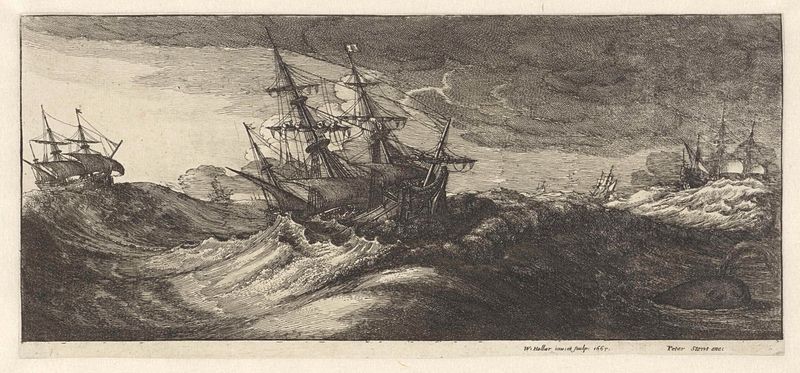
Oorlogsschepen en een walvis in een zeestorm
Wenceslaus Hollar
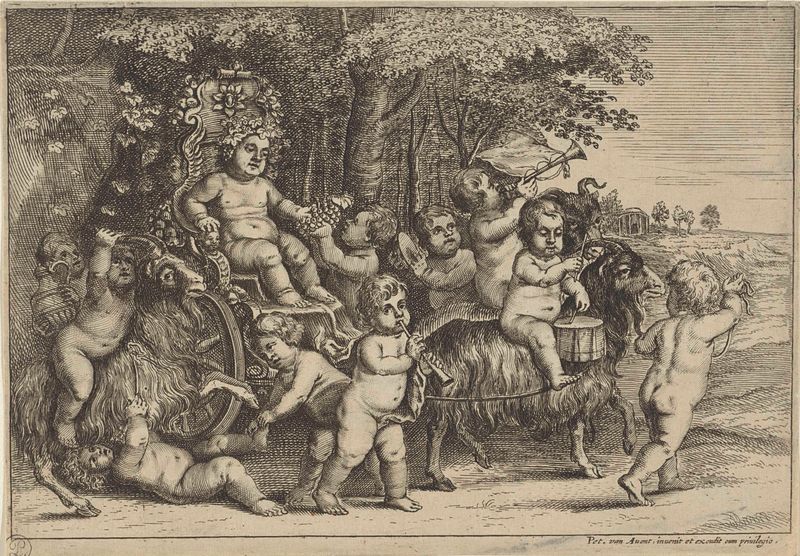
Optocht van bacchant en jongetjes op geiten
Wenceslaus Hollar
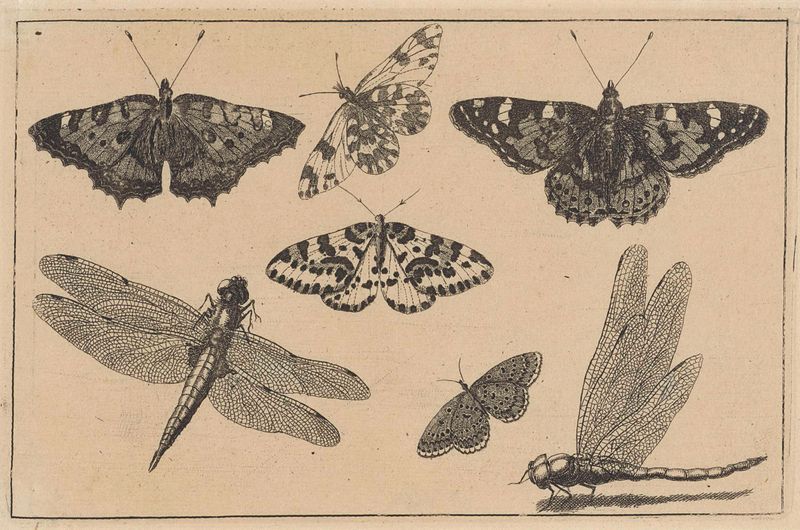
Twee libellen en vijf vlinders
Wenceslaus Hollar
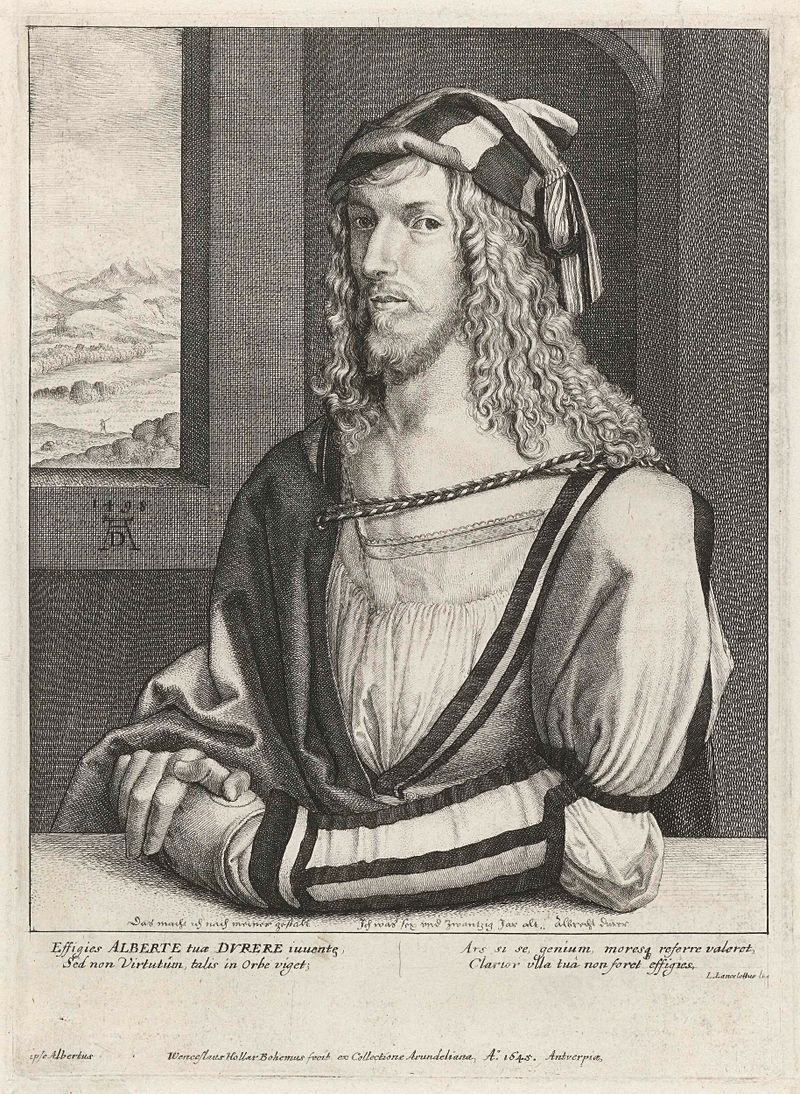
Portret van Albrecht Dürer
Wenceslaus Hollar
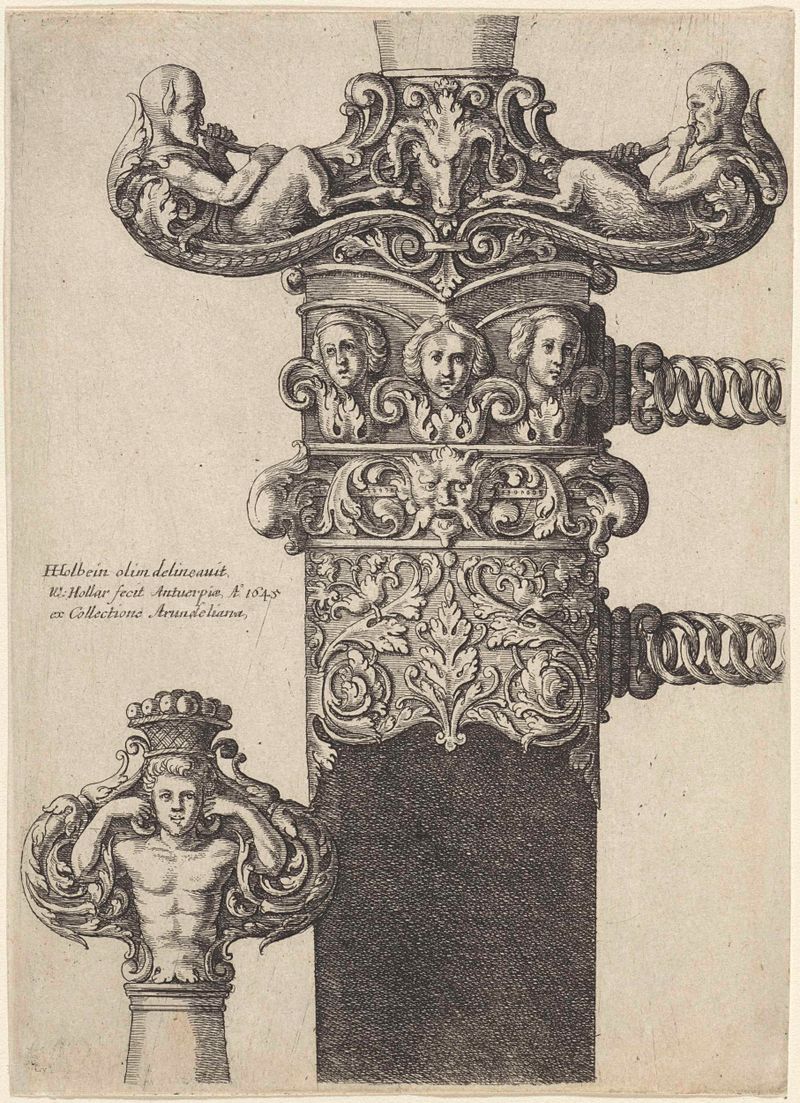
Ornamenteel ontwerp voor een dolk
Wenceslaus Hollar
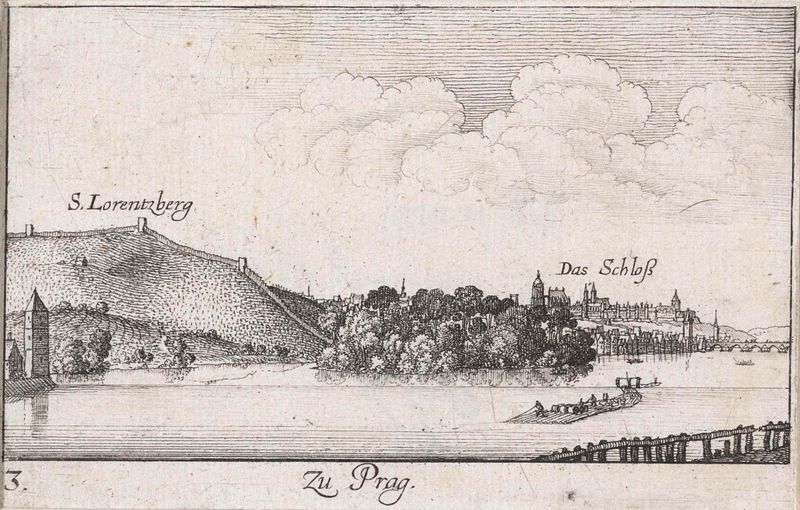
Gezicht op Praag vanaf de Moldau
Wenceslaus Hollar