
Doornenkroning — History & Facts
Did the painter know this moment would outlive them? In Doornenkroning, we are confronted with a haunting blend of despair and hope, encapsulating the eternal human struggle against suffering and sacrifice. Look closely at the central figure, crowned with thorns, an emblematic representation of both pain and resilience. The delicate lines of the etching guide your gaze toward the intricate detailing of the crown, each thorn sharply defined, while the graceful curves of the figure's posture suggest a stoic acceptance of fate. Surrounding figures, cast in shadow, hover at the edges of the composition, their expressions a mixture of reverence and sorrow, further enhancing the emotional depth through a muted yet powerful color palette. Within this work lies the profound contrast between suffering and grace.
The tension is palpable; while the crown symbolizes agony, it also radiates a quiet dignity, illustrating the paradox of enduring hope amidst trial. Subtle gestures, like the upward tilt of the figure’s chin, evoke a sense of transcendence, suggesting that even in the depths of despair, there exists a flicker of light. The work invites the viewer to ponder the relationship between pain and salvation, prompting reflection on the human condition itself. Jacques Callot created Doornenkroning between 1619 and 1624 during a tumultuous period marked by the Thirty Years' War, which profoundly influenced European society.
Living in Nancy, France, he was immersed in a world grappling with conflict and upheaval. As a master of etching, Callot sought to convey the complexities of human emotion through his intricate, detailed works, establishing a legacy that would inspire generations to come.
More Artworks by Jacques Callot
Browse all →
Titelprent voor de prentreeks 'De kleine apostelen' (Het martelaarschap van de apostelen)
Jacques Callot
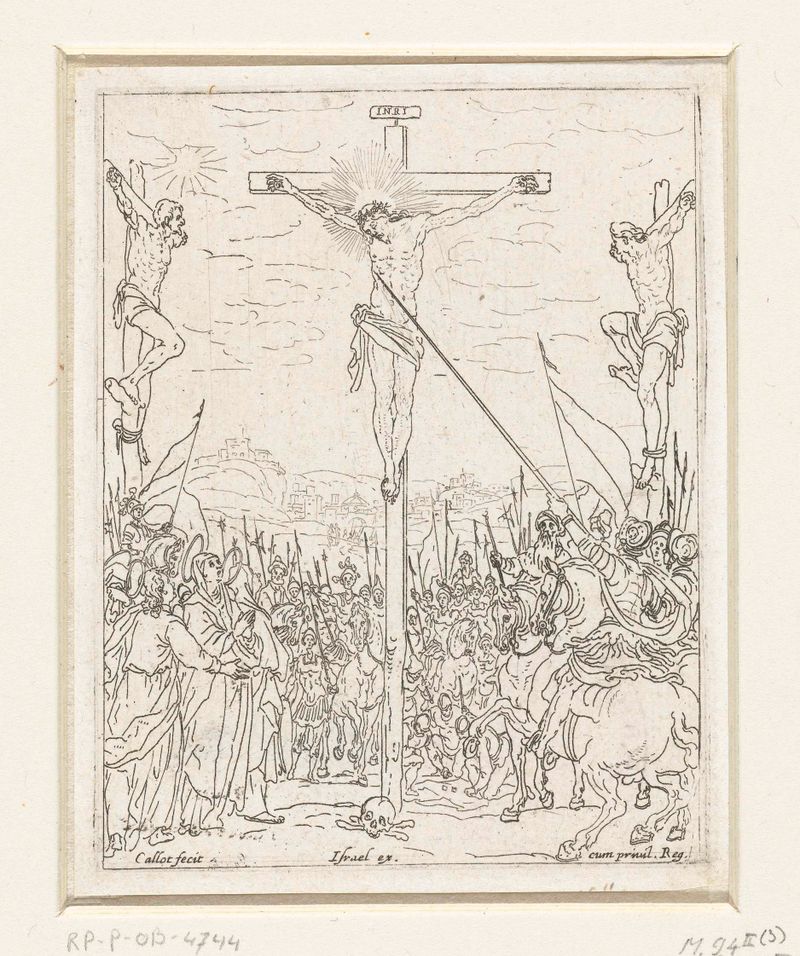
Kruisiging
Jacques Callot

De doortocht door de Rode Zee
Jacques Callot

De verloren zoon als zwijnenhoeder
Jacques Callot

Annunciatie
Jacques Callot
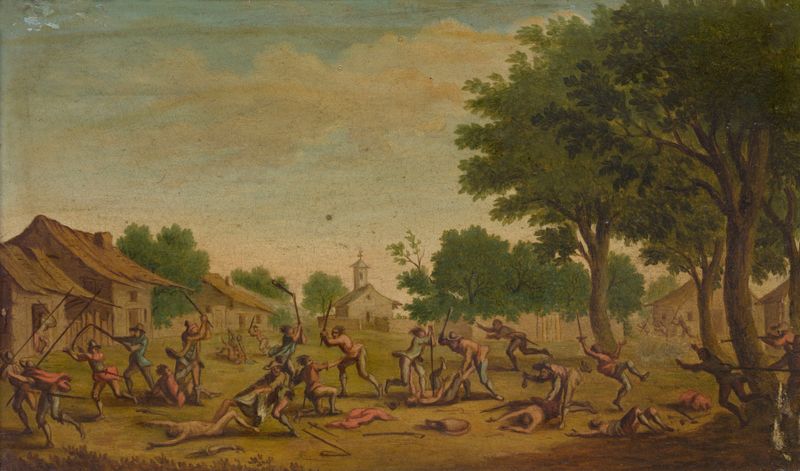
Village Fight
Jacques Callot

Titelprent voor prentreeks 'Het leven van Maria'
Jacques Callot
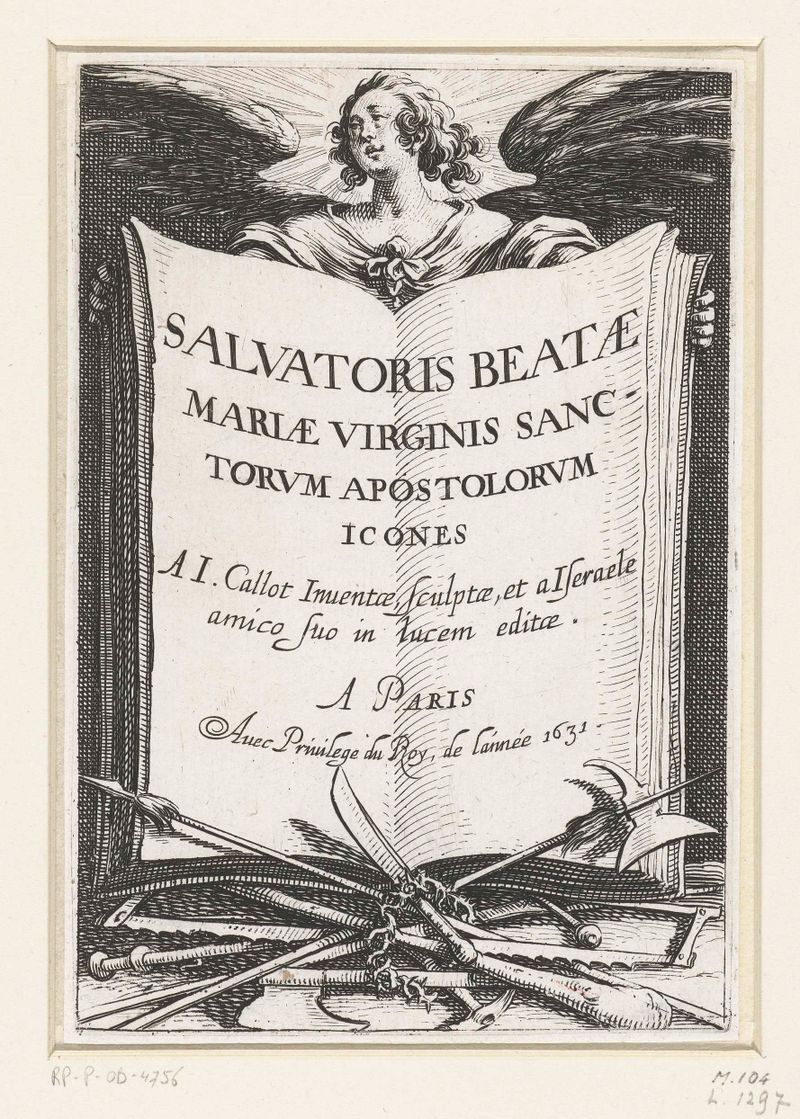
Titelprent voor de prentreeks 'De grote apostelen' (Christus, Maria en de apostelen)
Jacques Callot

Christus aan het volk getoond (Ecce homo)
Jacques Callot
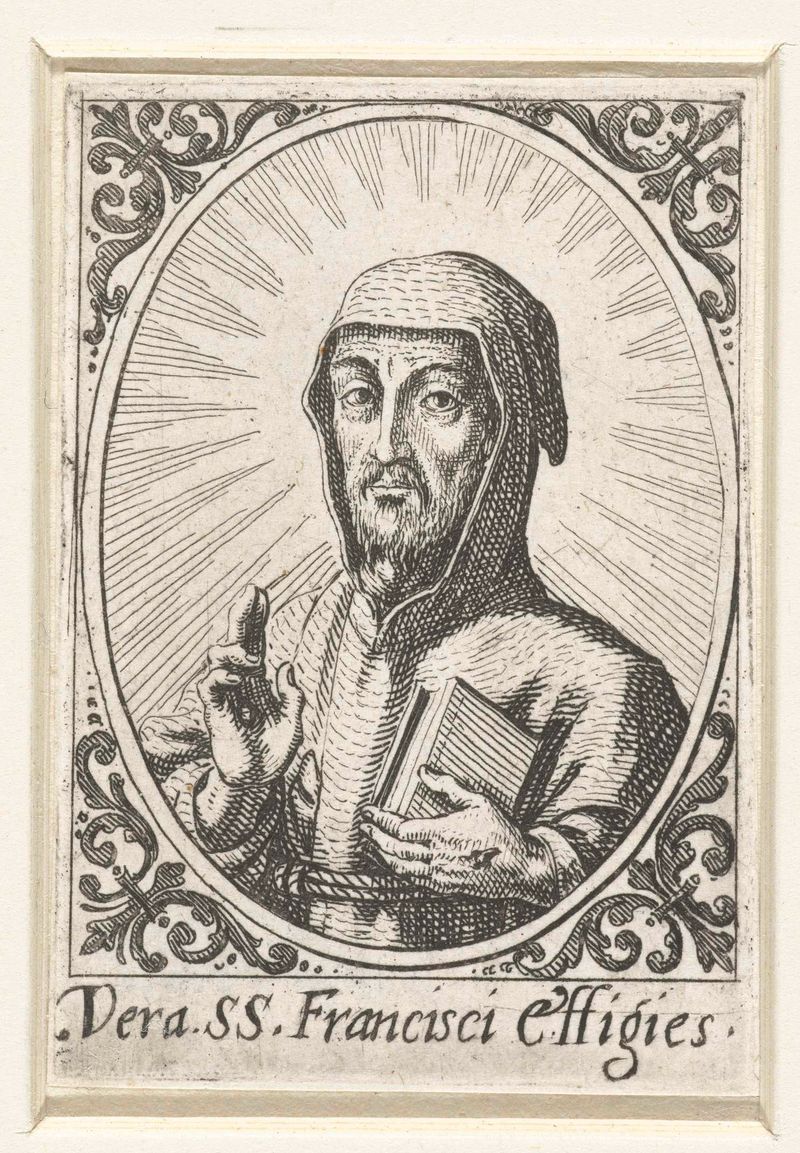
Portret van de Heilige Franciscus
Jacques Callot
More Religious Art
Browse all →
The Return of the Prodigal Son
Rembrandt van Rijn

The Garden of Earthly Delights
El Bosco

Count Orgaz’ funeral
El Greco

The Hundred Guilder Print: the central piece with Christ preaching, the plate arched
Rembrandt van Rijn

The Descent from the Cross
Rogier van der Weyden

The return of the prodigal son
Rembrandt van Rijn