
Doornenkroning — History & Facts
Can paint confess what words never could? In Doornenkroning, Jacques Callot captures a moment of visceral struggle, revealing layers of interpretation beyond mere imagery. The artwork beckons viewers to explore the intricate interplay of suffering and devotion, suggesting a narrative steeped in both personal and universal truths. To truly appreciate this piece, look to the center where the crown of thorns looms large against a backdrop of muted tones. The delicate, thorny spikes extend outward, almost threatening to pierce the viewer's understanding.
Notice how the light subtly caresses the edges of these barbs, illuminating their cruel beauty, while shadows dance in the crevices, hinting at the darker undertones of faith and sacrifice. Callot’s meticulous technique and dynamic composition draw the eye into the depth of this harrowing symbol. Delving deeper, one might consider the emotional tension encapsulated in the crown’s juxtaposition to the stillness surrounding it. The contrast of elegance and pain evokes a poignant reflection on the nature of suffering.
Each thorn seems to whisper secrets of historical and spiritual context, inviting viewers to ponder the cost of devotion. This pushing and pulling of emotions encapsulates the struggle between earthly existence and spiritual elevation, making the piece resonate on multiple levels. Created between 1624 and 1625, this work emerged during a tumultuous time in Europe, marked by religious conflict and social upheaval. Callot, living in Nancy, was deeply influenced by the Baroque style yet sought to imbue his creations with personal significance.
This painting reflects not only the artist's exploration of faith and mortality but also a broader commentary on the human condition, drawing viewers into a silent dialogue that transcends time.
More Artworks by Jacques Callot
Browse all →
Titelprent voor de prentreeks 'De kleine apostelen' (Het martelaarschap van de apostelen)
Jacques Callot
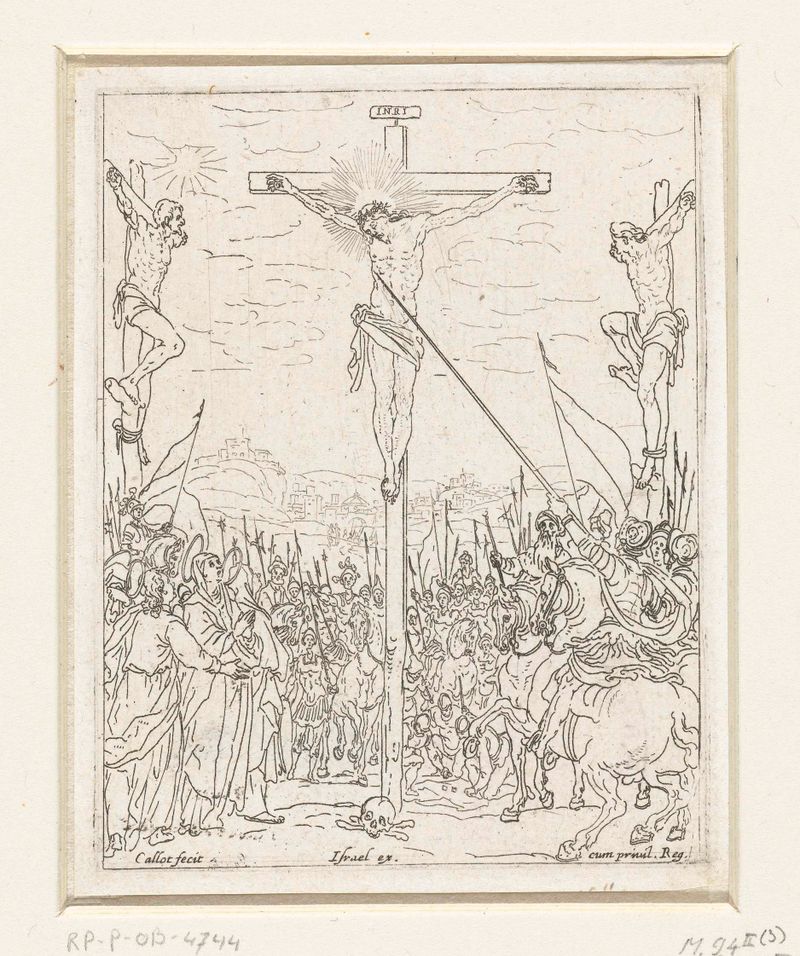
Kruisiging
Jacques Callot

De doortocht door de Rode Zee
Jacques Callot

De verloren zoon als zwijnenhoeder
Jacques Callot

Annunciatie
Jacques Callot
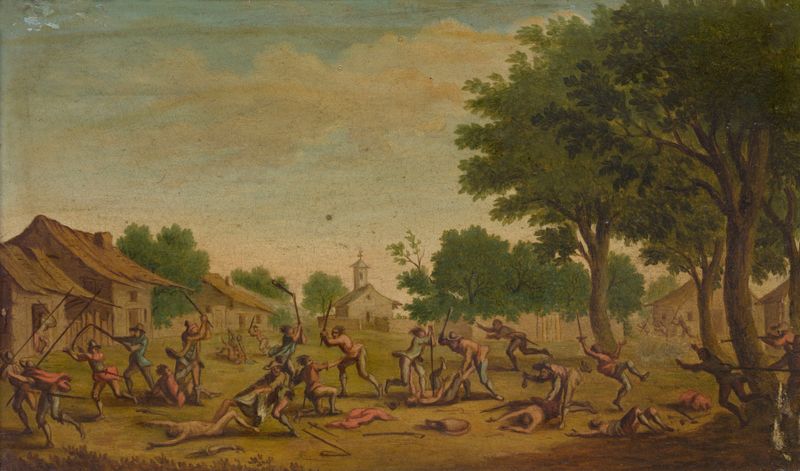
Village Fight
Jacques Callot

Titelprent voor prentreeks 'Het leven van Maria'
Jacques Callot
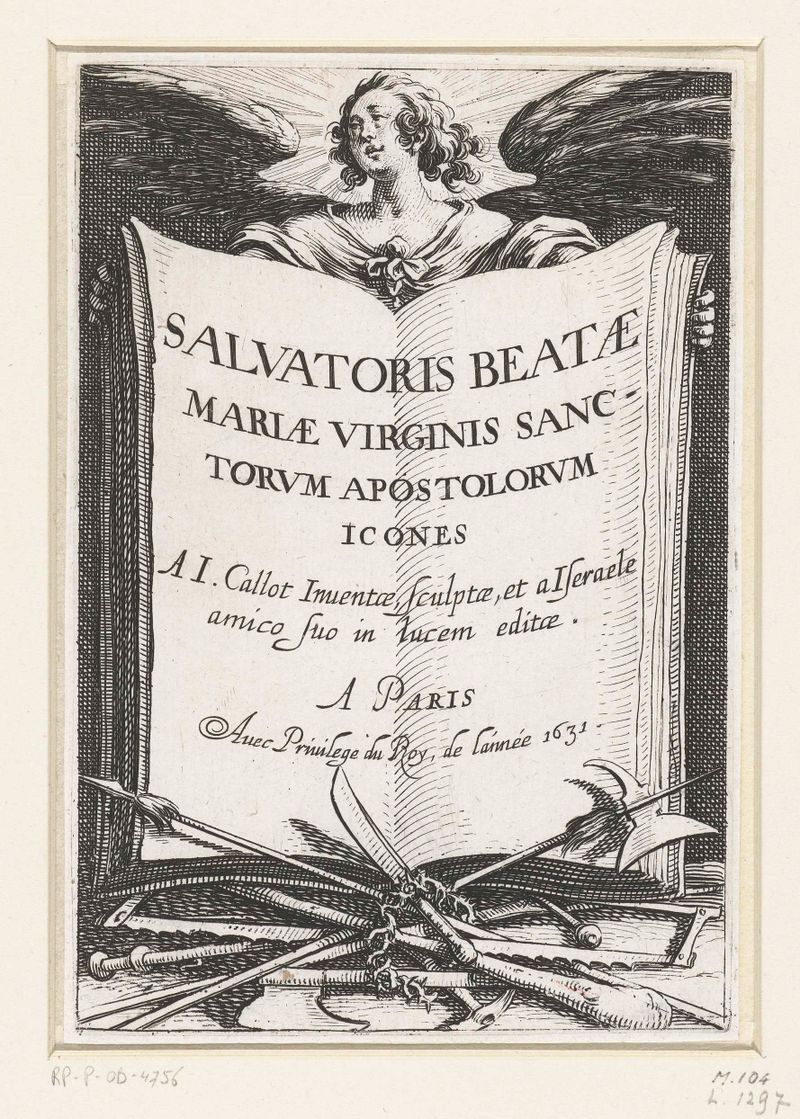
Titelprent voor de prentreeks 'De grote apostelen' (Christus, Maria en de apostelen)
Jacques Callot

Christus aan het volk getoond (Ecce homo)
Jacques Callot
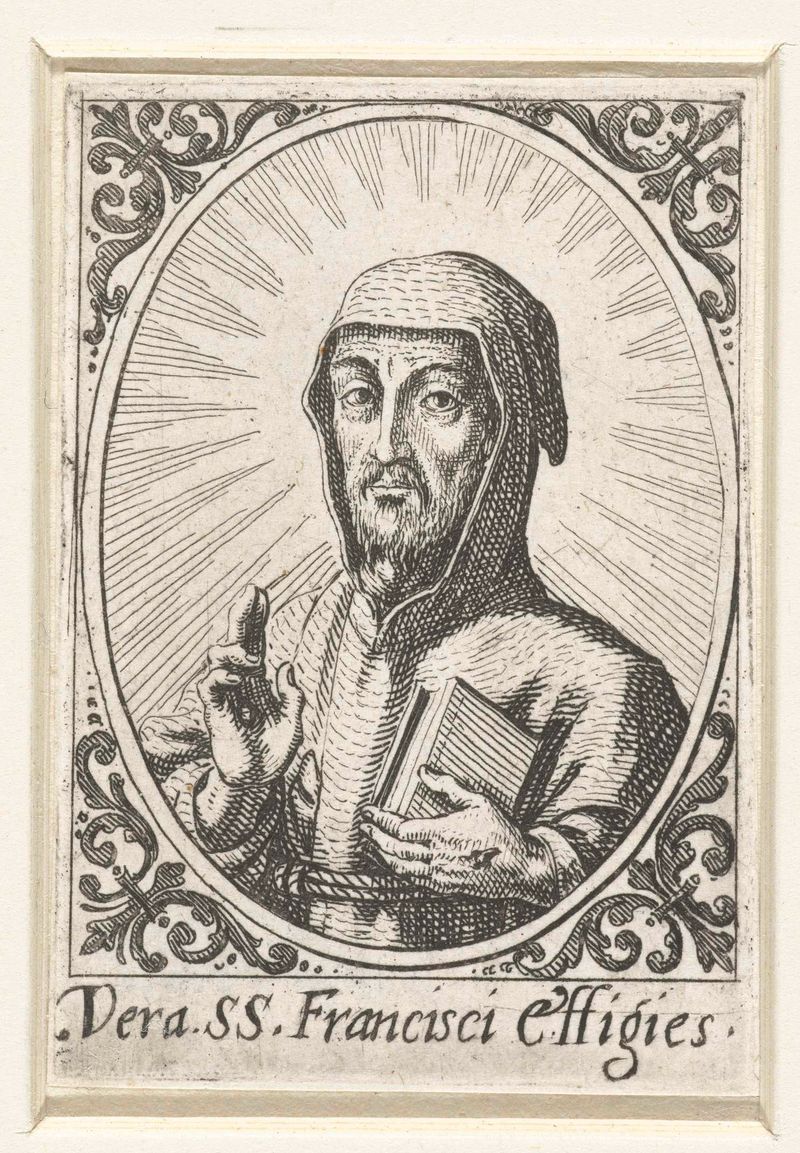
Portret van de Heilige Franciscus
Jacques Callot
More Religious Art
Browse all →
The Return of the Prodigal Son
Rembrandt van Rijn

The Garden of Earthly Delights
El Bosco

Count Orgaz’ funeral
El Greco

The Hundred Guilder Print: the central piece with Christ preaching, the plate arched
Rembrandt van Rijn

The Descent from the Cross
Rogier van der Weyden

The return of the prodigal son
Rembrandt van Rijn