
Doorzicht onder een brug naar terrassen en een trap — History & Facts
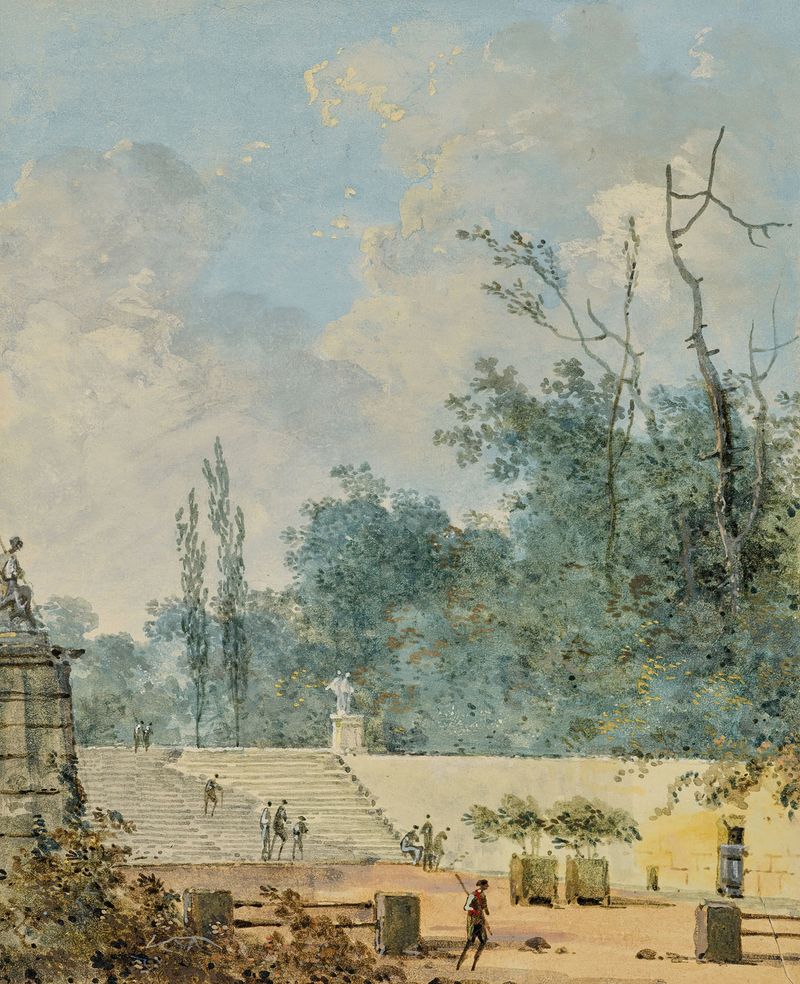
In the stillness of Doorzicht onder een brug naar terrassen en een trap, the tumult of emotion is palpable, threading through the intricate details of daily life. Grief transforms into beauty, weaving itself into the fabric of our existence. Look to the left, where the arching bridge frames a poignant view that draws you deeper into the scene. Notice how the dappled light filters down, casting delicate shadows that dance across the terraces below.
The palette of muted earth tones, punctuated by soft greens and the whisper of blue, enhances the sense of nostalgia, inviting the viewer to linger in the quiet harmony of the moment. Each stroke of the brush seems to capture not just architecture, but the very essence of life’s fleeting nature. An interplay of light and shadow reveals the tension between stability and transience. The bridge, a symbol of connection, bridges two worlds, both inviting and isolating in its embrace.
The empty terrace hints at absence, suggesting that while life continues, the scars of loss remain. This artwork resonates with the viewer on a deeper level, prompting contemplation about the places we inhabit and the memories we carry with us. Louis Gabriel Moreau painted this work during the late 18th century, a time marked by significant shifts in European art and society. Living in France amidst the stirrings of revolution and change, he reflected the beauty and melancholy of his time through a lens of personal experience.
The period’s focus on both realism and emotion can be seen in the careful rendering of architectural elements, inviting viewers to explore their own connections to loss and memory.
More Artworks by Louis Gabriel Moreau
Browse all →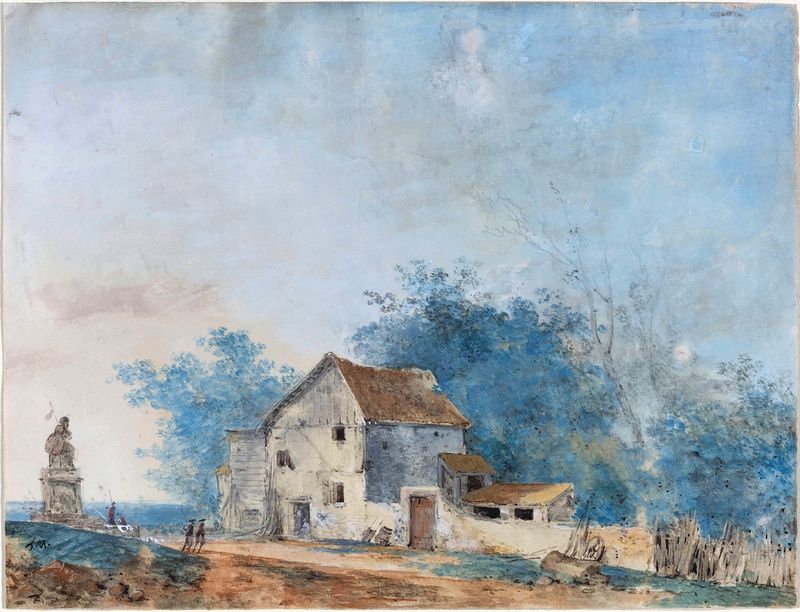
Landscape
Louis Gabriel Moreau

Italian Landscape with a Boating Party
Louis Gabriel Moreau
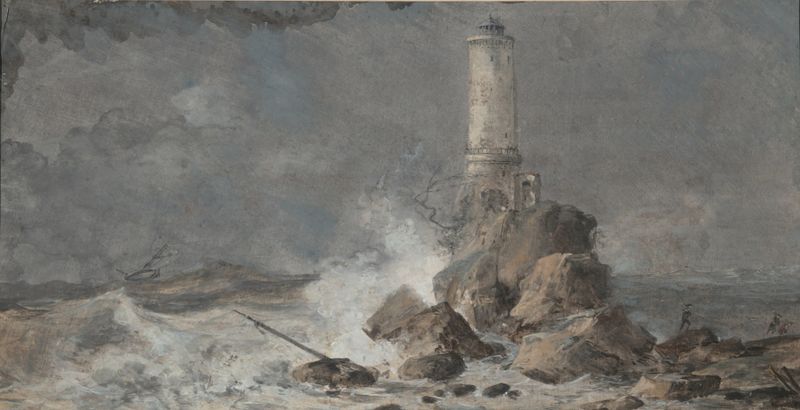
The Lighthouse [ Le Grand Phare]
Louis Gabriel Moreau

Landschaft mit zerfallenem Gehöft
Louis Gabriel Moreau

Parklandschaft mit hohen Bäumen und dem Blick auf einen Treppenanstieg im Mittelgrund
Louis Gabriel Moreau
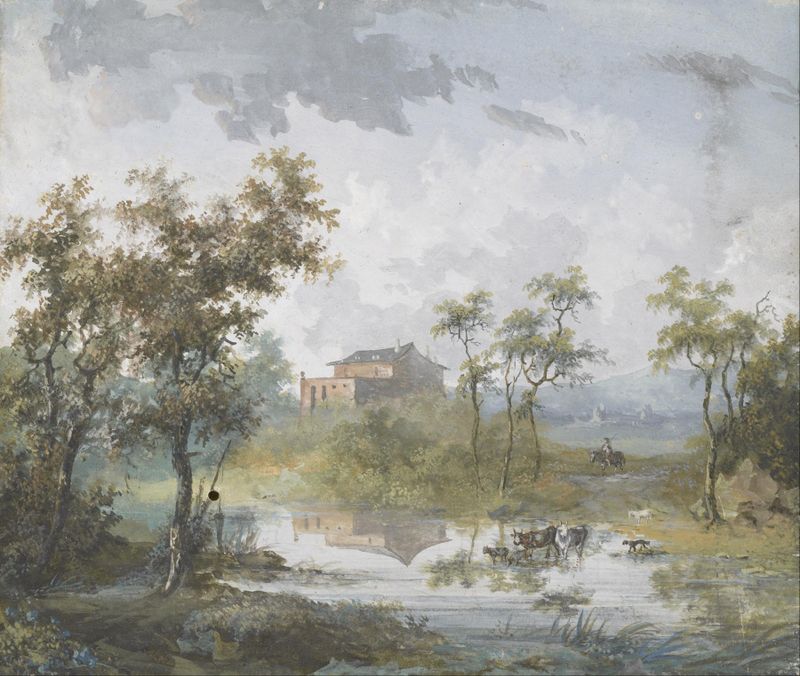
The Rustic River Ford
Louis Gabriel Moreau
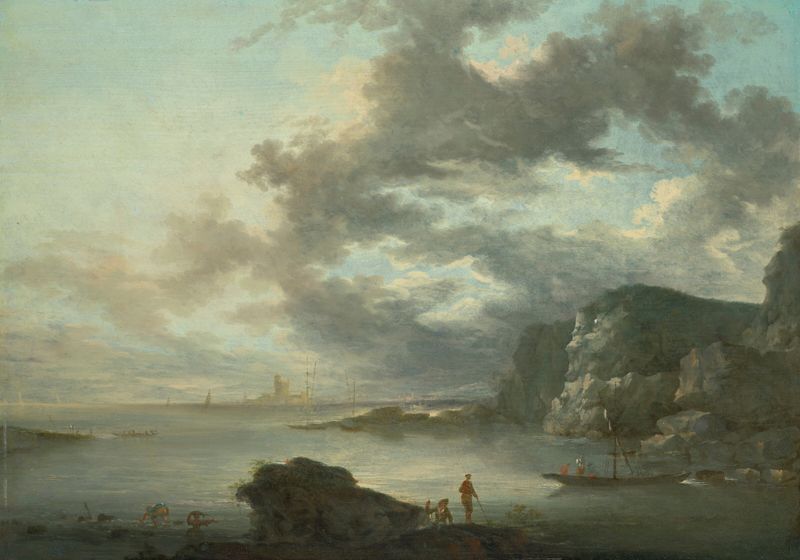
Seascape
Louis Gabriel Moreau

A river landscape with washerwomen by a mill
Louis Gabriel Moreau
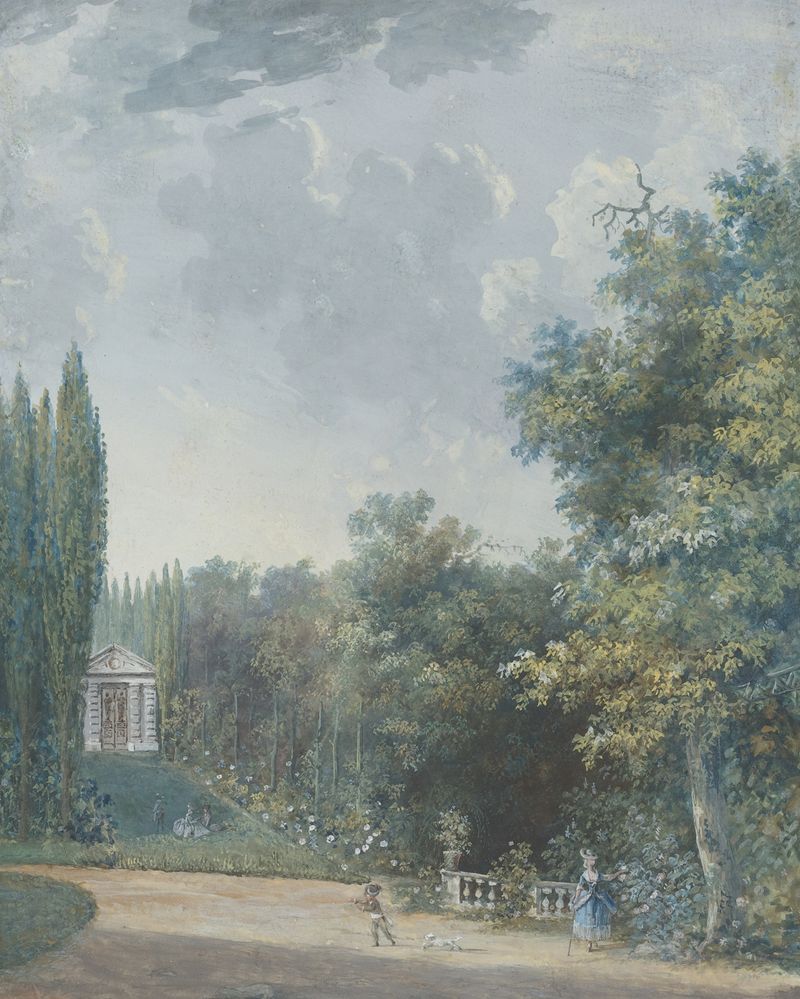
Park View
Louis Gabriel Moreau
Deux vues du parc de Saint-Cloud
Louis Gabriel Moreau





