
Dormition of Virgin Mary — History & Facts
When Fra Angelico painted Dormition of Virgin Mary around 1430, he was among the first Italian artists to give the Virgin’s final moments a sense of intimate calm rather than dramatic spectacle. This approach marked a turning point in Florentine religious art, moving away from the crowded, gold-heavy Byzantine icons that had dominated depictions of the subject for centuries. Instead, Fra Angelico’s version invites the viewer to witness a gentle passing—a choice that would influence generations of painters.
The work stands as a rare early example of the Dormition theme in Italian panel painting, predating more famous treatments by artists like Andrea Mantegna. The scene captures the Virgin Mary at the very instant of her death, surrounded by the apostles who have been miraculously gathered from distant lands. Christ appears above her, holding a tiny, luminous figure symbolizing Mary’s departing soul. The apostles’ gestures—some in prayer, others reaching out in grief—draw the eye toward the Virgin’s serene face, which is illuminated by a soft, golden light that separates her from the earthbound mourners.
The delicate halos, the intricate textiles, and the careful arrangement of figures all underscore the sanctity of the moment. Unlike the crowded tumult of Giotto’s Dormition frescoes, Fra Angelico’s composition breathes with space and quiet, reflecting the meditative spirituality of early Renaissance Florence. Little is known about the original commission or patron for this panel, and its early history remains obscure—a common fate for works from the first decades of the 15th century. What is certain is that Fra Angelico was working in the Dominican convent of San Domenico in Fiesole at the time, producing altarpieces and devotional images for his community.
Over the centuries, the painting has been admired for its clarity and gentle humanity, though its authorship was once debated due to its stylistic closeness to works by Lorenzo Monaco. Today, Dormition of Virgin Mary is recognized as a key work in Fra Angelico’s early career, reflecting both his deep faith and his pioneering role in the development of Renaissance painting.
More Artworks by Fra Angelico

Condemnation of St Lawrence by the Emperor Valerian
Fra Angelico
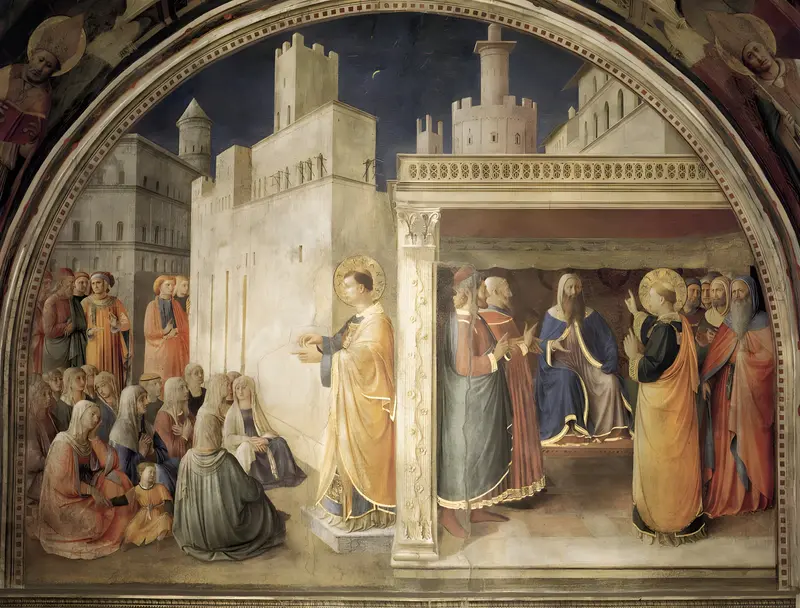
Lunette of the north wall
Fra Angelico
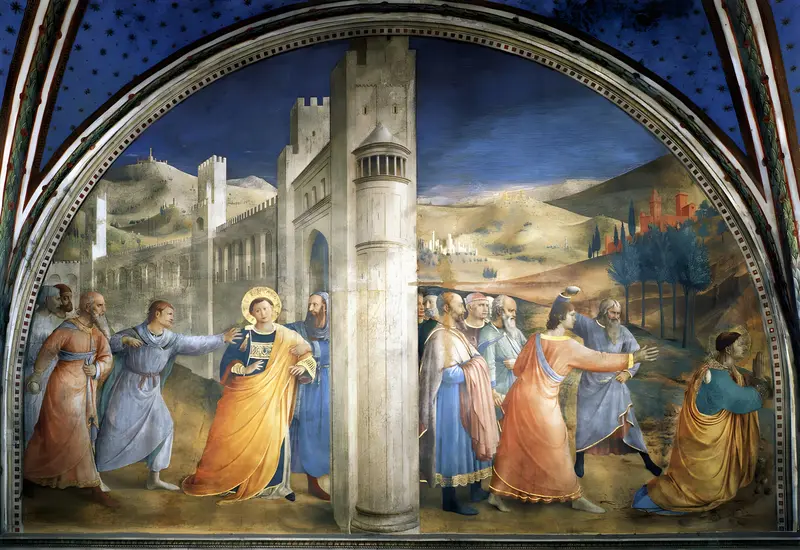
Lunette of the east wall in Niccoline Chapel
Fra Angelico
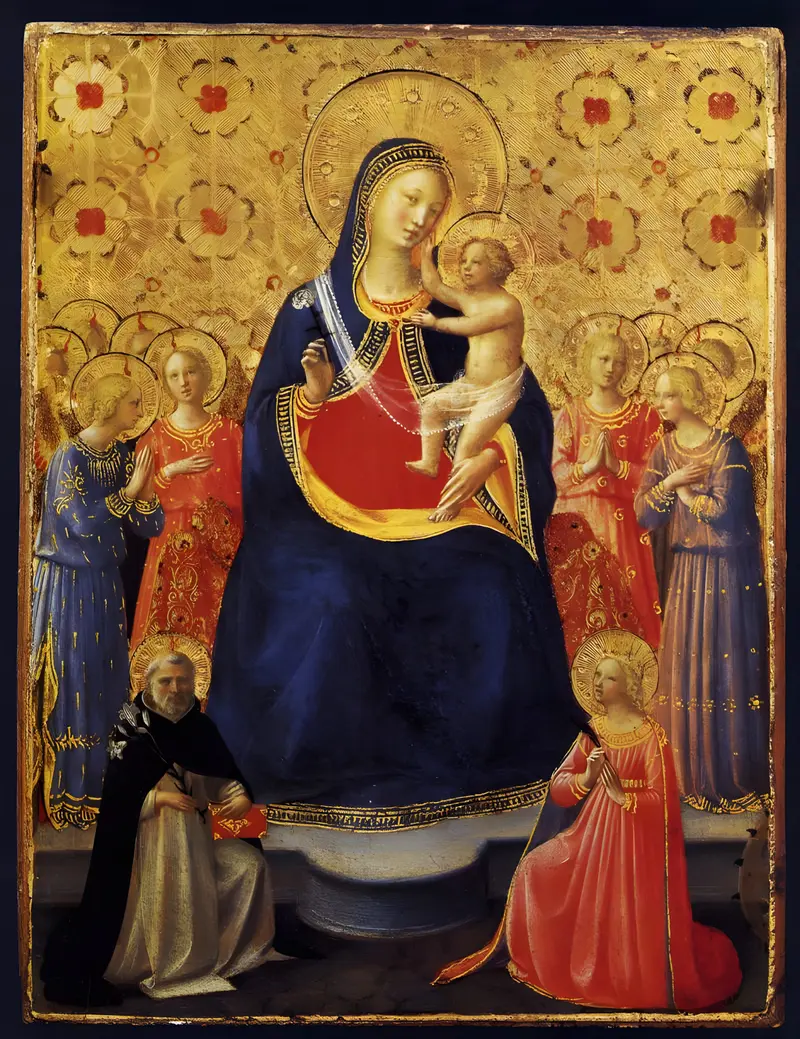
Madonna and Child Enthroned with Nine Angels and Saints Dominic and Catherine of Alexandria
Fra Angelico
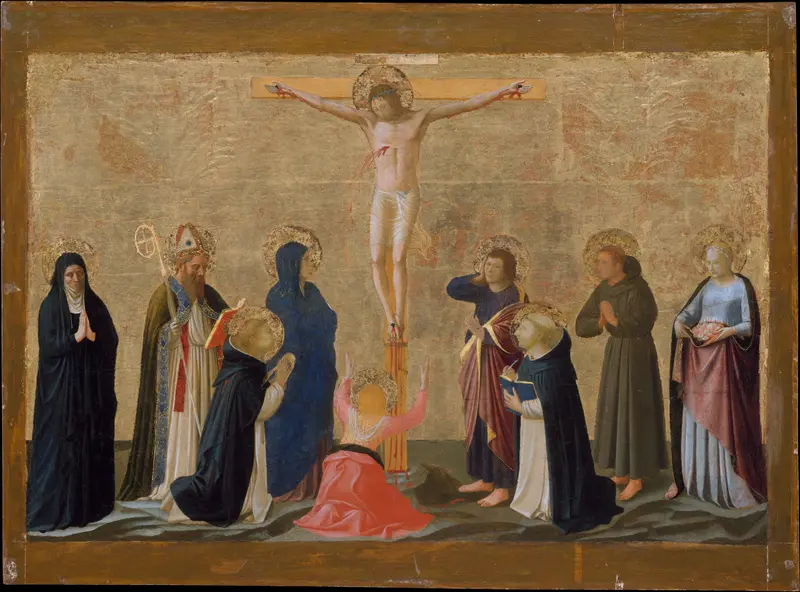
The Crucifixion
Fra Angelico
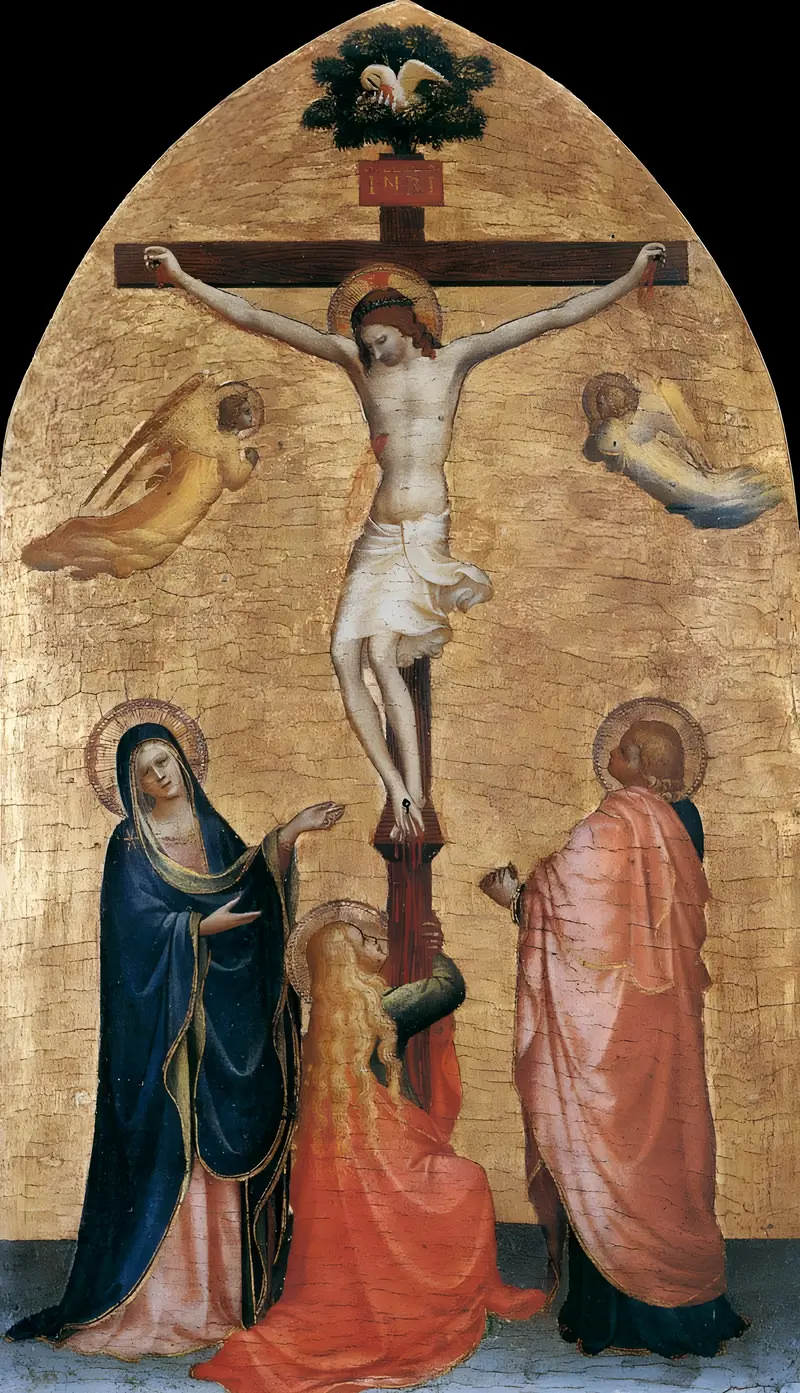
Crucifixion with the Virgin, John the Evangelist, and Mary Magdelene
Fra Angelico
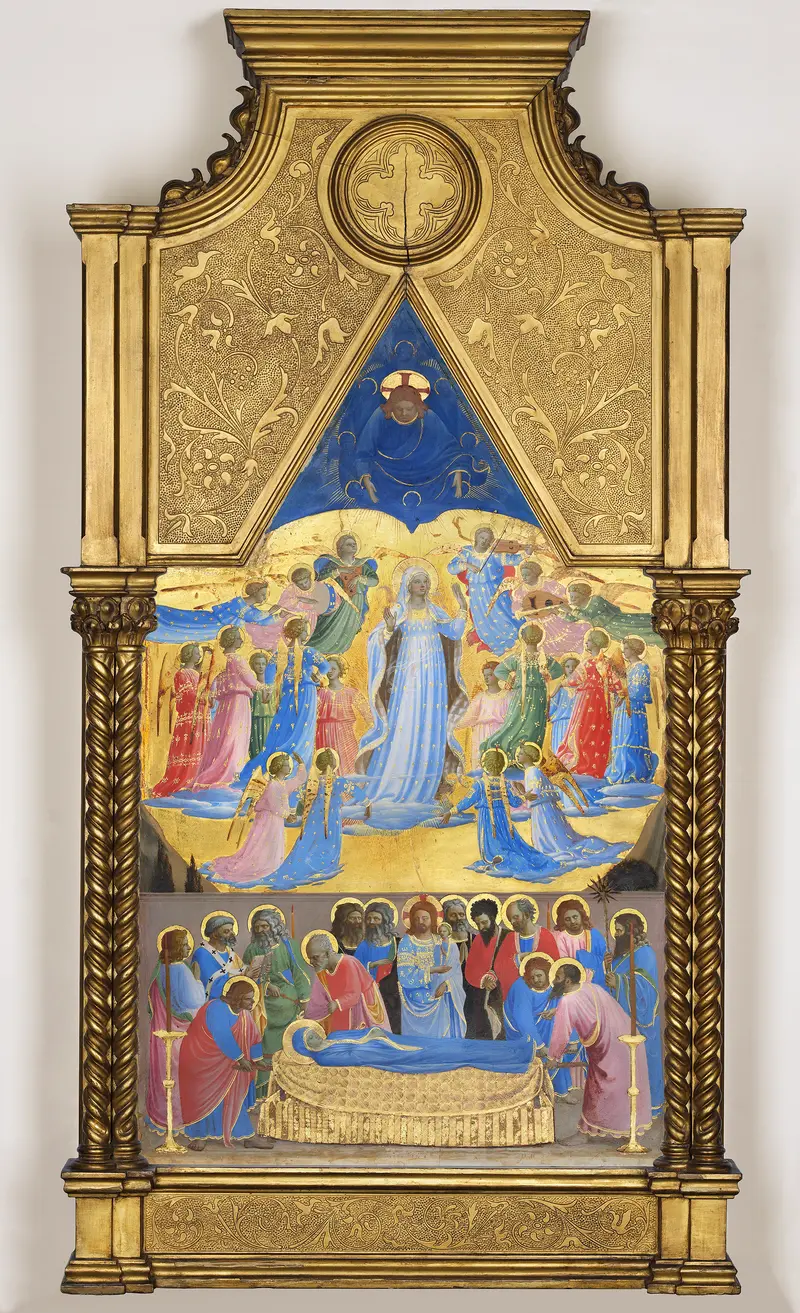
Dormition and Assumption of the Virgin
Fra Angelico
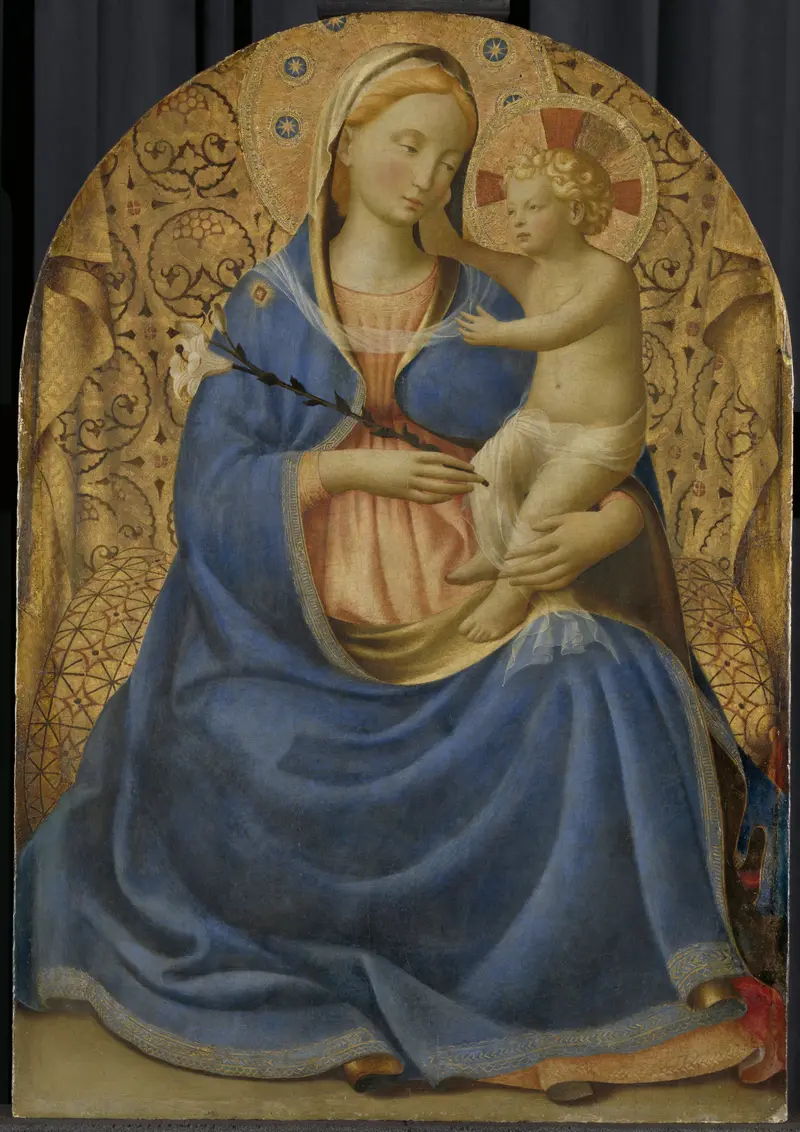
Madonna of Humility
Fra Angelico
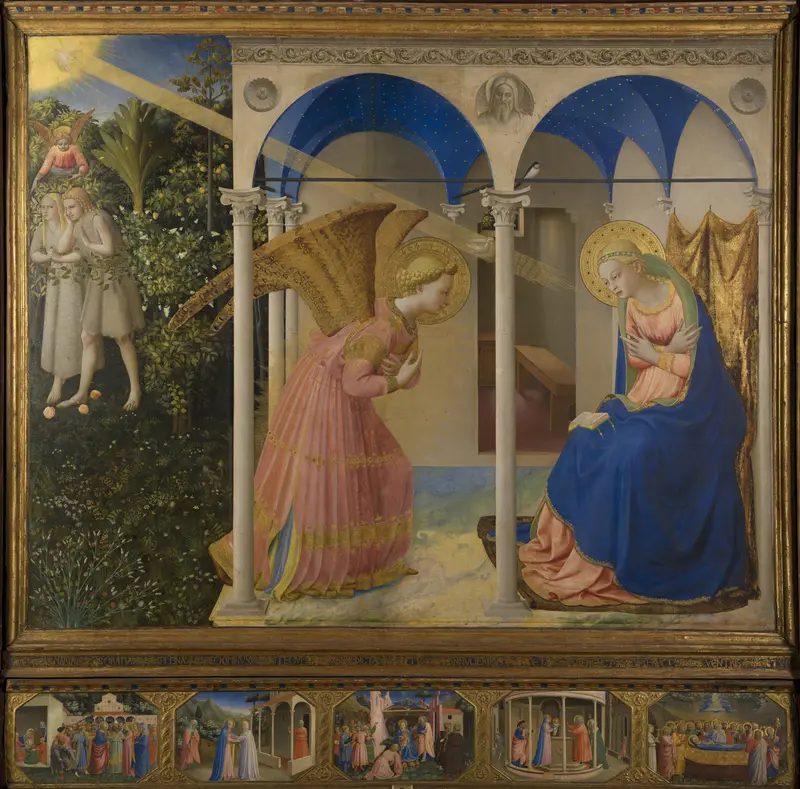
The Annunciation
Fra Angelico

Saint Anthony Abbot
Fra Angelico





