
Dorp — History & Facts
In the stillness of creativity, silence speaks volumes, inviting us into a realm where every brushstroke resonates with unvoiced emotions. Look to the horizon in Dorp, where a quaint village emerges against a muted sky. The soft hues of earth and pastel blend seamlessly, creating an inviting landscape that feels both intimate and expansive. Notice how the winding path leads your gaze through the scene, guiding you towards the clustered houses whose roofs gently touch the clouds.
The delicate interplay of light casts a serene glow on the buildings, while shadows linger, reminding us of the stories waiting to unfold. Beneath the tranquil surface lies a tension between isolation and community. Each home stands alone, yet together they form a collective heartbeat of the village. The careful placement of trees creates a boundary, echoing the duality of nature as both shelter and separation.
The silence within the painting invites reflection, suggesting that the stillness of the scene may harbor deeper truths about human connection in solitude. In 1614, Esaias van de Velde painted this artwork during a period marked by a growing interest in landscapes. Residing in the Netherlands, he was influenced by the Dutch Golden Age, where the emphasis on realism flourished. This era saw the rise of genre scenes that captured everyday life, and Dorp exemplifies van de Velde's contribution to this shift, presenting a harmonious relationship between humanity and the natural world amidst the rapidly changing social landscape of his time.
More Artworks by Esaias van de Velde
Browse all →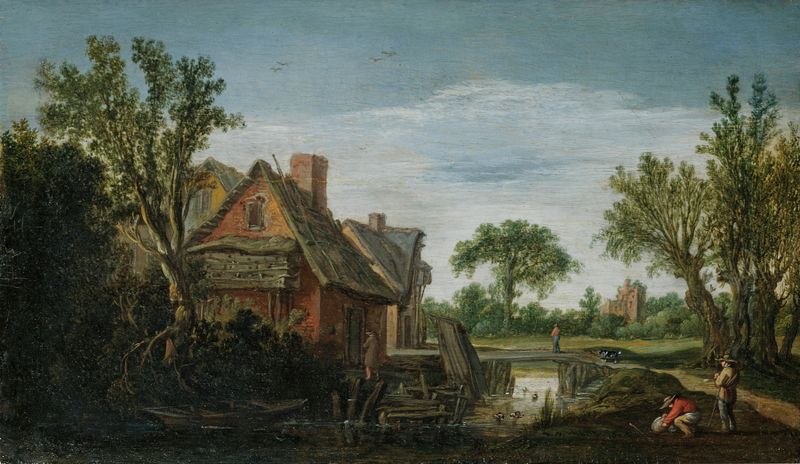
The Hague A Wooded River Landscape With Figures On A Path On A River Bank Beside A Village, A Bridge Beyond
Esaias van de Velde
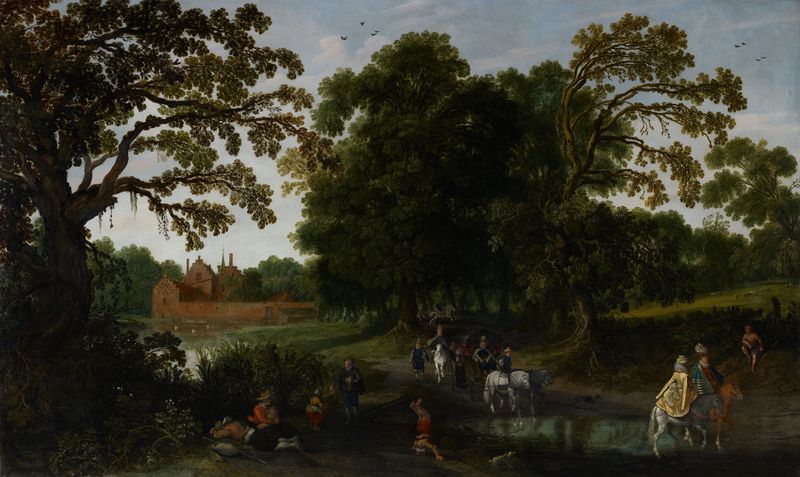
Courtly Procession before Abstpoel Castle
Esaias van de Velde
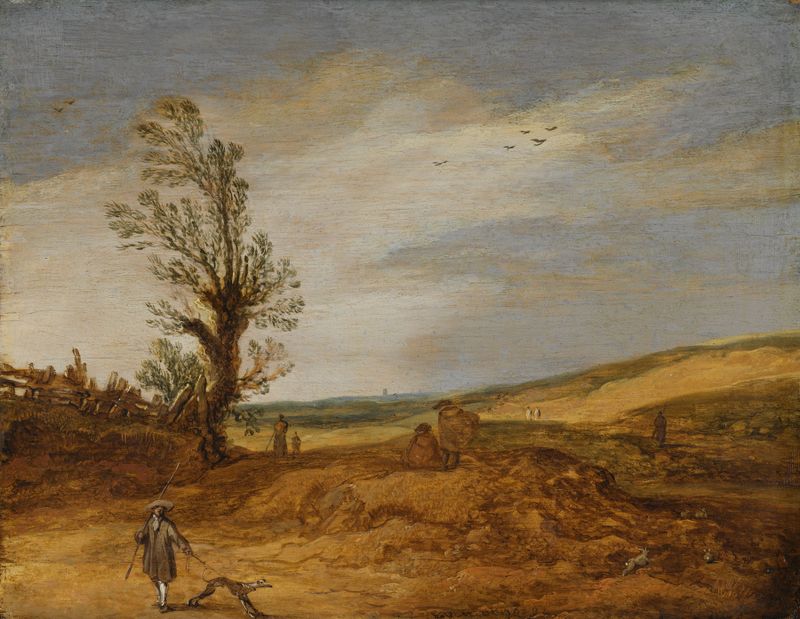
A View in the Dunes
Esaias van de Velde
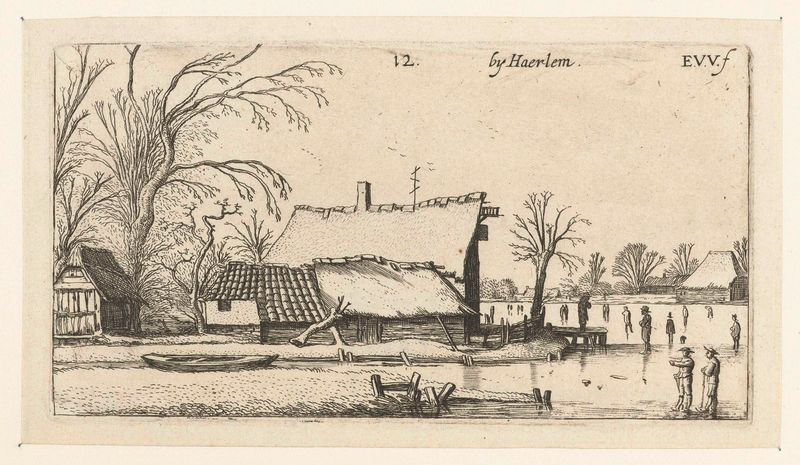
Boerderij bij een bevroren rivier met schaatsers
Esaias van de Velde
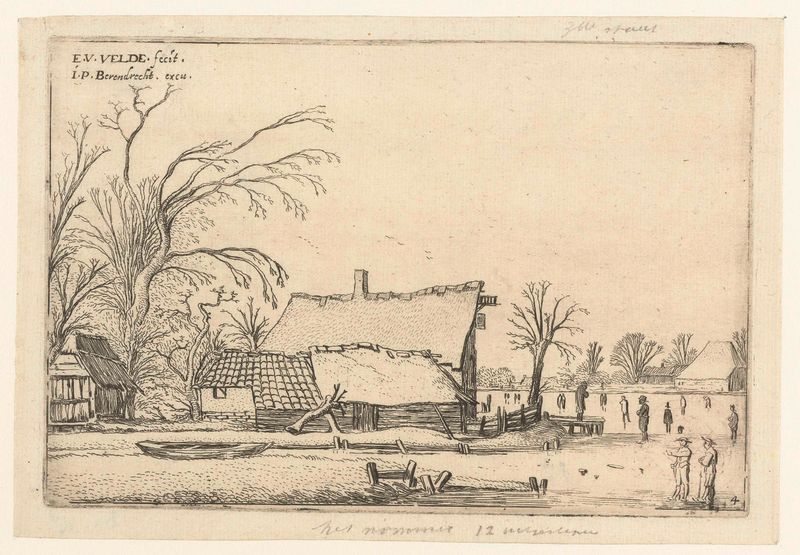
Boerderij bij een bevroren rivier met schaatsers
Esaias van de Velde
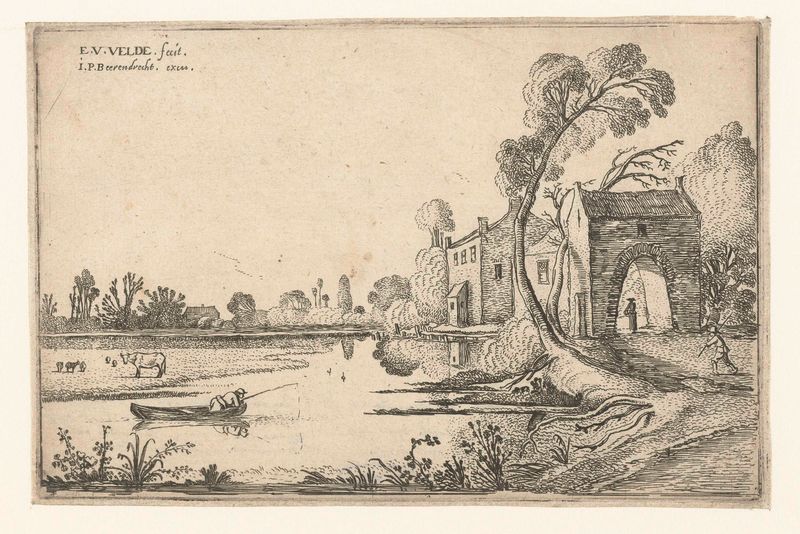
Landschap met rivier en poortgebouw
Esaias van de Velde
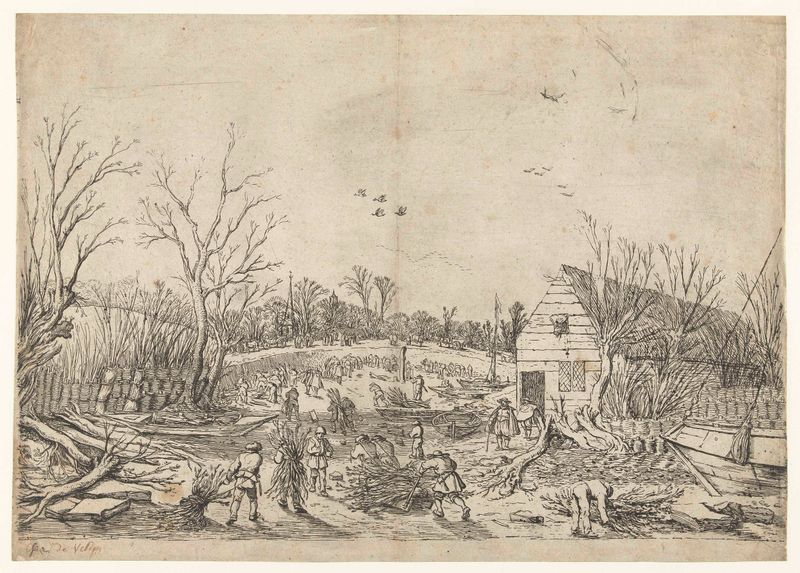
Herstelwerkzaamheden aan de doorgebroken Lekdijk bij 't Waal
Esaias van de Velde
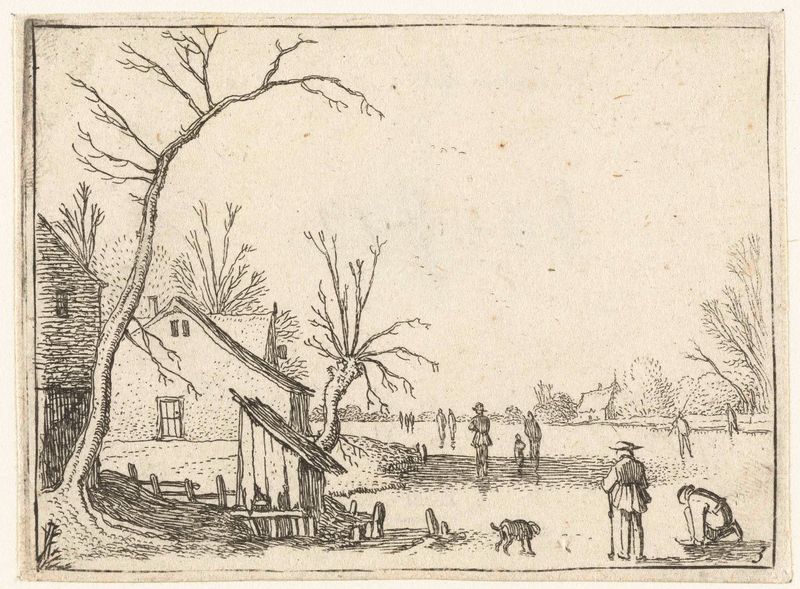
Boerderij bij bevroren rivier en schaatsers op het ijs
Esaias van de Velde
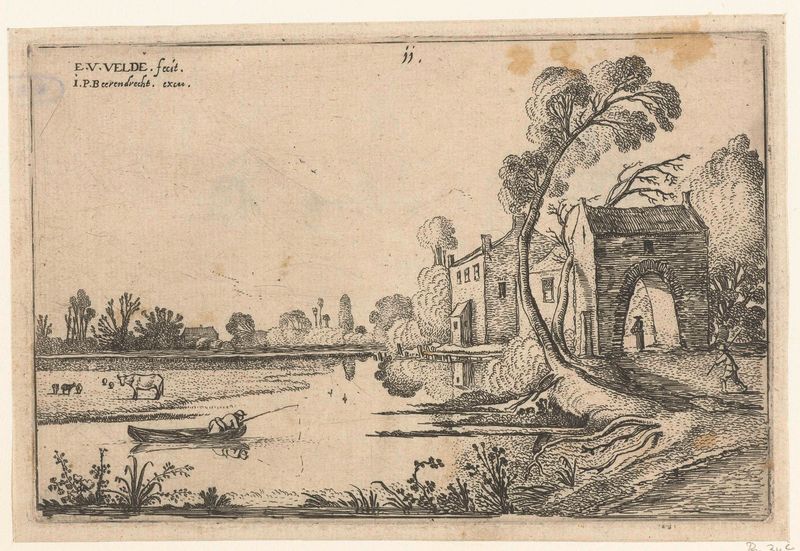
Landschap met een rivier en poortgebouw
Esaias van de Velde
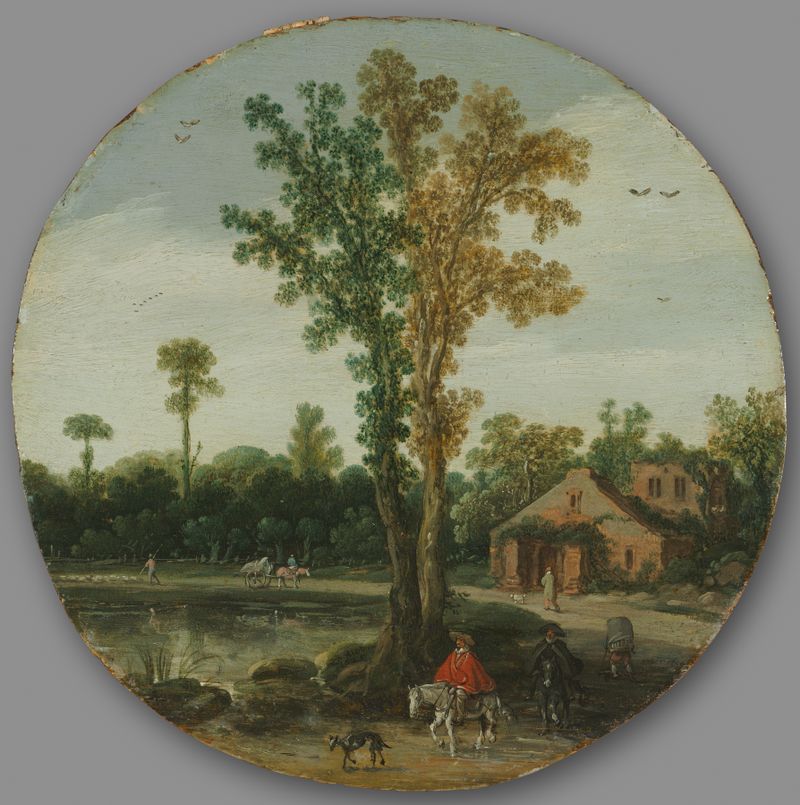
Travelers by a Lake
Esaias van de Velde





