
Dorp — History & Facts
In Dorp, the exquisite charm of a small village is presented as a canvas of rebirth, where the mundane intertwines with the profound essence of life. Look to the left at the delicate rooftops, each one kissed by the soft glow of afternoon light. The artist employs a gentle palette of greens and earth tones, evoking a sense of tranquility, while shadows stretch languidly across the cobblestoned streets. These serene hues invite the viewer deeper into the composition, where the clustered houses become a testament to both human habitation and the timeless cycle of nature. Yet, amidst the idyllic scene, contrasts emerge.
The vibrant life within the village stands in stark opposition to the distant, undulating hills, hinting at the challenges that lie beyond the horizon. Shadows dance around the edges, suggesting that every beauty has its origin in struggle. The meticulous details in the architecture seem to whisper stories of rebirth, each window offering a glimpse into lives lived, dreams nurtured, and losses endured. Esaias van de Velde created this work in 1614, a period marked by burgeoning developments in Dutch landscape painting.
Residing in the Netherlands, he was part of a wider movement that began to embrace realism and emotional depth in representation. This was a time when the tranquility of rural life resonated deeply with the societal shifts occurring around him, and his paintings reflect a longing for connection to both nature and community.
More Artworks by Esaias van de Velde
Browse all →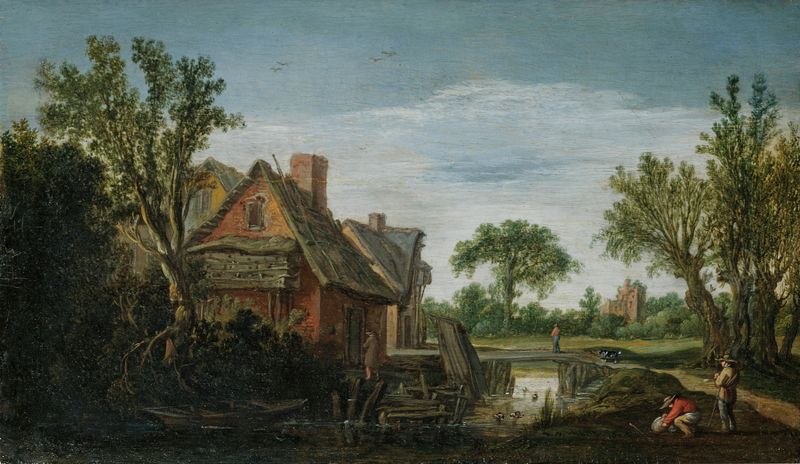
The Hague A Wooded River Landscape With Figures On A Path On A River Bank Beside A Village, A Bridge Beyond
Esaias van de Velde
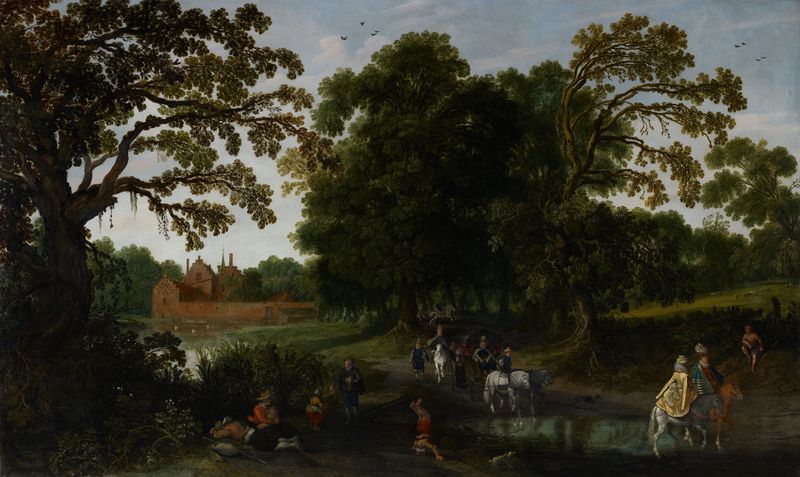
Courtly Procession before Abstpoel Castle
Esaias van de Velde
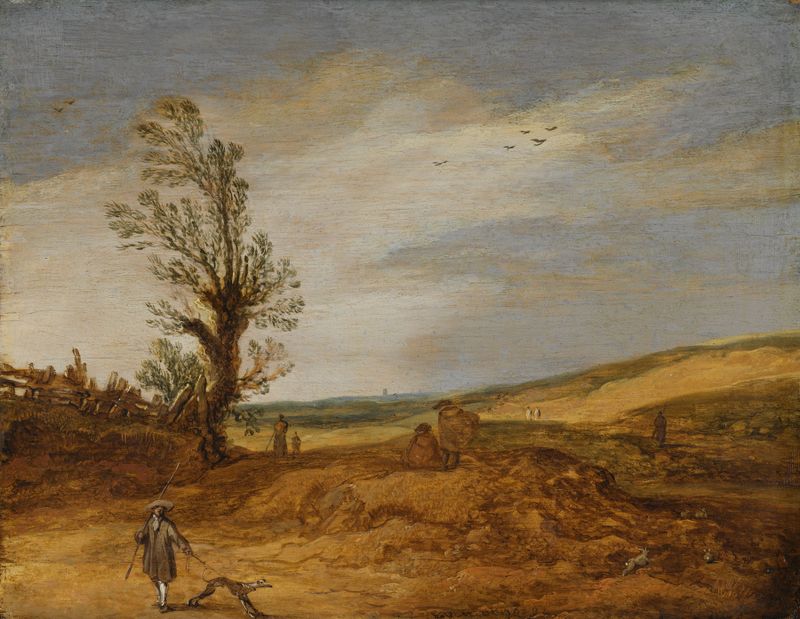
A View in the Dunes
Esaias van de Velde
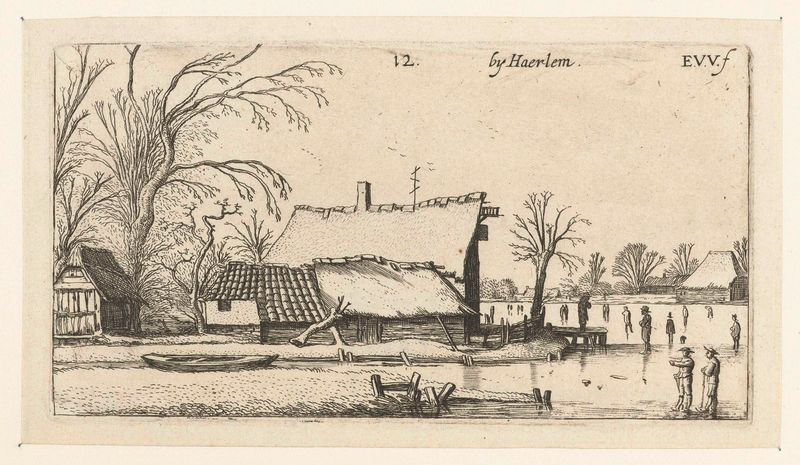
Boerderij bij een bevroren rivier met schaatsers
Esaias van de Velde
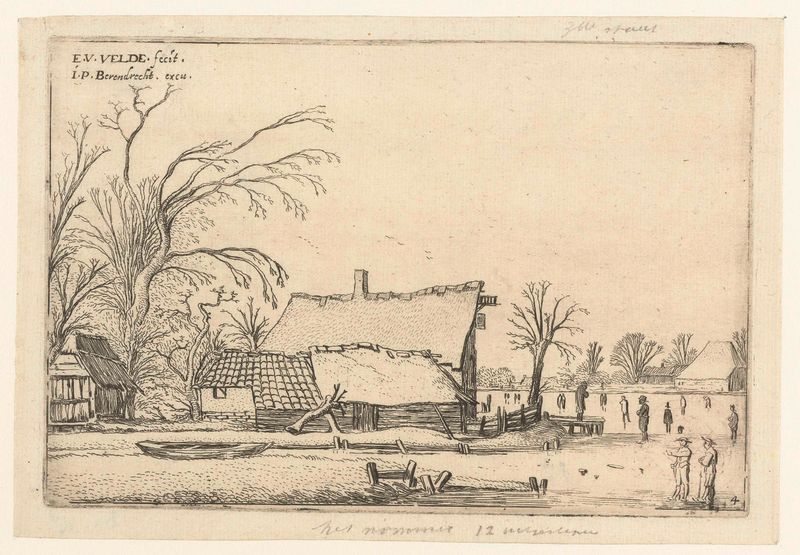
Boerderij bij een bevroren rivier met schaatsers
Esaias van de Velde
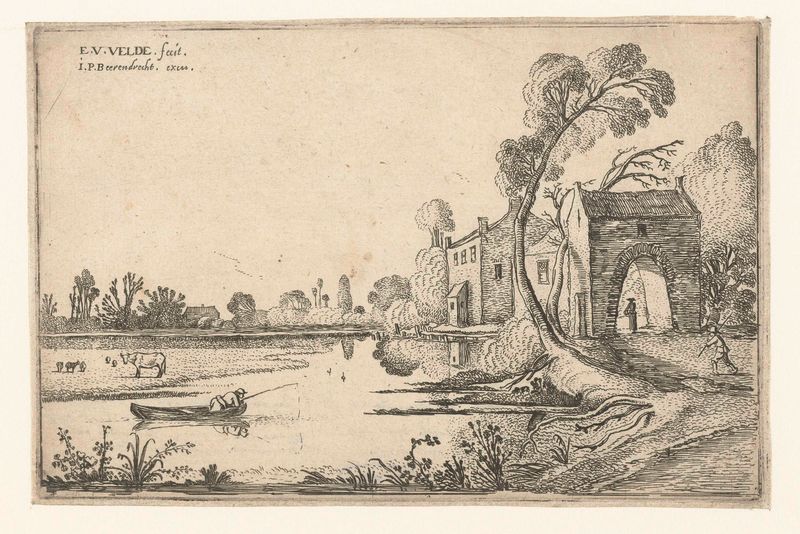
Landschap met rivier en poortgebouw
Esaias van de Velde
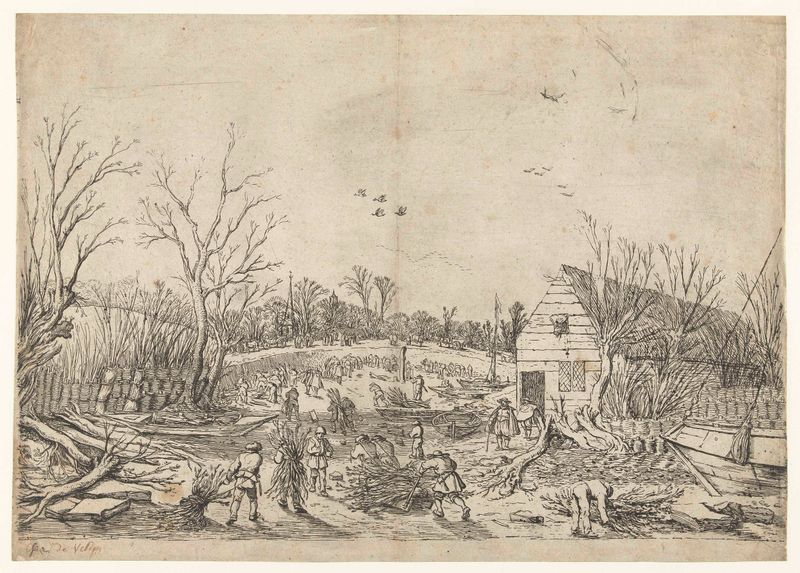
Herstelwerkzaamheden aan de doorgebroken Lekdijk bij 't Waal
Esaias van de Velde
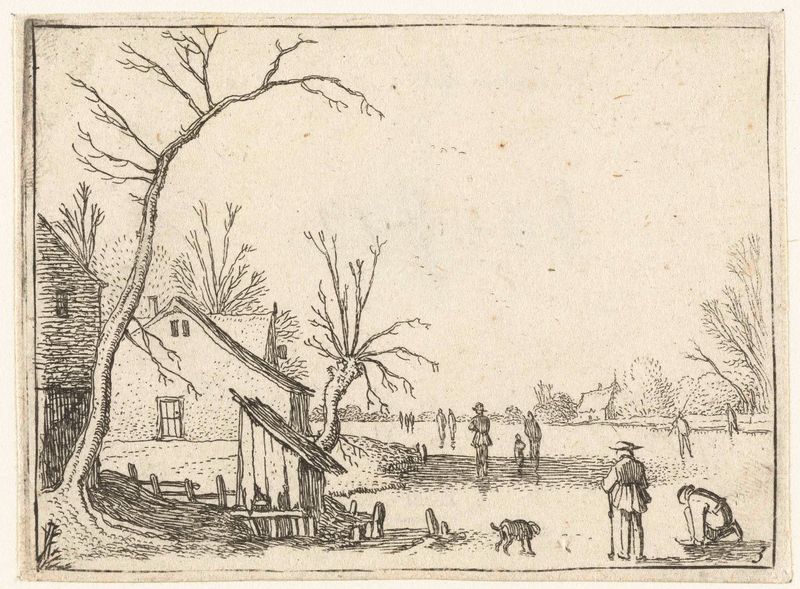
Boerderij bij bevroren rivier en schaatsers op het ijs
Esaias van de Velde
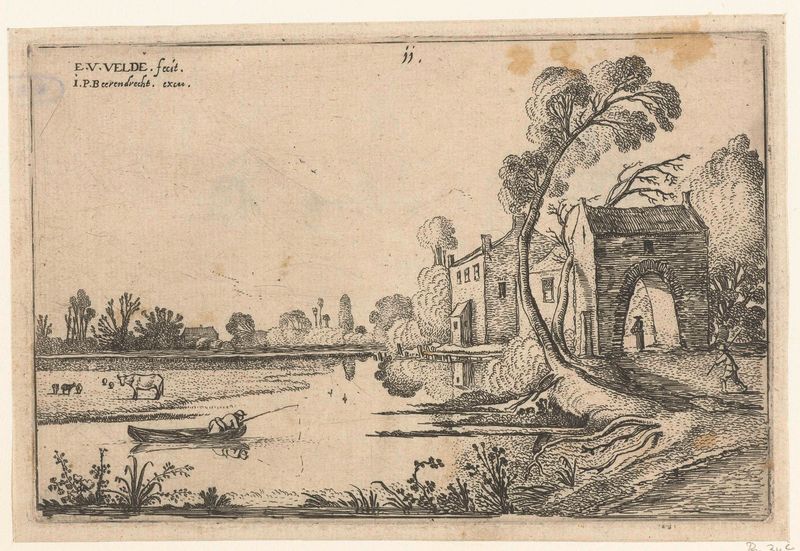
Landschap met een rivier en poortgebouw
Esaias van de Velde
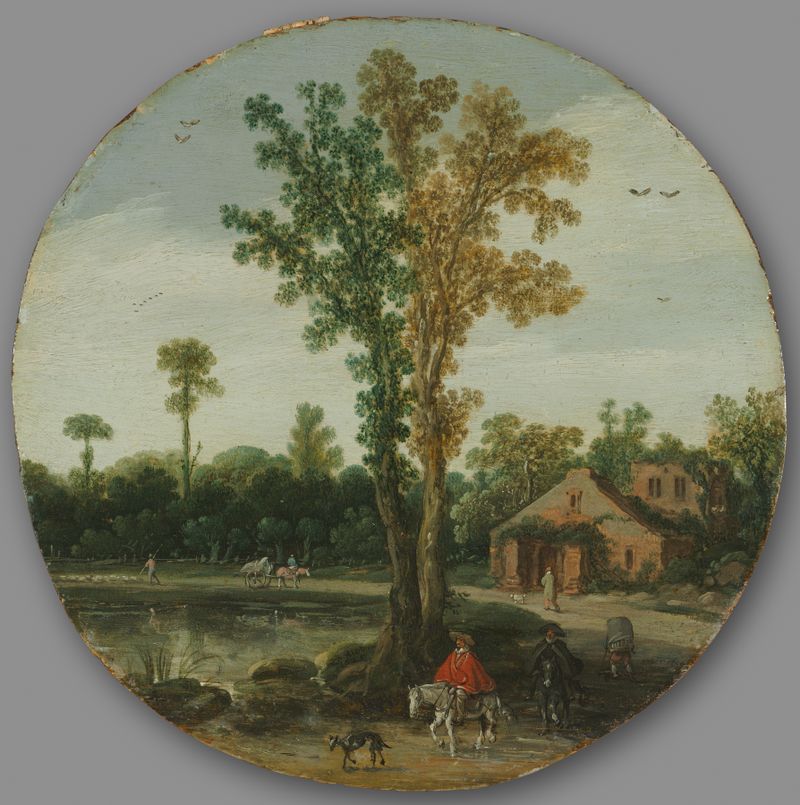
Travelers by a Lake
Esaias van de Velde





