
Dorpsgezicht met boerderijen, kerk en waterput — History & Facts
Is this a mirror — or a memory? In Dorpsgezicht met boerderijen, kerk en waterput, a quiet village scene unfolds, capturing the essence of rural life in early 17th-century Netherlands. The painting invites us to reflect on the layers of time, where past and present intertwine like the gentle ripples on a still pond. Look towards the center of the canvas, where a modest church rises above the low-slung farms, its steeple reaching skyward. Notice the warm, earthy tones that dominate the landscape, each brushstroke breathing life into fields and structures alike.
The soft light illuminates the water well in the foreground, drawing your eye to its circular form, symbolizing both sustenance and community. The artist’s delicate handling of light and shadow creates a sense of depth, pulling the viewer into this serene tableau. Yet, beneath the tranquil surface lies a world rich with stories. The juxtaposition of the sturdy farms against the lofty church steeple hints at the tension between earthly existence and spiritual aspirations.
The water well, a focal point, not only serves as a source of life but also evokes the shared labor and unity of the villagers. Each element breathes together, crafting a narrative that transcends its idyllic appearance, whispering of history and longing. Esaias van de Velde painted this evocative scene in 1614 while residing in Haarlem, a time when Dutch art was flourishing and the genre of landscape painting was gaining prominence. Influenced by the works of his contemporaries, he deftly combined realism with a poetic touch, capturing the essence of his surroundings.
This work reflects not just a place, but the artist's own connection to the landscape that shaped his identity and artistry.
More Artworks by Esaias van de Velde
Browse all →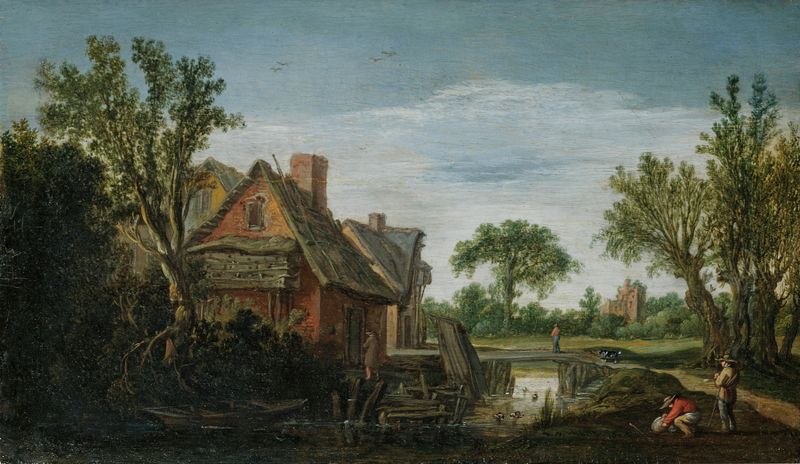
The Hague A Wooded River Landscape With Figures On A Path On A River Bank Beside A Village, A Bridge Beyond
Esaias van de Velde
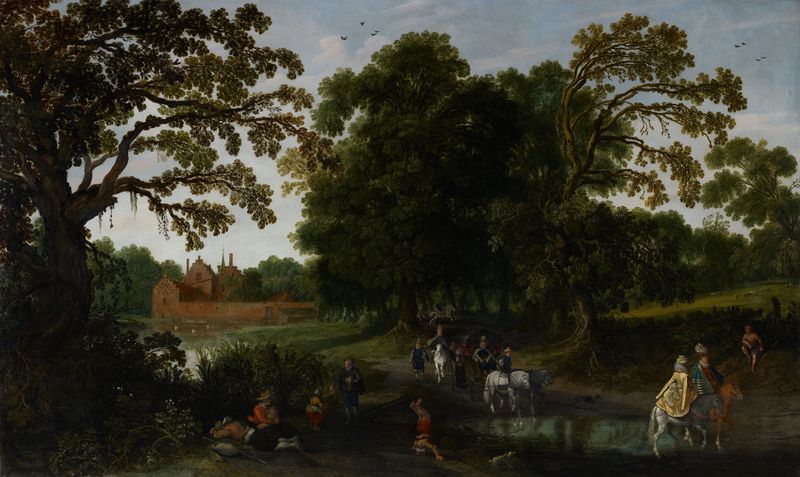
Courtly Procession before Abstpoel Castle
Esaias van de Velde
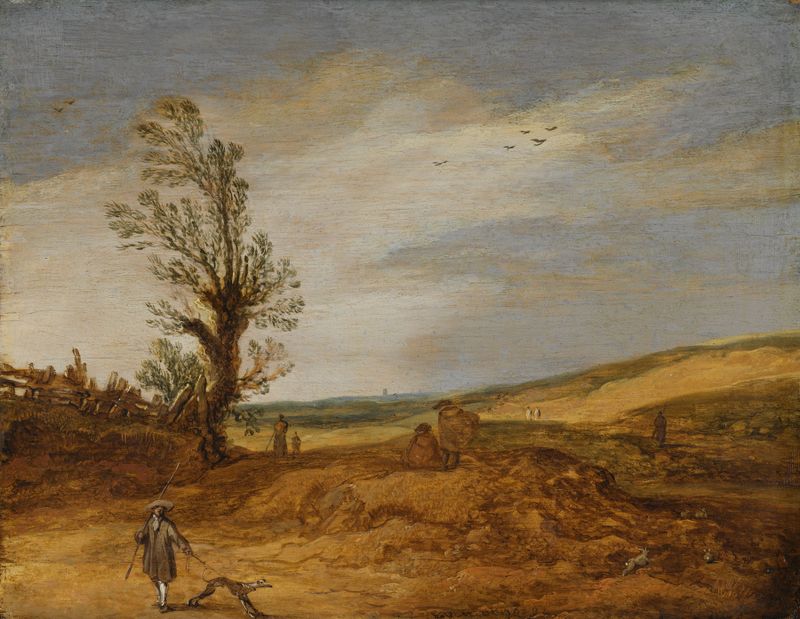
A View in the Dunes
Esaias van de Velde
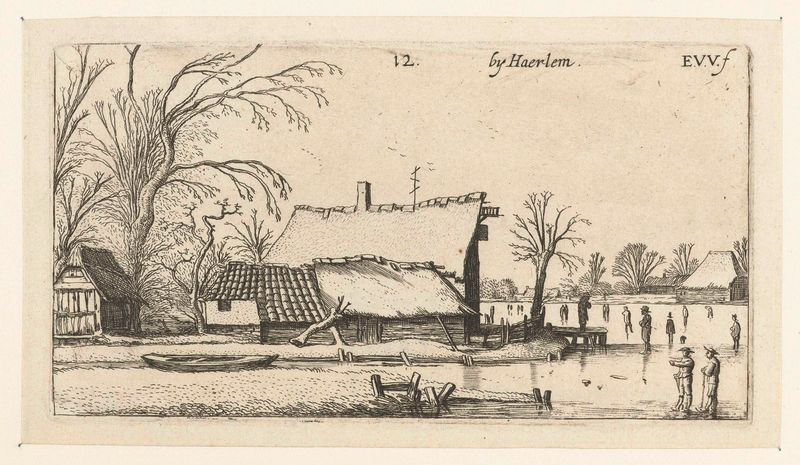
Boerderij bij een bevroren rivier met schaatsers
Esaias van de Velde
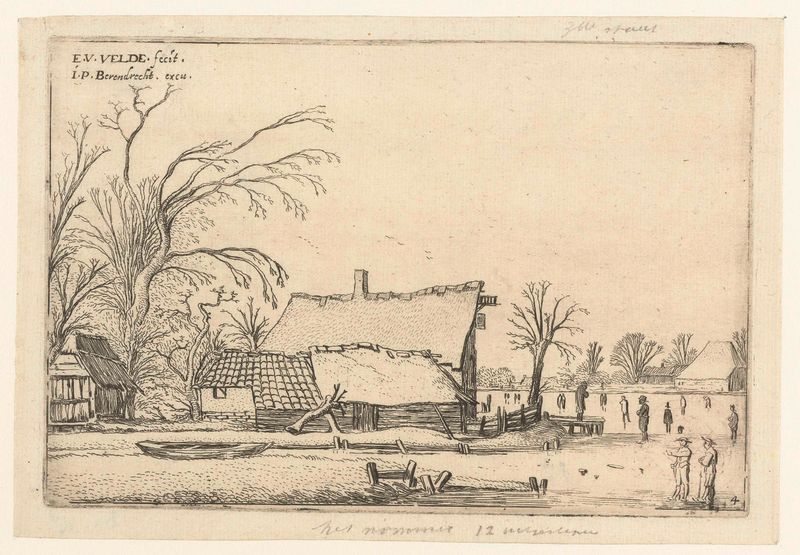
Boerderij bij een bevroren rivier met schaatsers
Esaias van de Velde
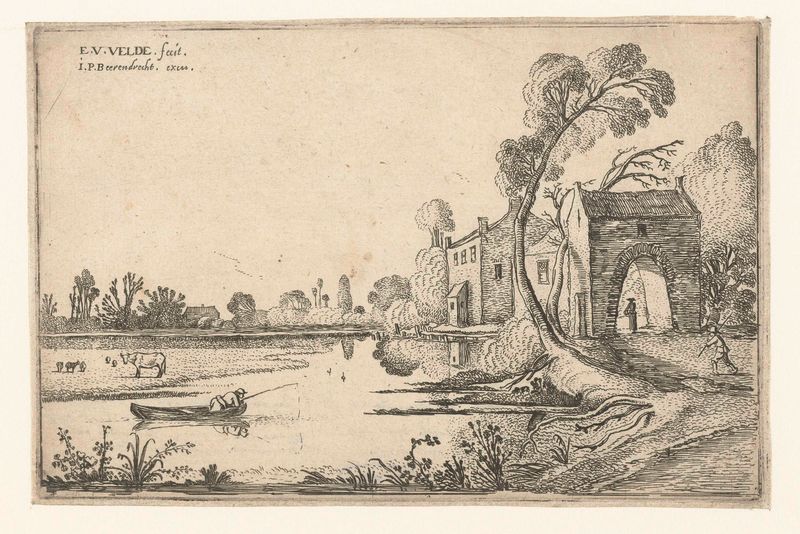
Landschap met rivier en poortgebouw
Esaias van de Velde
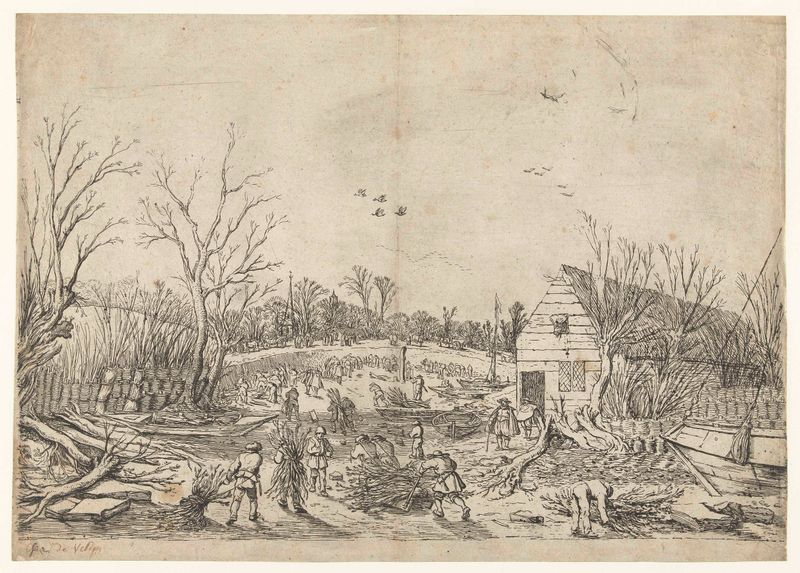
Herstelwerkzaamheden aan de doorgebroken Lekdijk bij 't Waal
Esaias van de Velde
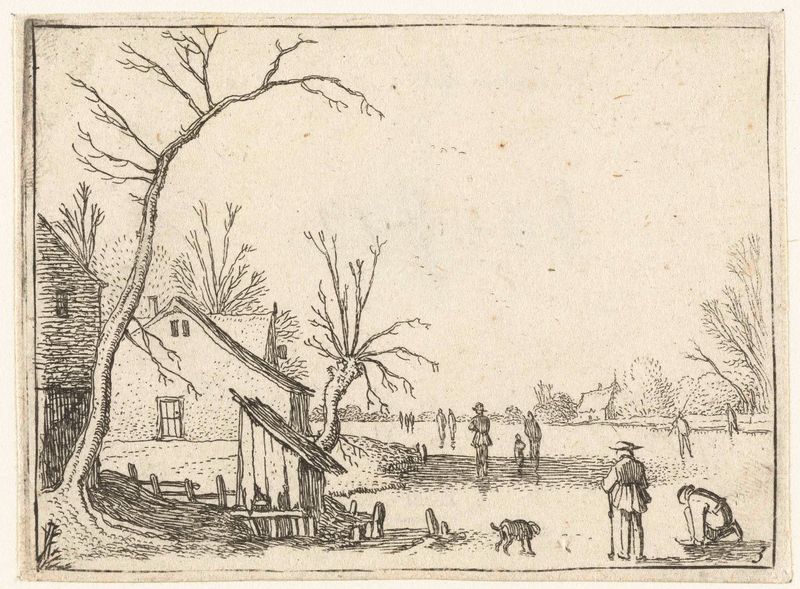
Boerderij bij bevroren rivier en schaatsers op het ijs
Esaias van de Velde
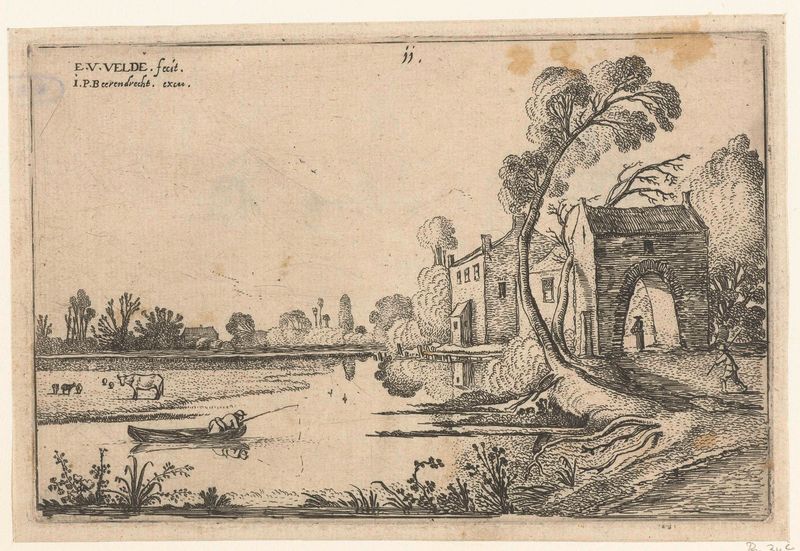
Landschap met een rivier en poortgebouw
Esaias van de Velde
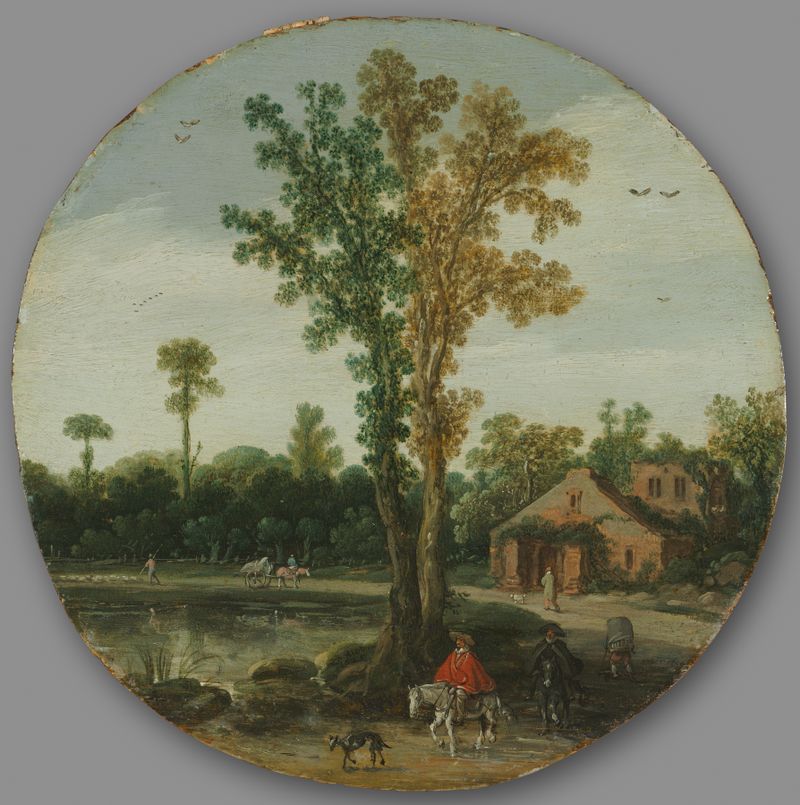
Travelers by a Lake
Esaias van de Velde





