
Dorpsgezicht met recht kanaal — History & Facts
It holds a mirror to a forgotten moment, a serene village where time seems to have paused, beckoning us to fill the void it presents. Look to the left at the gentle arch of the canal, its still waters reflecting the soft hues of a dusky sky. Notice how the delicate strokes define the thatched roofs of quaint houses, each one a silent witness to the life unfolding around it. The color palette is a harmony of earth tones and muted blues, enhancing the tranquil ambiance and inviting the eye to wander through the meticulously rendered landscape. As you explore further, consider the subtle interplay between light and shadow.
The figures, small and almost ghost-like, engage in their daily tasks, underscoring a sense of solitude amidst labor. They seem disconnected from their surroundings, hinting at the existential weight carried within the village. There’s a contrast between the vividness of nature and the stillness of human life, capturing the tension of existence in the simplest of scenes. Wenceslaus Hollar created this work in 1650 while living in the Netherlands, a time marked by both artistic flourishing and personal upheaval.
Having fled the Thirty Years' War, he found solace in capturing landscapes and scenes around him, reflecting a deep longing for stability amidst chaos. His attention to detail and skillful use of etching techniques allowed him to document the world as he saw it, inviting viewers into a serene yet contemplative space.
More Artworks by Wenceslaus Hollar
Browse all →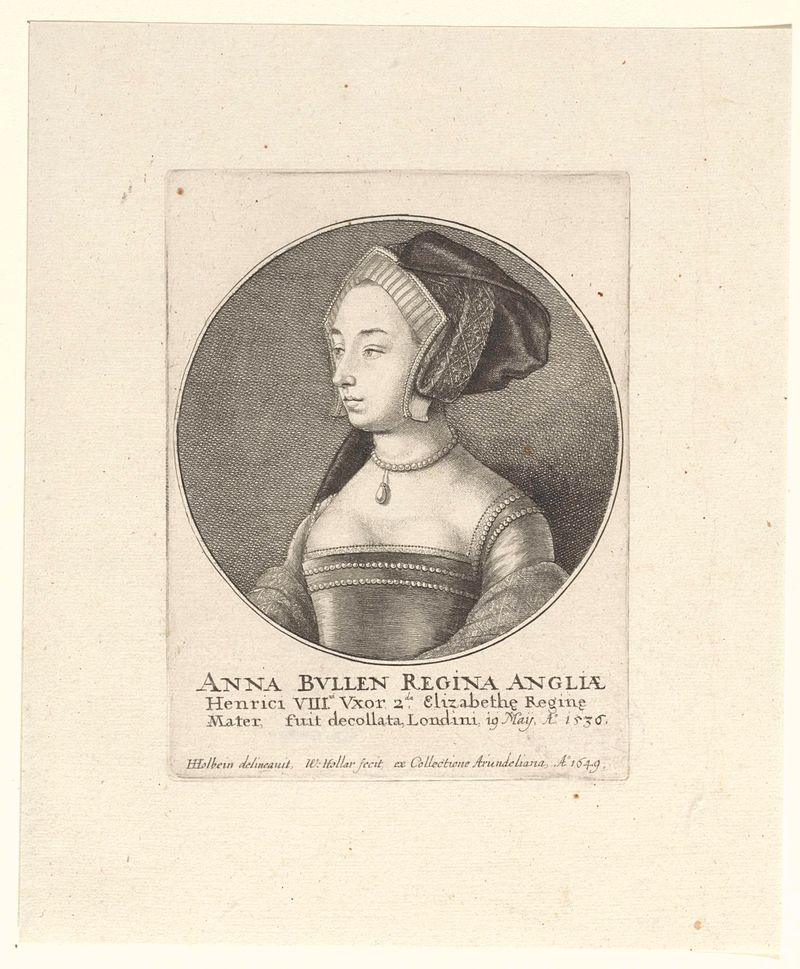
Portret van Anna Boleyn, koningin van Engeland
Wenceslaus Hollar
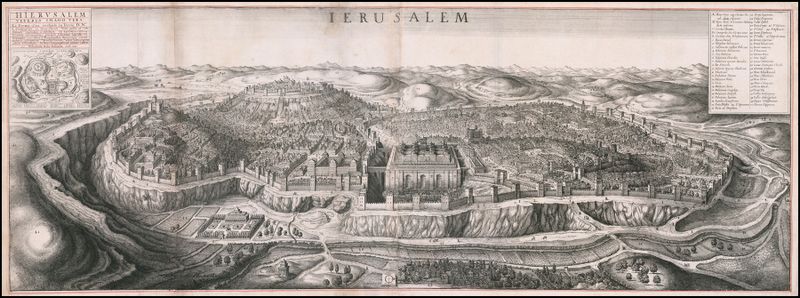
Bird’s eye view of Jerusalem
Wenceslaus Hollar
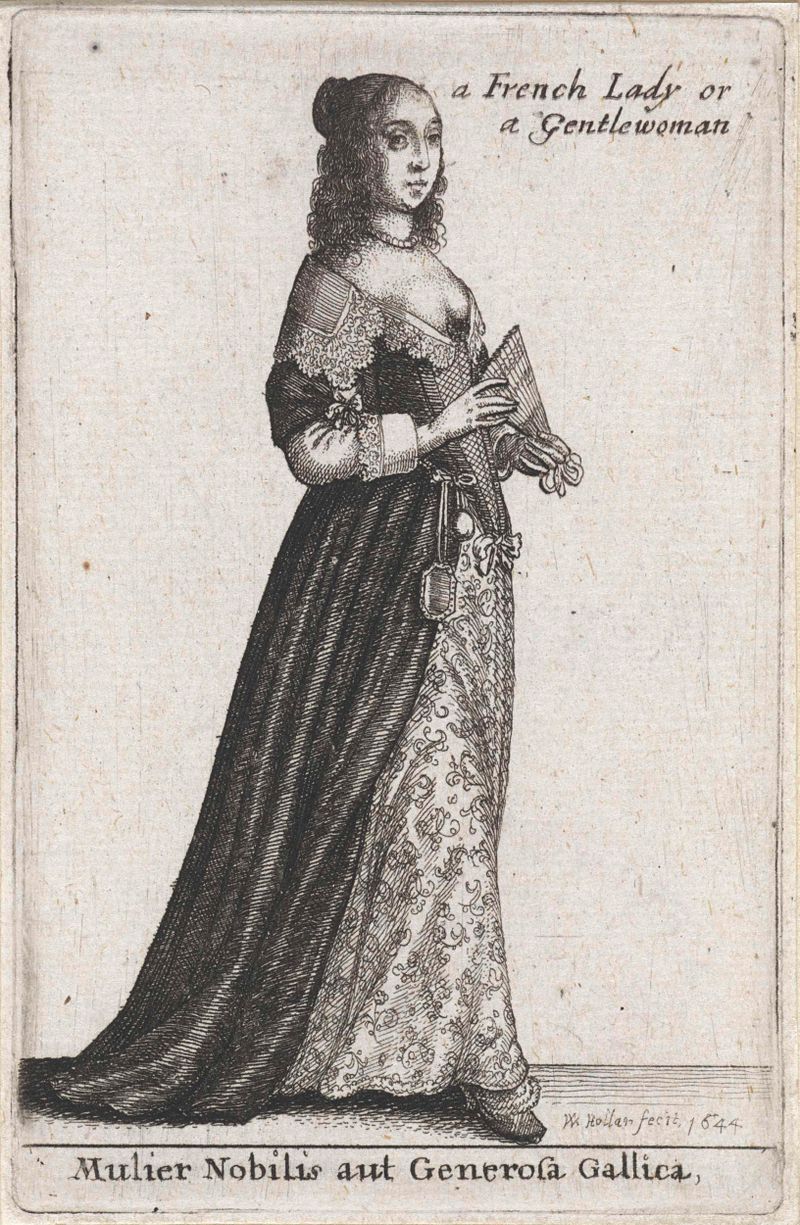
Mulier Nobilis aut Generosa Gallica / a French Lady or Gentlewoman
Wenceslaus Hollar
Titelprent voor: Ornatus Muliebris Anglicanus
Wenceslaus Hollar
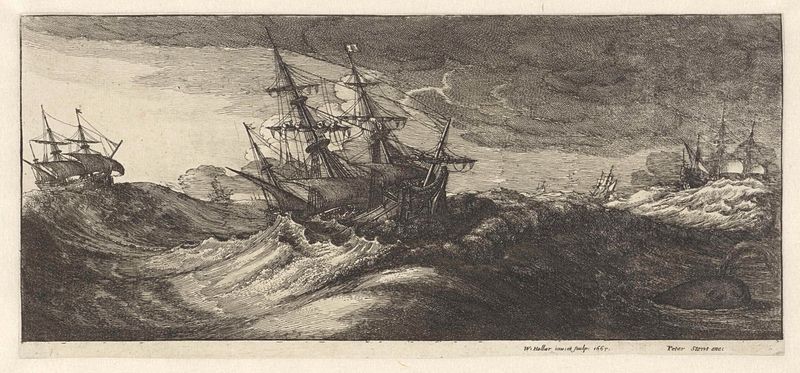
Oorlogsschepen en een walvis in een zeestorm
Wenceslaus Hollar
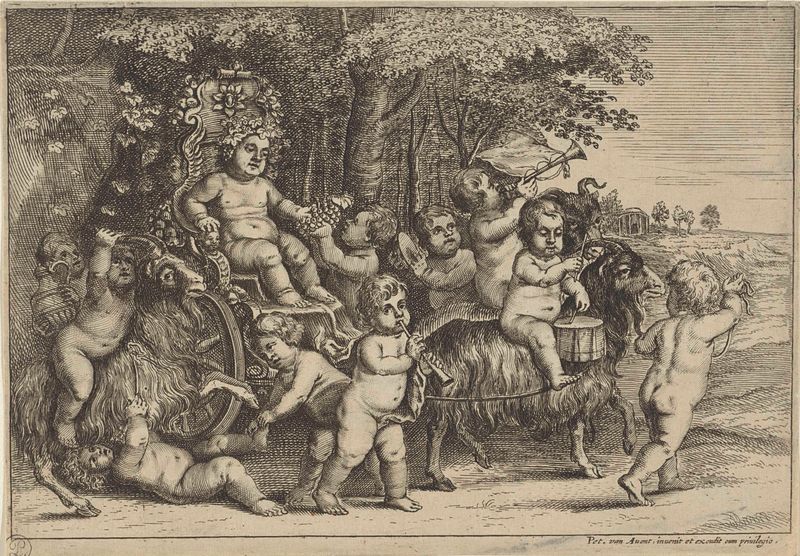
Optocht van bacchant en jongetjes op geiten
Wenceslaus Hollar
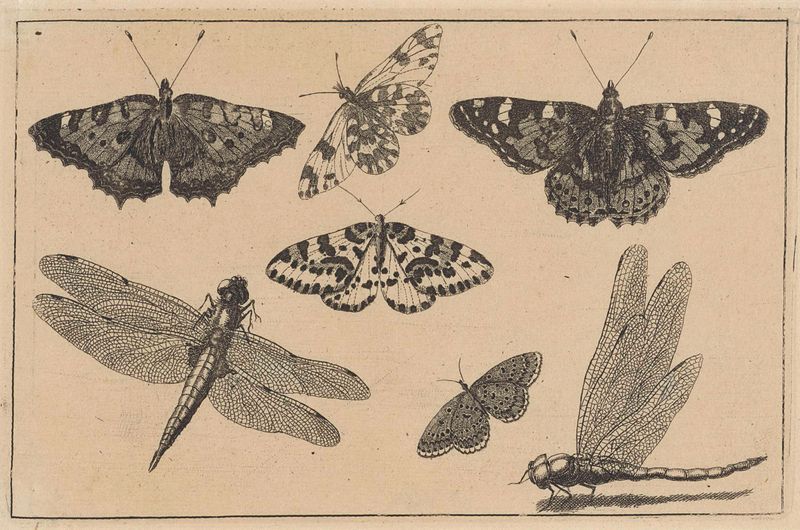
Twee libellen en vijf vlinders
Wenceslaus Hollar
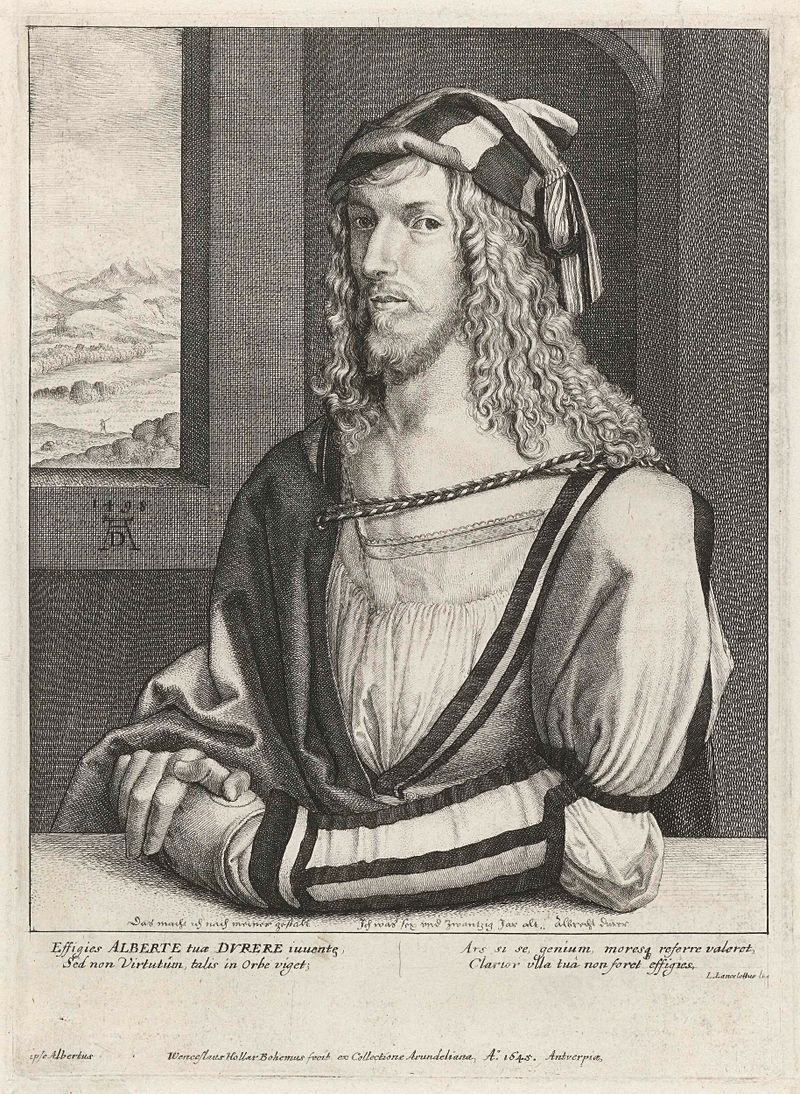
Portret van Albrecht Dürer
Wenceslaus Hollar
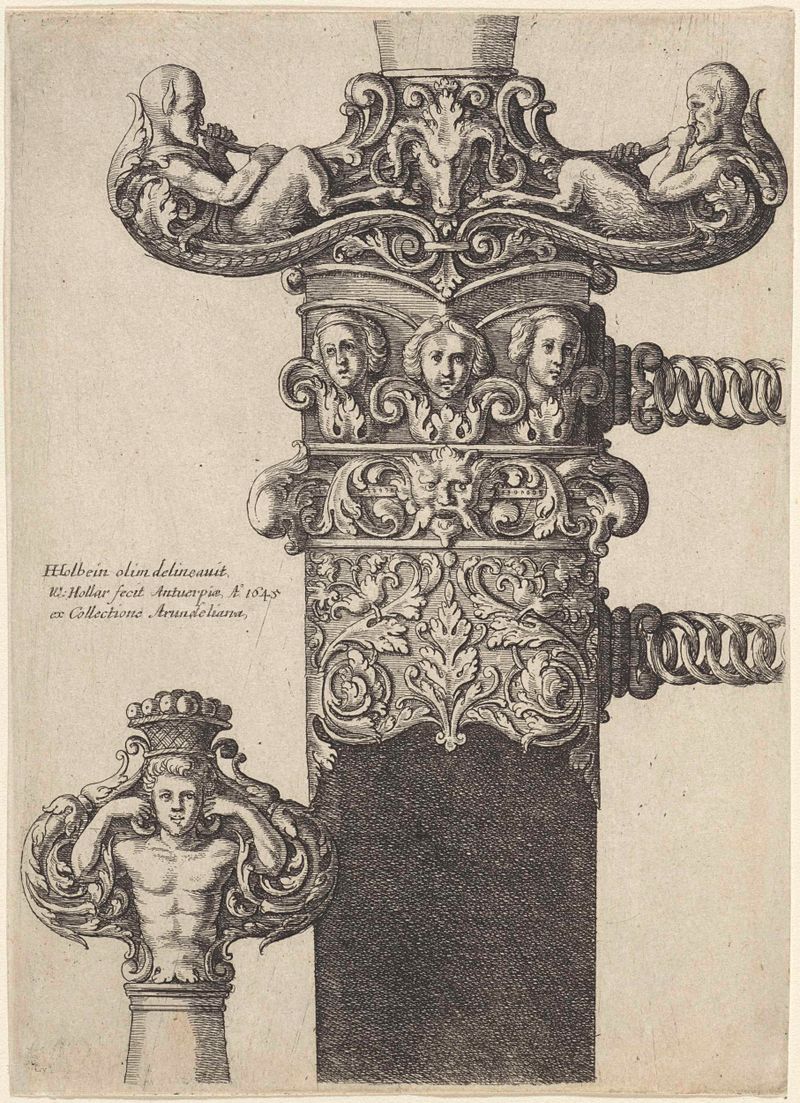
Ornamenteel ontwerp voor een dolk
Wenceslaus Hollar
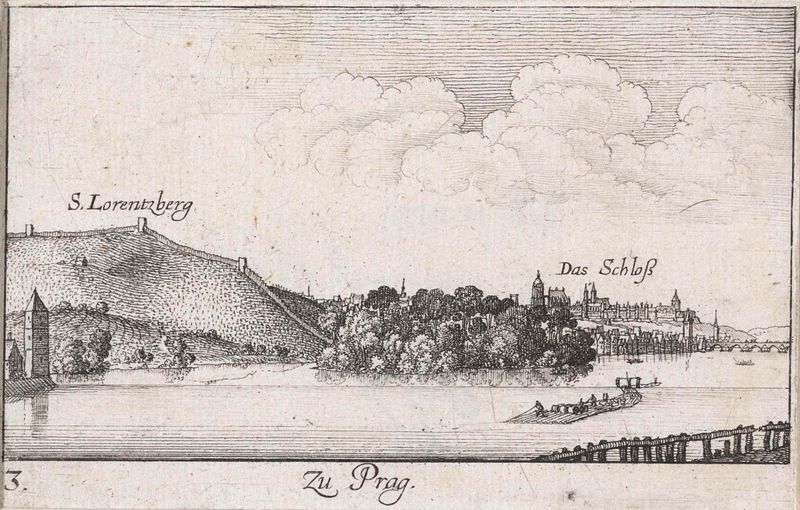
Gezicht op Praag vanaf de Moldau
Wenceslaus Hollar





