
Dover — History & Facts
In the sweeping vistas of nature, madness often lurks beneath the surface, waiting to be felt. Look to the horizon, where the sun drapes its golden light over the cliffs of Dover, illuminating the tumultuous sea beneath. The composition draws your eye toward the contrast between the vibrant colors of the sky and the muted tones of the landscape, creating a tension that feels almost surreal. Notice how the brushstrokes capture the wildness of the waves, swirling with an energy that echoes the chaos of the human spirit.
Each element is meticulously rendered, yet seems to dance with an unpredictable liveliness, just like the mind teetering on the edge. Delve deeper into the shadows of this scene; they whisper of solitude and the weight of expectation. The cliffs, majestic yet imposing, symbolize both refuge and madness, representing the duality of nature's beauty and the struggles that come with it. The dramatic contrast of light and dark serves as a reminder that even the most breathtaking landscapes can harbor inner turmoil — a reflection on the artist’s own psychological battles.
The waves crash with urgency, suggesting the persistent pull of the sea, akin to the relentless tide of human emotion. Richard Wilson painted this work between 1746 and 1747, during a period when he was emerging as a prominent figure in British landscape painting. Amidst the evolving art world, where a newfound appreciation for the sublime was taking shape, he sought to capture the beauty and complexity of nature, ultimately revealing the fragile line between sanity and madness. As he stood before the cliffs, he transformed personal struggles into timeless landscapes, inviting viewers into a dialogue with their own inner chaos.
More Artworks by Richard Wilson
Browse all →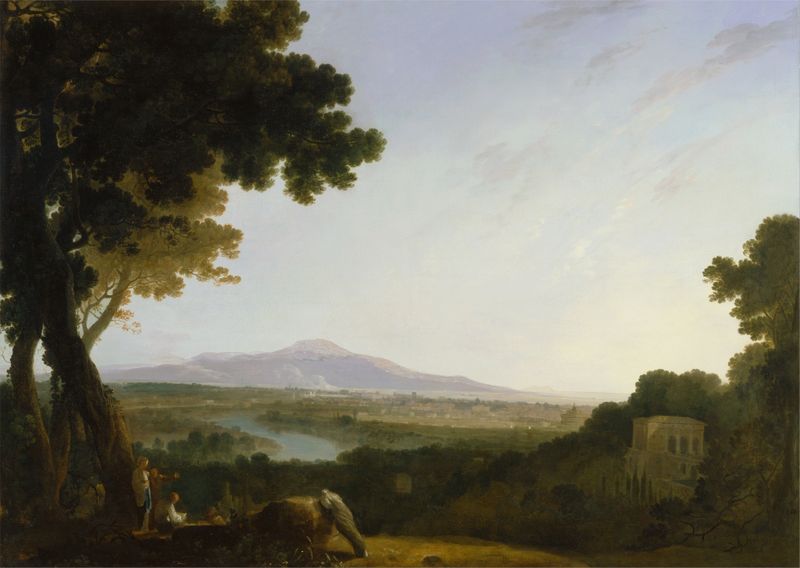
Rome from the Villa Madama
Richard Wilson
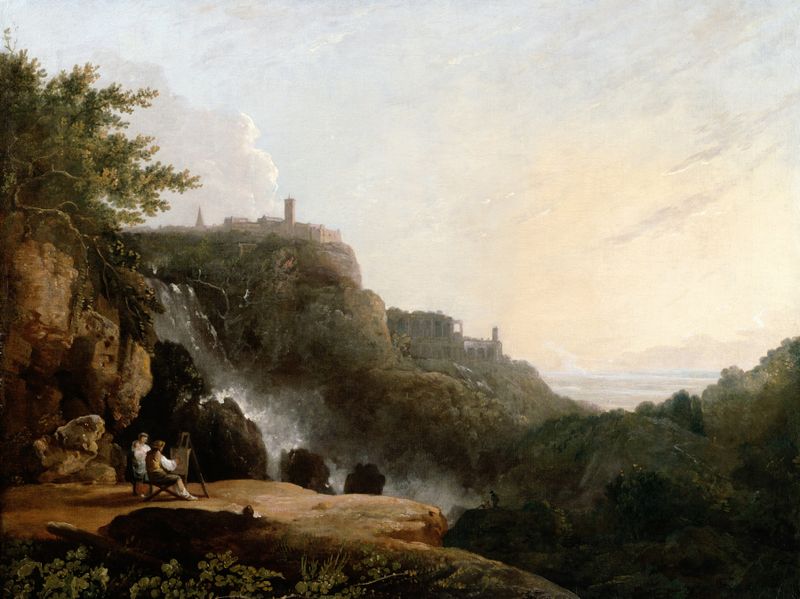
View of Tivoli- the Cascatelle and the ‘Villa of Maecenas’
Richard Wilson
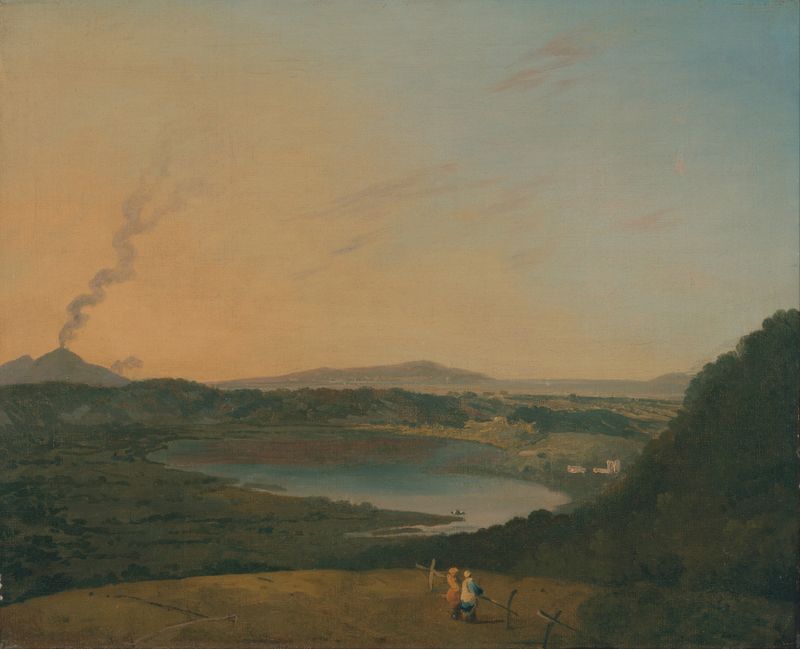
Lago d’Agnano with Vesuvius in the distance
Richard Wilson
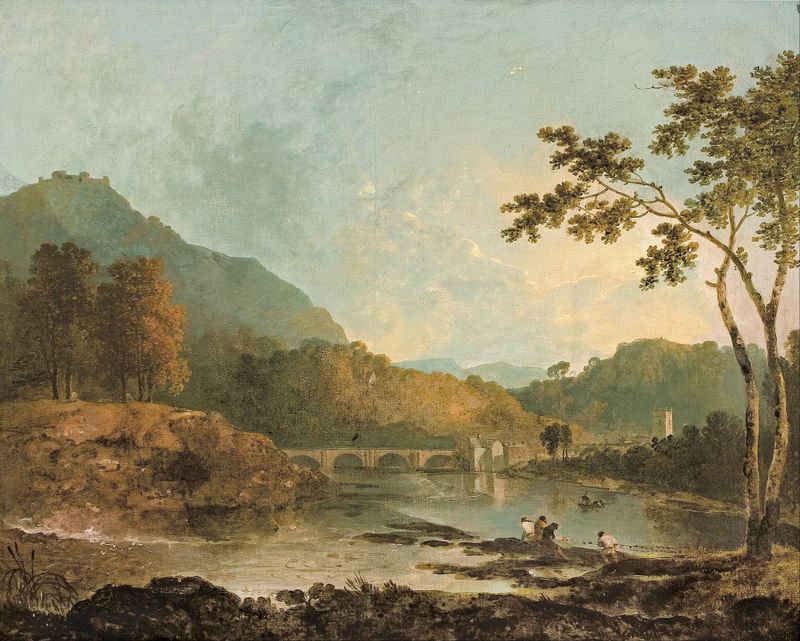
Dinas Bran from Llangollen
Richard Wilson
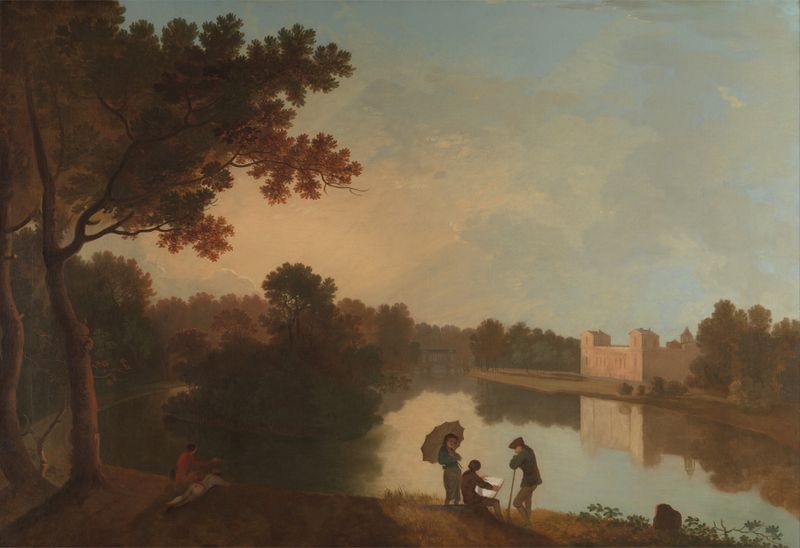
Wilton House from the Southeast
Richard Wilson
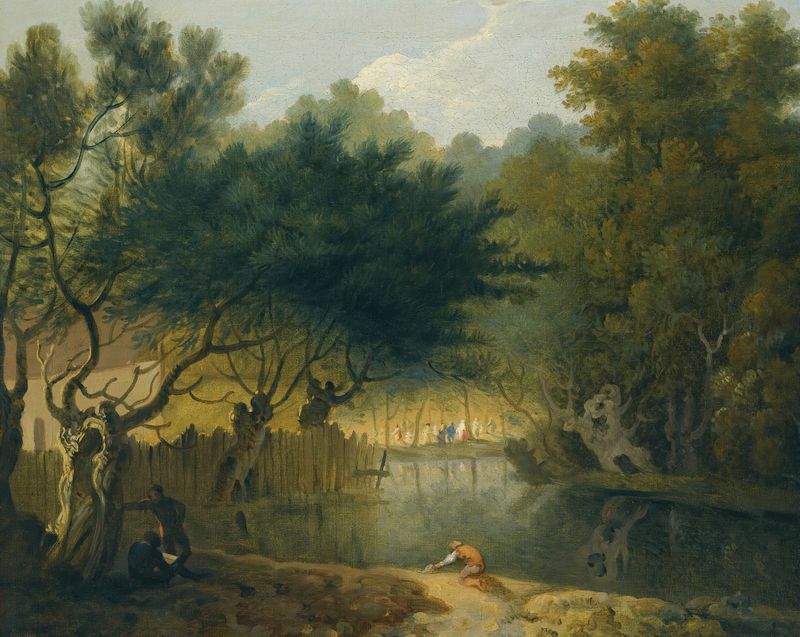
A View Of St. James’s Park, London
Richard Wilson
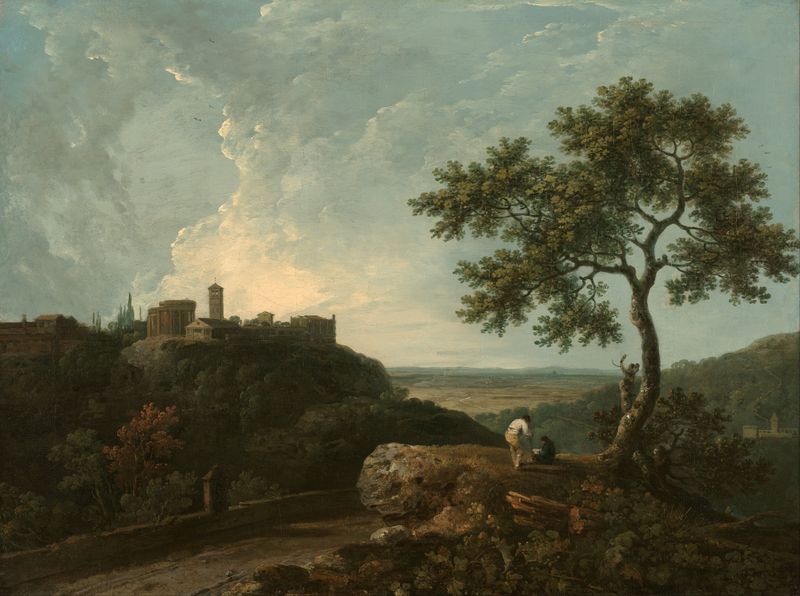
Tivoli- The Temple of the Sybil and the Campagna
Richard Wilson
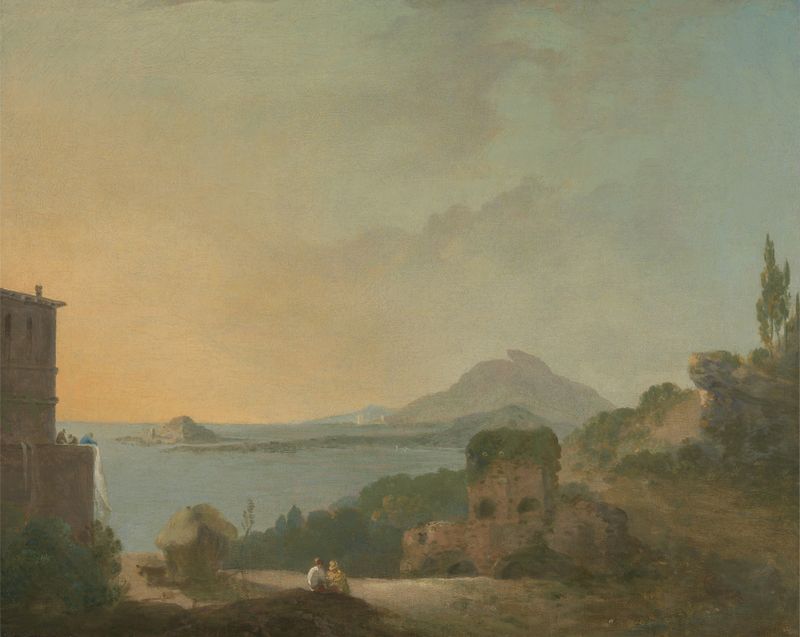
Cicero’s Villa and the Gulf of Pozzuoli
Richard Wilson
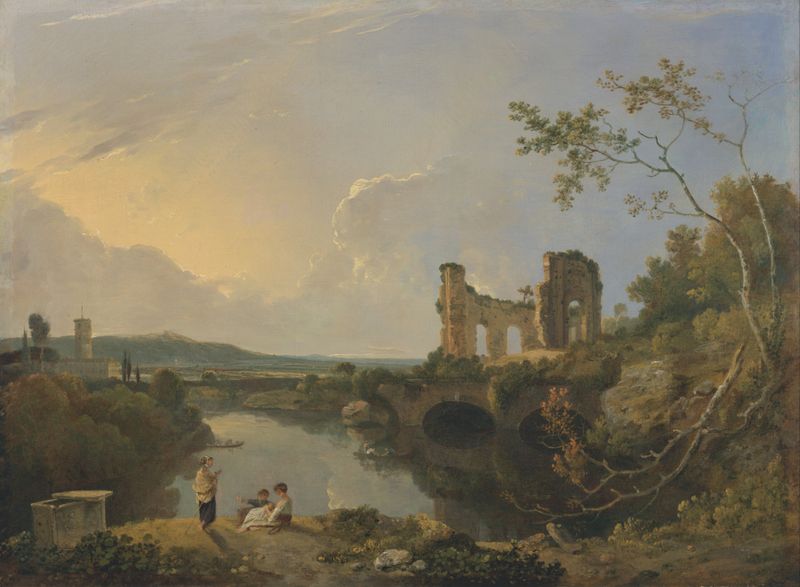
Italian Landscape (Morning)
Richard Wilson
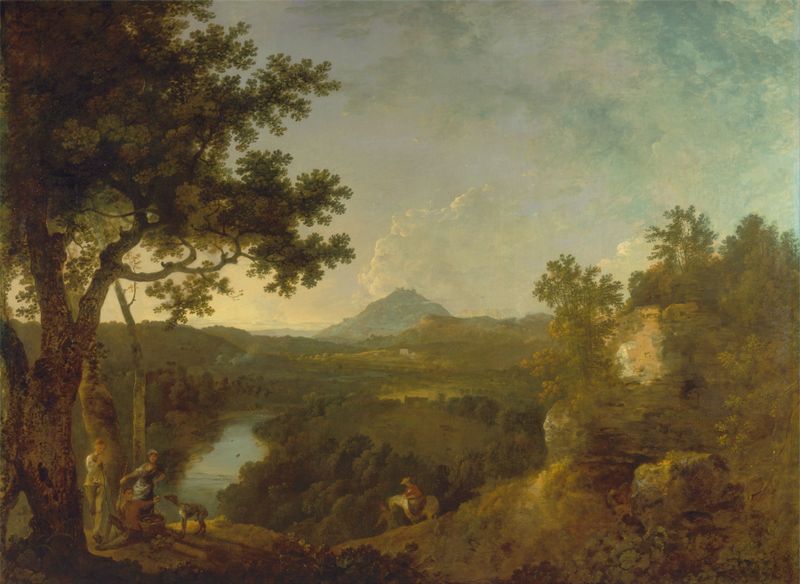
View near Wynnstay, the Seat of Sir Watkin Williams-Wynn, BT.
Richard Wilson





