Dresden at Sunset — History & Facts
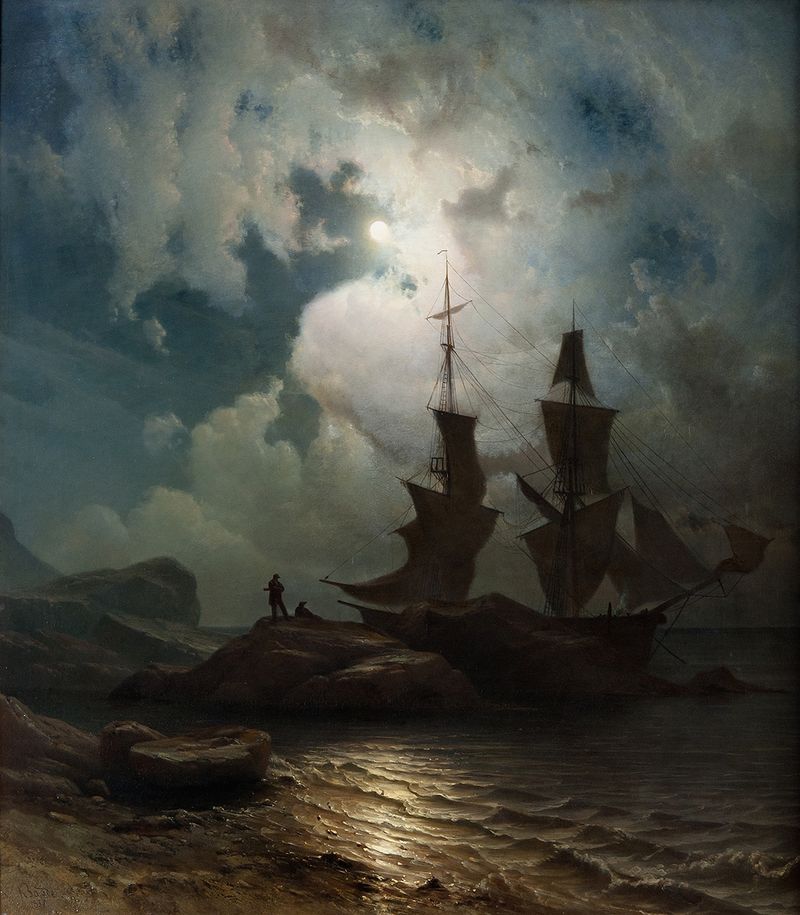
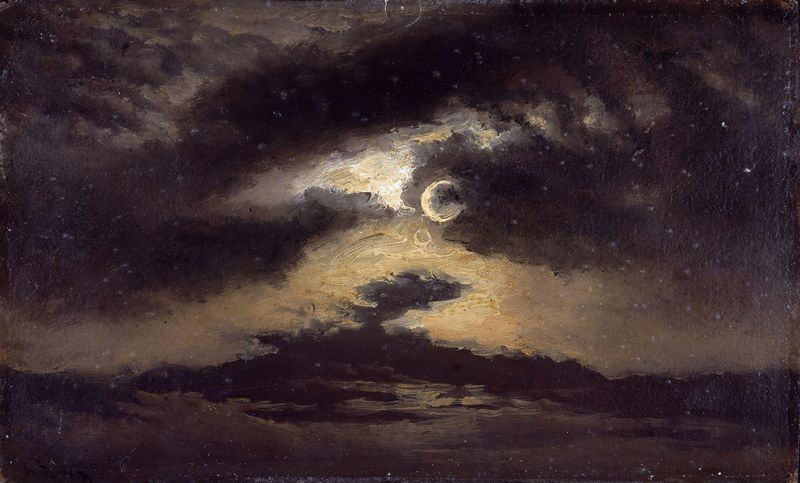
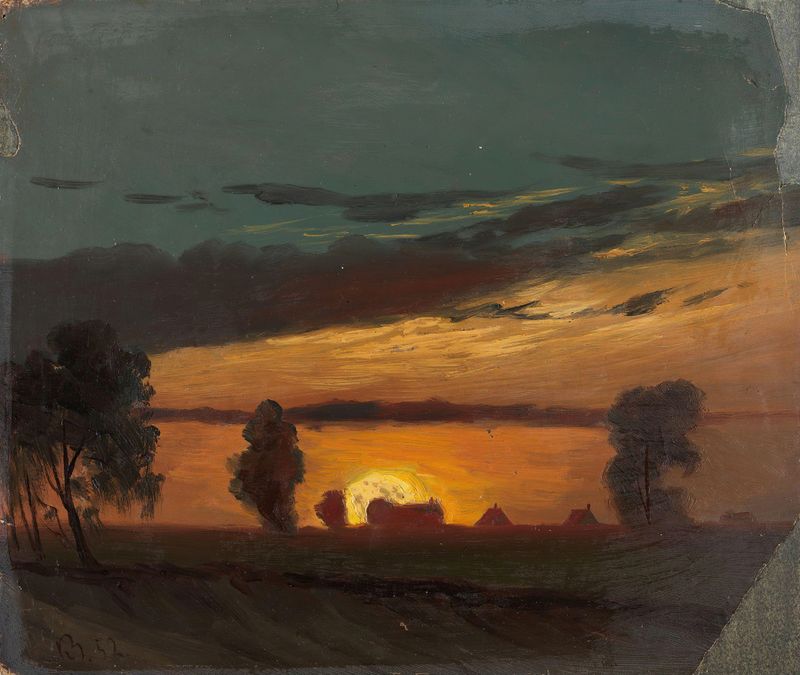
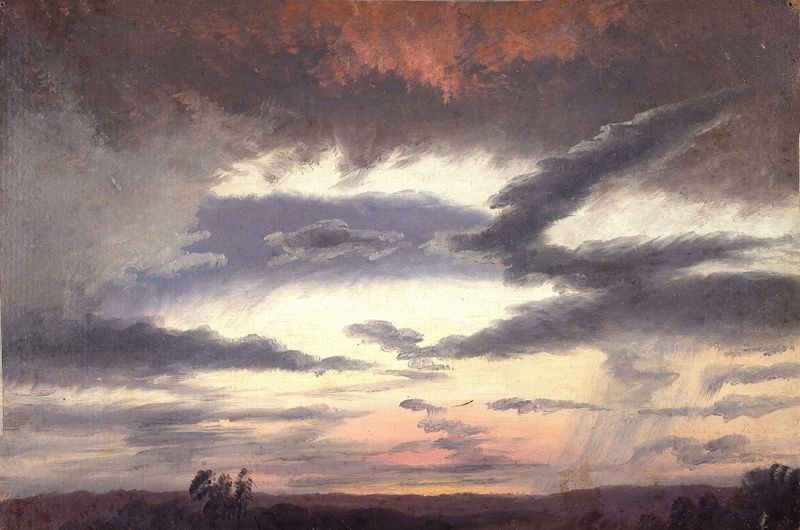
What if colors could whisper secrets of a city at dusk, revealing its soul in every hue? Look closely at the canvas, where a serene blend of oranges and purples melds across the sky. Focus on the horizon; the sun’s dying light spills across the river like molten gold, illuminating the silhouette of Dresden’s skyline. Notice the gentle strokes that carry the weight of clouds, their rich tones contrasting the cool blue shadows of the water below, inviting you to lose yourself in the tranquil yet vibrant scene. The interplay of light and shadow tells a story of transitional beauty, a moment suspended between day and night.
The warm palette evokes nostalgia, while the cool undertones speak of impending darkness. The delicate brushwork in the clouds suggests both movement and stillness, embodying the tension of an evening that holds both promise and farewell. Each color choice is intentional, rooting the viewer in a specific emotional resonance that transcends time. Created in 1838, the artist was in Dresden, a city deeply influenced by the Romantic movement, which sought to capture the sublime beauty of nature and human emotion.
This was a period of significant change in art; as the old world began to fade, new currents were emerging, inviting artists to explore their inner landscapes. Baade, with his affinity for atmospheric effects, contributed to this shift, blending realism with ethereal qualities that resonate in Dresden at Sunset.