
Dresden in Moonlight — History & Facts
Could beauty survive in a century of chaos? In the haunting glow of twilight, the ephemeral nature of existence whispers through the canvas, challenging our perceptions of life and mortality. Look to the left, where the silhouettes of ancient structures rise against the backdrop of a deep blue sky, their forms softened by the moonlight. Notice how the delicate strokes of white and pale yellow create an ethereal glow that bathes the buildings in serenity, contrasting with the shadows that linger in the corners, hinting at the darkness of human experience. The stillness of the water reflects this haunting beauty, mirroring the architectural grandeur while inviting contemplation on the passage of time. Yet, within this tranquil scene lies a deeper narrative.
The interplay of light and shadow speaks to the fragility of life, suggesting that beauty is both a refuge and a fleeting moment in the face of impending chaos. Each brushstroke carries an emotional weight, emphasizing the juxtaposition between the permanence of the structures and the transience of the moonlight that envelops them, evoking a sense of longing for a world that persists despite its inevitable decline. Created during the early 19th century, Johan Christian Dahl painted this work amidst a growing Romantic movement, characterized by a fascination with nature and emotion. Living in Dresden, a city that had endured considerable upheaval, Dahl’s focus on capturing light and atmosphere reflected both his personal quest for beauty and the broader artistic shift toward expressing the sublime amidst change.
This period of his life serves as a testament to the resilience of art in the face of mortality and chaos.
More Artworks by Johan Christian Dahl
Browse all →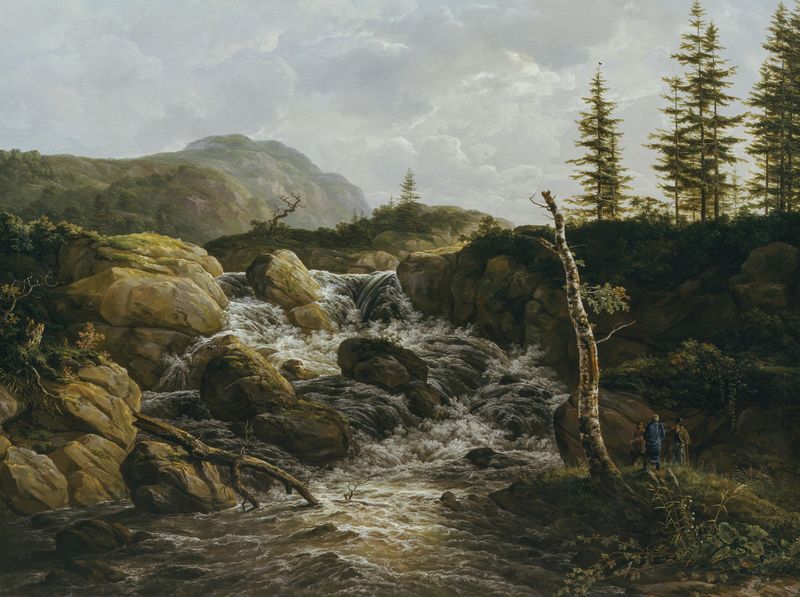
Mountainous Landscape with a Waterfall, Norway
Johan Christian Dahl
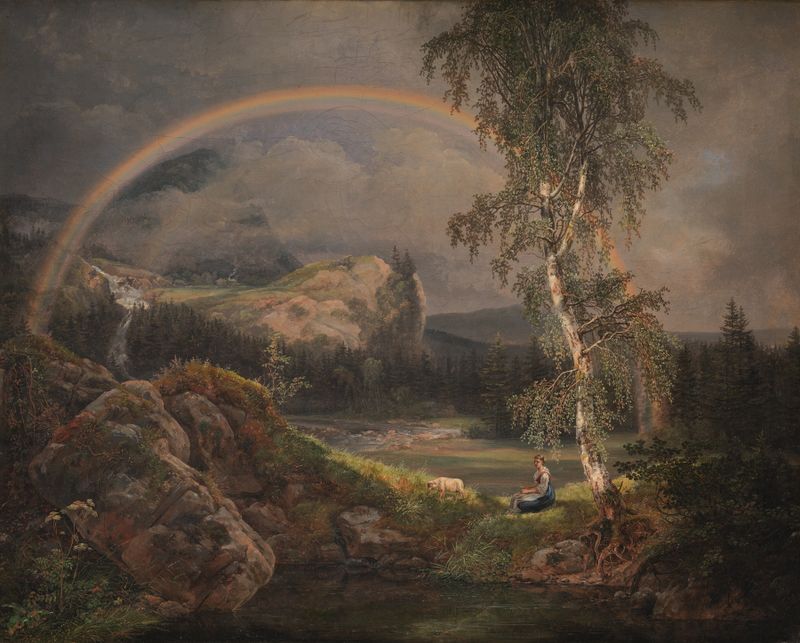
Norwegian Landscape with a Rainbow
Johan Christian Dahl
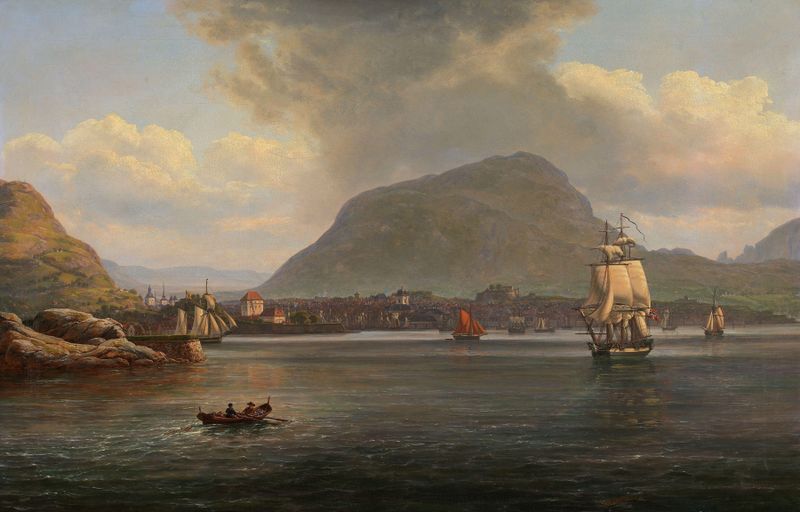
Bergen seen from the northern Inlet
Johan Christian Dahl
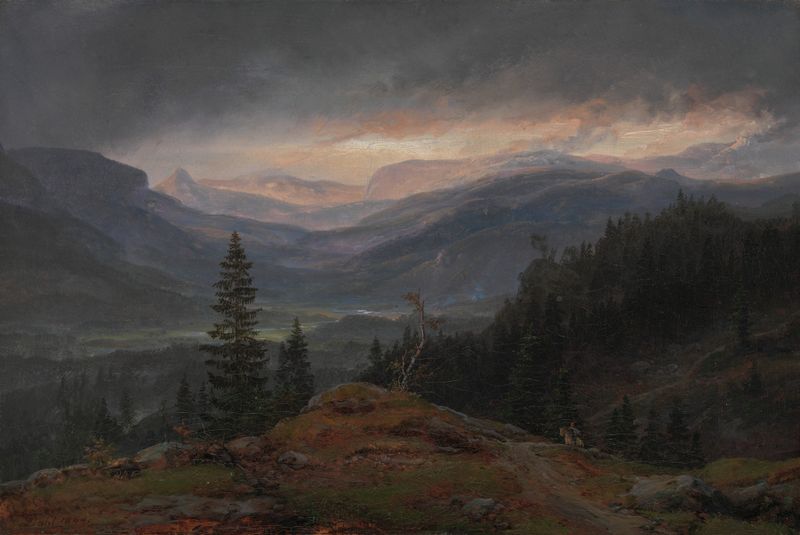
View over Hallingdal
Johan Christian Dahl
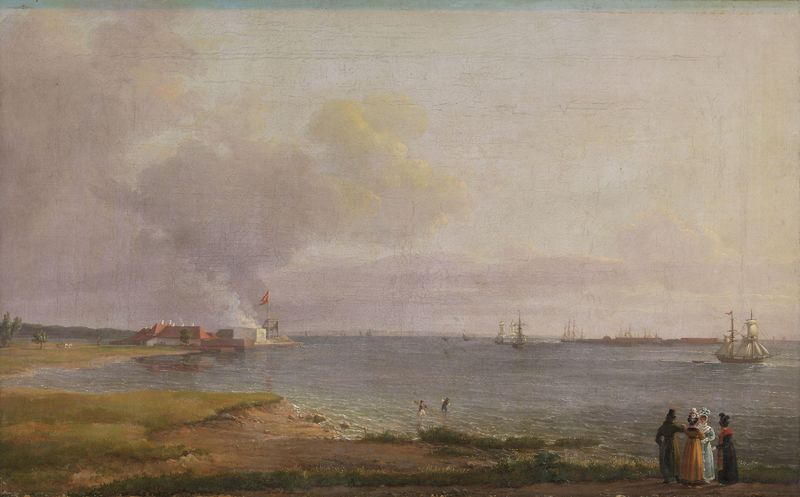
View over Øresund near the Lime Works
Johan Christian Dahl
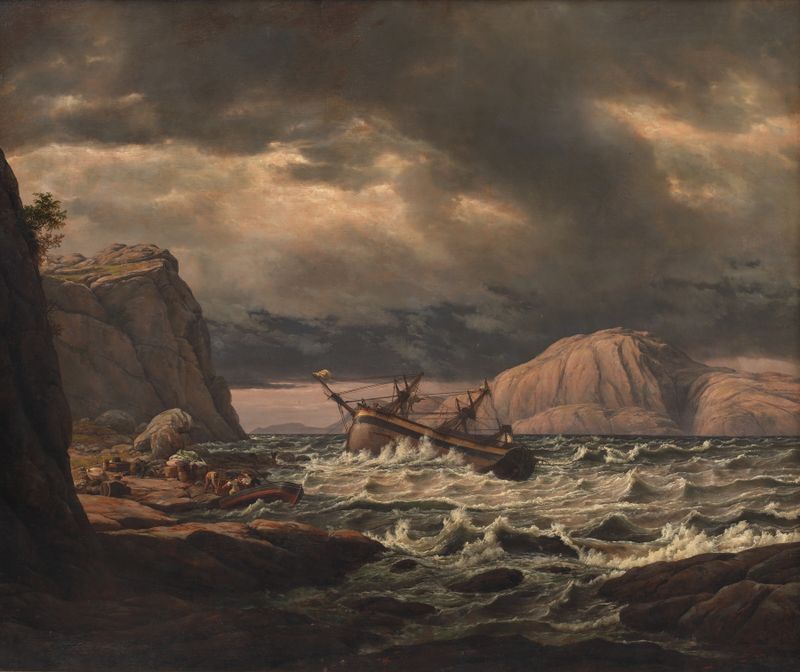
A Shipwreck on the Coast of Norway
Johan Christian Dahl
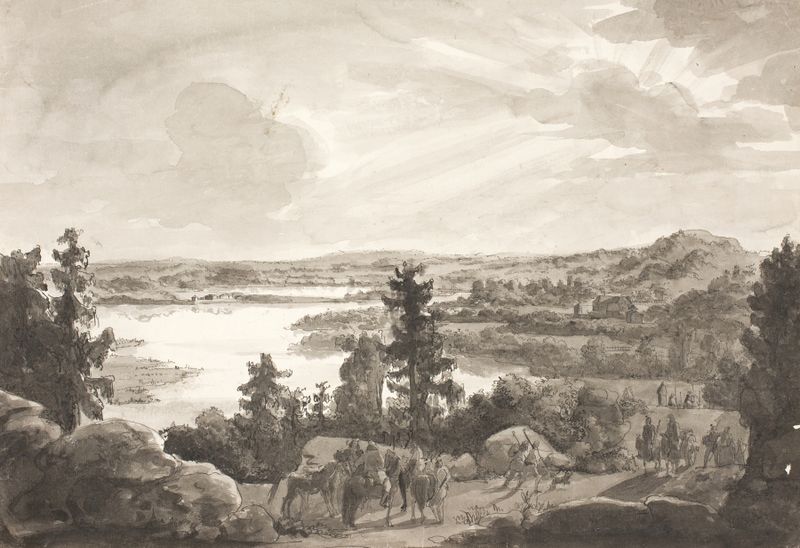
View of a Lake, Norway
Johan Christian Dahl
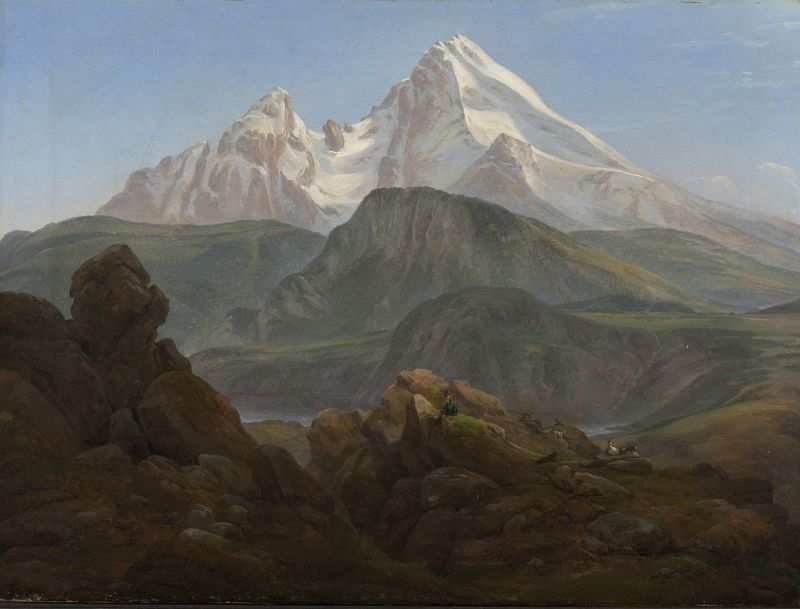
The Watzmann
Johan Christian Dahl
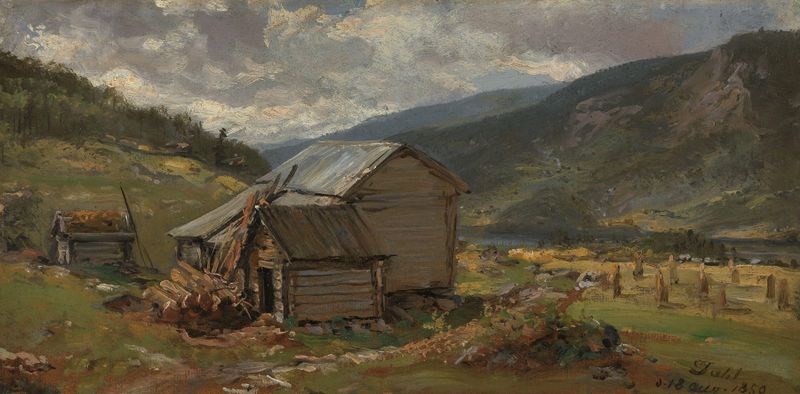
View of Hjelle in Valdres
Johan Christian Dahl

View At Skjolden In Lyster
Johan Christian Dahl





