Drie luipaarden en twee jongetjes — History & Facts
In an age where nature's ferocity and human existence intertwine, mortality dances delicately on the edge of every brushstroke. Look to the center of the canvas where two young boys stand, their innocence stark against the looming presence of three leopards. The vibrant ochres and deep greens highlight the lush environment that surrounds them, almost inviting yet foreboding. Notice how the light captures the gleaming eyes of the leopards, hinting at the wild and untamed nature of the world just beyond the edge of childhood.
Each element is painted with a precision that draws the viewer in, allowing us to grasp the tension between the soft naivety of the boys and the primal instinct of the predators. The juxtaposition of innocence and danger raises profound questions about life’s fragility. The boys, seemingly oblivious to the threat posed by the leopards, symbolize the unawareness of youth in the face of inevitable mortality. Conversely, the leopards embody the raw power of nature, reminding us that life is not just about existence but survival.
This poignant contrast serves as a meditation on the fleeting nature of childhood, where the joys and perils of life coexist uneasily. Completed between 1644 and 1652, this work emerged during a tumultuous period in Hollar's life, marked by displacement and the impacts of the Thirty Years' War. Living in London and grappling with the challenges of exile, Hollar's artistry flourished amid uncertainty, reflecting both personal struggles and the broader complexities of human existence during the Baroque period.
More Artworks by Wenceslaus Hollar
Browse all →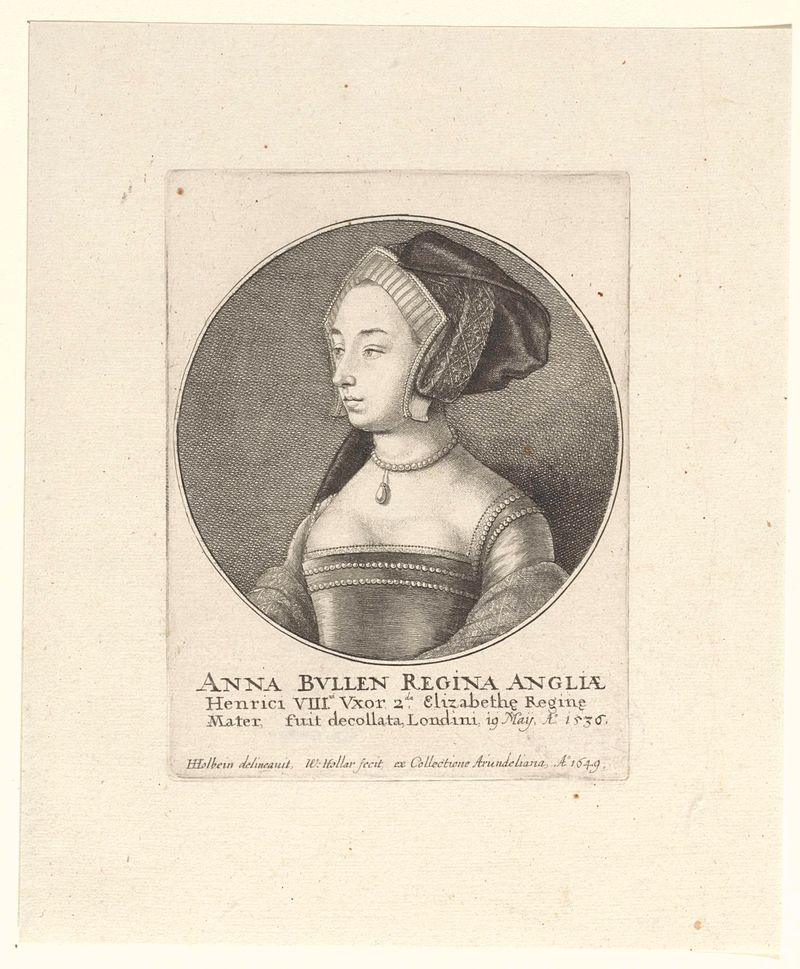
Portret van Anna Boleyn, koningin van Engeland
Wenceslaus Hollar
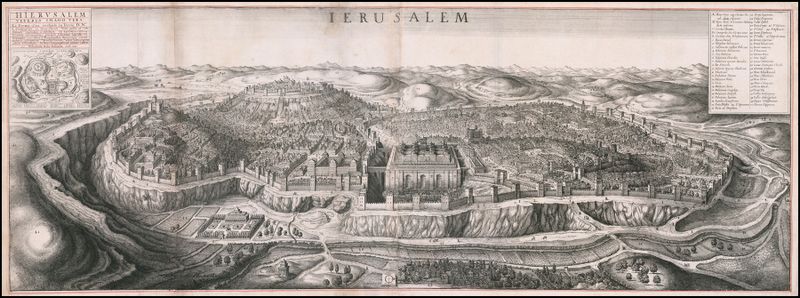
Bird’s eye view of Jerusalem
Wenceslaus Hollar
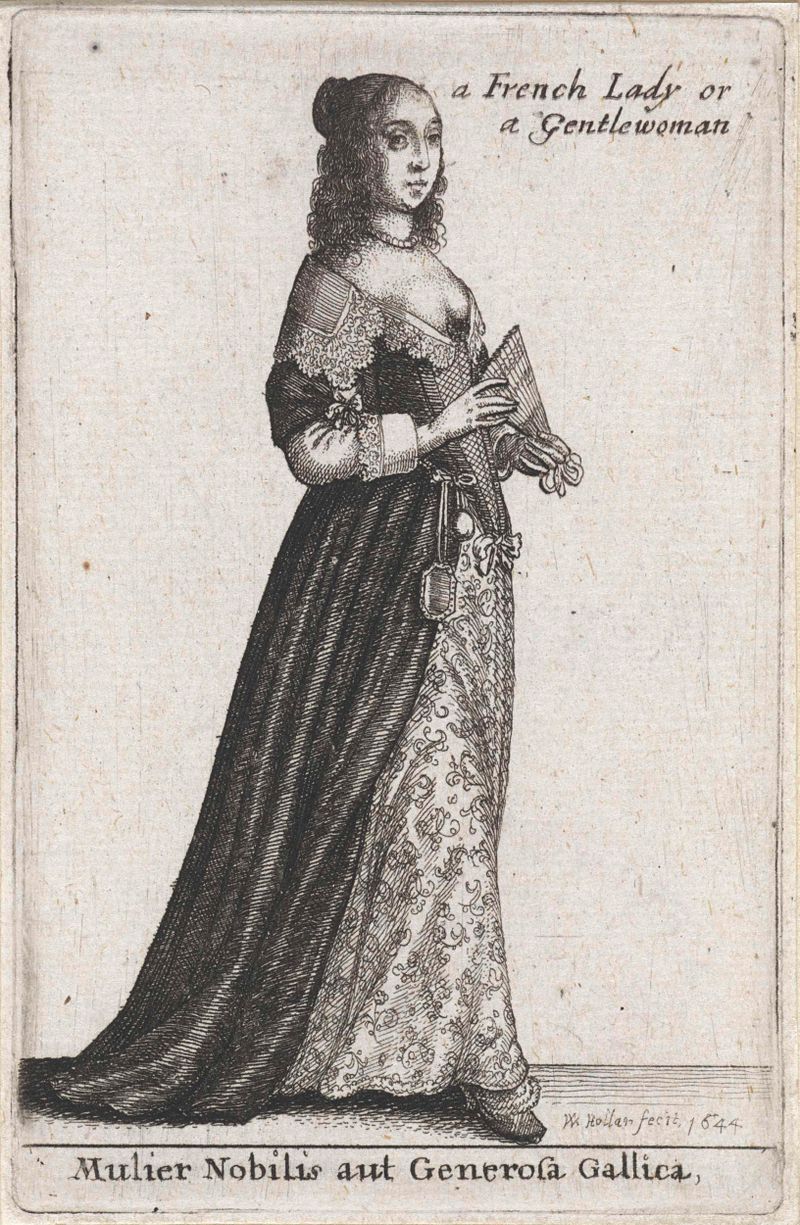
Mulier Nobilis aut Generosa Gallica / a French Lady or Gentlewoman
Wenceslaus Hollar
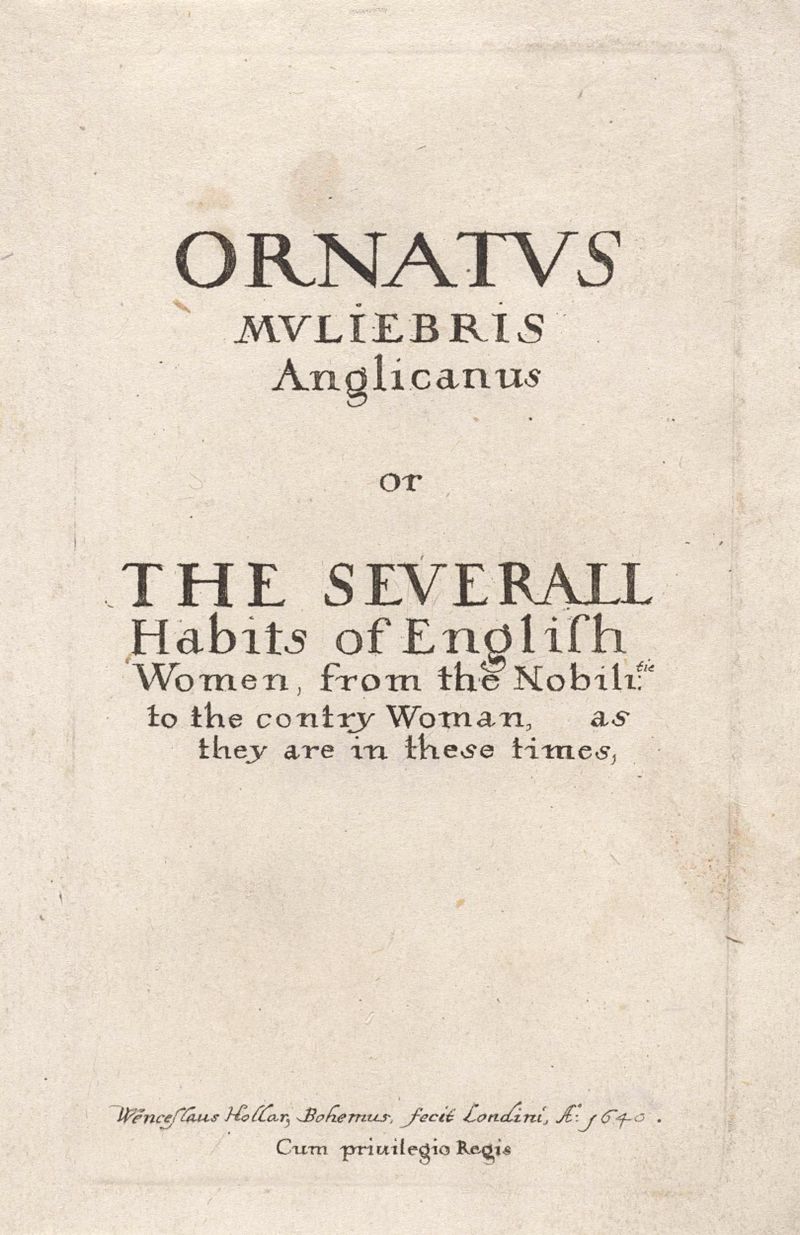
Titelprent voor: Ornatus Muliebris Anglicanus
Wenceslaus Hollar
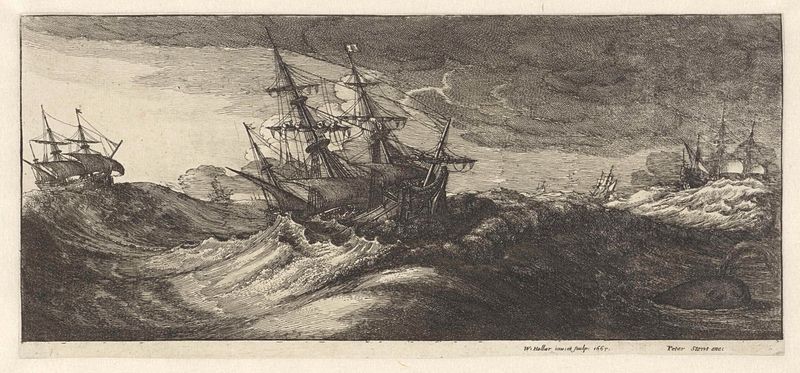
Oorlogsschepen en een walvis in een zeestorm
Wenceslaus Hollar
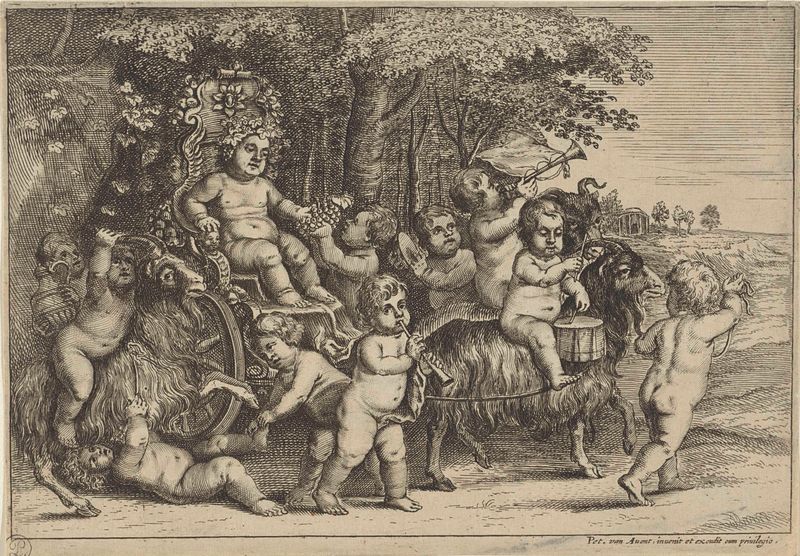
Optocht van bacchant en jongetjes op geiten
Wenceslaus Hollar
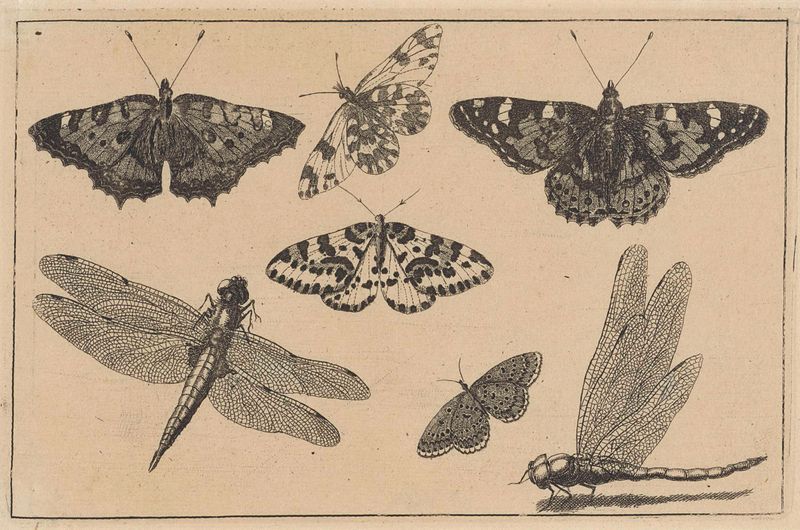
Twee libellen en vijf vlinders
Wenceslaus Hollar
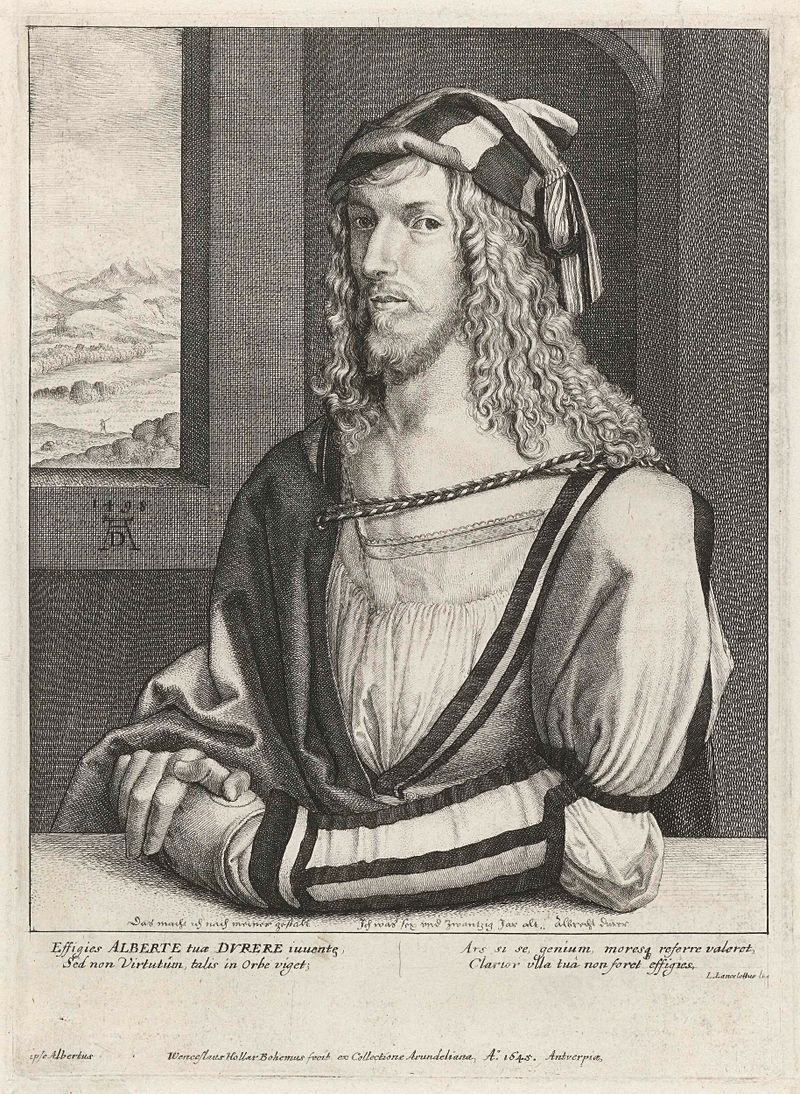
Portret van Albrecht Dürer
Wenceslaus Hollar
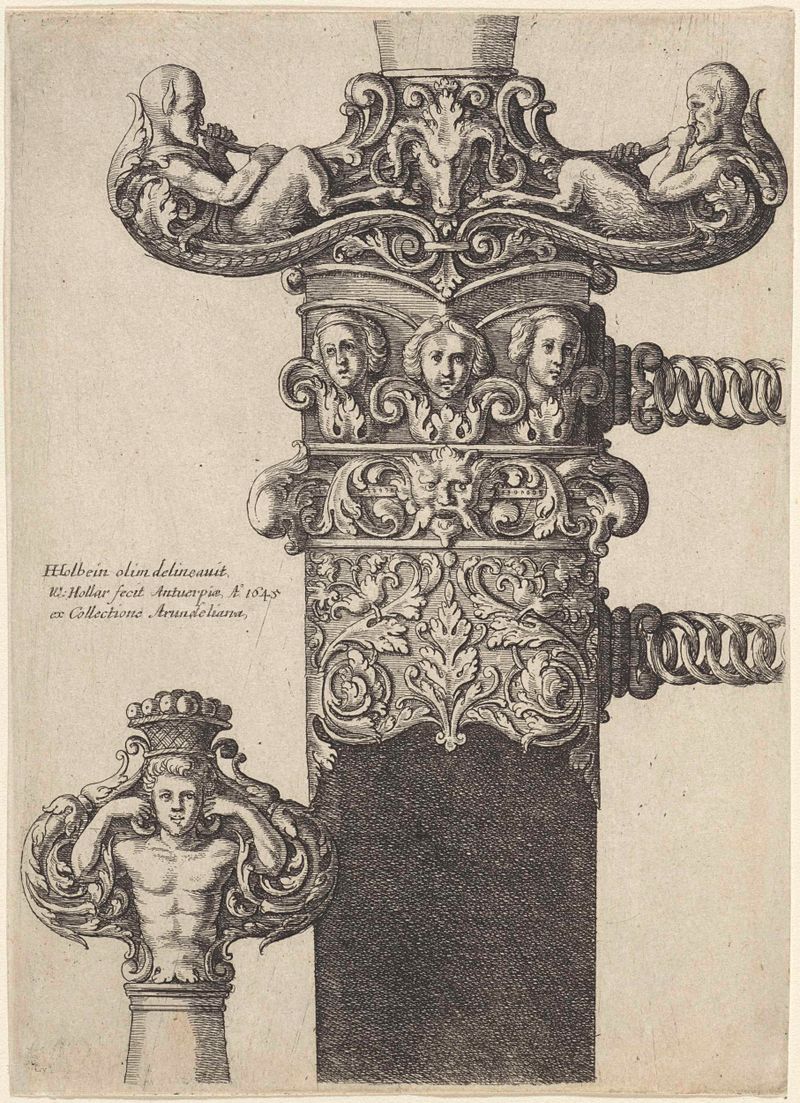
Ornamenteel ontwerp voor een dolk
Wenceslaus Hollar
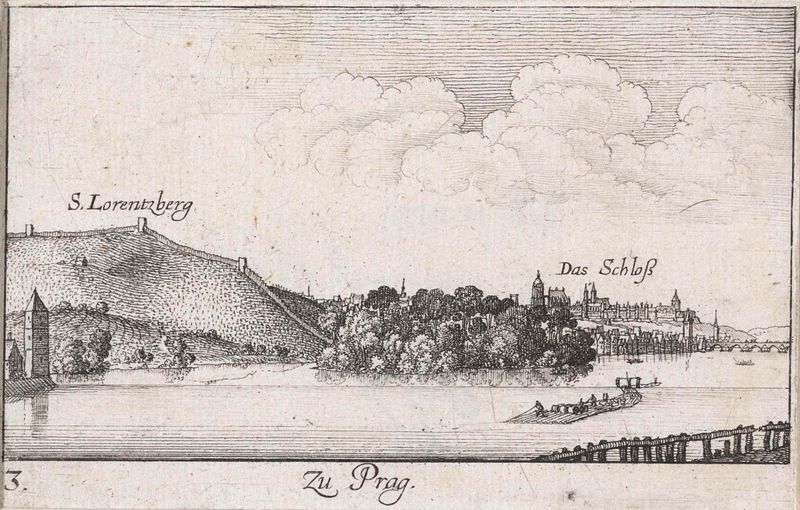
Gezicht op Praag vanaf de Moldau
Wenceslaus Hollar