Drie reigers — History & Facts
Did the painter know this moment would outlive them? In a world where the ephemeral often shadows the eternal, Drie reigers captures a fleeting yet profound stillness that teeters on the edge of madness. Focus on the trio of herons poised gracefully on the water's surface, their stark white feathers juxtaposing against a muted landscape. The intricate lines and delicate shading reveal Hollar’s mastery of detail, drawing the viewer’s eye through their elegant forms and the subtle ripples in the water. Notice how the light dances on the surface, illuminating the herons' silhouettes while casting a soft shadow that hints at both presence and absence, creating a tension between the seen and the unseen. This work invites contemplation on solitude and coexistence—three figures, each embodying a different facet of isolation amidst nature’s beauty.
The quiet serenity of the herons contrasts sharply with the chaos of the world beyond the frame, suggesting an underlying madness within the stillness. Their poised stance speaks to a shared moment that feels both tranquil and precarious, as if they are caught in a delicate balance that could tip into chaos at any moment. Wenceslaus Hollar painted this piece between 1654 and 1662, during his time in London after fleeing the Thirty Years’ War in Europe. His work embodies the shift in artistic focus towards nature and meticulous observation during the Baroque period, reflecting both a personal escape from turmoil and a broader artistic movement that sought to capture the essence of existence amid a changing world.
More Artworks by Wenceslaus Hollar
Browse all →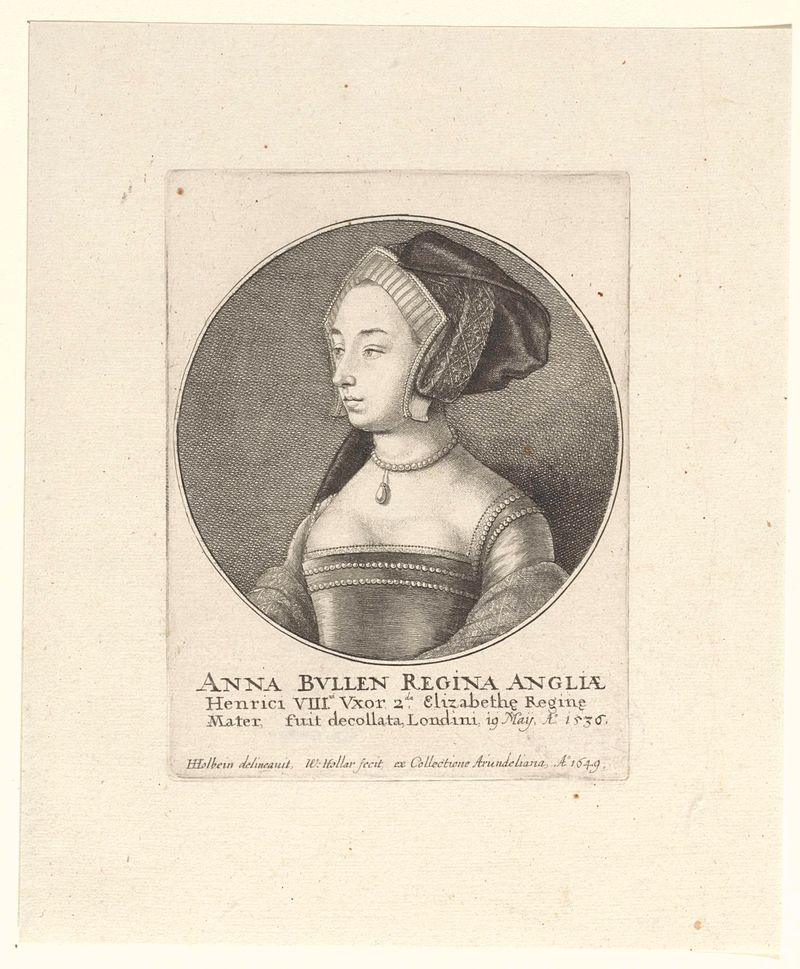
Portret van Anna Boleyn, koningin van Engeland
Wenceslaus Hollar
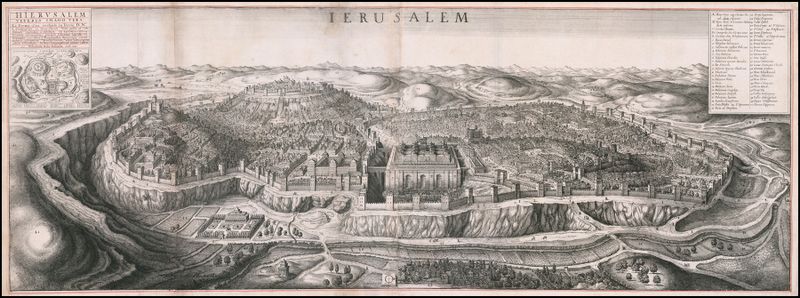
Bird’s eye view of Jerusalem
Wenceslaus Hollar
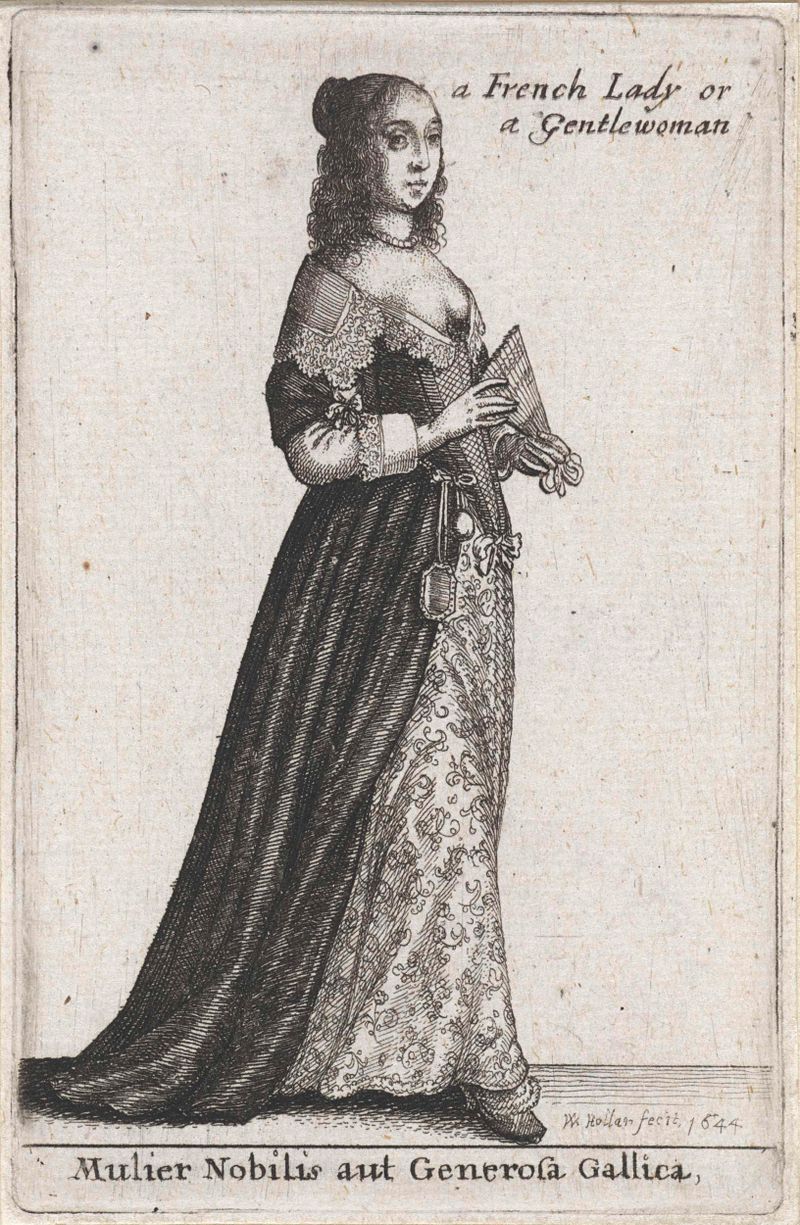
Mulier Nobilis aut Generosa Gallica / a French Lady or Gentlewoman
Wenceslaus Hollar
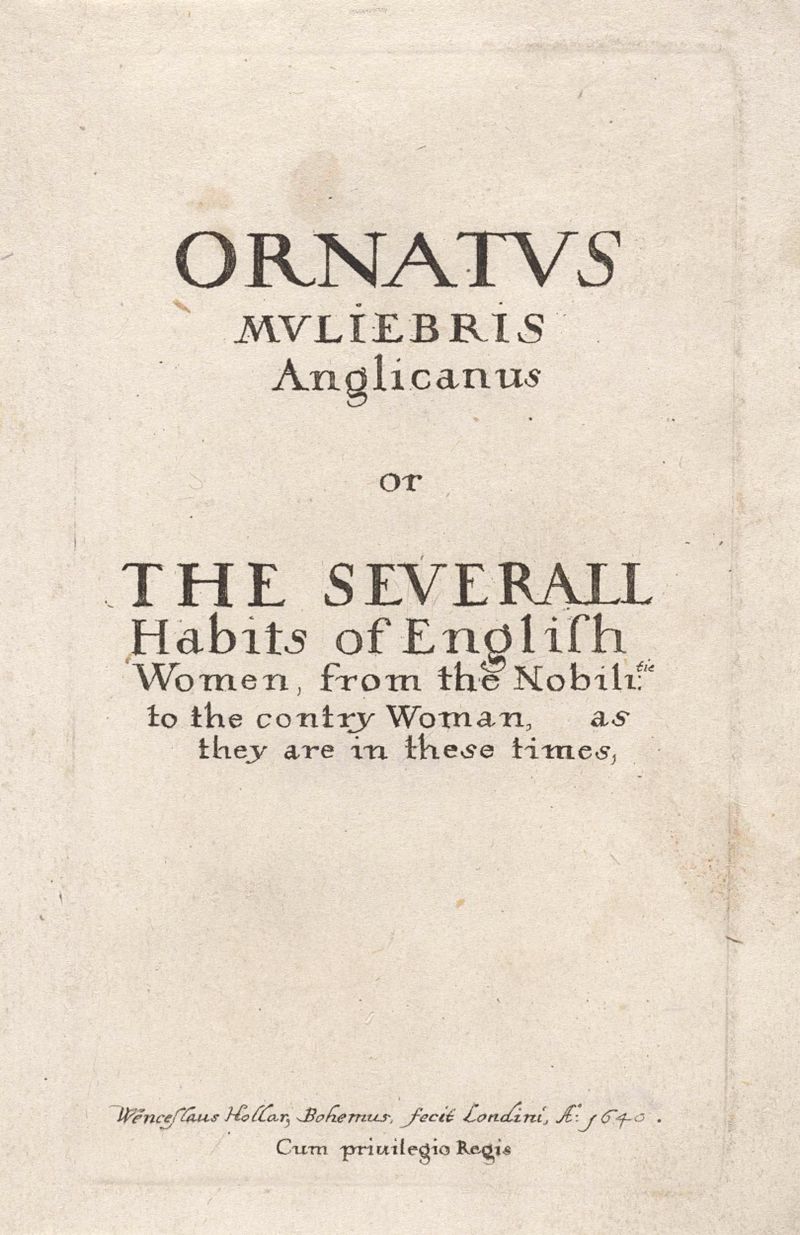
Titelprent voor: Ornatus Muliebris Anglicanus
Wenceslaus Hollar
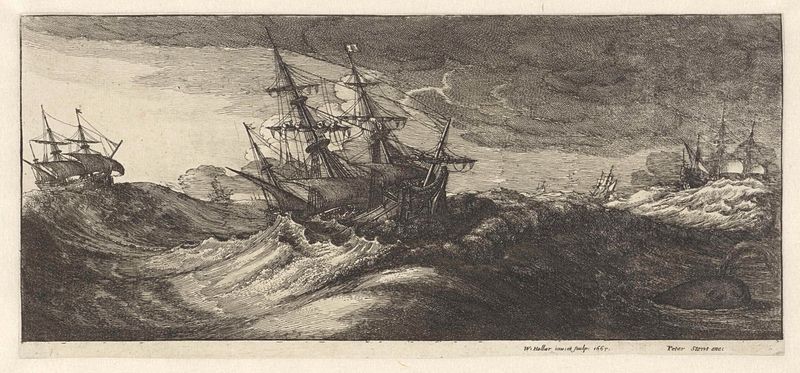
Oorlogsschepen en een walvis in een zeestorm
Wenceslaus Hollar
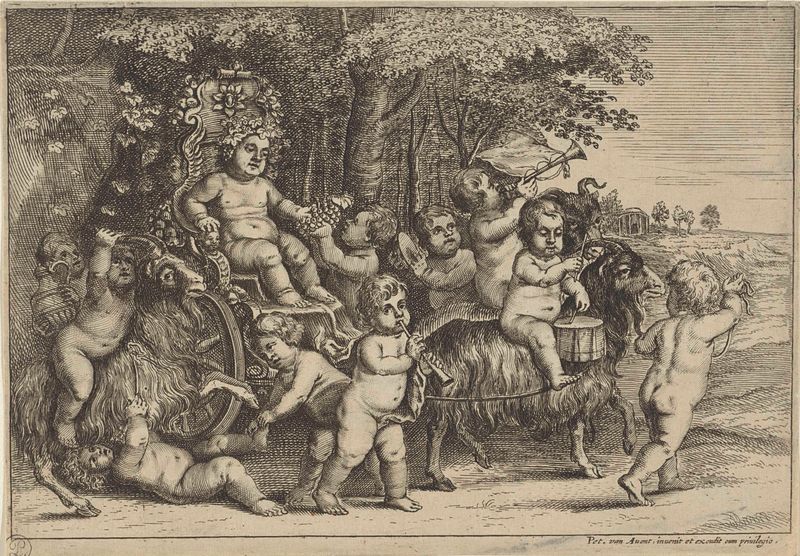
Optocht van bacchant en jongetjes op geiten
Wenceslaus Hollar
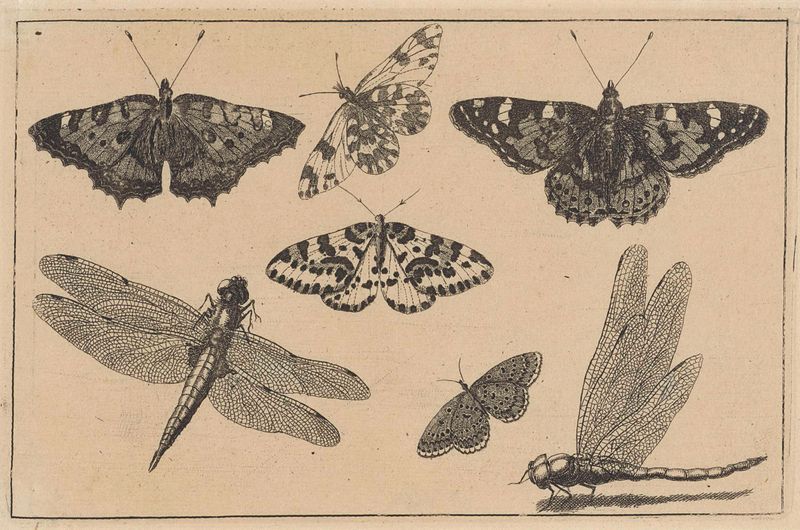
Twee libellen en vijf vlinders
Wenceslaus Hollar
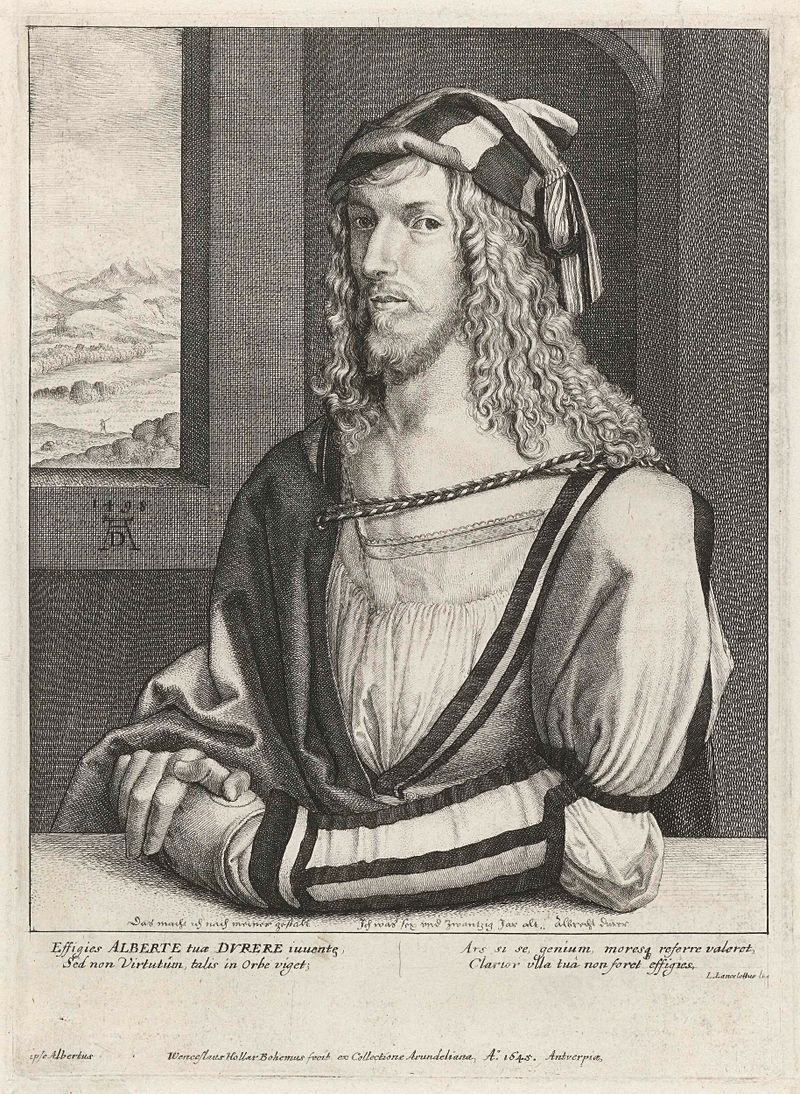
Portret van Albrecht Dürer
Wenceslaus Hollar
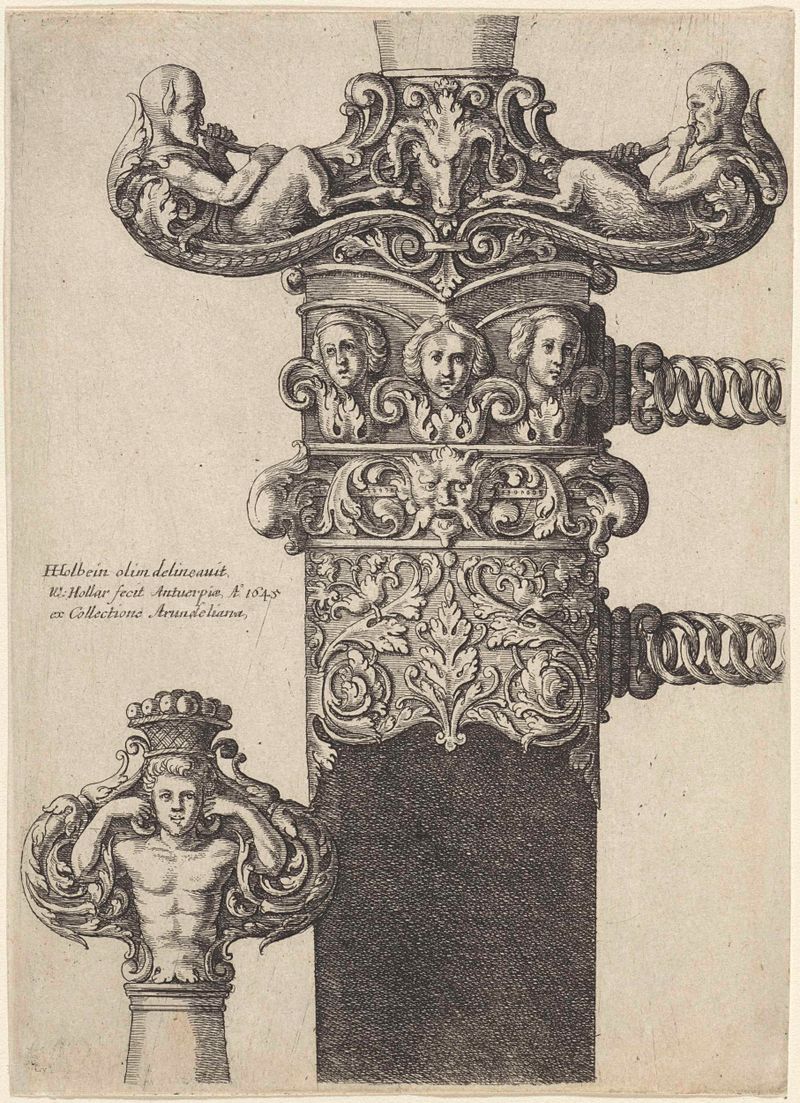
Ornamenteel ontwerp voor een dolk
Wenceslaus Hollar
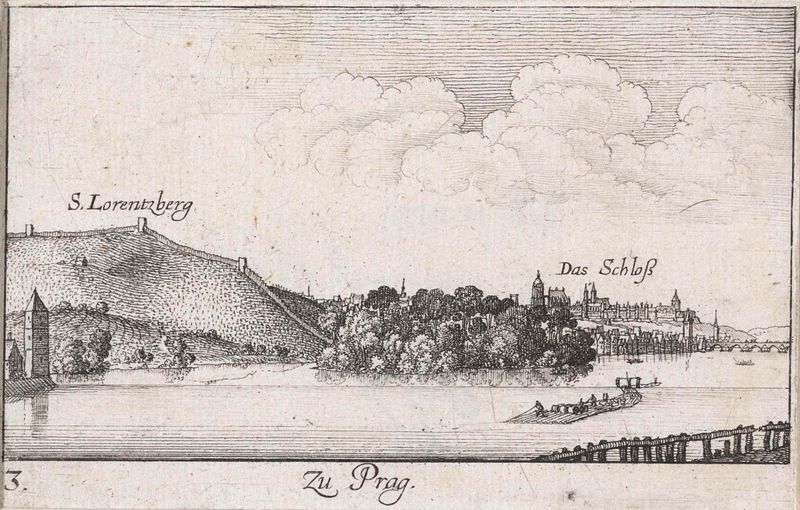
Gezicht op Praag vanaf de Moldau
Wenceslaus Hollar