
Drie zeilschepen op een ruwe zee — History & Facts
What if silence could speak through light? In Drie zeilschepen op een ruwe zee, the turbulent dance of waves and sails evokes a dialogue between nature and the fragile human spirit. The artwork invites a reflection on the powerful interplay between illumination and shadow, beckoning viewers to explore the unspoken stories woven into each brushstroke. Look to the center of the canvas, where the three ships bravely navigate the churning sea. Notice how the light cascades across the foamy waves, each crest catching the glint of the sun, creating a stark contrast against the deeper, darker waters.
The artist’s meticulous attention to the sails reveals textures and colors that speak of both struggle and resilience, while the turbulent sky looms overhead, suggesting a brewing storm that adds tension to the scene. In this piece, the ships symbolize human ambition amidst nature's chaotic beauty. The contrast between the frail vessels and the immense, restless sea evokes a sense of vulnerability and determination. Additionally, the light filtering through the clouds represents fleeting hope, an ephemeral moment where man’s spirit momentarily triumphs over adversity.
Each element in the composition resonates with the duality of existence — struggle intertwined with the quest for survival. Reinier Nooms painted Drie zeilschepen op een ruwe zee in the mid-17th century, a period marked by the Dutch Golden Age of painting. During this time, the artist was deeply influenced by maritime themes, reflecting the burgeoning trade and exploration that characterized his homeland. As sailors braved the seas, Nooms captured the simultaneous beauty and peril of their journeys, providing a glimpse into the spirit of his era while honing his distinct style that combined realism with atmospheric depth.
More Artworks by Reinier Nooms
Browse all →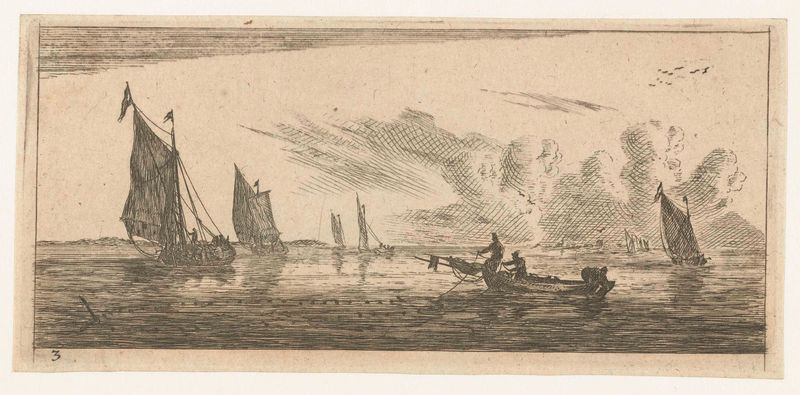
Zeegezicht met verschillende zeilschepen
Reinier Nooms
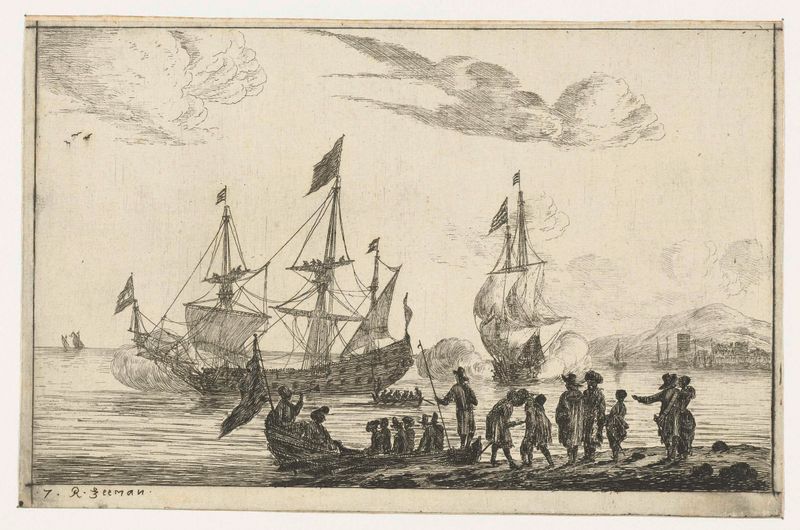
Havenscène met een spiegelsloep
Reinier Nooms
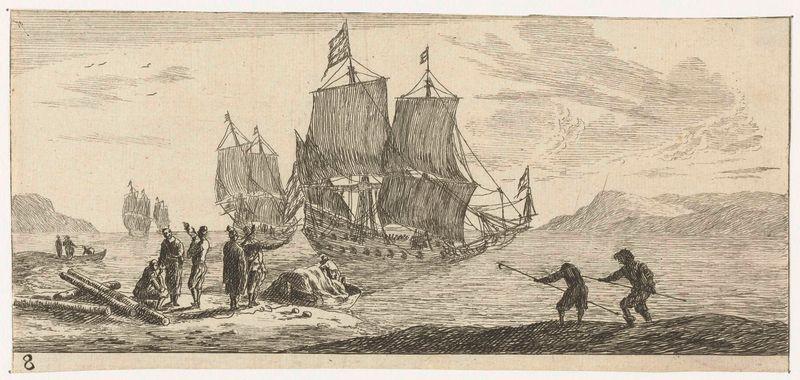
Vier grote zeilschepen in een baai
Reinier Nooms
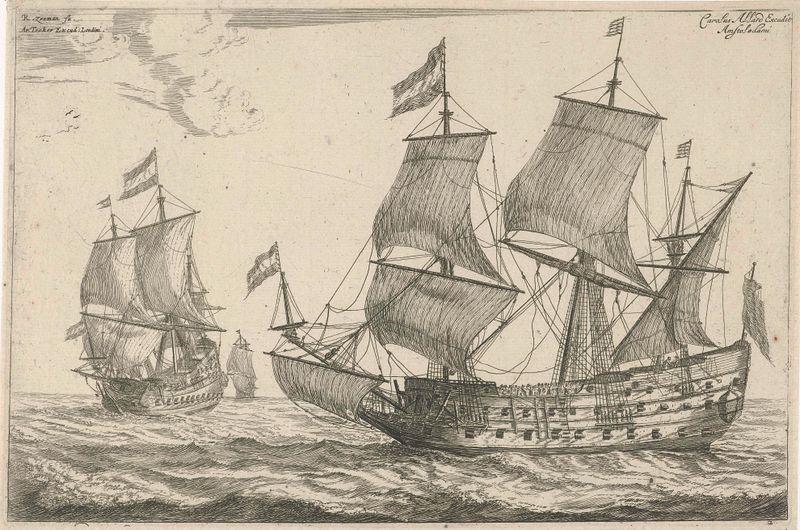
Twee grote oorlogsschepen
Reinier Nooms
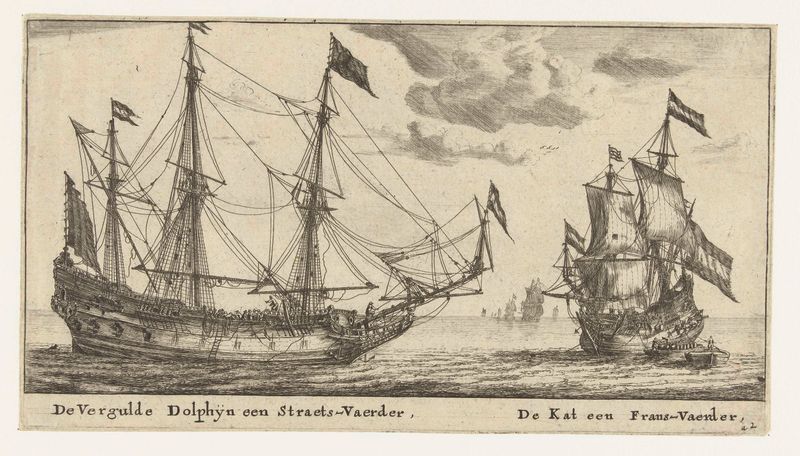
De schepen De Vergulde Dolfijn en De Kat
Reinier Nooms
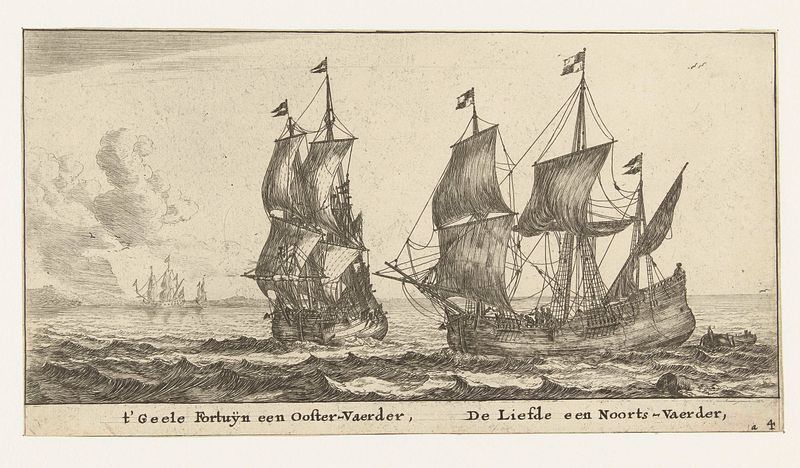
De schepen 't Gele Fortuin en De Liefde
Reinier Nooms
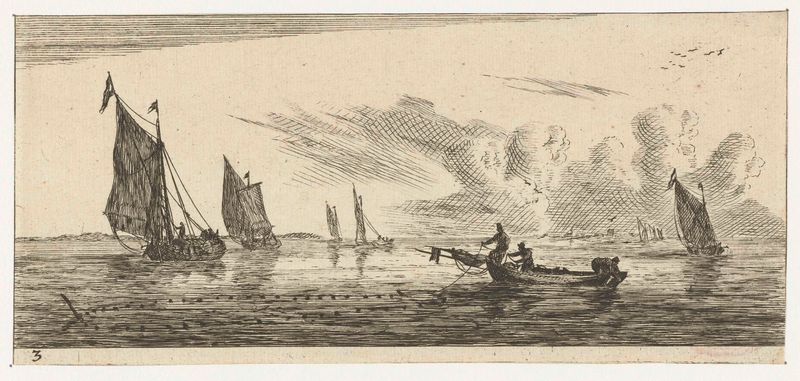
Zeegezicht met verschillende zeilschepen
Reinier Nooms
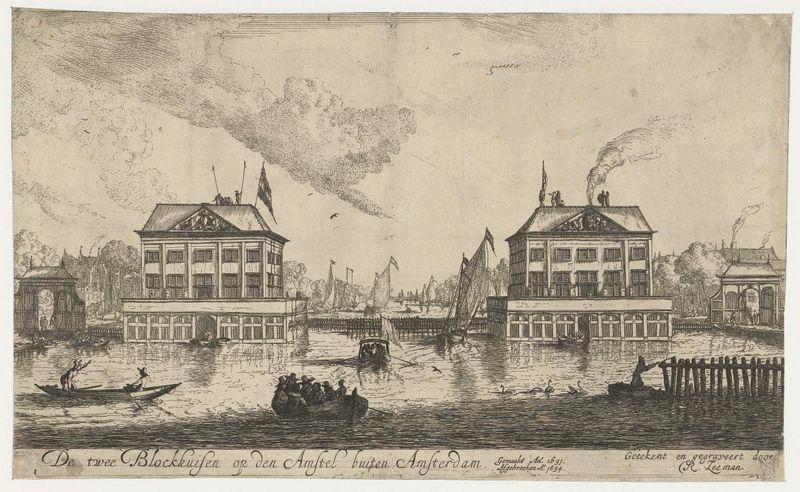
Gezicht op de twee Blokhuizen in de Amstel
Reinier Nooms
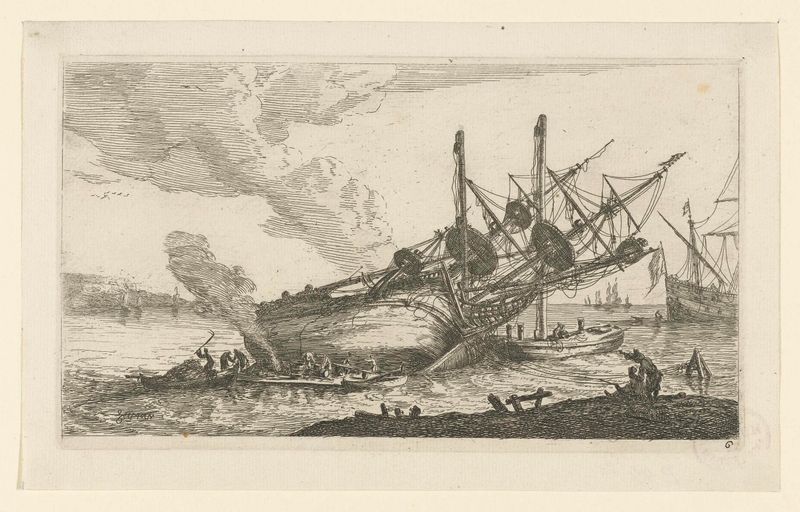
Reparaties aan de romp van een schip
Reinier Nooms
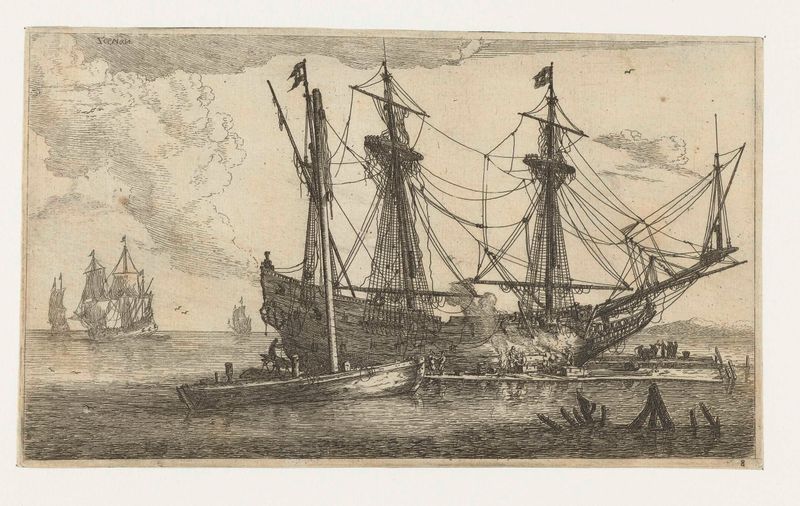
Reparaties aan de romp van een schip
Reinier Nooms





