
Drieëenheid — History & Facts
In Drieëenheid, the weight of loss lingers in the air, captured through careful composition and muted tones that echo the sorrow of absence. Look to the center of the canvas, where a triptych unfolds, each panel holding the figures of the Holy Trinity. The meticulous detail in their robes and hands draws the eye, emphasizing the connection between the divine and the earthly. Notice how light hits the figures, creating a soft halo effect that stands in contrast to the somber backgrounds.
The colors—deep reds and golds—imbue the work with a sense of gravitas, yet the figures’ serene expressions hint at a profound peace that transcends grief. Beneath this serene facade lies a tension between the celestial and the mortal. The absence of the onlooker within the scene suggests a retreat from the divine, reflecting an emotional distance that resonates with anyone who has experienced loss. The juxtaposition of the intricate detail of the heavenly figures against the emptiness surrounding them speaks to the human condition—a reminder of the fragility of faith in the face of sorrow. Holbein created this work in 1538 during a time of religious turmoil in Europe, where his own life was marked by personal loss and the shifting tides of the Reformation.
While navigating the complexities of the art world, he sought to capture the transitory nature of existence, turning to subjects steeped in spirituality and introspection. In Drieëenheid, he channels the essence of grief and remembrance, inviting viewers to confront their own experiences of loss.
More Artworks by Hans Holbein (II)
Browse all →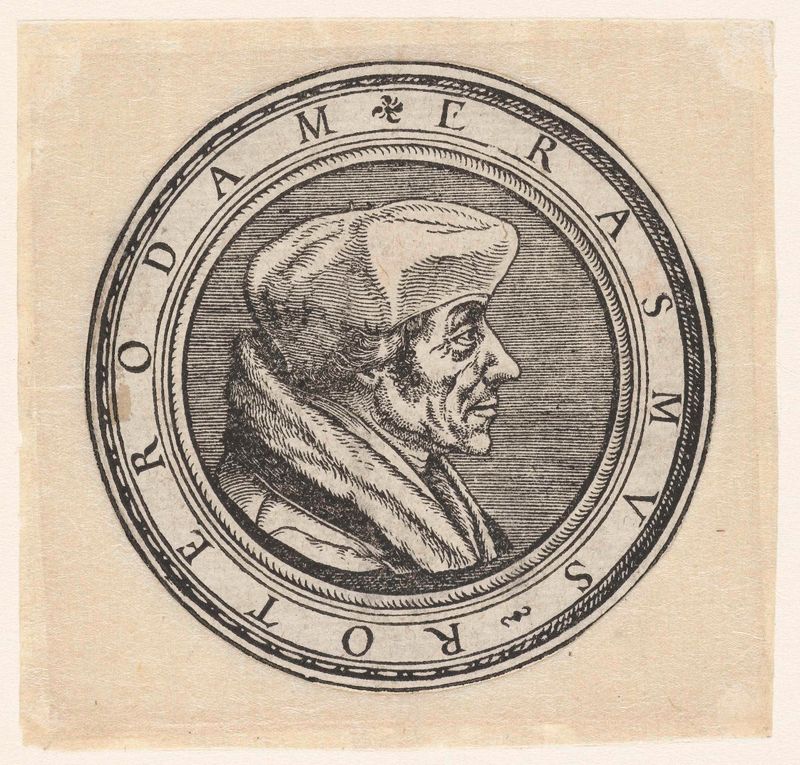
Portret van Erasmus
Hans Holbein (II)
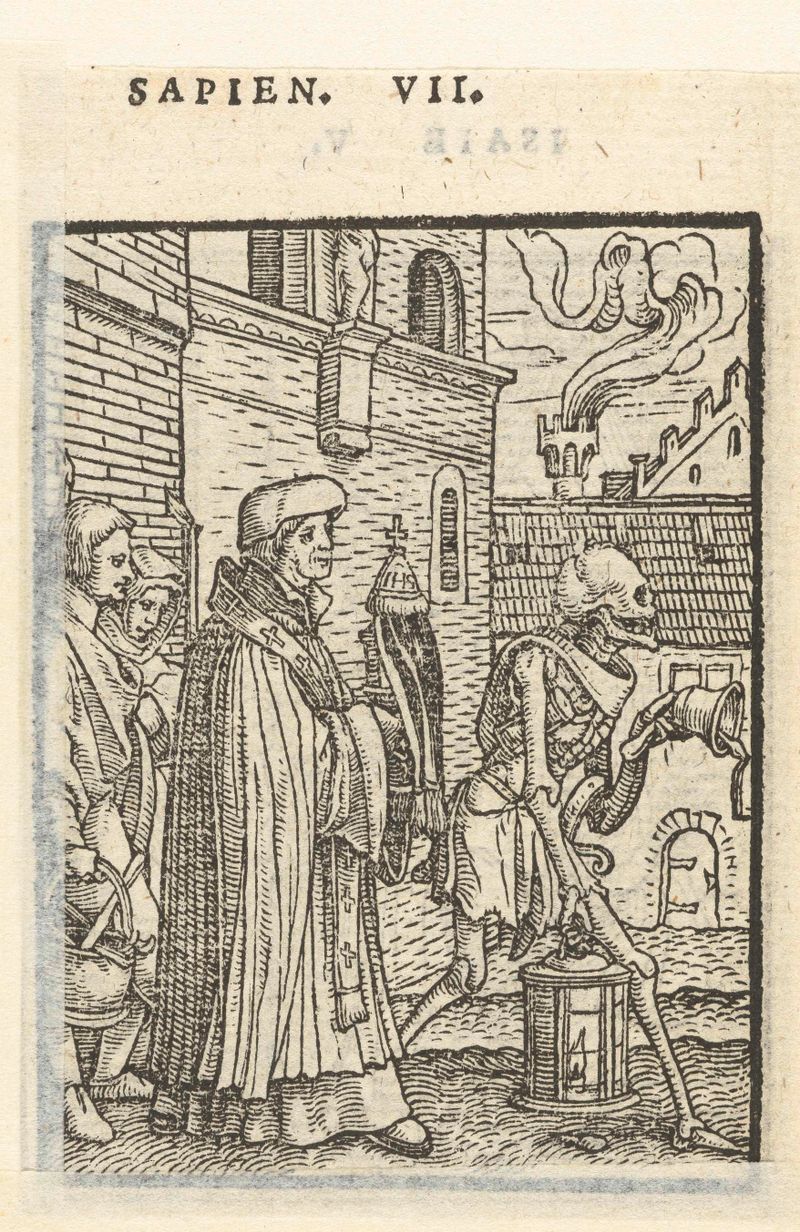
Priester en de Dood
Hans Holbein (II)
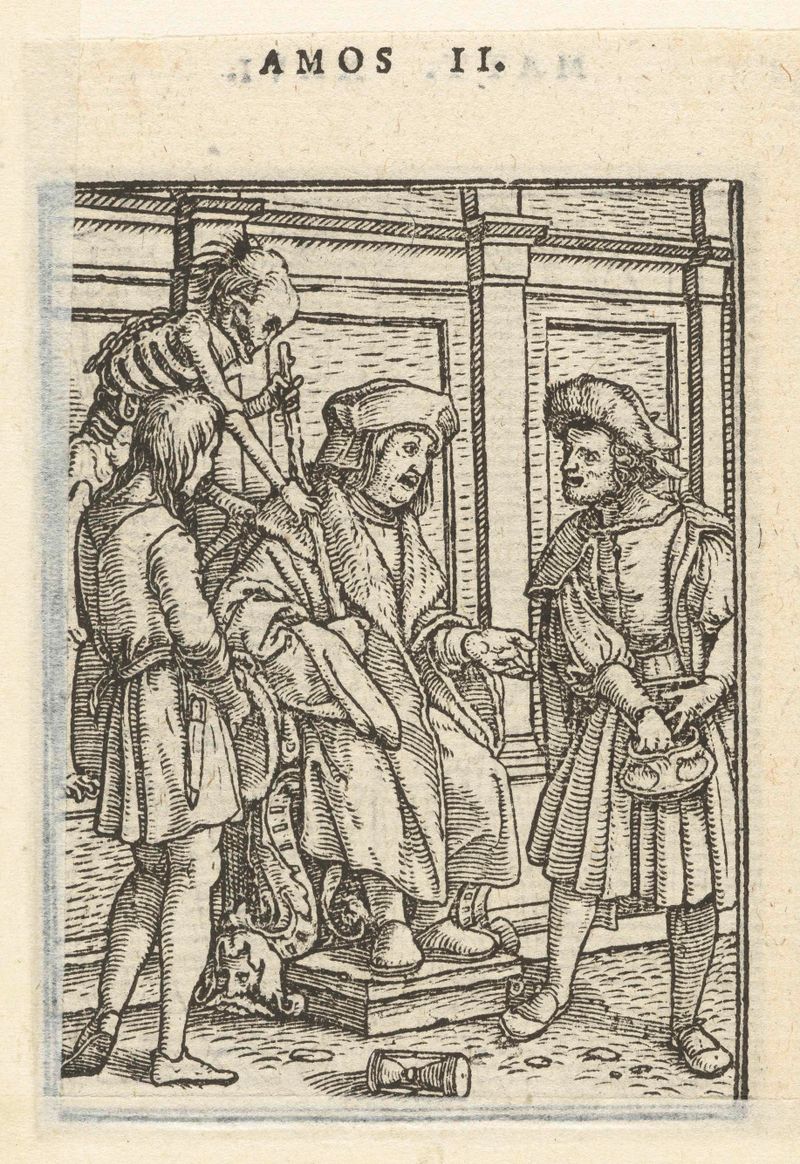
Rechter en de Dood
Hans Holbein (II)
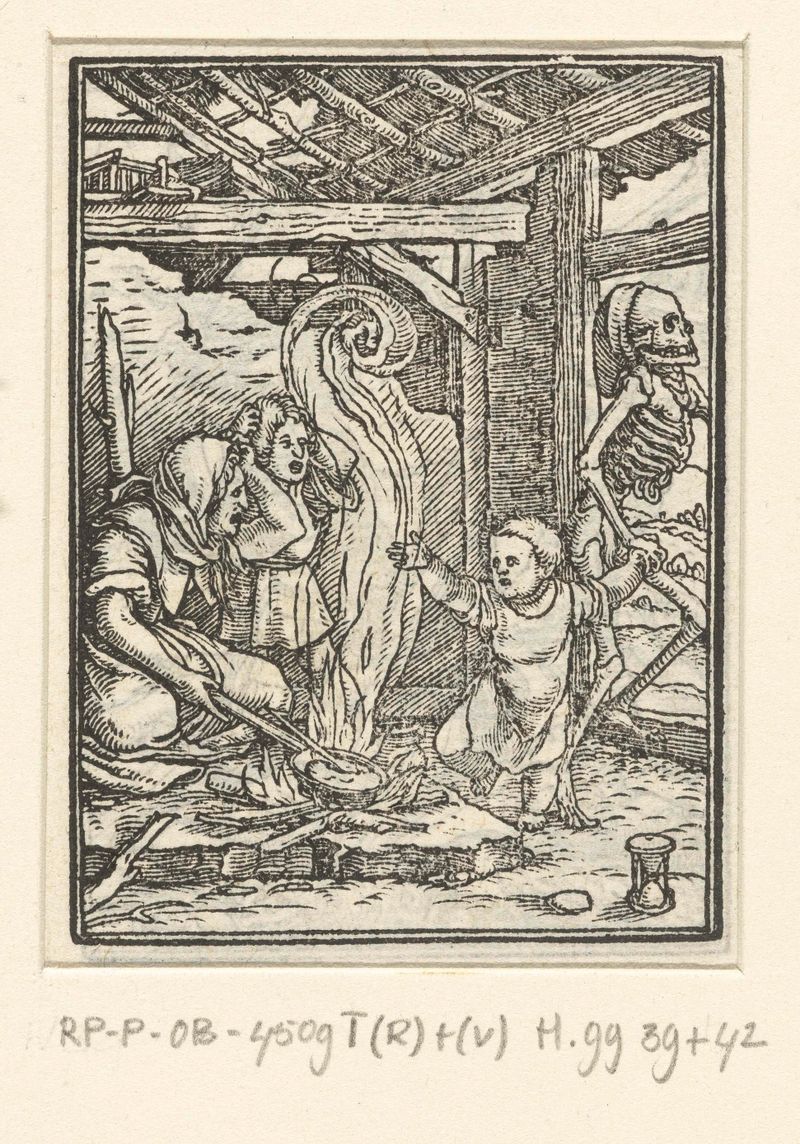
Kind en de Dood
Hans Holbein (II)
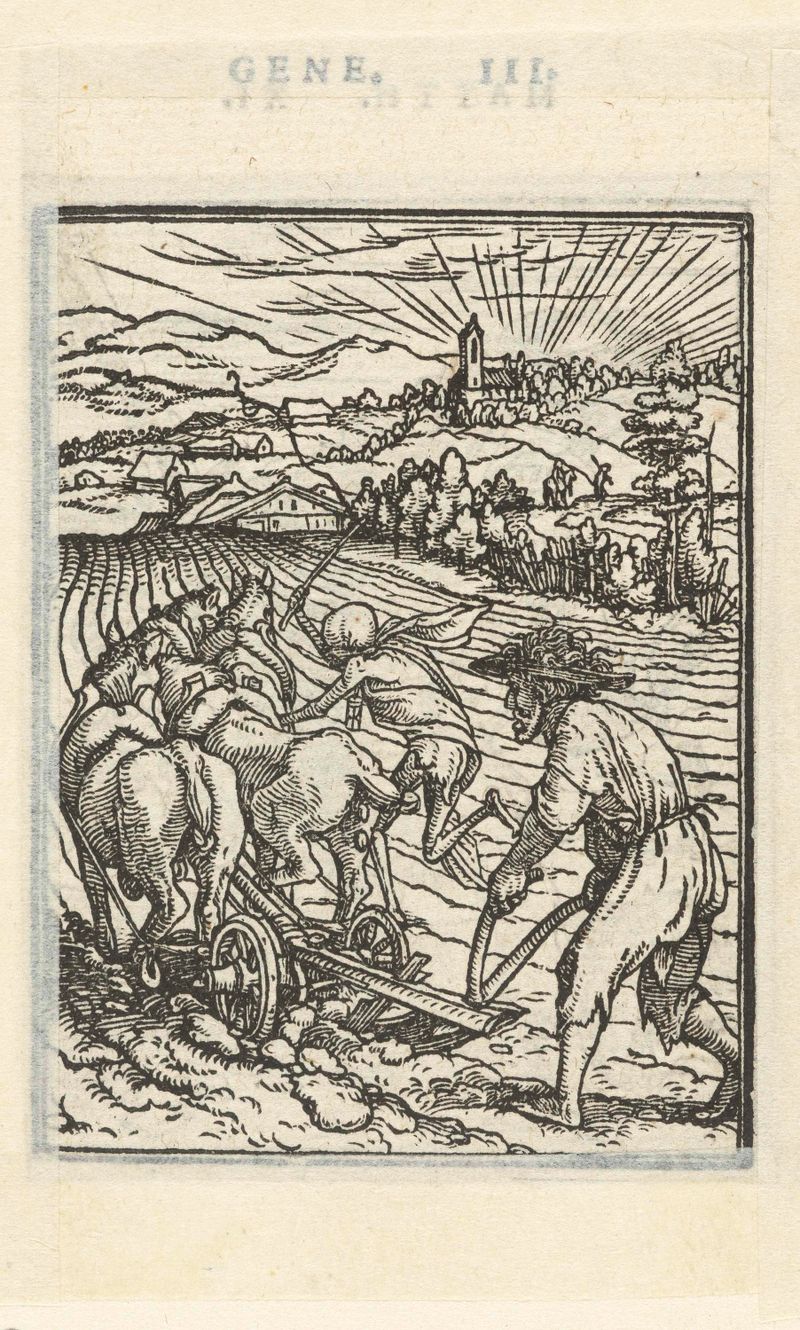
Boer en de Dood
Hans Holbein (II)
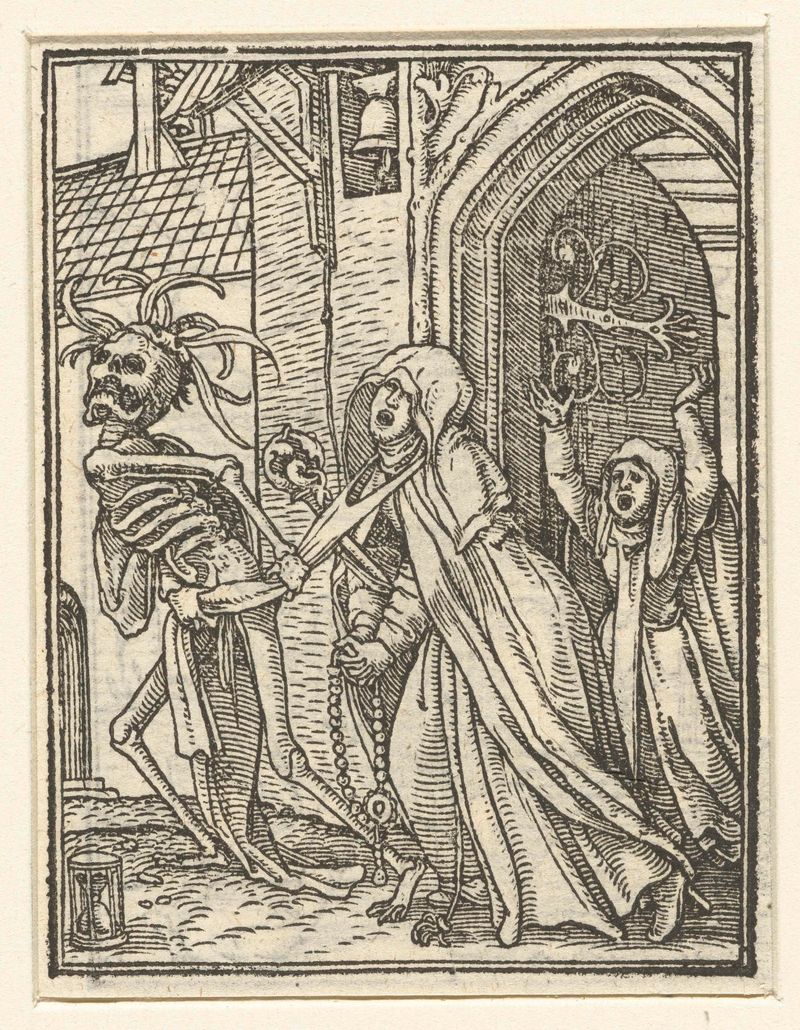
Abdis en de Dood
Hans Holbein (II)
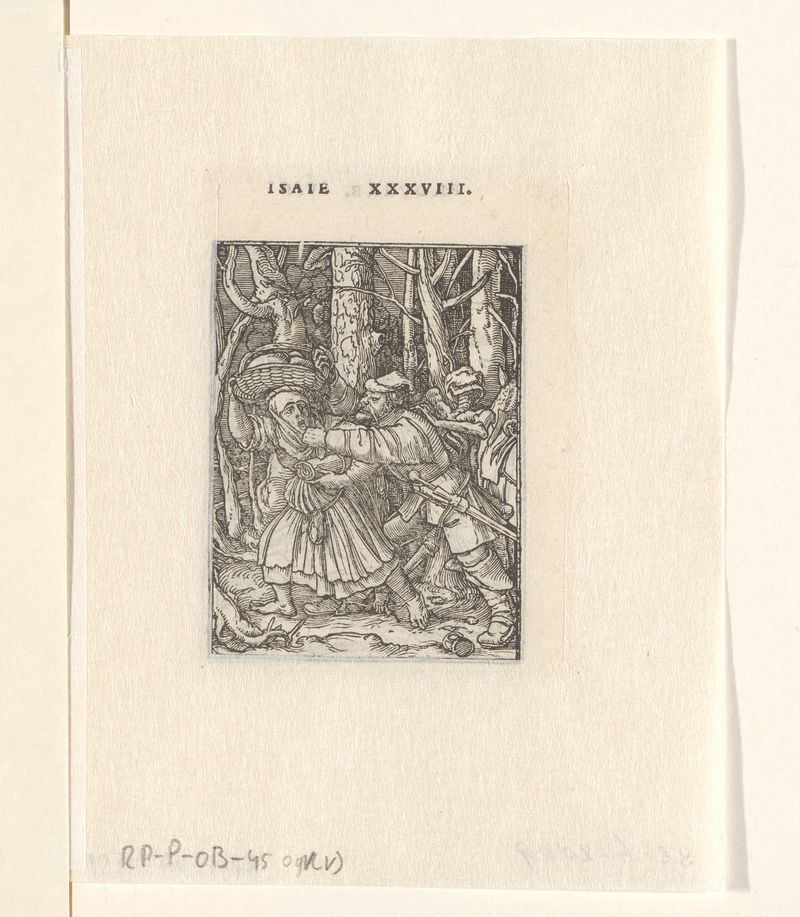
Dief en de Dood
Hans Holbein (II)
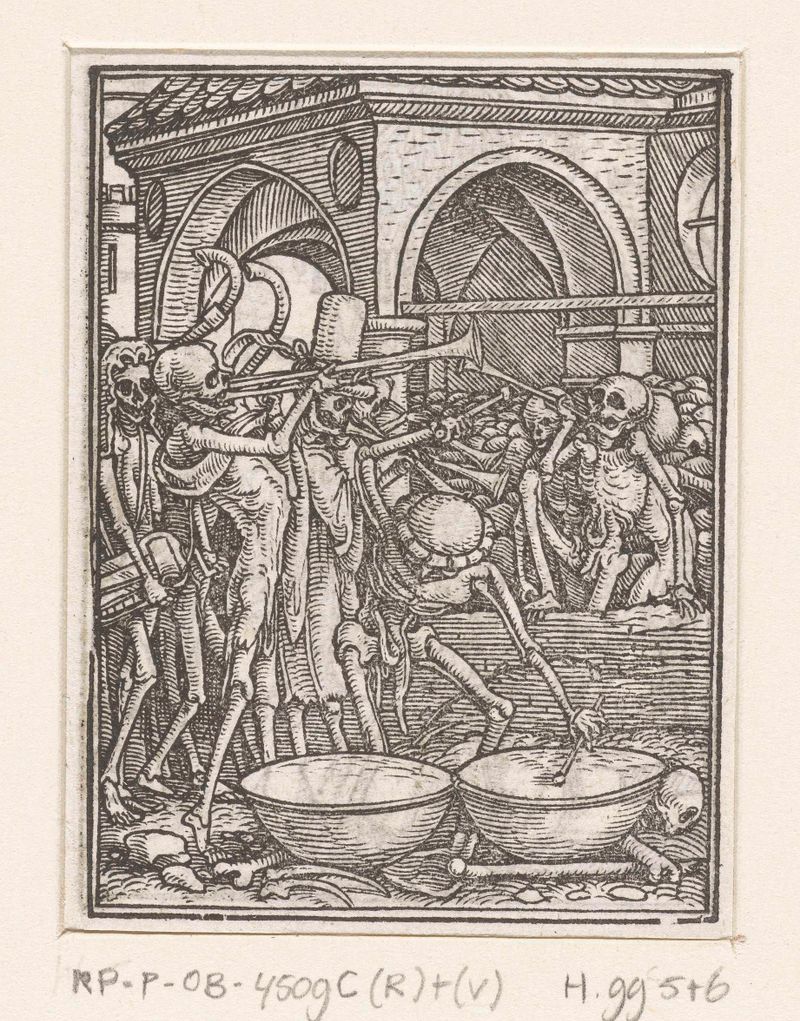
Skeletons Making Music from Dance of the Dead
Hans Holbein (II)
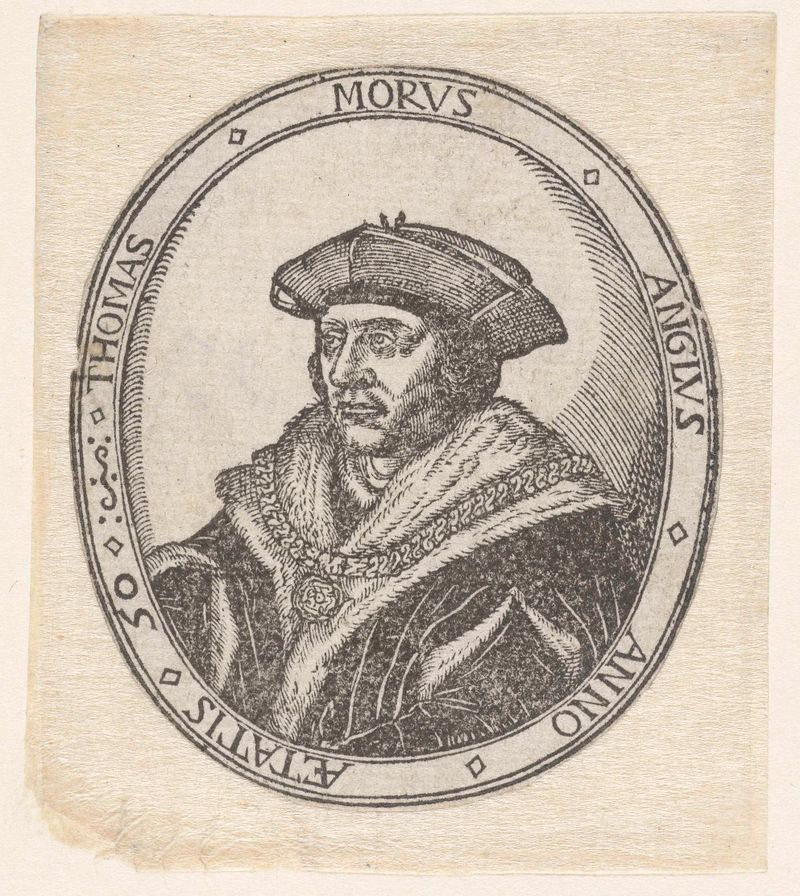
Portret van Thomas More
Hans Holbein (II)
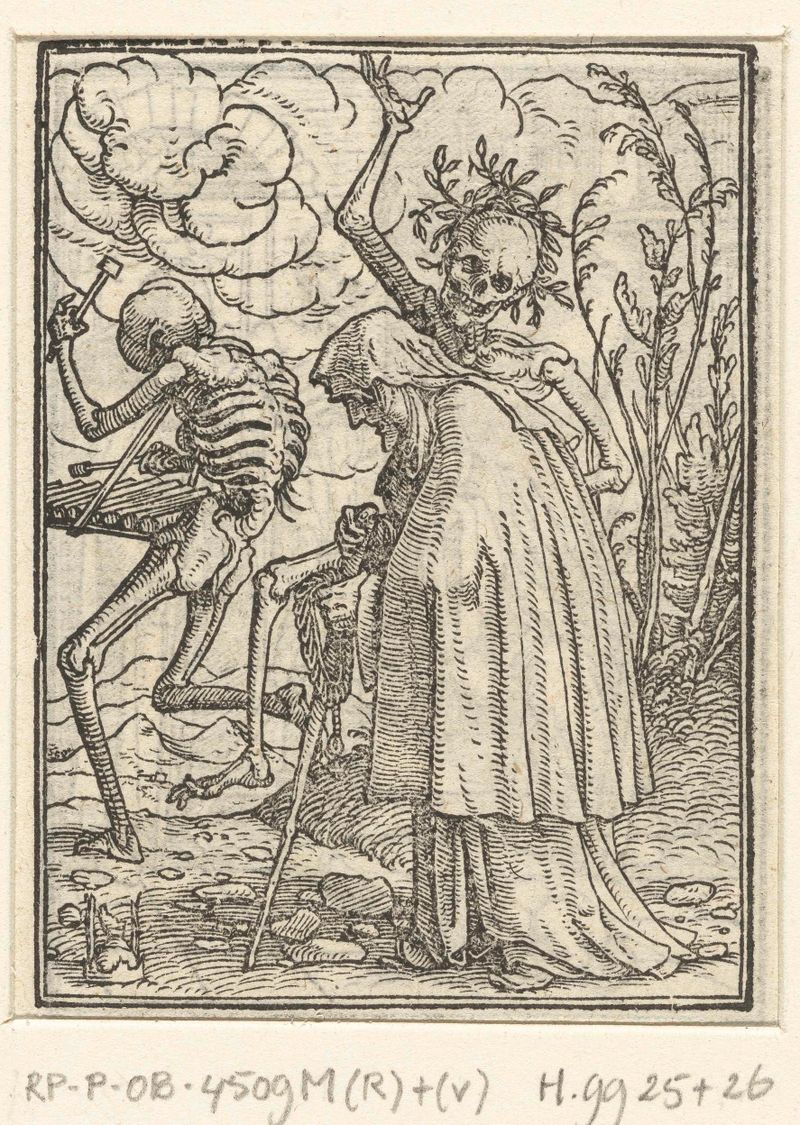
Oude vrouw en de Dood
Hans Holbein (II)
More Religious Art
Browse all →
The Return of the Prodigal Son
Rembrandt van Rijn

The Garden of Earthly Delights
El Bosco

Count Orgaz’ funeral
El Greco

The Hundred Guilder Print: the central piece with Christ preaching, the plate arched
Rembrandt van Rijn

The Descent from the Cross
Rogier van der Weyden

The return of the prodigal son
Rembrandt van Rijn