Dryad’s Parasol — History & Facts
What secret hides in the quiet of the canvas? A moment suspended in time invites us to explore the depths of memory, revealing the delicate interaction between nature and self. Look to the bottom left at the ethereal figure of the dryad, her gossamer form draped in soft hues of green and gold. Notice how her hand gently holds a parasol, its petals unfurling like the whispers of leaves in a summer breeze. The intricate detailing of the surrounding flora guides your gaze upward, where patches of light dapple the background, creating an enchanting atmosphere that blurs the lines between reality and dream. The emotional tension in this piece lies in the juxtaposition of solitude and connection.
The dryad, a spirit of the forest, embodies both the essence of nature and the loneliness that often accompanies it. The parasol represents not just protection from the sun but also a shield against the outside world, suggesting a yearning for intimacy with the natural realm. The soft colors resonate with nostalgia, prompting reflections on lost moments, hidden memories, and the quiet beauty of existence. Created between 1916 and 1922, this artwork emerged during a time of profound change for Ernest Haskell.
He was immersed in the arts community of New York and was influenced by emerging modernist trends. The tumult of the early 20th century, marked by war and societal transformation, shaped his artistic vision, prompting a search for solace and beauty in the simplicity of nature, encapsulated in this delicate portrayal.
More Artworks by Ernest Haskell
Browse all →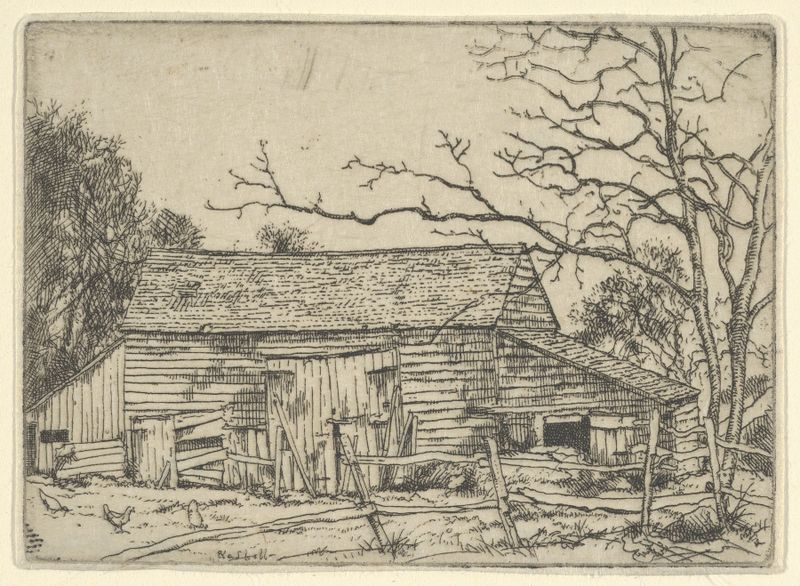
The Barn–Staten Island, N.Y.
Ernest Haskell

Four Live Oaks
Ernest Haskell
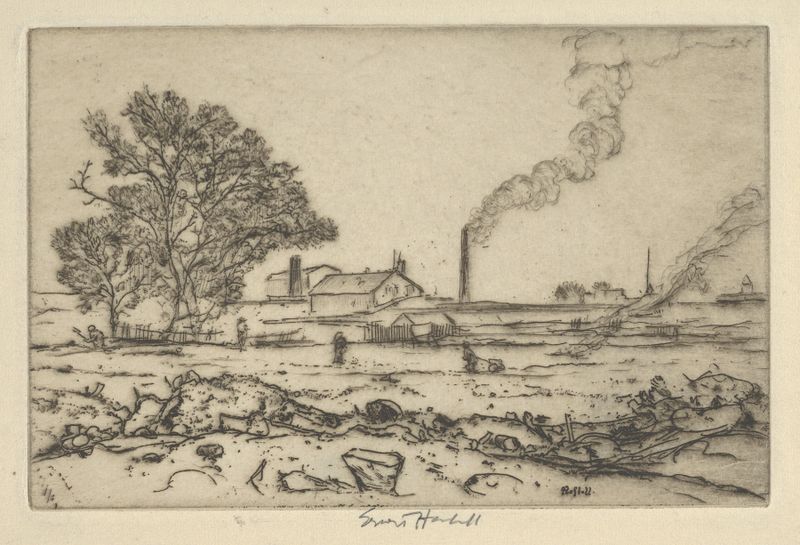
Outskirts of Boston
Ernest Haskell
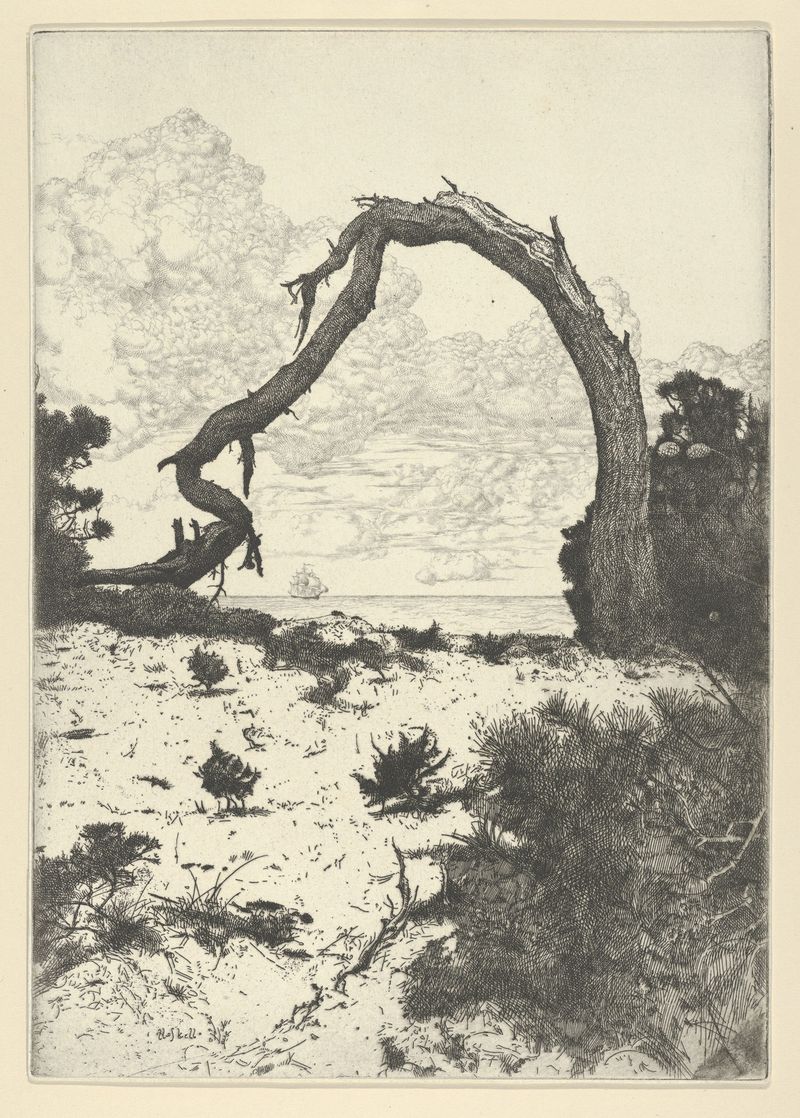
Pine Arch
Ernest Haskell

General Sherman
Ernest Haskell
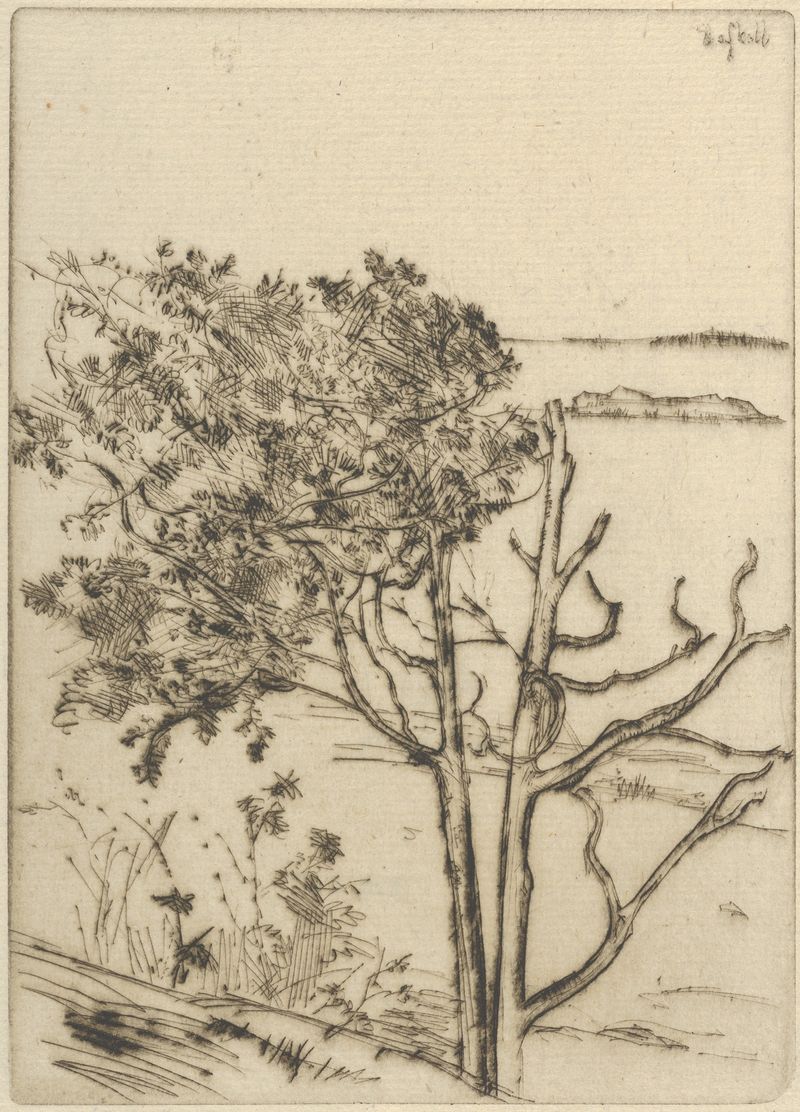
Ragged Tree – Maine
Ernest Haskell

Tide Mill
Ernest Haskell

Ship Building
Ernest Haskell
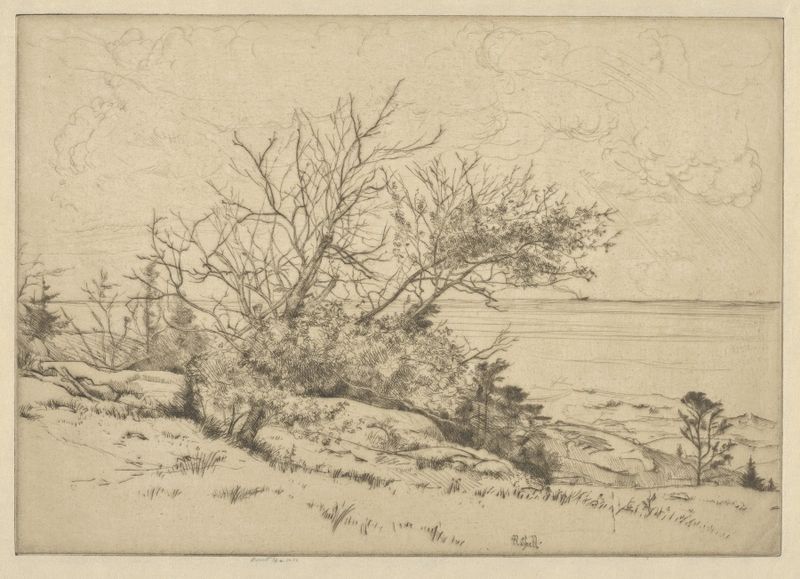
To the Southward – Ragged Island, Me.
Ernest Haskell
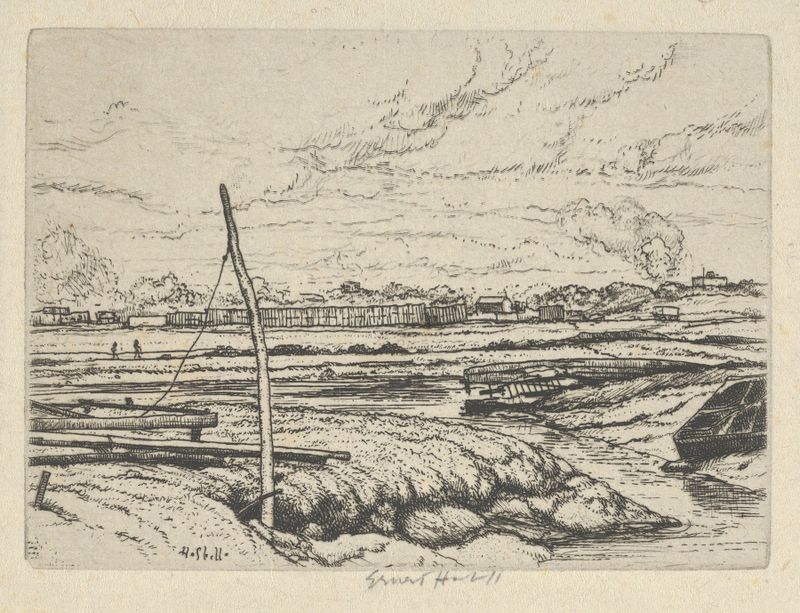
Long Island Marshes
Ernest Haskell