Discover insights about this artwork
Duendecitos. (Hobgoblins.) — History & Facts
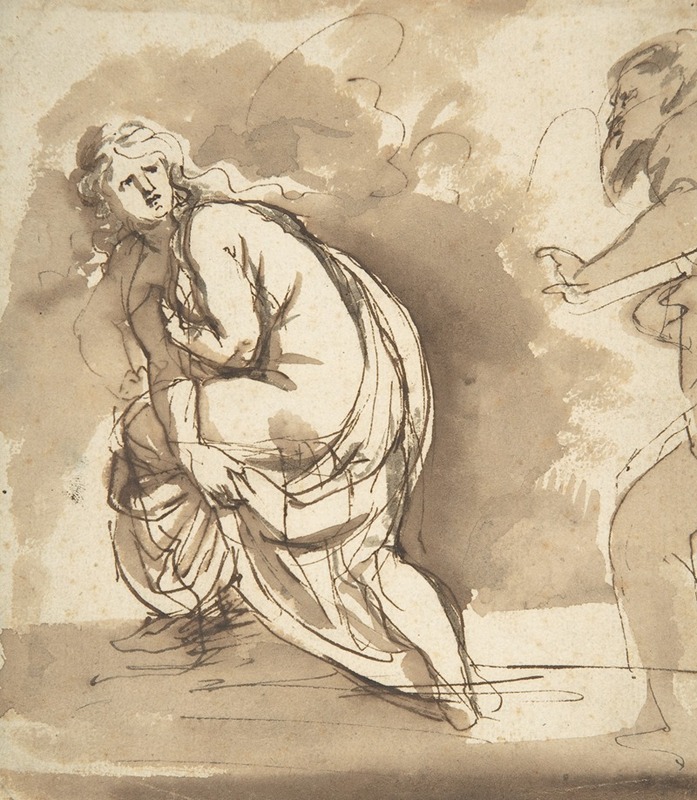
In Duendecitos. (Hobgoblins.), Francisco de Goya presents a dark and mysterious scene filled with mischievous hobgoblins. The figures are depicted in various poses, some playful and others more sinister, creating a sense of unease.
The color palette is dominated by deep greens and browns, enhancing the eerie atmosphere. Shadows loom large, suggesting a hidden world just beyond the viewer's sight. The painting is executed in oil on canvas, a common medium for Goya, allowing for rich textures and depth. The dimensions are approximately 100 x 150 cm, making it a sizable work that draws the viewer in.
Goya's brushwork is loose yet deliberate, capturing the playful yet ominous nature of the hobgoblins. The composition is dynamic, with figures arranged to lead the eye through the scene. Francisco de Goya was a prominent Spanish painter known for his critical approach to society and human nature. 'Duendecitos' reflects his interest in folklore and the supernatural, showcasing the hobgoblins that are part of Spanish mythology.
An interesting fact about this work is that it was likely created during a time when Goya was exploring themes of darkness and the human psyche, which would later culminate in his more famous works. This painting serves as a precursor to his later, more haunting depictions of human fears and anxieties.
More Artworks by Francisco de Goya
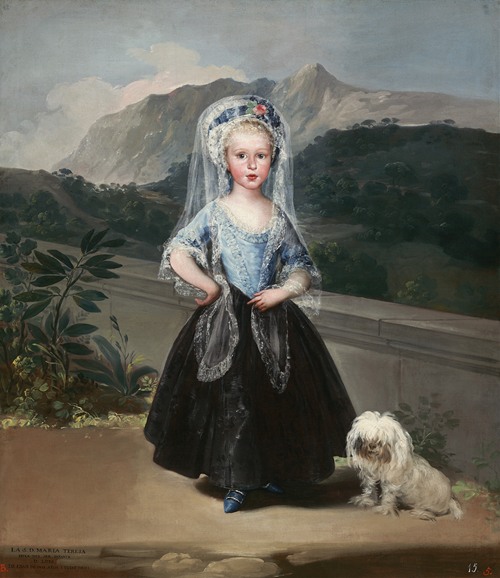
María Teresa de Borbón y Vallabriga,later Condesa de Chinchón
Francisco de Goya
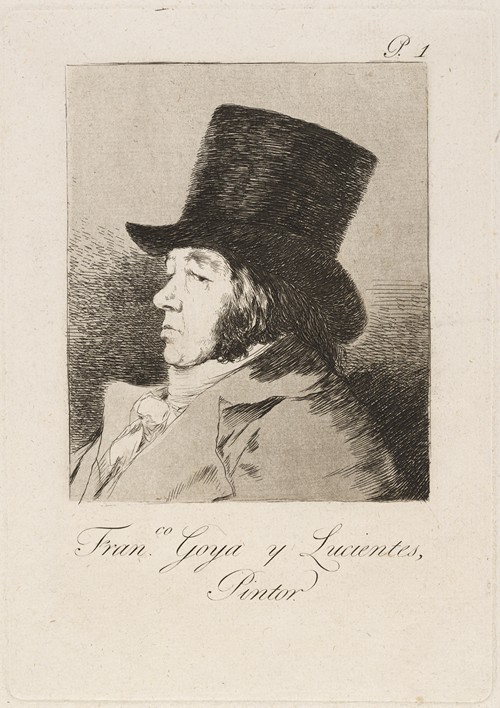
Francisco Goya y Lucientes, Pintor (Francisco Goya y Lucientes, painter)
Francisco de Goya
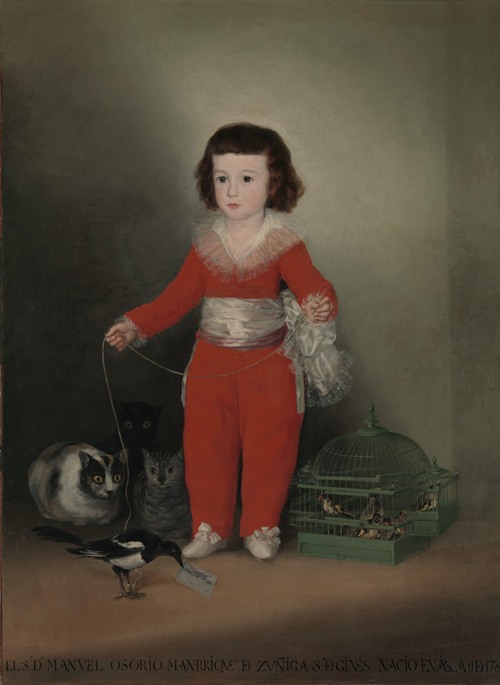
Manuel Osorio Manrique de Zuñiga (1784–1792)
Francisco de Goya
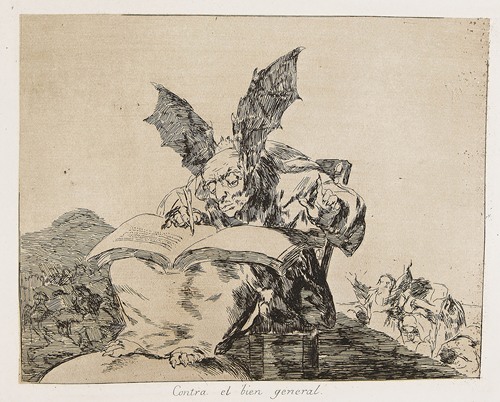
Los desastres de la guerra
Francisco de Goya
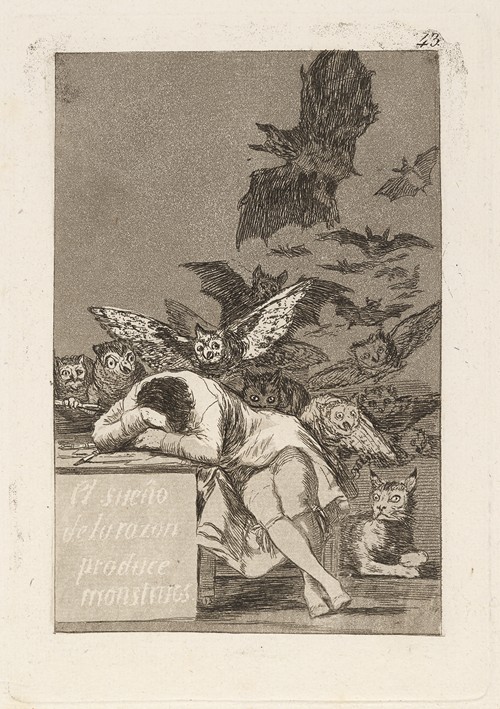
El sueño de la razon produce monstruos. (The sleep of reason produces monsters.)
Francisco de Goya
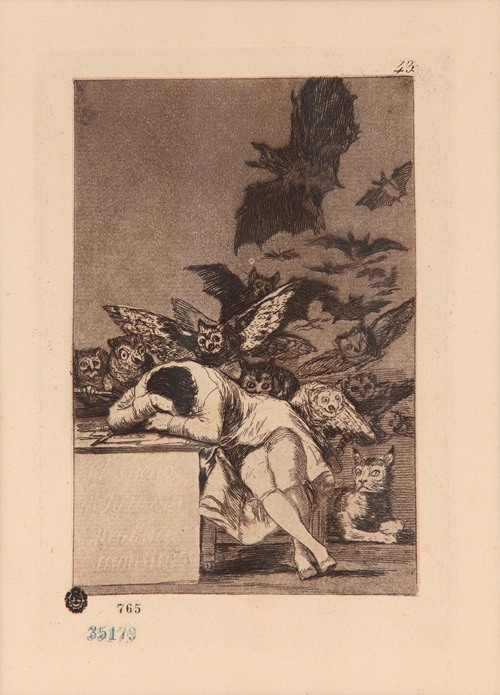
El sueño de la razon produce moustruos (Serie Caprichos)
Francisco de Goya
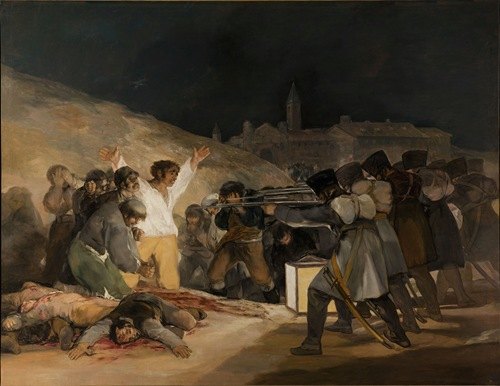
The Third of May
Francisco de Goya
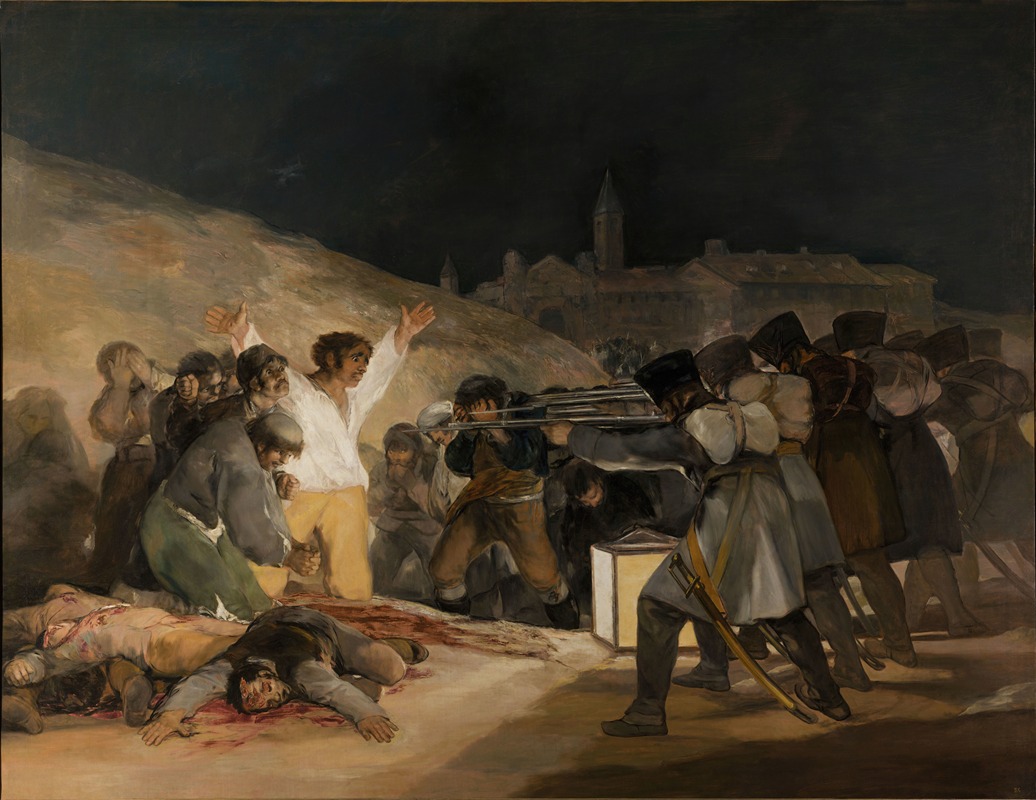
The Third of May 1808
Francisco de Goya
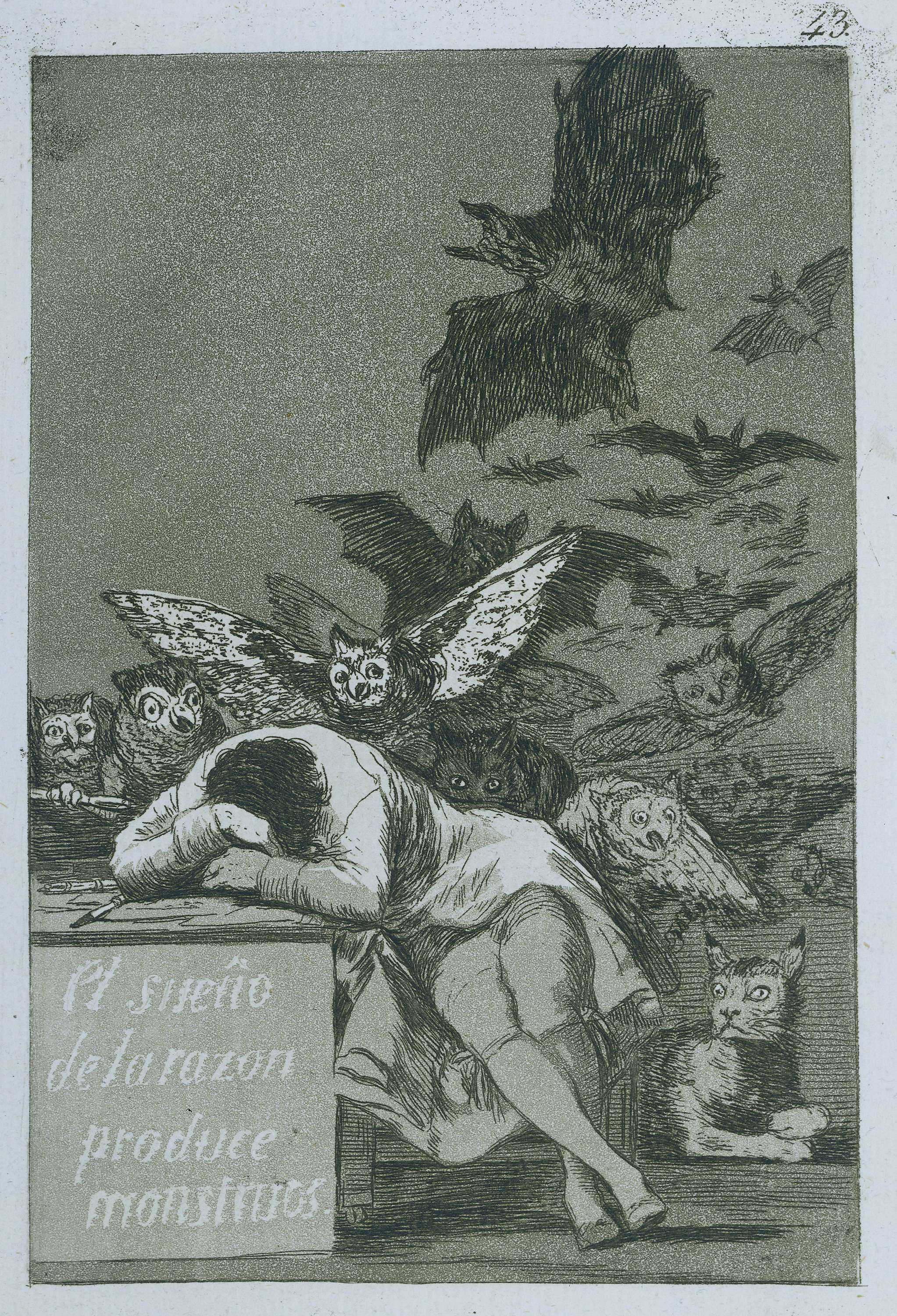
De slaap van de rede brengt monsters voort
Francisco de Goya
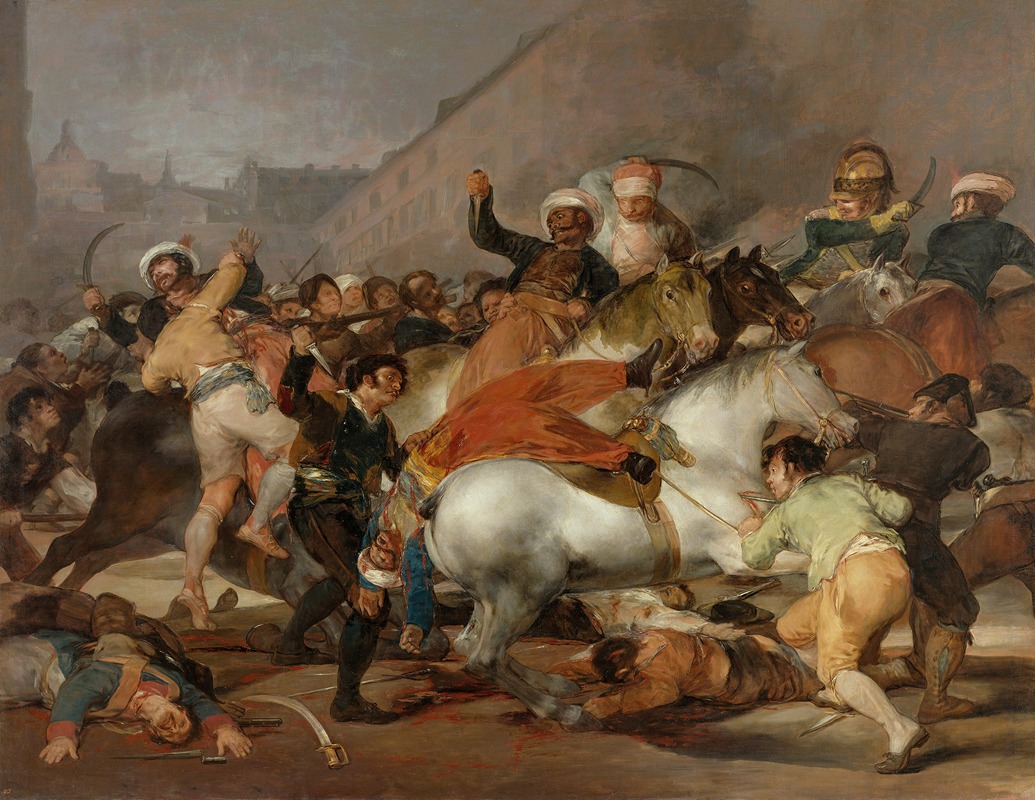
The Charge of the Mamelukes (1814)
Francisco de Goya