
Duinen bij Naarden — History & Facts
In the quietude of the landscape lies a whisper of innocence, an untouched moment captured forever. Look closely at the foreground, where undulating dunes gently cradle tufts of grass, each blade seeming to sway in an unseen breeze. The artist employs delicate etching techniques to create a textured interplay of light and shadow, with soft, muted earth tones giving way to the brighter sky above. The horizon stretches, inviting the eye to wander towards the infinitude of the scene, a reminder of both nature's simplicity and its profound beauty. Beneath the serene surface, there exists a tension between the transient and the eternal.
The soft contours of the dunes symbolize the passage of time, while the sparse, delicate flora evokes a sense of innocence, untouched by the hands of modernization. Each detail resonates with a quiet contemplation, inviting the viewer to ponder both the ephemeral beauty of nature and its lasting impact on the human spirit. During the years between 1627 and 1636, Hollar lived in the Netherlands, immersing himself in a world that valued both realism and a deep appreciation for landscape. This period marked a significant moment in his career, as he navigated the artistic currents of his time, influenced by the burgeoning Baroque style.
The landscapes he created often reflect a longing for tranquility amidst the turbulent political landscape of Europe, an artistic sanctuary captured in his works.
More Artworks by Wenceslaus Hollar
Browse all →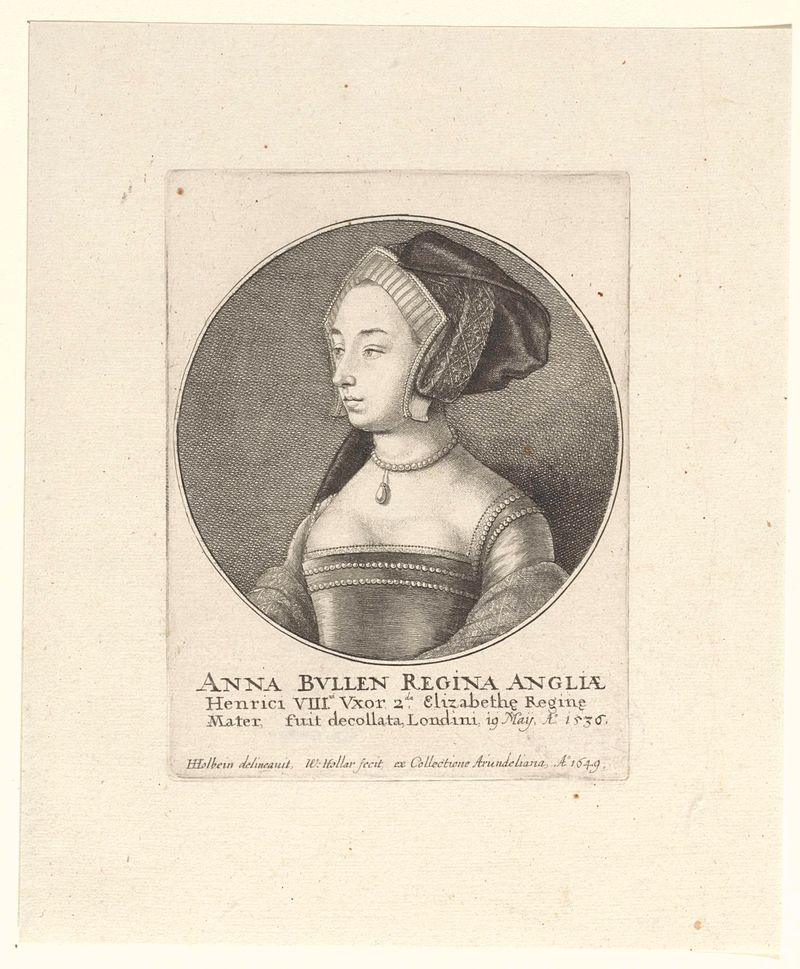
Portret van Anna Boleyn, koningin van Engeland
Wenceslaus Hollar
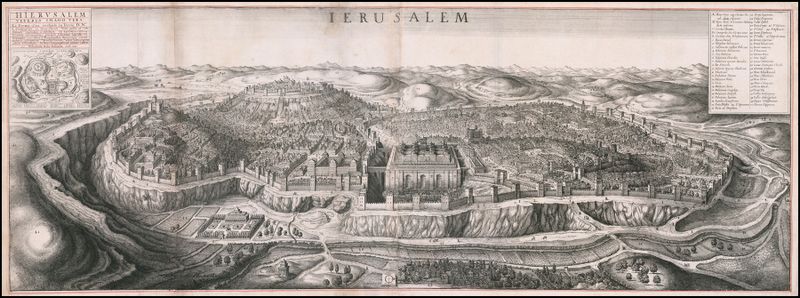
Bird’s eye view of Jerusalem
Wenceslaus Hollar
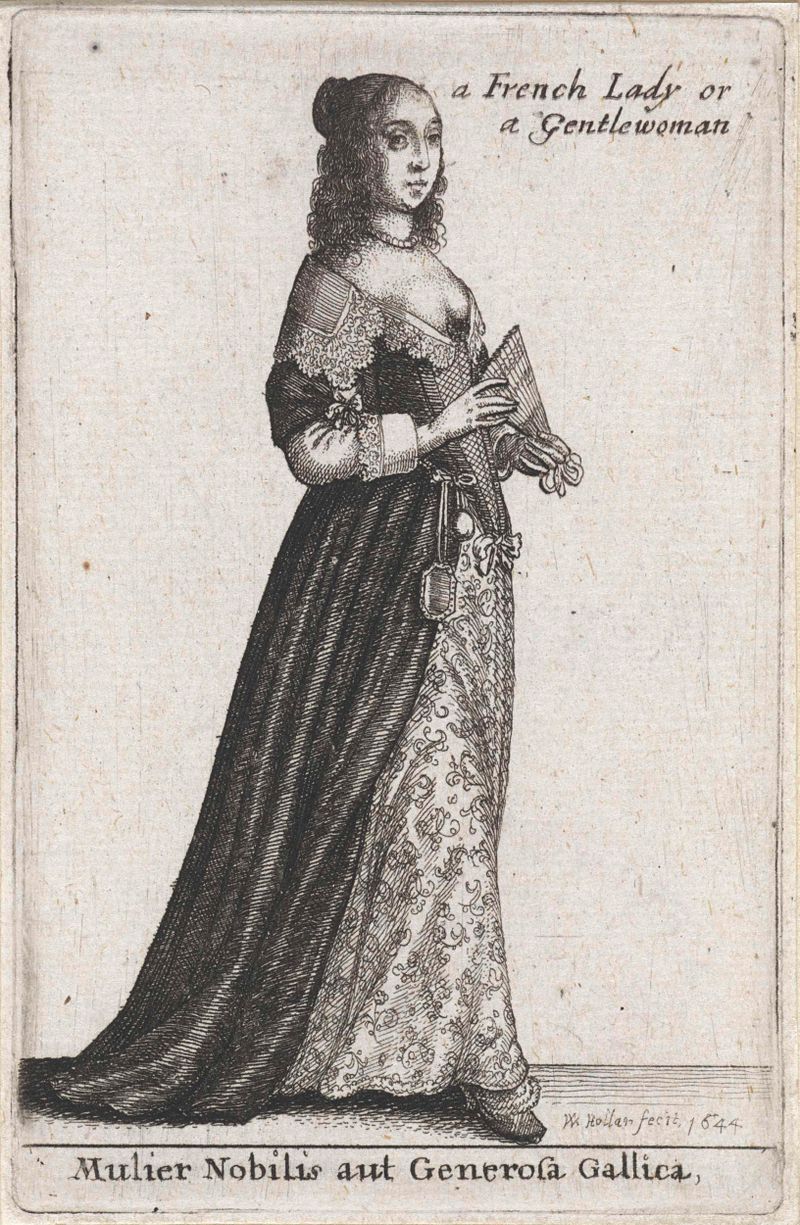
Mulier Nobilis aut Generosa Gallica / a French Lady or Gentlewoman
Wenceslaus Hollar
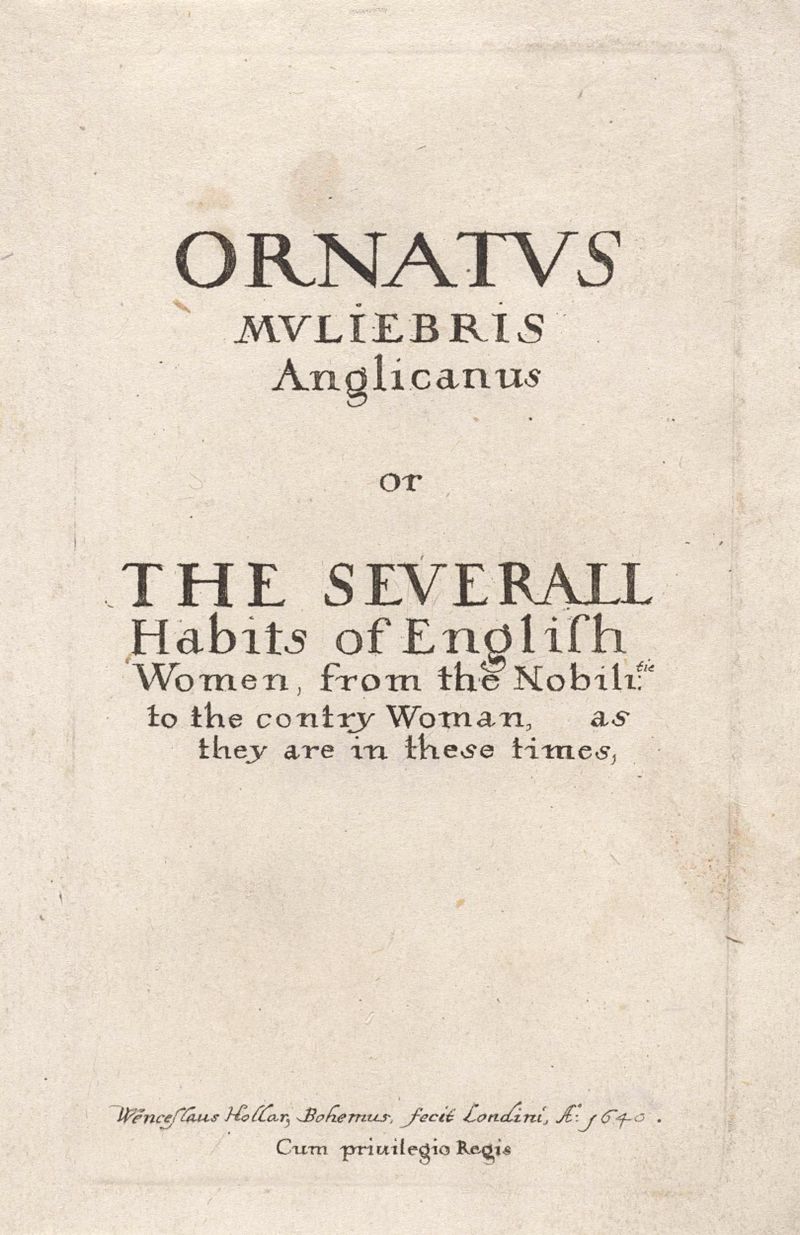
Titelprent voor: Ornatus Muliebris Anglicanus
Wenceslaus Hollar
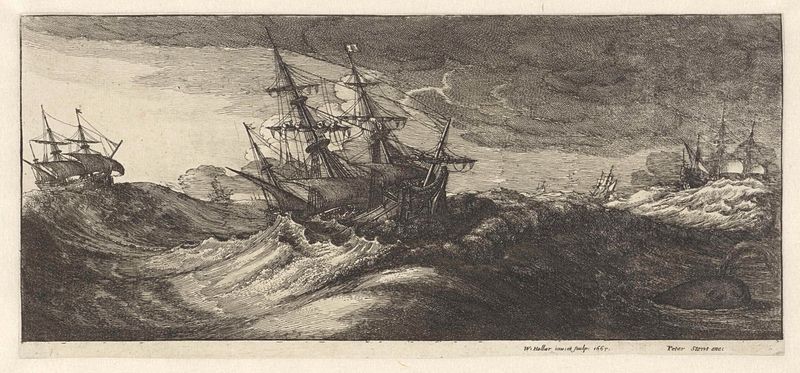
Oorlogsschepen en een walvis in een zeestorm
Wenceslaus Hollar
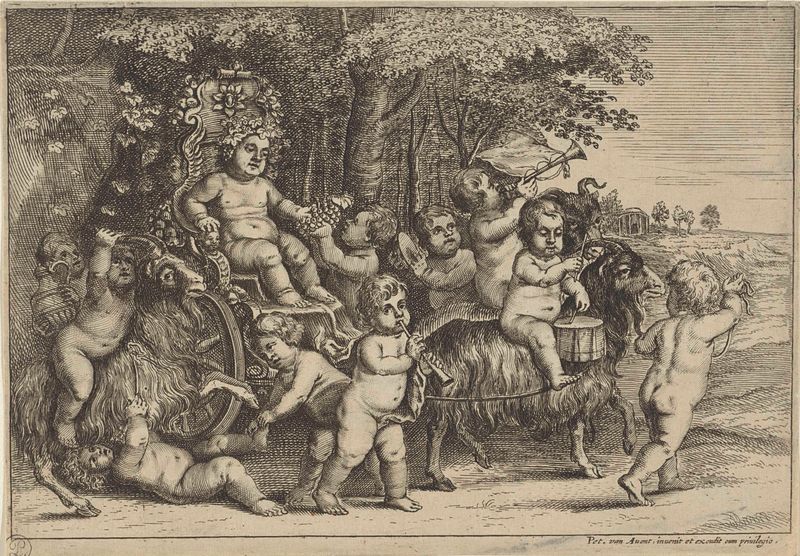
Optocht van bacchant en jongetjes op geiten
Wenceslaus Hollar
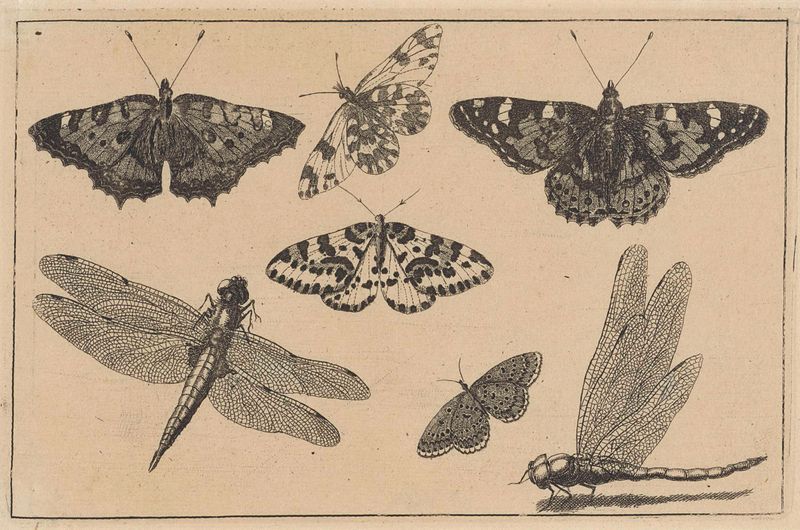
Twee libellen en vijf vlinders
Wenceslaus Hollar
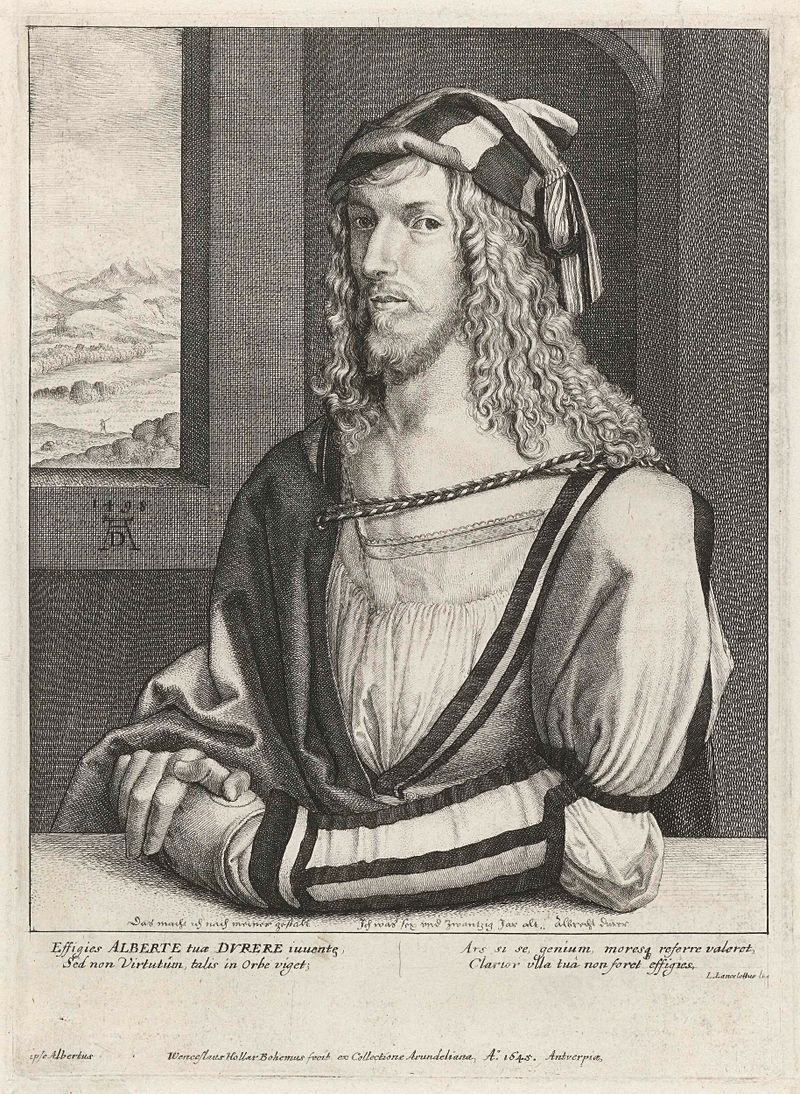
Portret van Albrecht Dürer
Wenceslaus Hollar
Ornamenteel ontwerp voor een dolk
Wenceslaus Hollar
Gezicht op Praag vanaf de Moldau
Wenceslaus Hollar





