
Duncannon Street, from Charing Cross — History & Facts
What if beauty was never meant to be finished? In the ebb and flow of the city, there lies a poignant solitude, an echo of moments captured yet never fulfilled. Focus on the intricate lines that weave together the architecture of the scene. Notice how the sharp contrasts of light and shadow define the buildings, the delicate interplay creating a sense of depth and distance. The viewer's gaze is guided through the tightly packed streets, where the soft grays and muted earth tones invoke a yearning for connection amidst the crowded silence. Hidden within this urban landscape are whispers of isolation.
The lone figure, almost swallowed by the towering structures, embodies the paradox of city life — bustling yet achingly alone. Each building stands like a sentinel, a reminder of the many lives intersecting yet remaining separate, emphasizing the emotional tension of anonymity in a crowded world. The rough textures of the print reveal the artist's struggle with capturing not just form but the essence of what it means to be in a space filled with others yet entirely solitary. In 1928, Joseph Pennell created this work during a time when modernism embraced both innovation and introspection.
Living in London, he was inspired by the rapid urban transformation around him, reflecting the complexities of life in the modern era. As an illustrator and printmaker, he sought to blend the real with the emotional, capturing the loneliness that can coexist within the vibrancy of the city’s heartbeat.
More Artworks by Joseph Pennell
Browse all →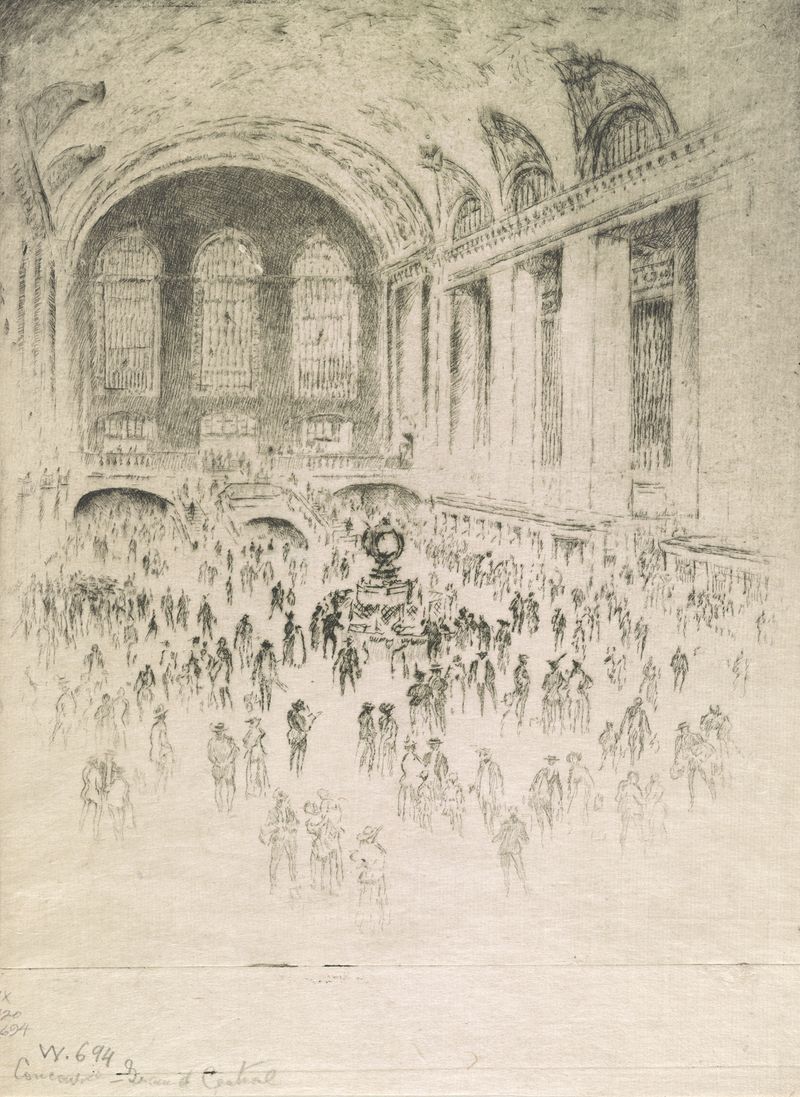
Concourse, Grand Central
Joseph Pennell
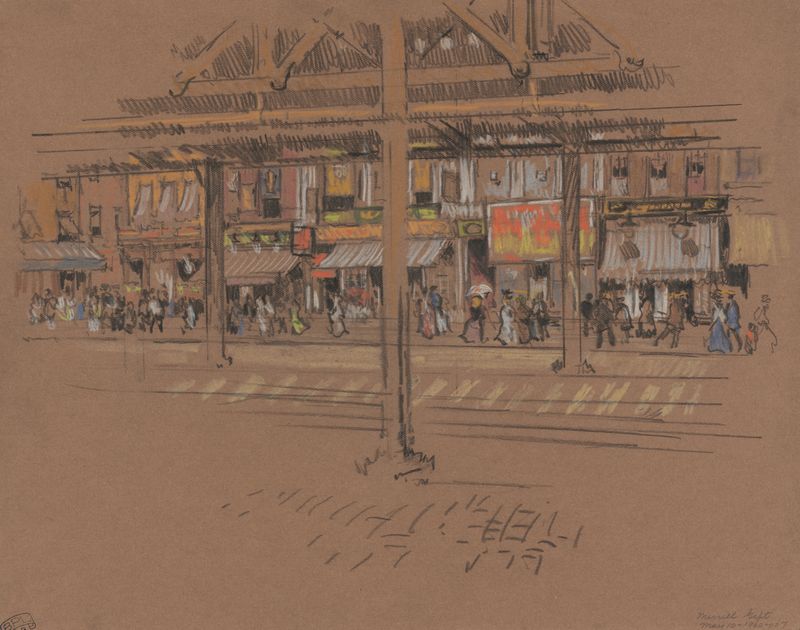
Sixth Avenue
Joseph Pennell
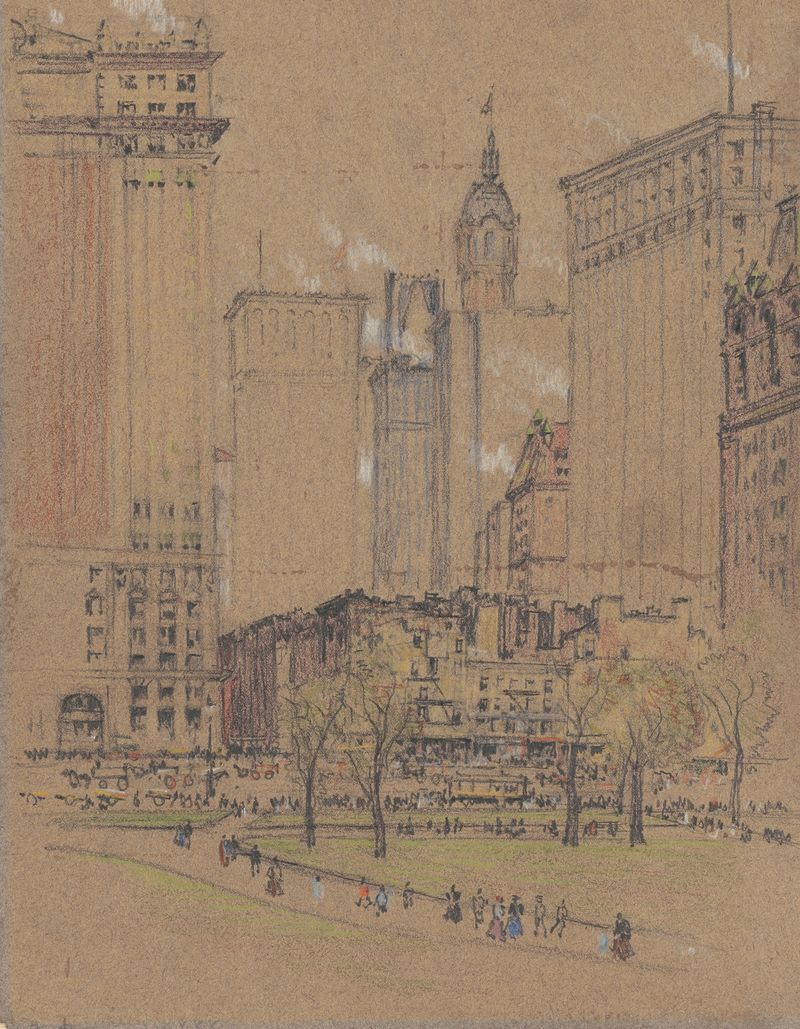
New York,the Old and the New
Joseph Pennell
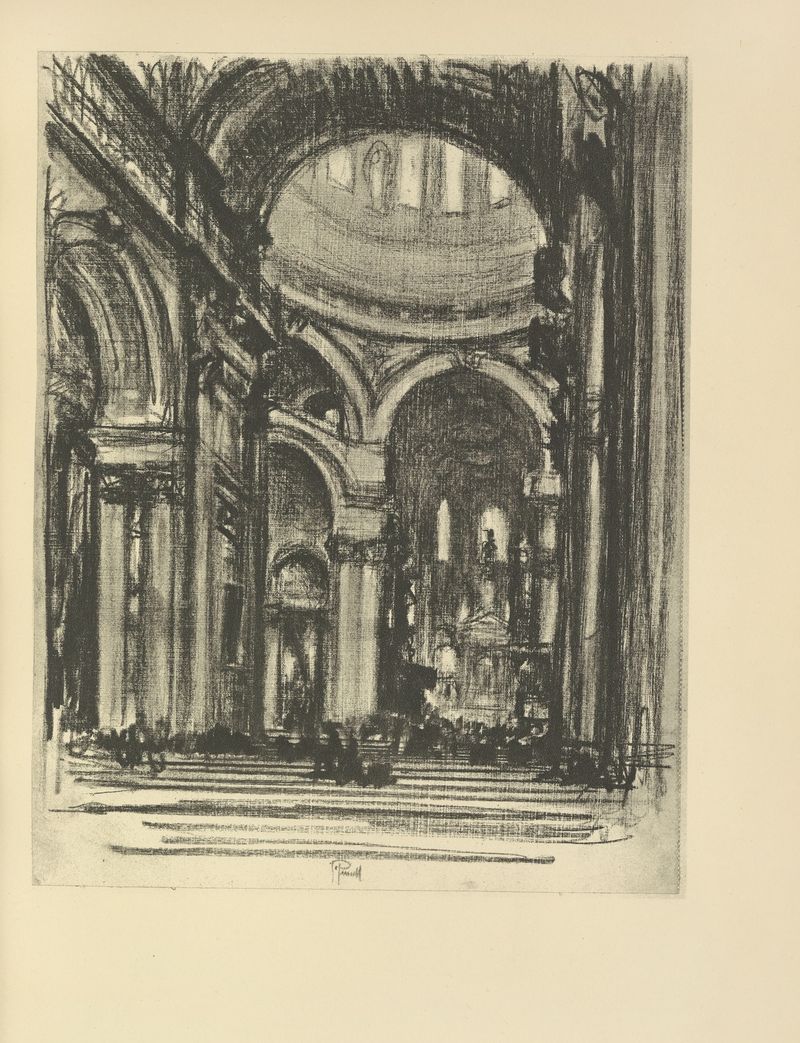
St. Paul’s, The Nave
Joseph Pennell
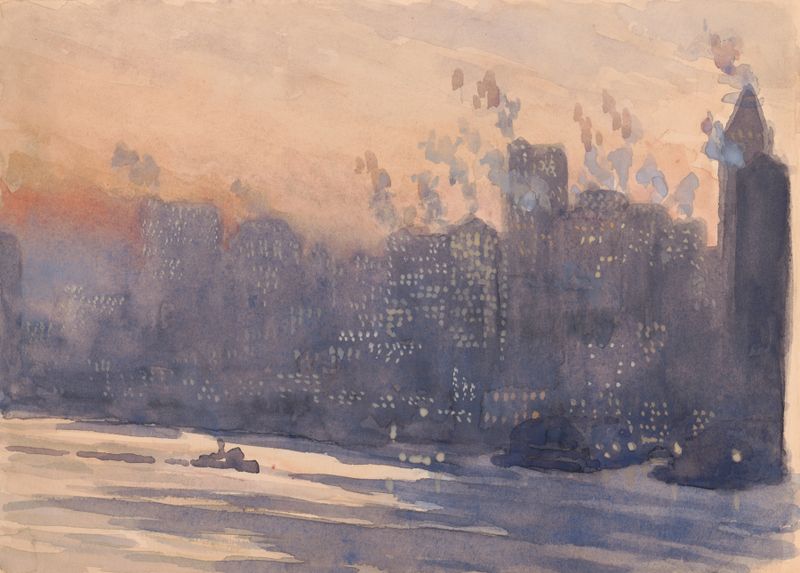
New York City harbor and skyline at night
Joseph Pennell
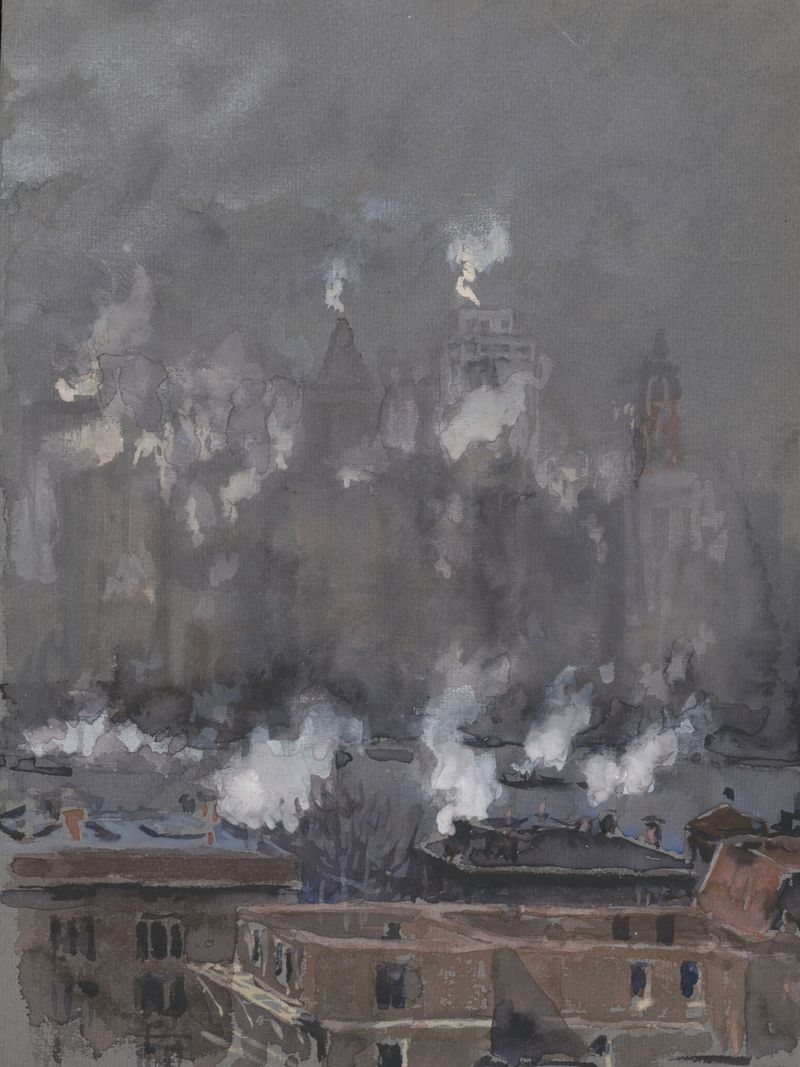
Smoke and fog on gray day, New York City
Joseph Pennell
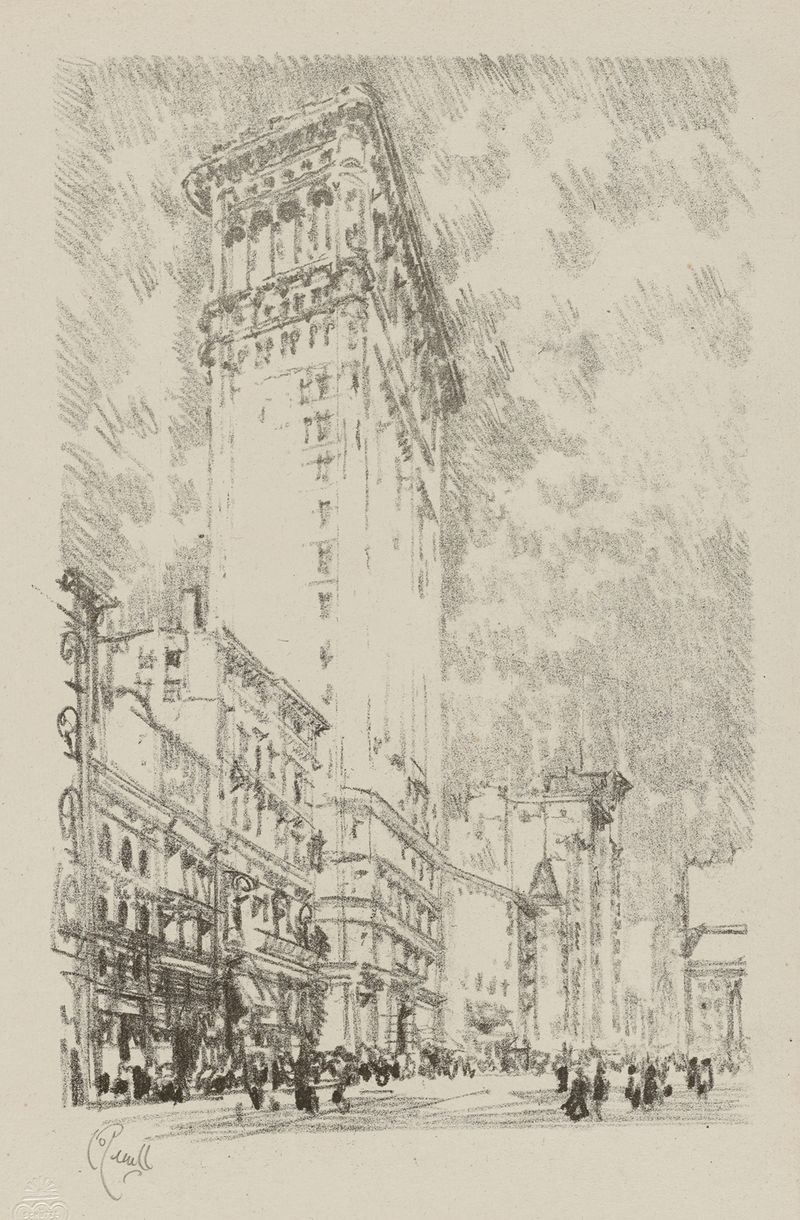
The Flat Iron
Joseph Pennell
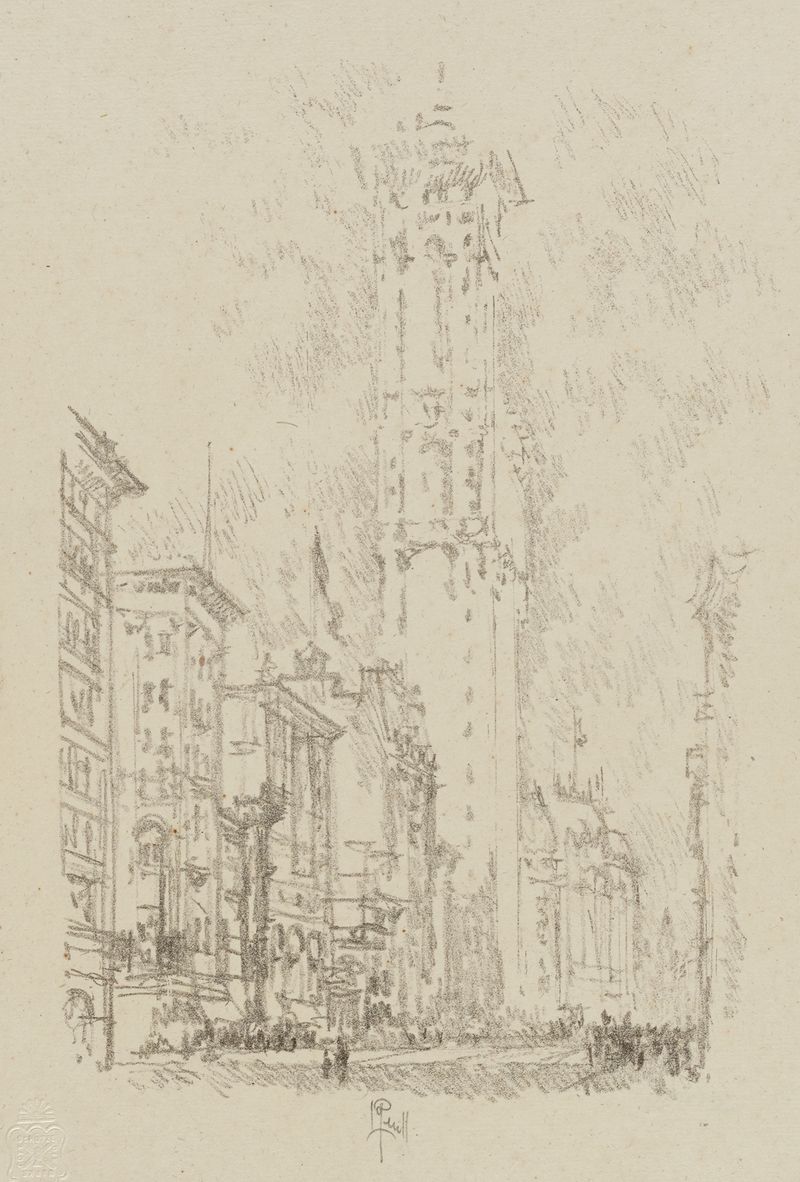
The Times Building
Joseph Pennell
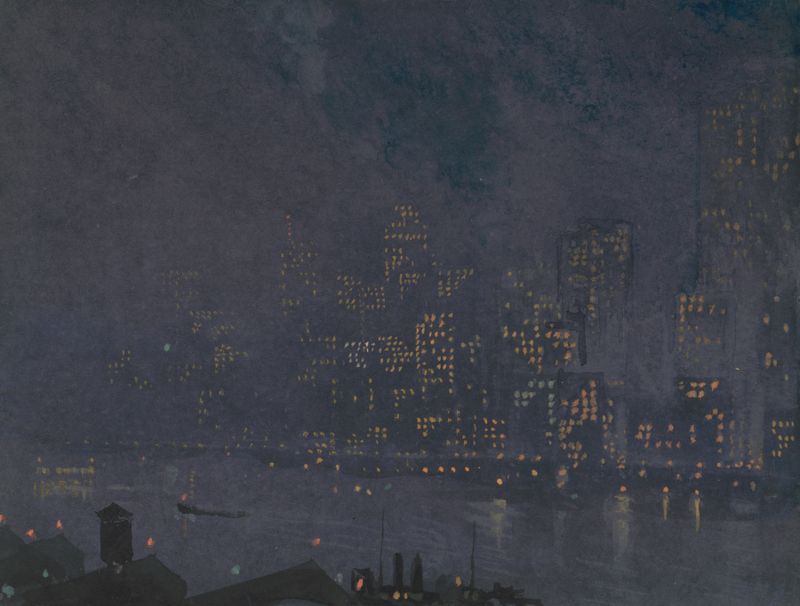
Skyscrapers at night
Joseph Pennell

St. James’ Park
Joseph Pennell
More Architecture Art
Browse all →
The statue of Liberty
Frédéric Auguste Bartholdi

View of Houses in Delft, Known as ‘The Little Street’
Johannes Vermeer

View of Houses in Delft, Known as ‘The Little Street’
Johannes Vermeer

The Cathedral in Rouen. The portal, Grey Weather
Claude Monet

The yellow house
Vincent van Gogh

The Church in Auvers-sur-Oise, View from the Chevet
Vincent van Gogh