
Durham Cathedral — History & Facts
Could a single brushstroke hold eternity? In capturing the essence of Durham Cathedral, memory intertwines with the artist's vision, inviting viewers to ponder the weight of time and space. Look to the left at the cathedral's majestic spires, rising defiantly against a brooding sky, their intricate details rendered with delicate precision. The soft yet dramatic interplay of light and shadow envelops the scene, while the muted palette of grays and blues evokes a sense of tranquility mixed with reverence. Notice how the artist's careful brushwork creates a rhythm throughout the architecture, drawing the eye into the depth of the structure and giving life to the stone. Beneath the surface lies a tension between permanence and transience.
The cathedral stands as a testament to human aspiration, yet the gentle sweep of clouds hints at the passage of time, suggesting that, though monumental, even the greatest constructs are subject to the ravages of memory. The slight variations in color reflect a deeper emotional resonance, connecting the viewer to the sacredness of the site while simultaneously evoking the fleeting nature of existence. During this period in the late 18th century, Edward Dayes was immersed in the Romantic movement, creating works that celebrated the sublime in nature and architecture. Working in England, he sought to capture the essence of historical landmarks, reflecting not only his personal experiences but also the growing national pride in Britain’s cultural heritage.
As he painted, the world was shifting—an era of exploration and discovery was giving way to a renewed appreciation for the past, threading together memory and art with profound significance.
More Artworks by Edward Dayes
Browse all →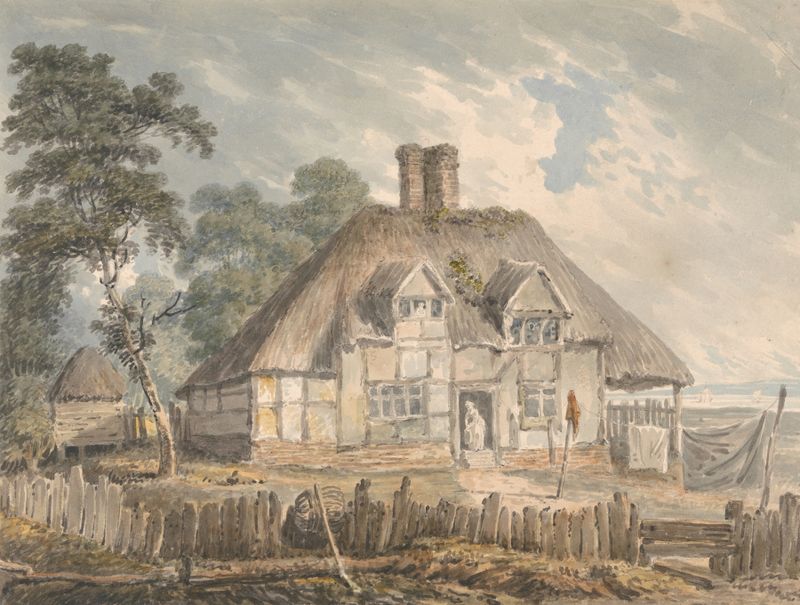
A Cottage near Southampton
Edward Dayes
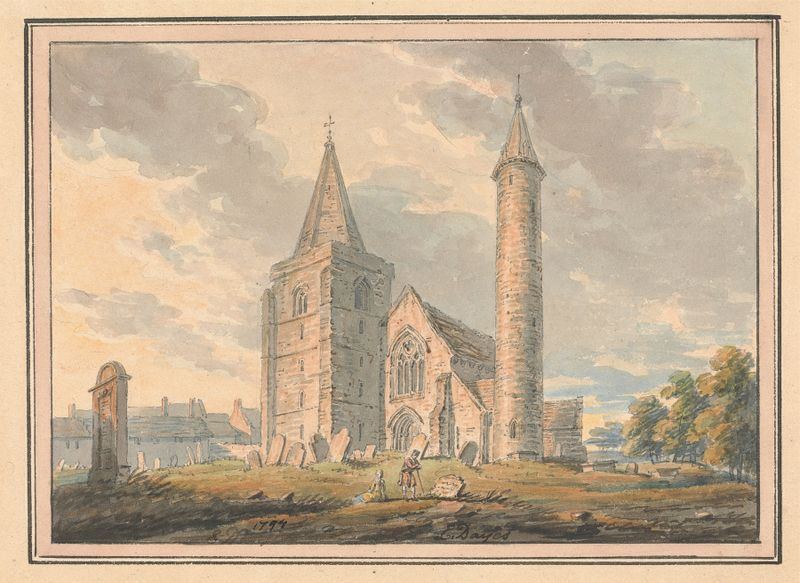
Brechin Cathedral and round tower, Forfarshire, Scotland
Edward Dayes
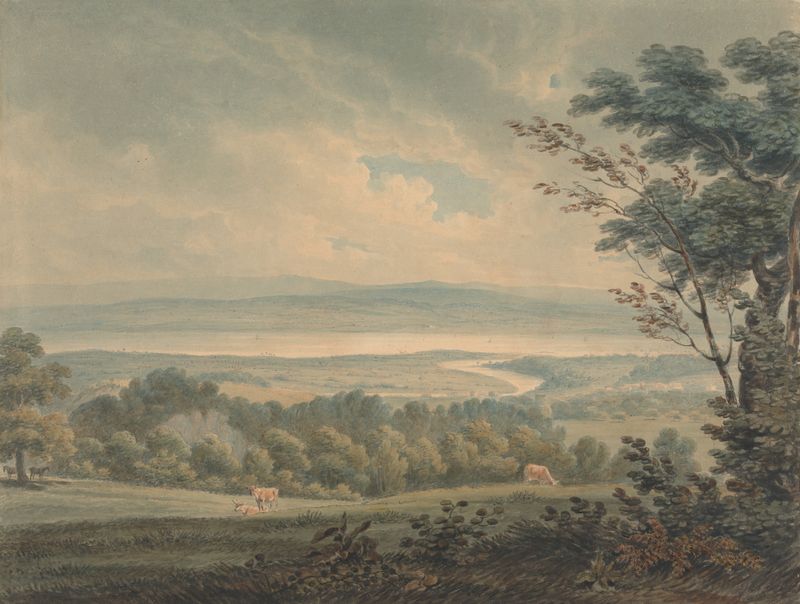
The Meeting of the Rivers Severn and Wye, near Chepstow
Edward Dayes

Ruins of the Old Kirk, Isle of Bute
Edward Dayes
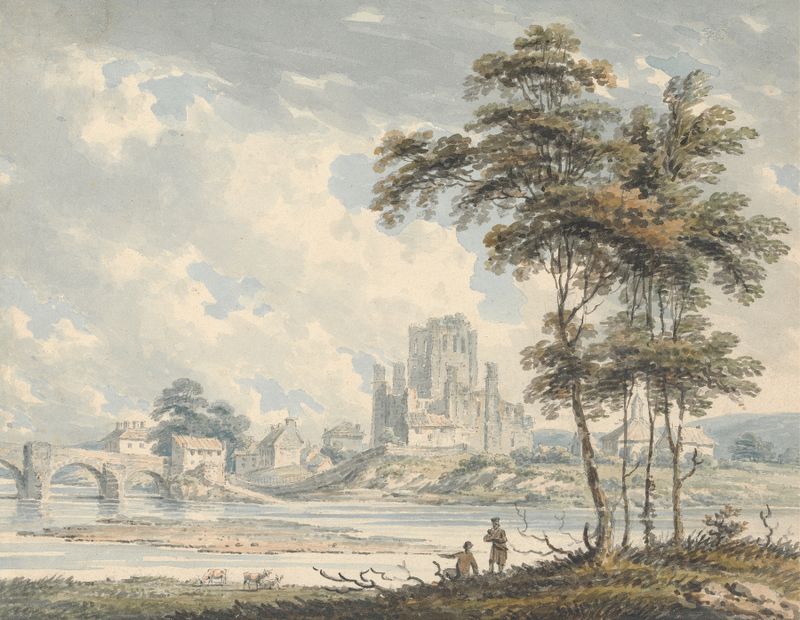
Kelso Abbey, Rosburghshire
Edward Dayes
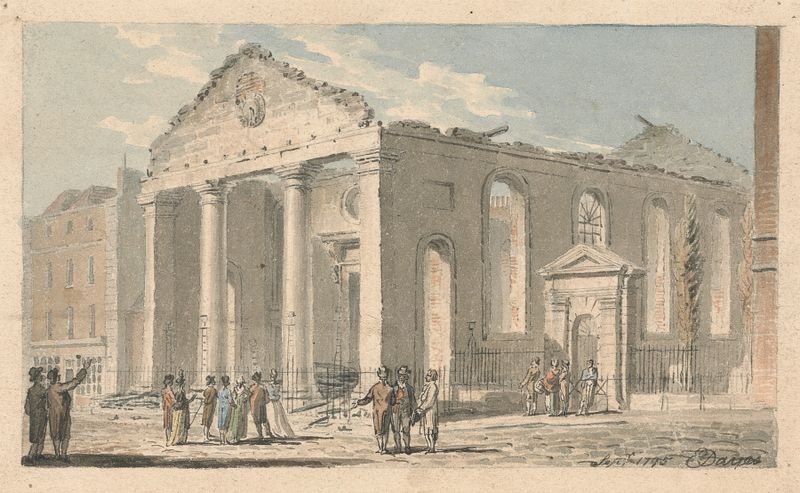
St. Paul’s Church, Covent Garden, after the fire
Edward Dayes
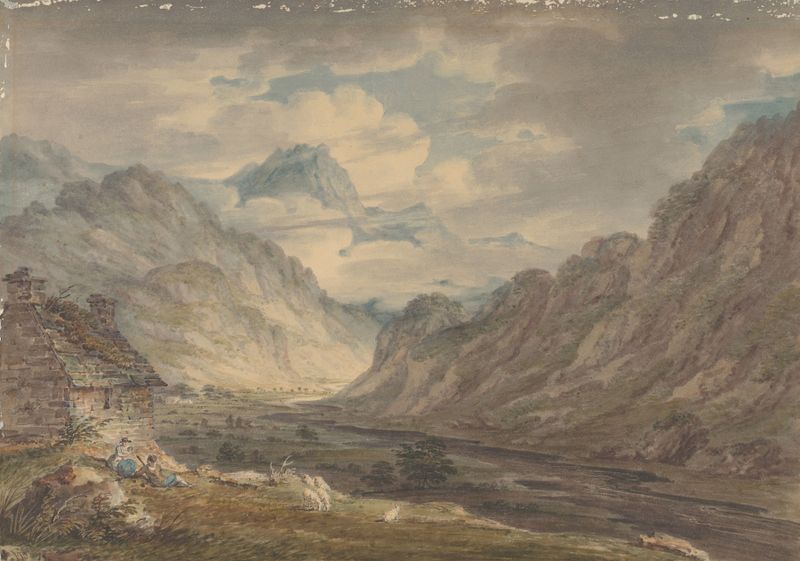
The Honister Pass from Gatesgarth Farm, Gatesgarthdale, Lake District
Edward Dayes
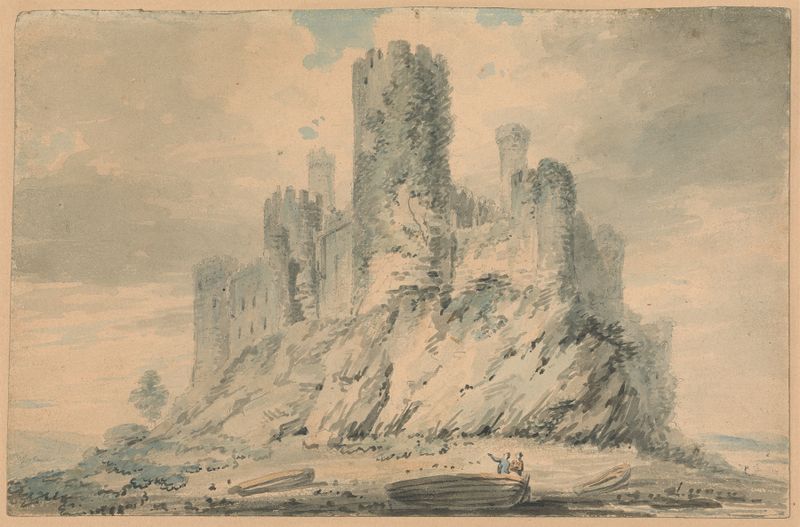
Conway Castle, Caernarvonshire
Edward Dayes
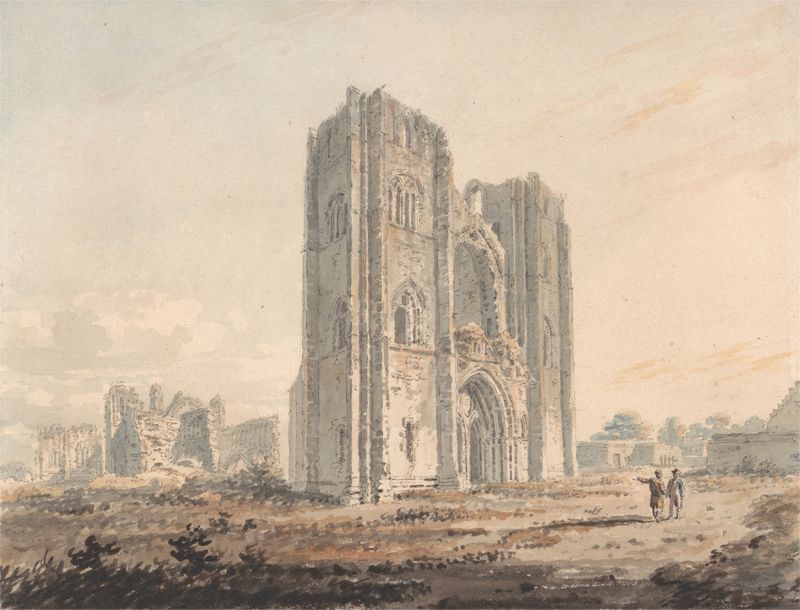
Elgin Cathedral, Moray
Edward Dayes

Lake scene
Edward Dayes
More Architecture Art
Browse all →
The statue of Liberty
Frédéric Auguste Bartholdi

View of Houses in Delft, Known as ‘The Little Street’
Johannes Vermeer

View of Houses in Delft, Known as ‘The Little Street’
Johannes Vermeer

The Cathedral in Rouen. The portal, Grey Weather
Claude Monet

The yellow house
Vincent van Gogh

The Church in Auvers-sur-Oise, View from the Chevet
Vincent van Gogh