
Dusk — History & Facts
Is this a mirror — or a memory? In Dusk, the delicate balance between reflection and nostalgia paints a haunting exploration of rebirth, where the fading light of day hints at the promise of a new beginning. Look to the left at the tranquil face of a woman, her profile softly illuminated by the fading sunlight. The muted palette of violets and blues envelops her, creating an ethereal atmosphere that draws the viewer into the moment. Notice how the light gently caresses her skin, merging with the shadows that dance around her, evoking an intimate harmony between the known and the unknown.
The serene composition invites contemplation, urging the viewer to ponder the deeper narratives that lie beneath the surface. In the subtle interplay of light and color, there emerges a profound emotional tension. The woman’s gaze, both distant and contemplative, suggests a longing for something just beyond reach, a rebirth from the remnants of the past. The juxtaposition of dusk, a time of transition, embodies both the beauty and fragility of change.
Each stroke conveys a sense of stillness, yet there’s an undercurrent of anticipation — a reminder that every ending contains the seeds of a new dawn. Eugène Jansson painted Dusk in 1895 during a period marked by artistic exploration in Sweden. Living in Stockholm, he was influenced by the Symbolist movement, which sought to capture deeper emotional truths through evocative imagery. Jansson’s focus on the interplay of light and atmosphere reflected the burgeoning modernist tendencies of the time, as he skillfully depicted intimate moments infused with poetic resonance.
More Artworks by Eugène Jansson
Browse all →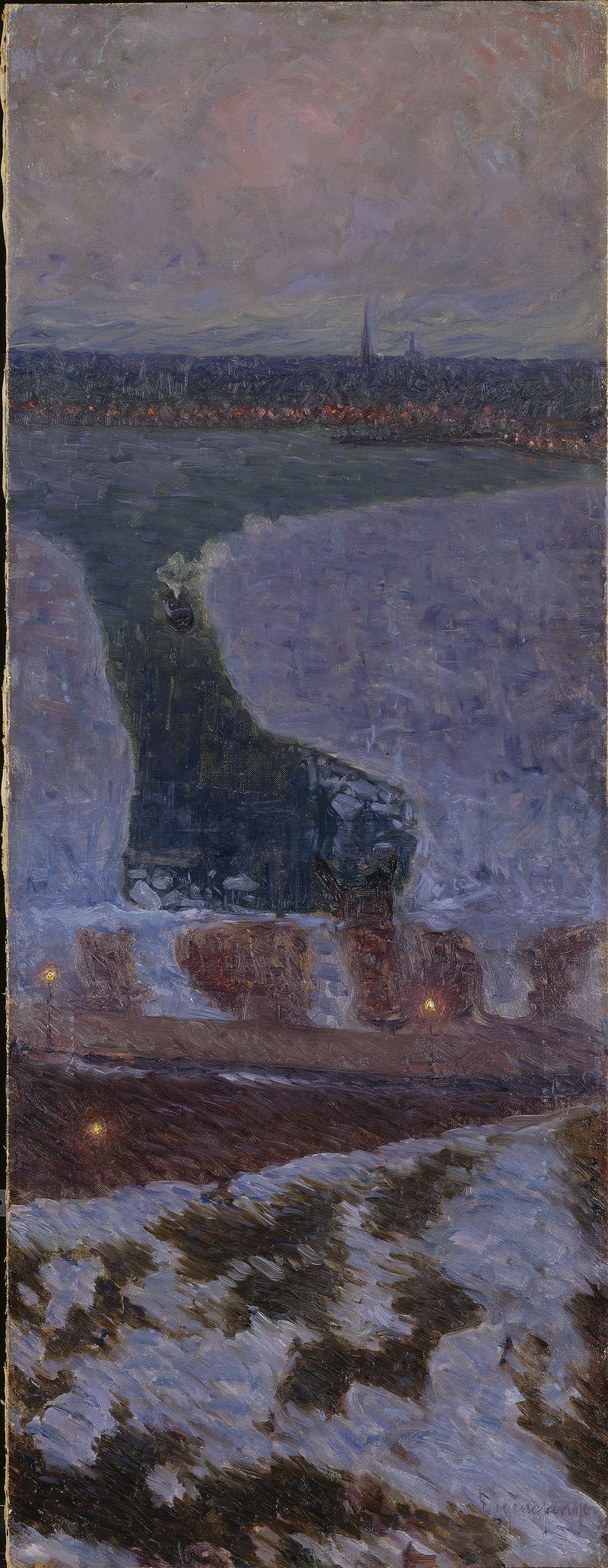
Riddarfjärden. A Stockholm
Eugène Jansson
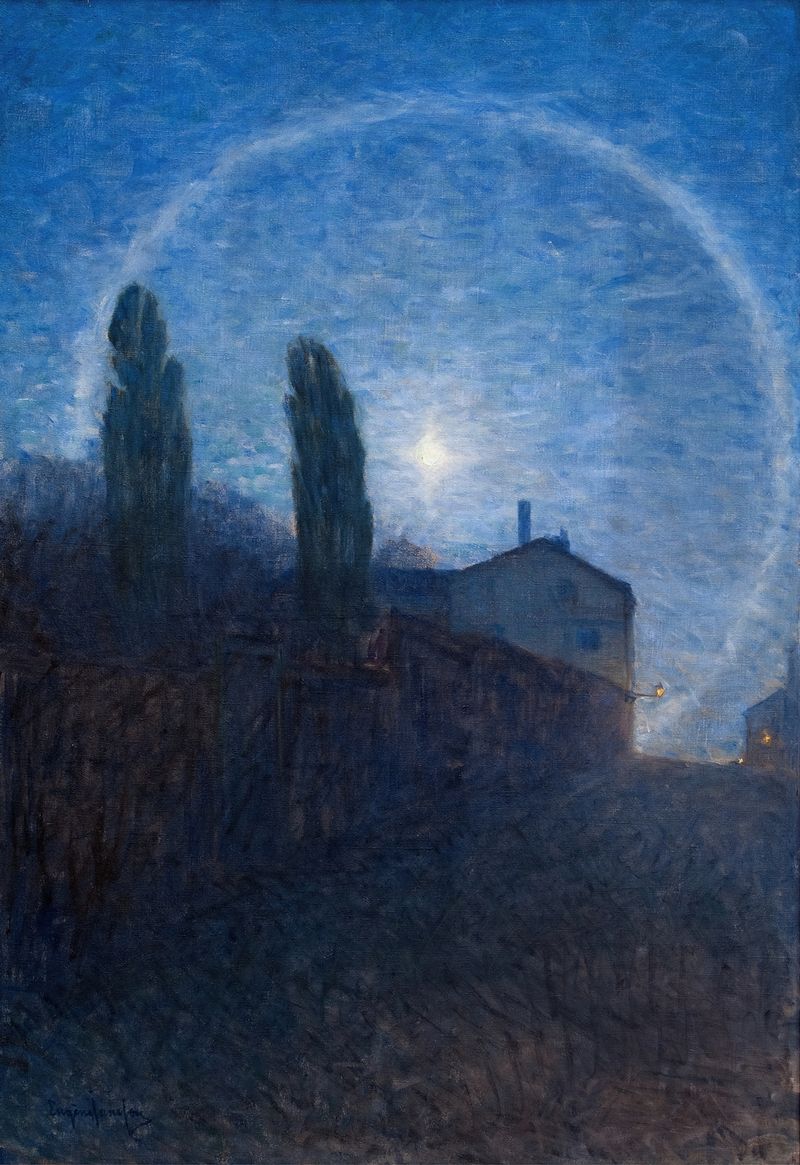
Lunar Halo
Eugène Jansson
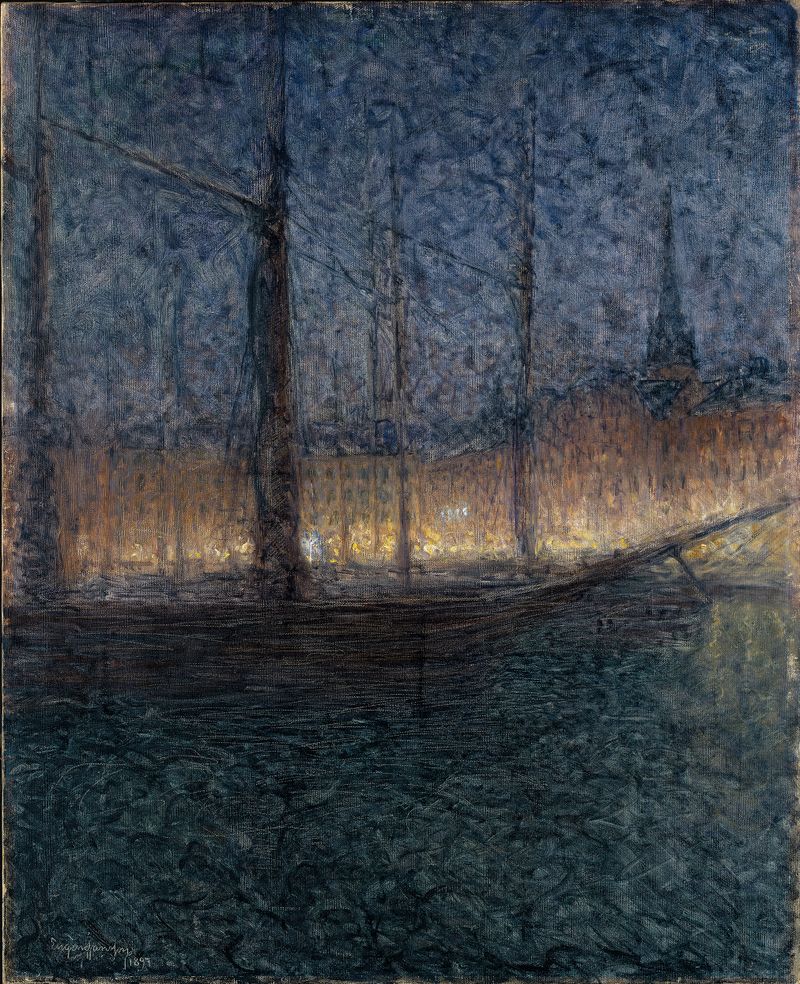
Evening in Kornhamnstorg, Stockholm
Eugène Jansson
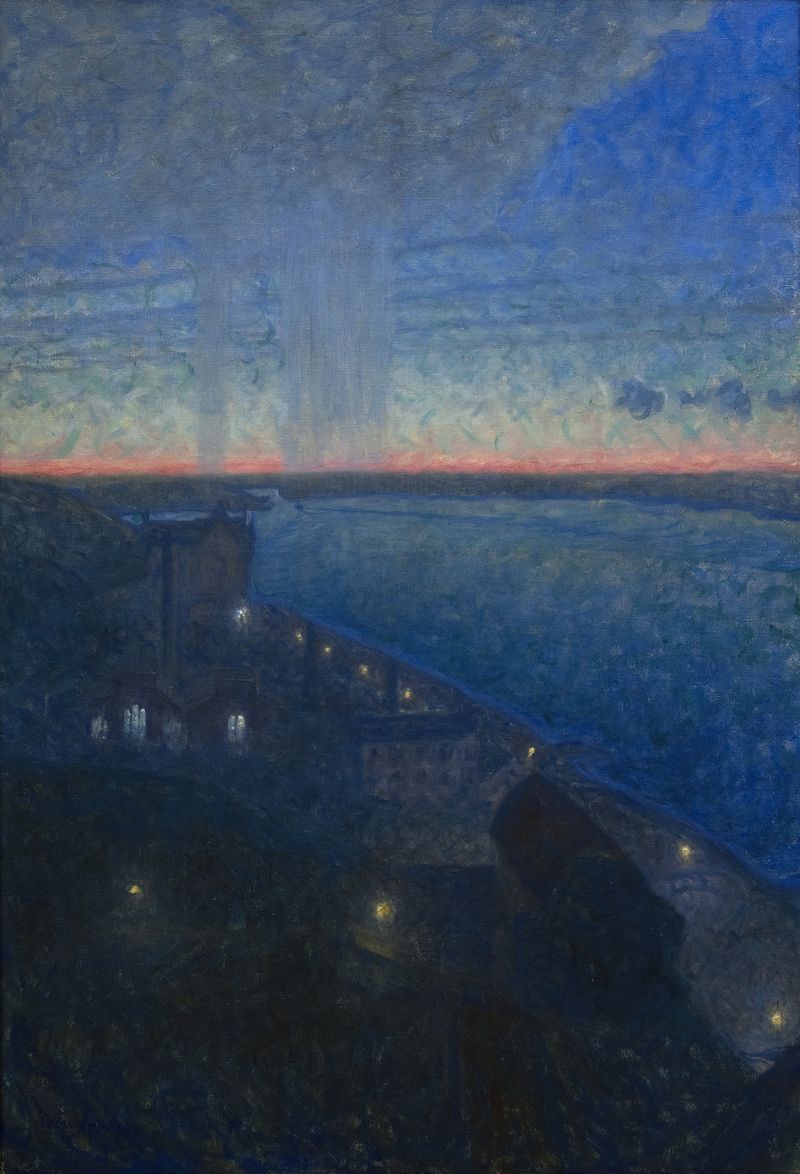
Söder Mälarstrand
Eugène Jansson
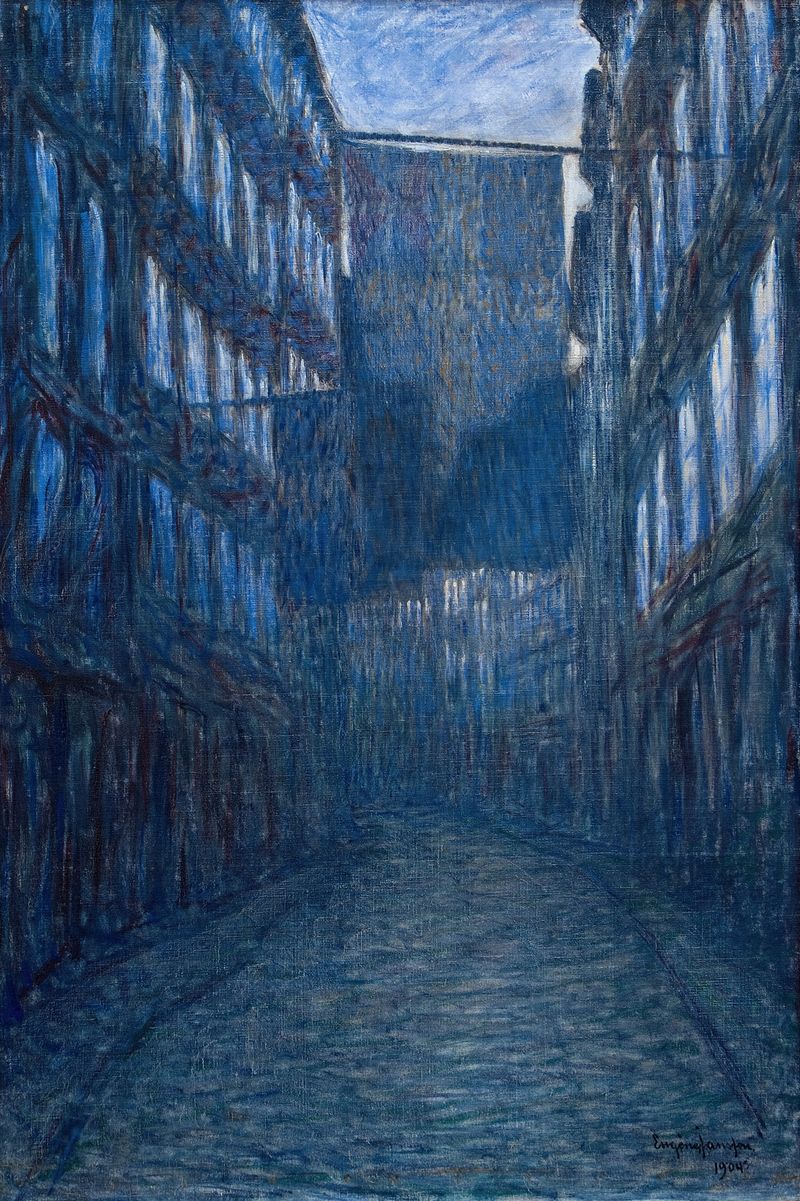
Österlånggatan
Eugène Jansson
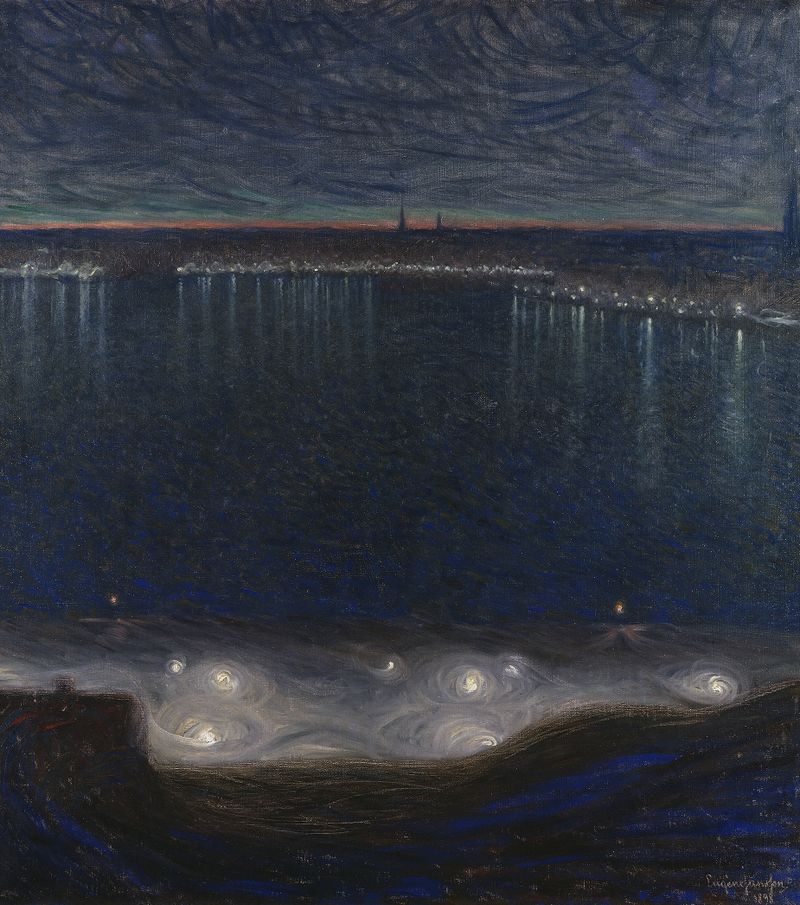
Riddarfjärden, Stockholm
Eugène Jansson
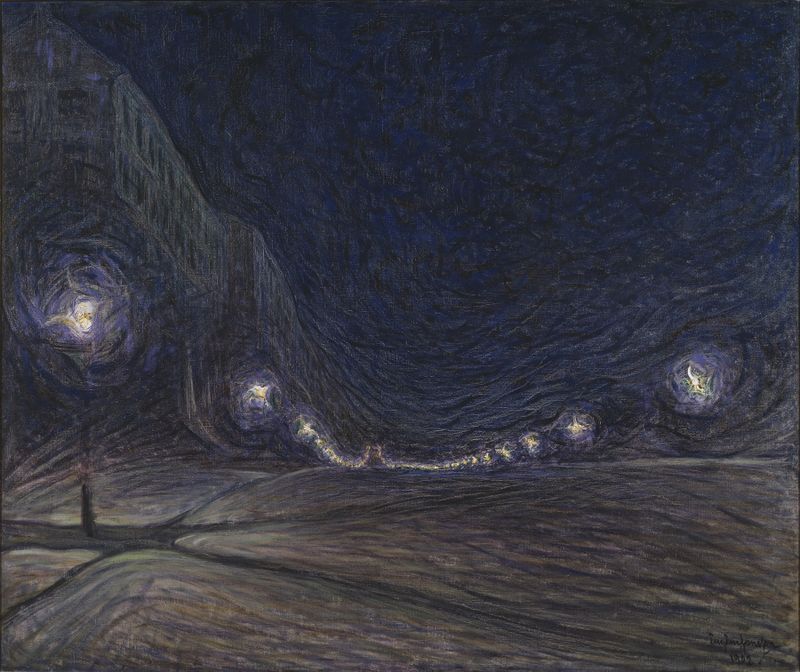
Hornsgatan by Night
Eugène Jansson
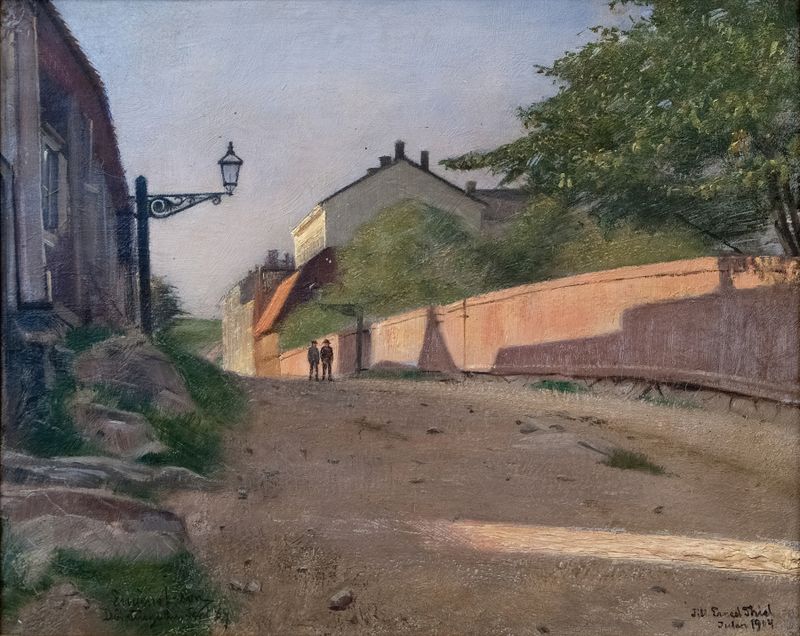
Döbelnsgatan
Eugène Jansson
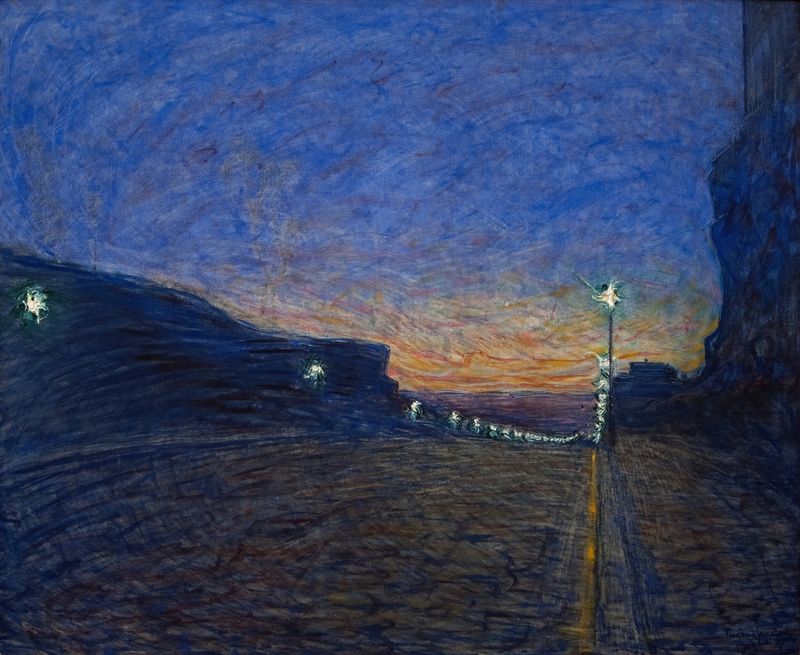
Hornsgatan
Eugène Jansson
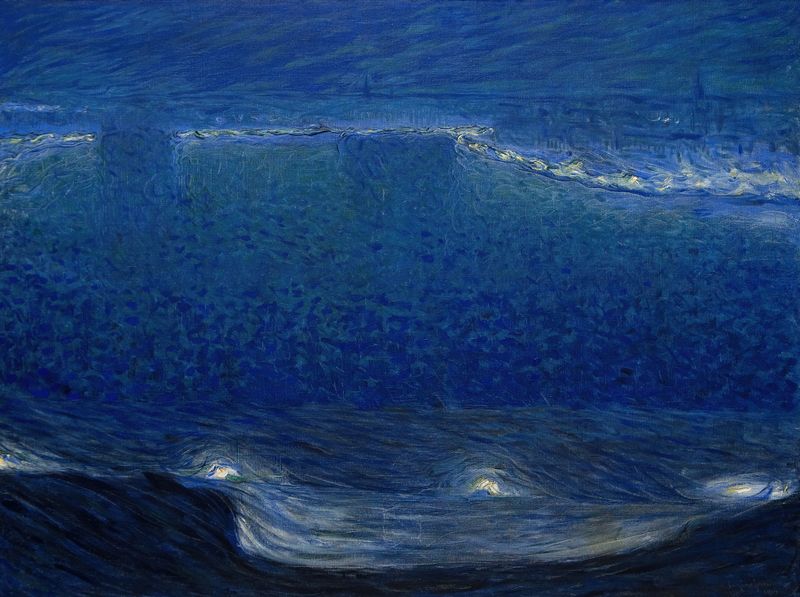
Nocturne
Eugène Jansson
More Portrait Art
Browse all →
Las meninas
Diego Velázquez

Self-portrait with a Bandaged Ear and Pipe
Unidentified artist

Girl with a Pearl Earring
Johannes Vermeer

The Sampling Officials of the Amsterdam Drapers’ Guild, Known as ‘The Syndics’
Rembrandt van Rijn

The Hundred Guilder Print: the man seen on the back in the lower left corner
Rembrandt van Rijn

Portrait of Dr Gachet
Vincent van Gogh