
Nocturne — History & Facts
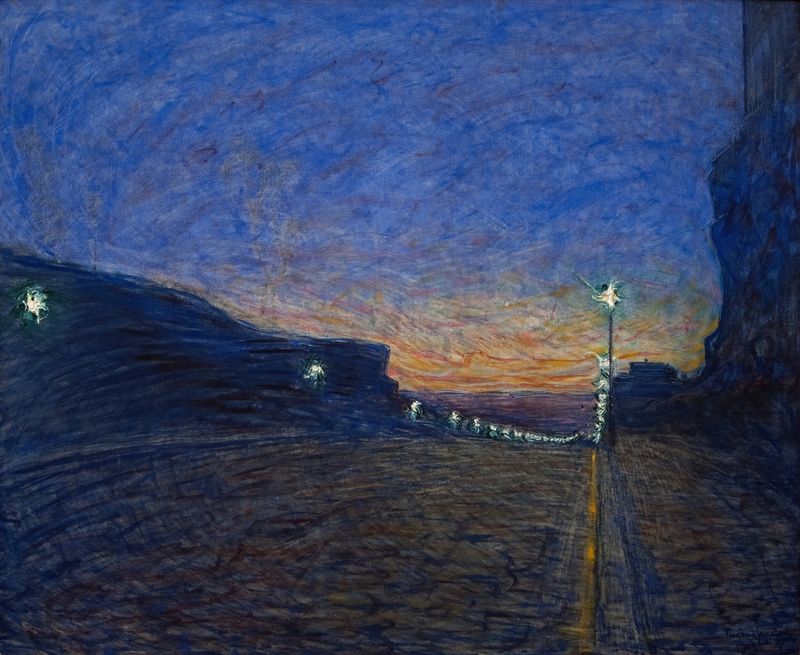
In the depths of twilight, shadows offer a sanctuary for secrets and revelations, whispering stories just out of reach. Look to the center of Nocturne, where a silent figure stands against an enveloping night, framed by a palette of blues and indigos that ripple like water beneath a moonlit sky. The soft glow of the streetlamp casts a warm halo, illuminating the contours of the face while leaving the surrounding darkness pregnant with mystery. The deliberate brushstrokes evoke a sensation of solitude, with each stroke breathing life into the interplay of light and shadow. Dive deeper, and you'll find emotional undercurrents hidden within the tranquility.
The juxtaposition of warmth and chill in color symbolizes the tension between inner thoughts and external realities. The figure seems suspended in time—caught between the safety of anonymity and the allure of self-disclosure. It is a dance of vulnerability; the viewer is compelled to question the intentions behind the solitude—are they seeking peace or searching for a path? Eugène Jansson created this haunting piece in 1901, a time marked by his exploration of the human psyche and the interplay of light and emotion in urban landscapes.
Living in Stockholm, he was influenced by the broader Symbolist movement, which sought to express the ineffable subtleties of existence. Amidst a transitioning world, Jansson's work reflects an introspective depth that resonates with the profound complexities of modern life.
More Artworks by Eugène Jansson
Browse all →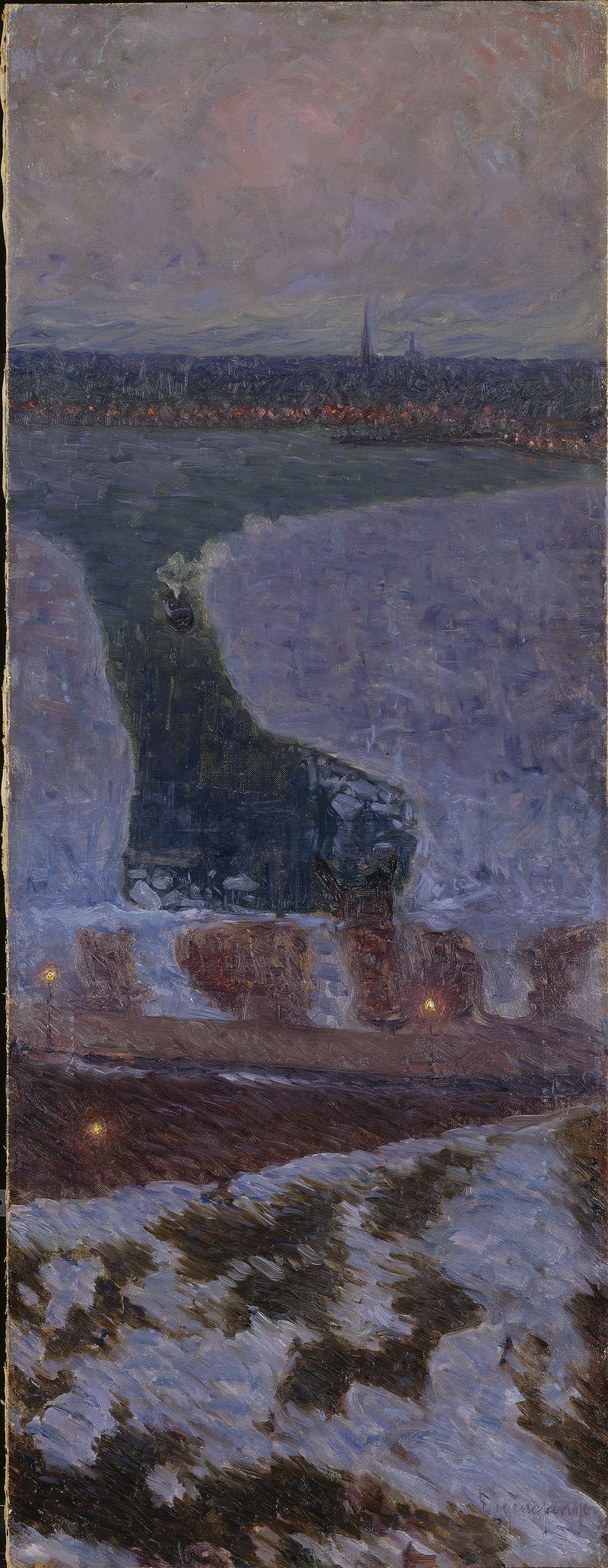
Riddarfjärden. A Stockholm
Eugène Jansson
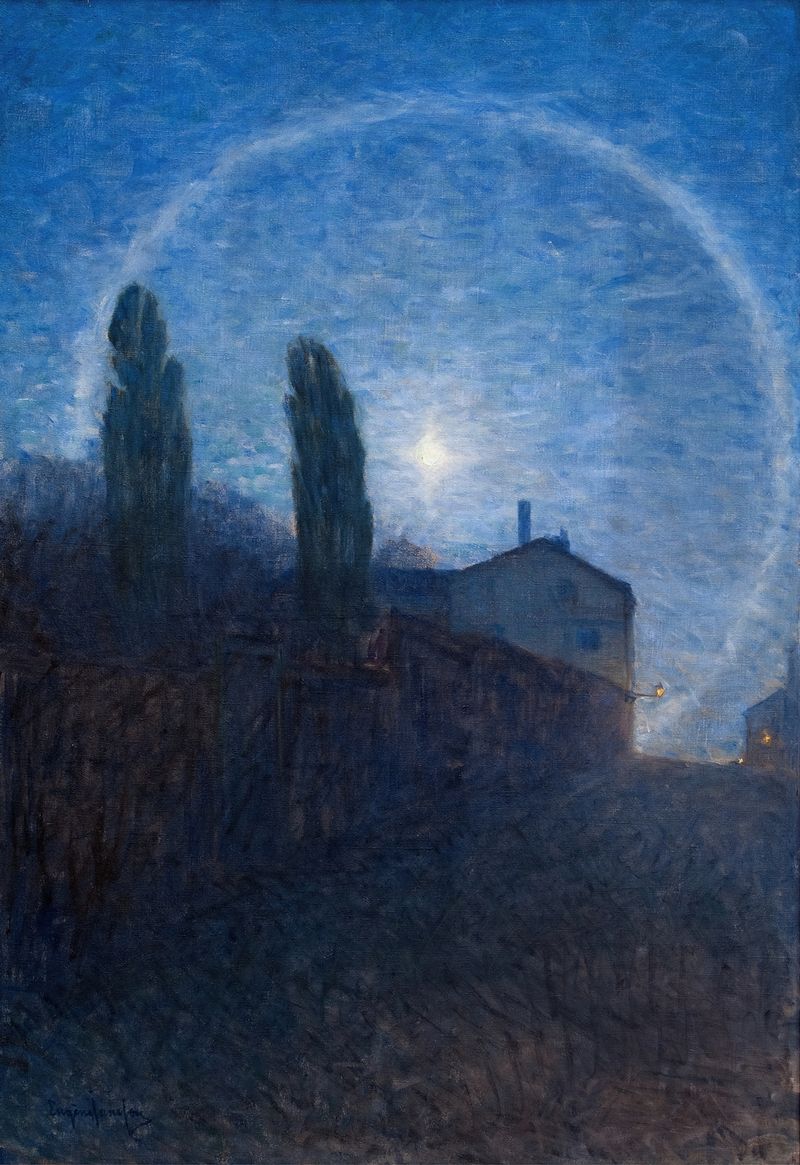
Lunar Halo
Eugène Jansson
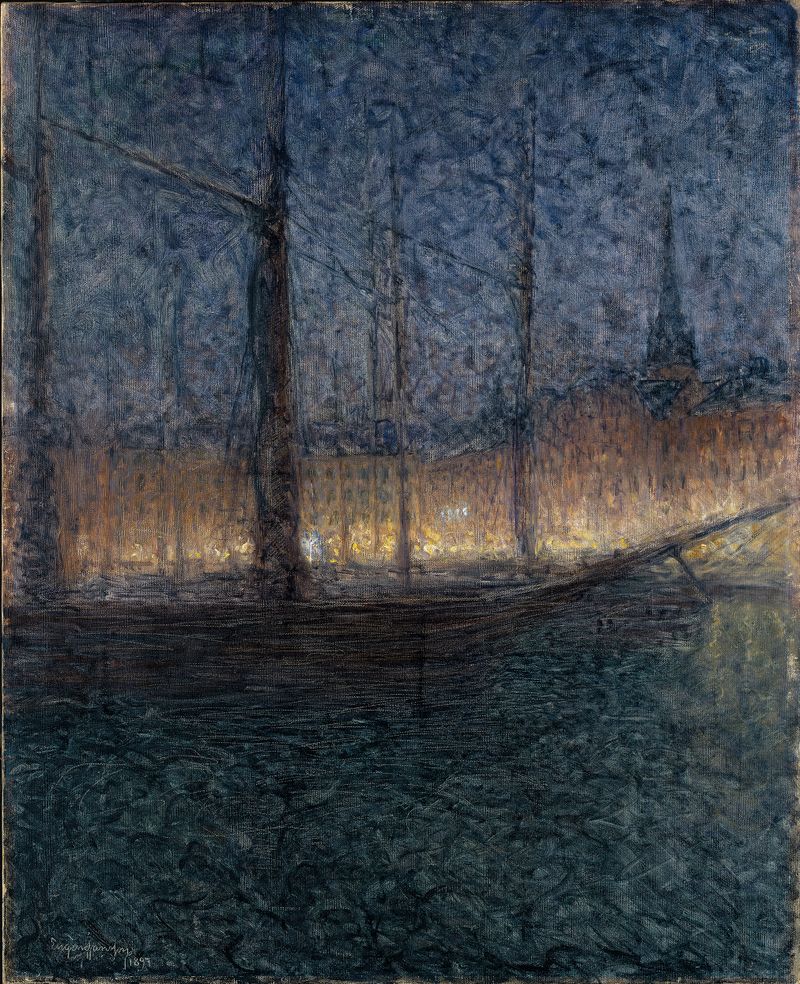
Evening in Kornhamnstorg, Stockholm
Eugène Jansson
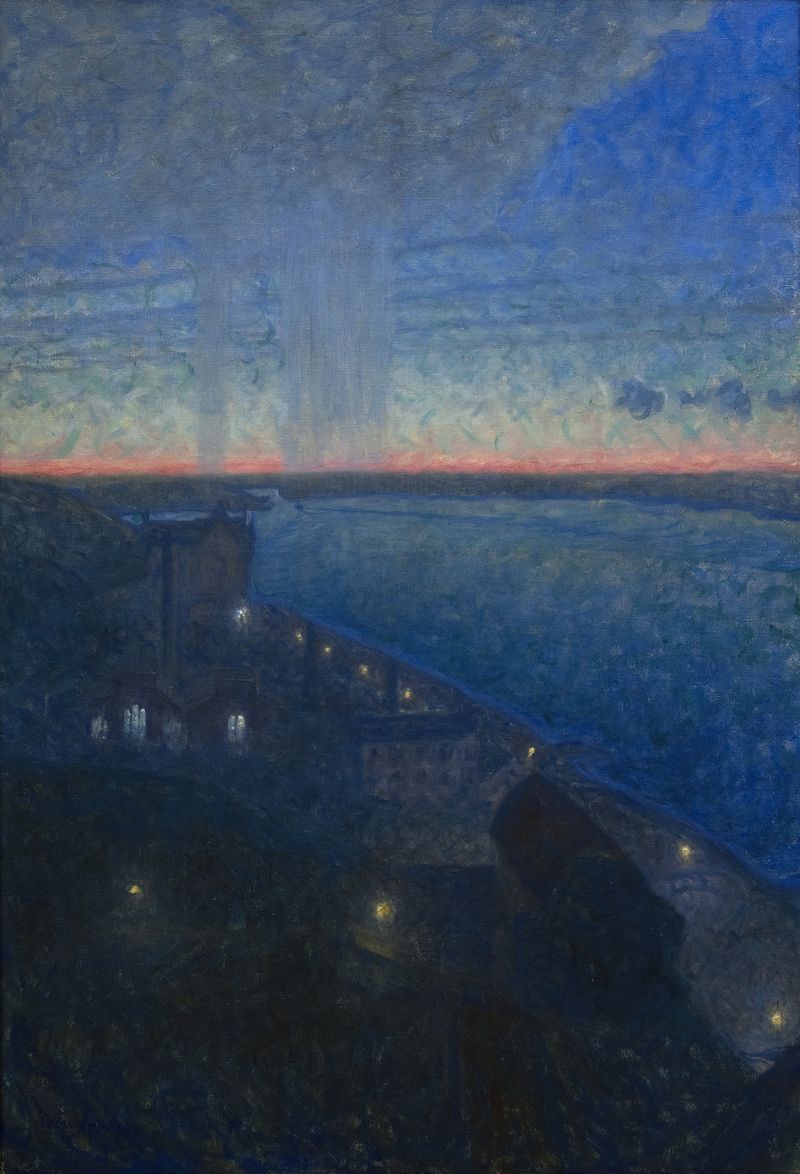
Söder Mälarstrand
Eugène Jansson
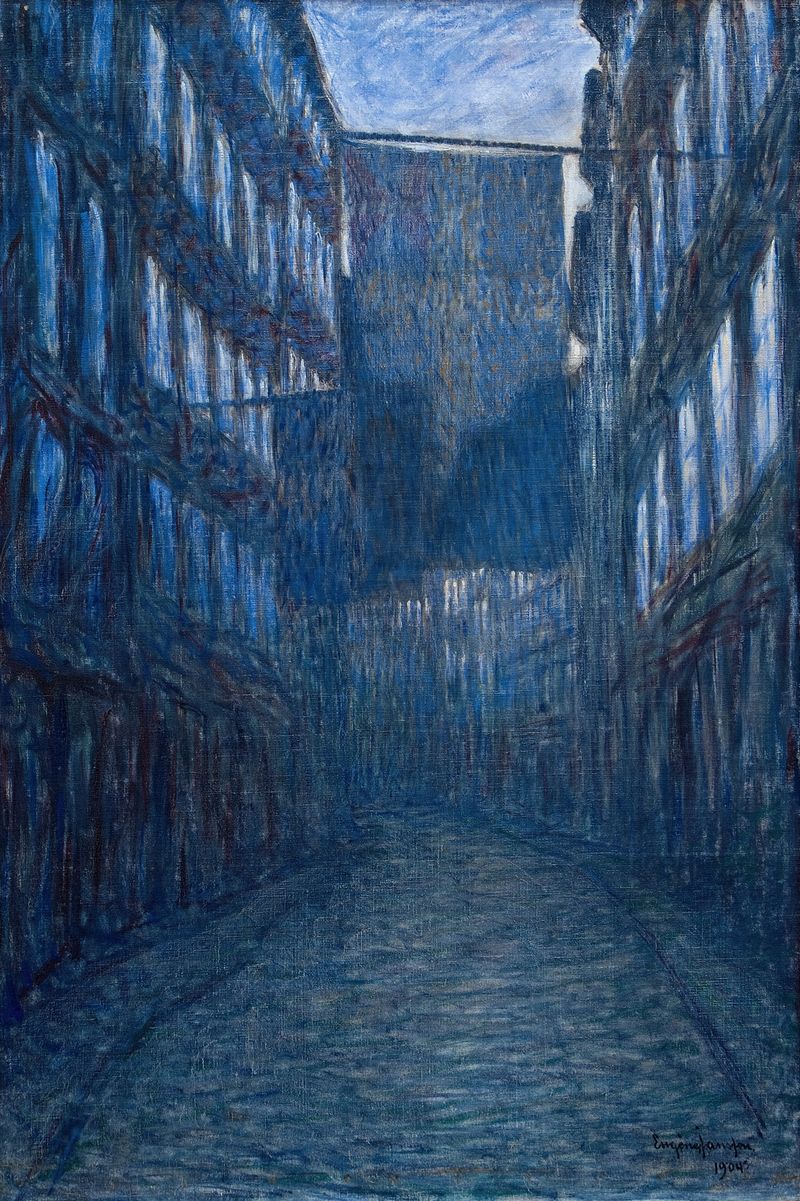
Österlånggatan
Eugène Jansson
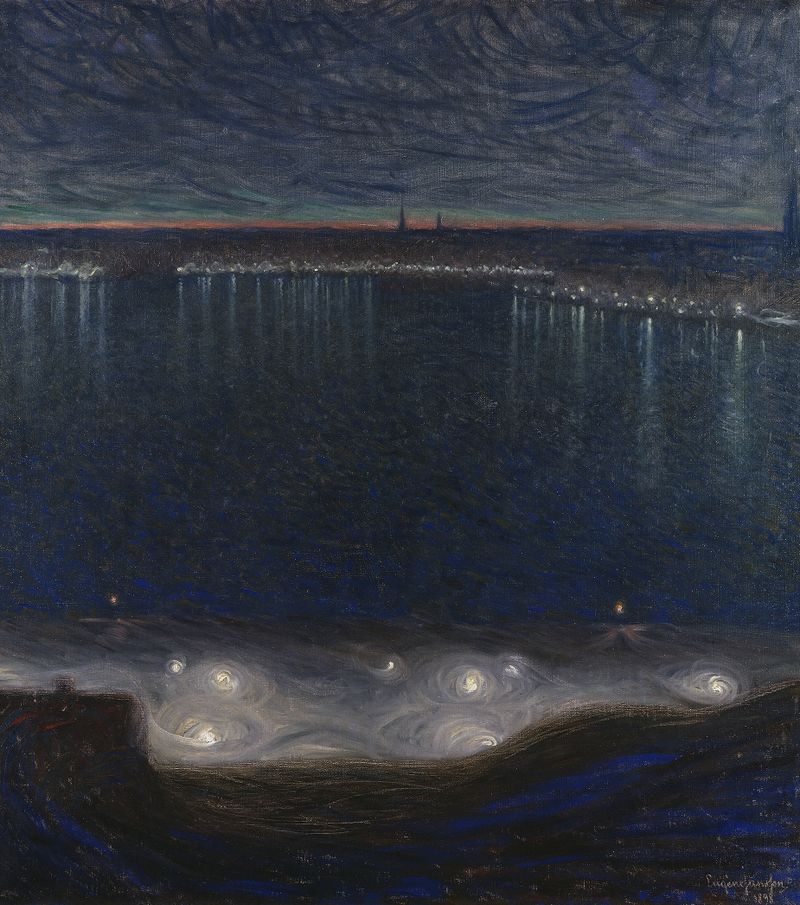
Riddarfjärden, Stockholm
Eugène Jansson
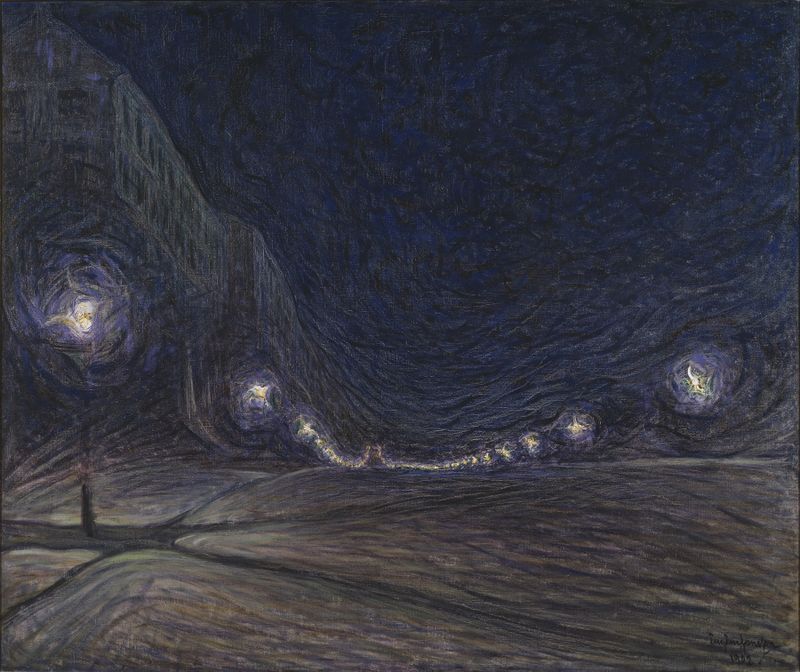
Hornsgatan by Night
Eugène Jansson
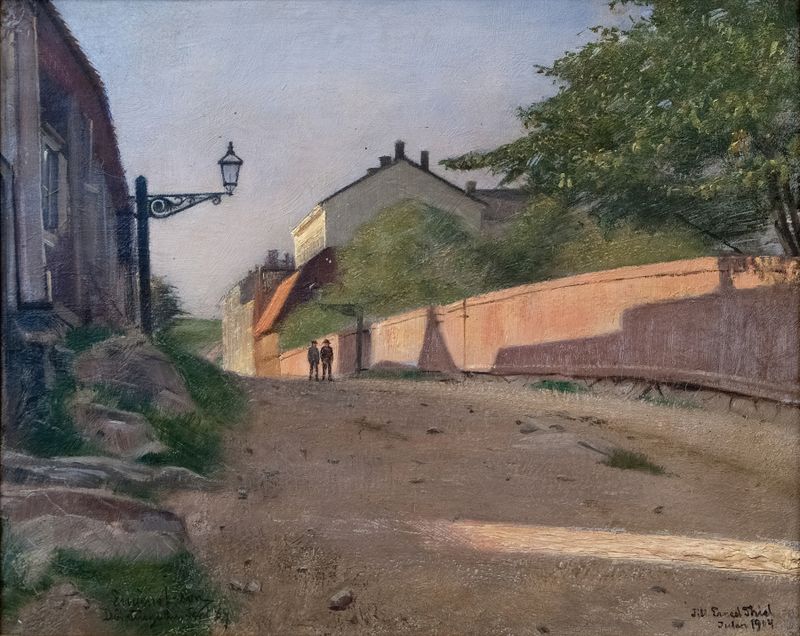
Döbelnsgatan
Eugène Jansson
Hornsgatan
Eugène Jansson
Winterscene, Stockholm
Eugène Jansson





