
Dusk — History & Facts
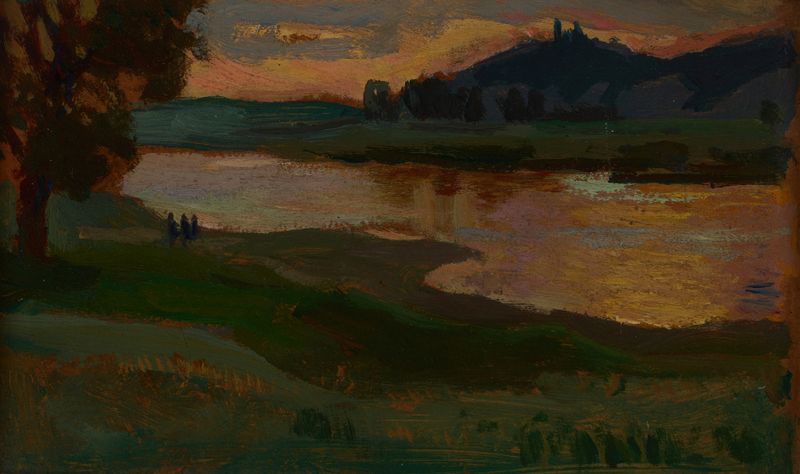
In the quiet moments of twilight, as day surrenders to night, the interplay of light becomes a profound meditation on existence and perception. Focus first on the delicate interplay of hues that saturate the canvas. The warm oranges and deep blues merge seamlessly at the horizon, creating a gradient that pulls the eye into the tranquil depths of dusk. Notice how the soft brushwork captures the fleeting light, as if each stroke encapsulates a moment that is both ephemeral and eternal, inviting you to linger in that transitional space. The composition reveals an emotional tension between the vibrancy of the colors and the stillness they evoke.
The rising silhouettes of trees stand steadfast against the fading day, suggesting resilience in the face of inevitable change. This dichotomy between light and shadow, movement and stillness, speaks to the transient nature of time and the lasting impressions it leaves behind. Each element resonates with a sense of introspection, encouraging the viewer to explore the feelings that lie beneath the surface. Jan Stanisławski painted Dusk in 1897 while living in Poland, a time marked by a burgeoning national identity and a unique artistic movement that sought to capture the essence of the natural world.
As a key figure in the Young Poland movement, he was influenced by both Impressionism and Symbolism, striving to convey emotional truths through the beauty of light and color. This painting reflects his commitment to capturing the fleeting beauty of life, a theme that resonates deeply with his contemporaries and continues to echo through the years.
More Artworks by Jan Stanisławski
Browse all →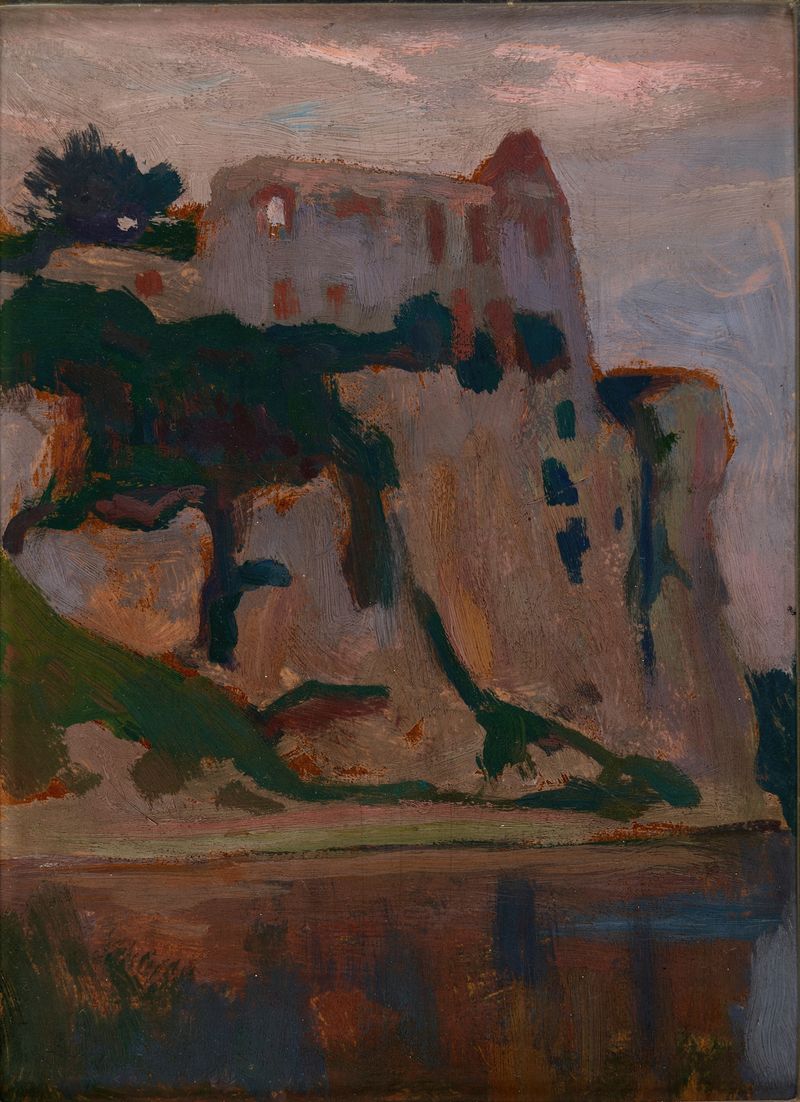
Tyniec at Dawn
Jan Stanisławski
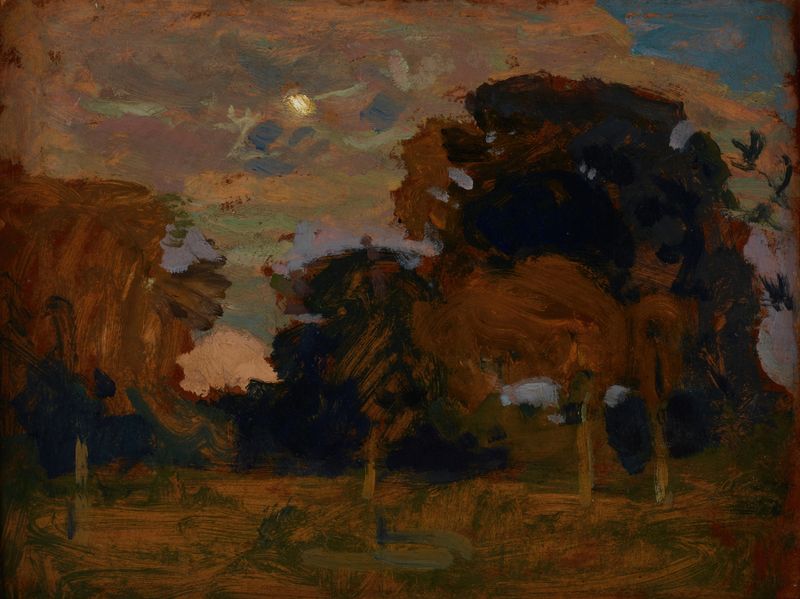
Moon in the Clouds
Jan Stanisławski
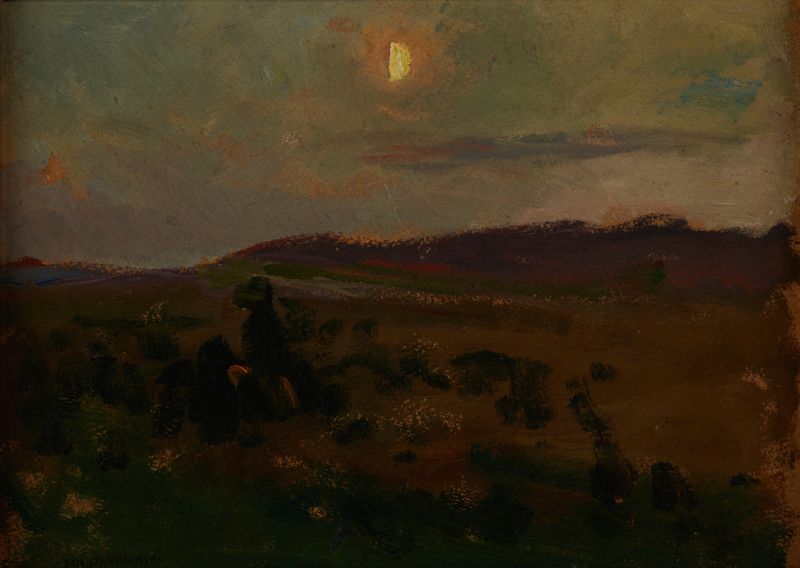
Moonrise
Jan Stanisławski
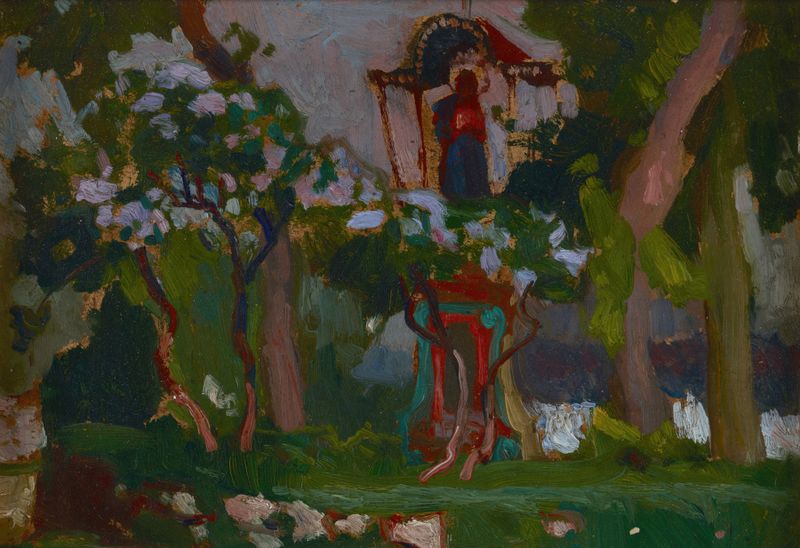
May
Jan Stanisławski
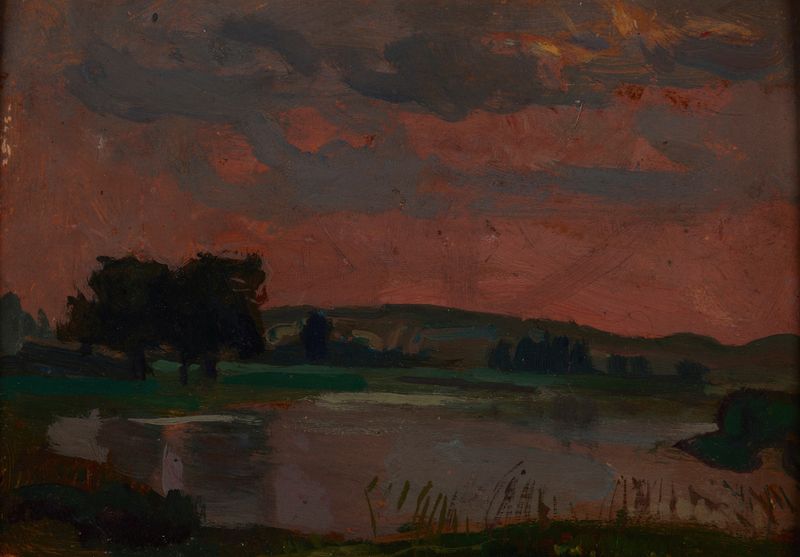
The Vistula in the Twilight
Jan Stanisławski
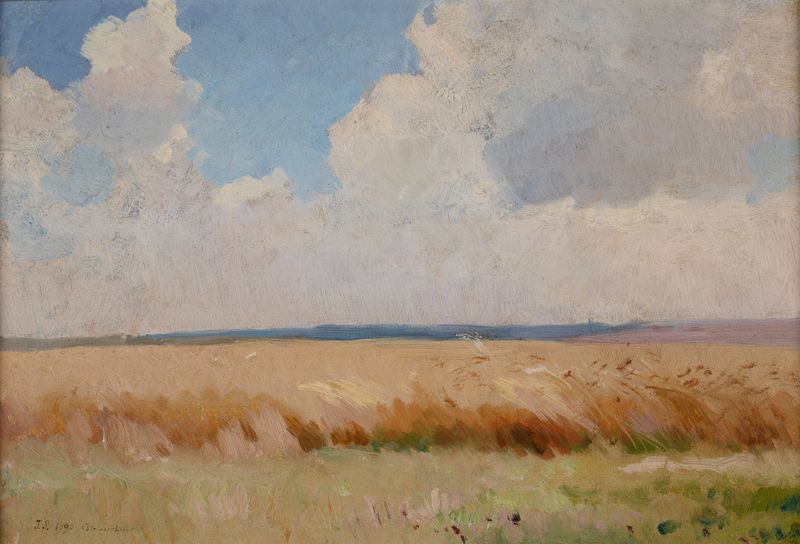
Field at Białocerkiew (Bila Tserkva)
Jan Stanisławski
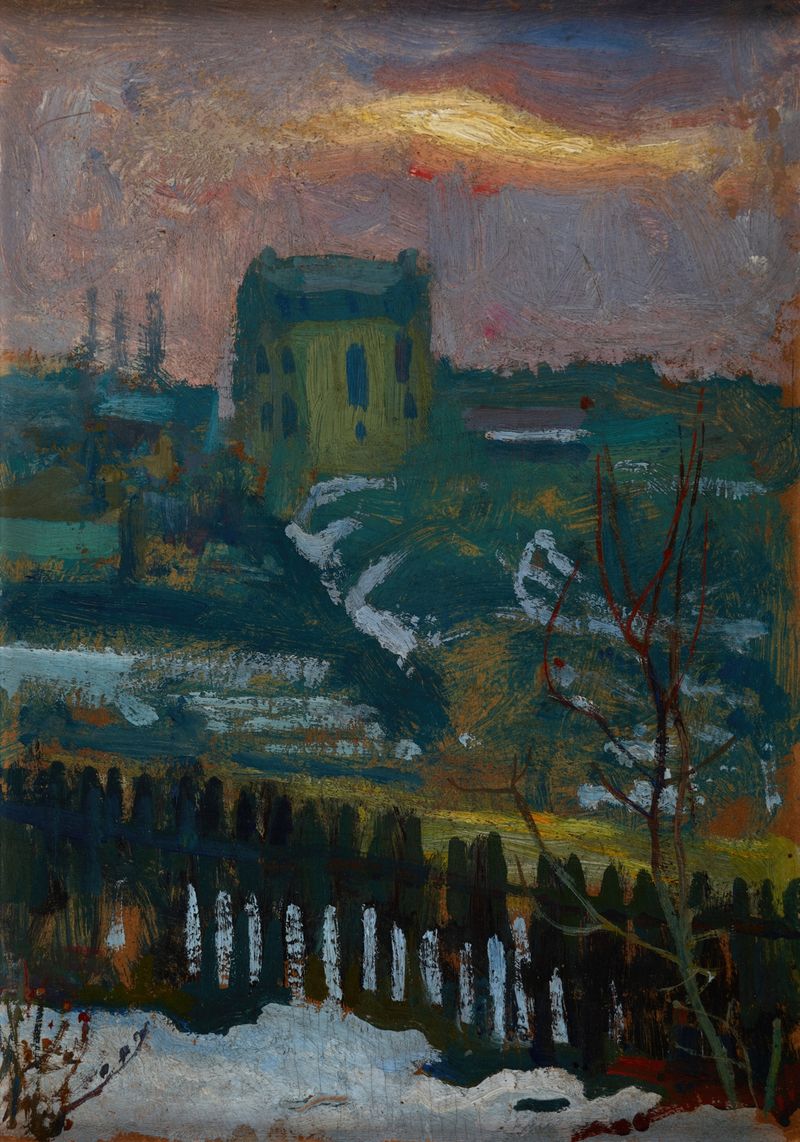
House in Winter
Jan Stanisławski
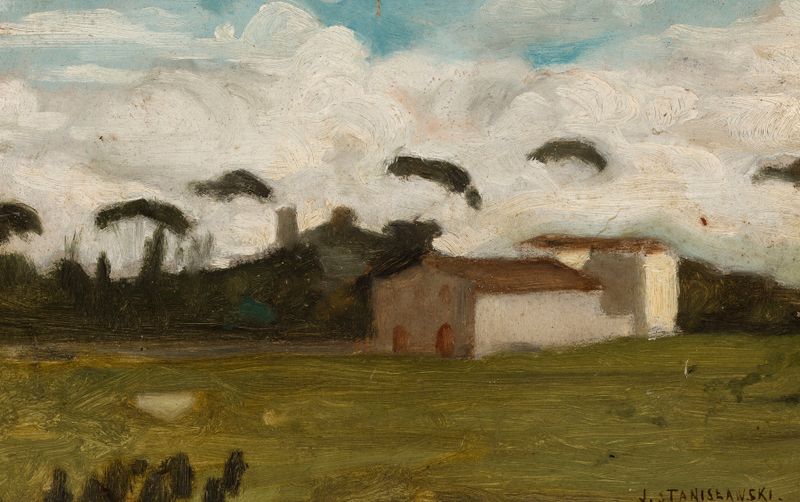
Landscape
Jan Stanisławski
Bielany at Dusk
Jan Stanisławski
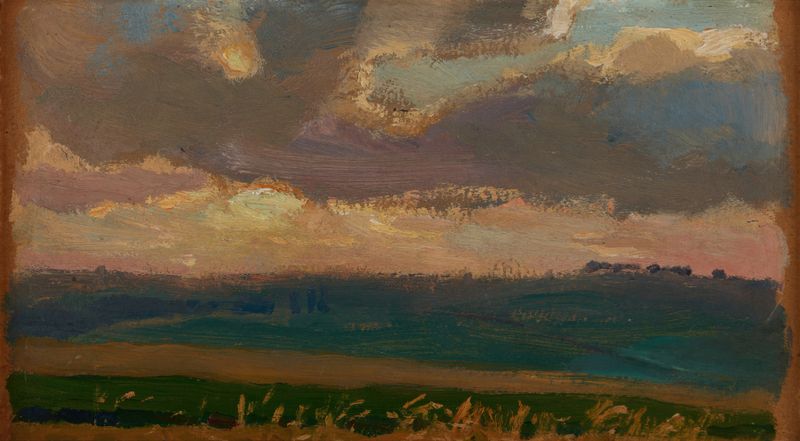
Fields at Proszowice
Jan Stanisławski





