
Dutch herring fleet — History & Facts
What first catches the eye in Dutch herring fleet by Abraham Salm is the sheer choreography of ships, each vessel angled and animated as if swept along by the pulse of the North Sea. The artist draws us into the heart of a bustling maritime ballet: sails billow, flags snap, and the sea itself seems to heave with the industry of men and the weight of their catch. The largest ship, crowned with a striped pennant, commands the center, its rigging taut and purposeful, while smaller boats dart between the waves, their crews intent on unseen tasks.
The monochrome palette sharpens the play of light and shadow, giving the scene a sense of crisp immediacy and lending the clouds above a restless, windswept energy. Every line and curve is a testament to the order and chaos of the herring fleet at work. Works like this emerged from a world where the sea was both livelihood and battleground, especially for the Dutch Republic in its Golden Age. Marine paintings celebrated national pride and commercial might, often commissioned by shipping guilds or prosperous merchants eager to display their connection to the ocean's bounty.
The herring fleet, in particular, was a symbol of Dutch ingenuity and economic power, its seasonal journeys vital to the nation's fortunes. While little is recorded about this specific painting beyond its presence in the Art UK collection, its subject and style place it firmly in the tradition of Dutch marine art, where artists like Willem van de Velde set the standard for capturing the drama and discipline of life at sea. Let your gaze linger on the restless water and the purposeful ships, and imagine the salt wind that once filled those sails.
More Artworks by Abraham Salm
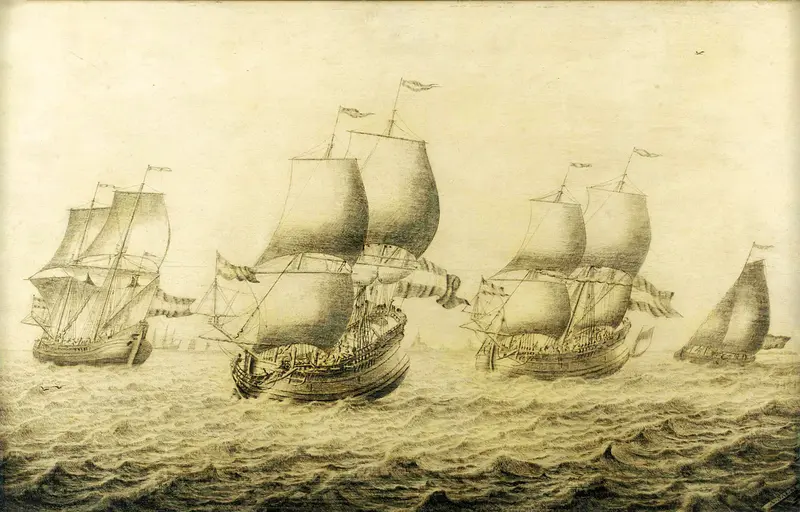
A Fleet of Whalers
Abraham Salm
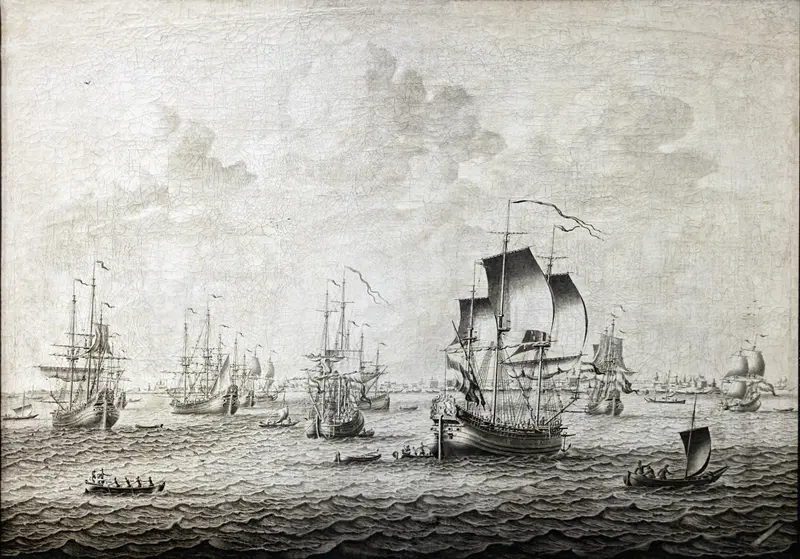
Marine with calm Sea
Abraham Salm
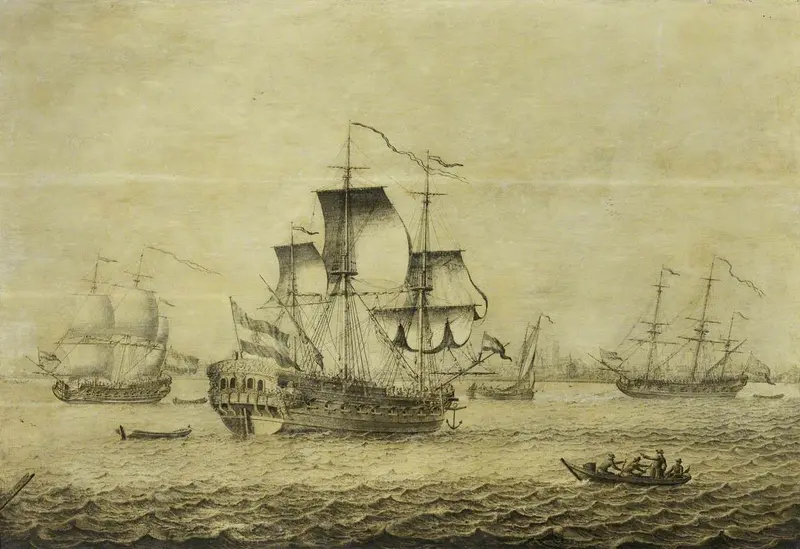
A Dutch frigate off Rotterdam
Abraham Salm

A DUTCH MAN-OF-WAR WITH A FLOTILLA OF FISHING BOATS AND OTHER SHIPS: A PENSCHILDERIJ
Abraham Salm
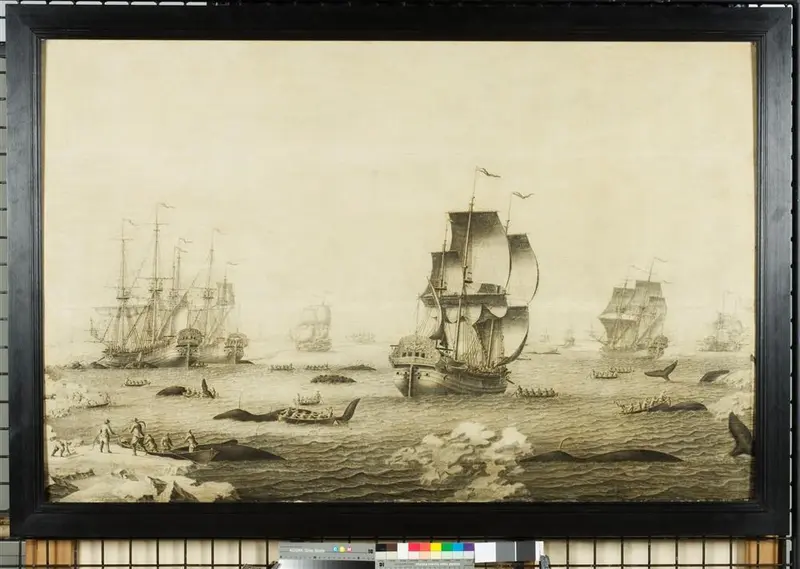
Adriaen Cornelisz (van der) Salm Walvisvaarders in bedrijf P1293 Maritime Museum Rotterdam
Abraham Salm
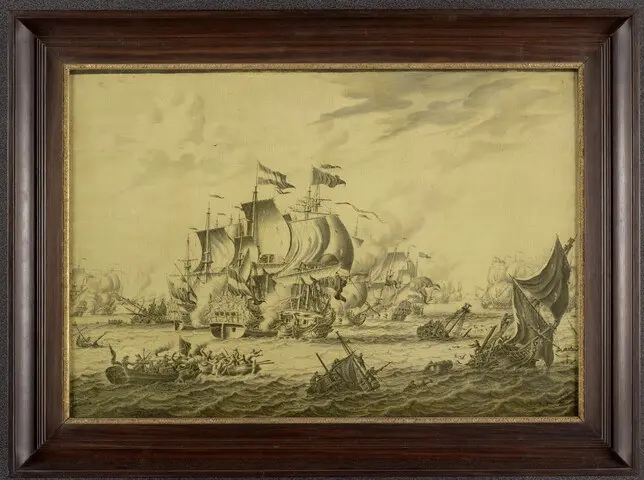
Adriaen Cornelisz. van Salm Een zeegevecht tussen Nederlandse, Engelse, en Franse oorlogsschepen A.2766 Het Scheepvaartmuseum
Abraham Salm
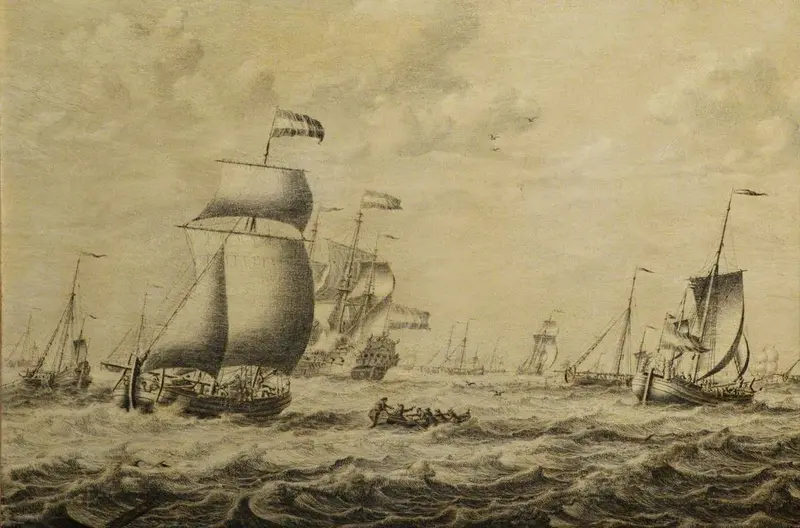
Dutch herring fishery
Abraham Salm
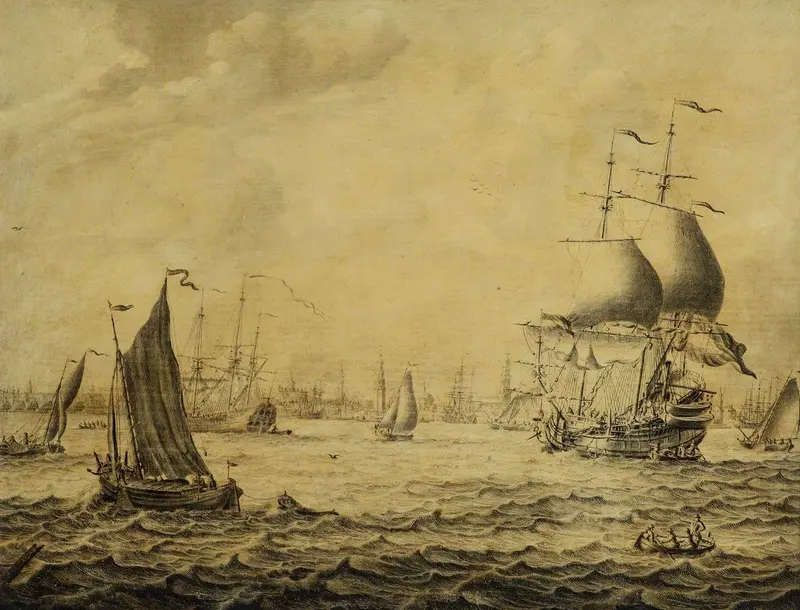
Dutch merchantmen and small craft in a roadstead
Abraham Salm
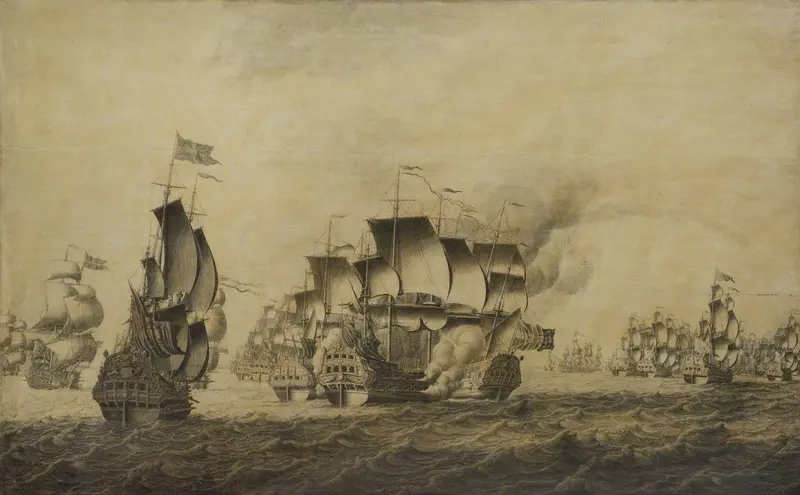
Forbin's Attempt Against Scotland, 13 March
Abraham Salm

Abraham van Salm Een walvisvaarder en twee fluitschepen A.4152 Het Scheepvaartmuseum
Abraham Salm





