
Dwaas wordt uitgelachen — History & Facts
In the realm of art, desire often weaves itself into the fabric of our emotions, echoing through time and space. What happens when aspiration meets ridicule? Look to the center of the canvas, where a jester's gaze meets the viewer's, drawing us into the intricate narrative. His vibrant attire, a cacophony of colors, contrasts sharply with the subdued, muted tones of the surrounding figures.
Notice how the light cascades upon his face, illuminating both his exuberance and the quiet contempt of the onlookers, their faces painted with a mix of scorn and amusement. The meticulous detailing in each expression tells a story of social hierarchy and the fleeting nature of laughter. The jester embodies a poignant dichotomy: the joy of performance clashing with the sting of mockery. His vibrant costume, a symbol of life's fleeting pleasures, juxtaposes the shadowy disdain from those around him—a reminder that, in the pursuit of joy, one may also encounter derision.
The small gestures of the spectators—the raised eyebrows and whispered chuckles—reveal a deeper commentary on societal norms and the fine line between entertainment and mockery, inviting viewers to reflect on their own experiences of desire and judgment. In the years between 1538 and 1543, the artist explored the complexities of human emotions in a rapidly changing Europe, influenced by the Renaissance's embrace of individuality. Working in the vibrant cultural milieu of Basel and later England, he deftly navigated shifting societal values, using the canvas to capture the multifaceted nature of humanity, where laughter can both uplift and wound.
More Artworks by Hans Holbein (II)
Browse all →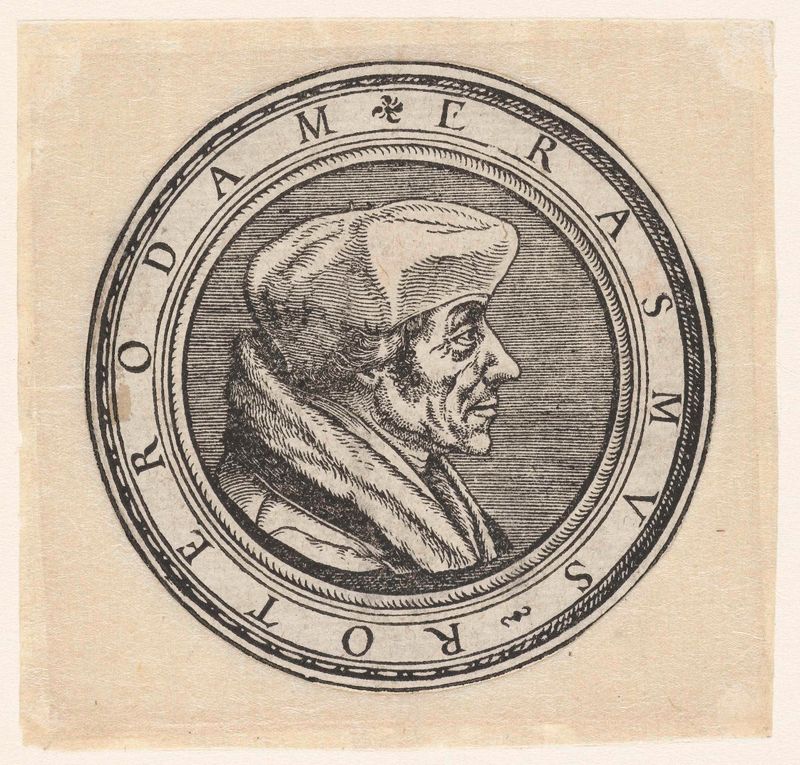
Portret van Erasmus
Hans Holbein (II)
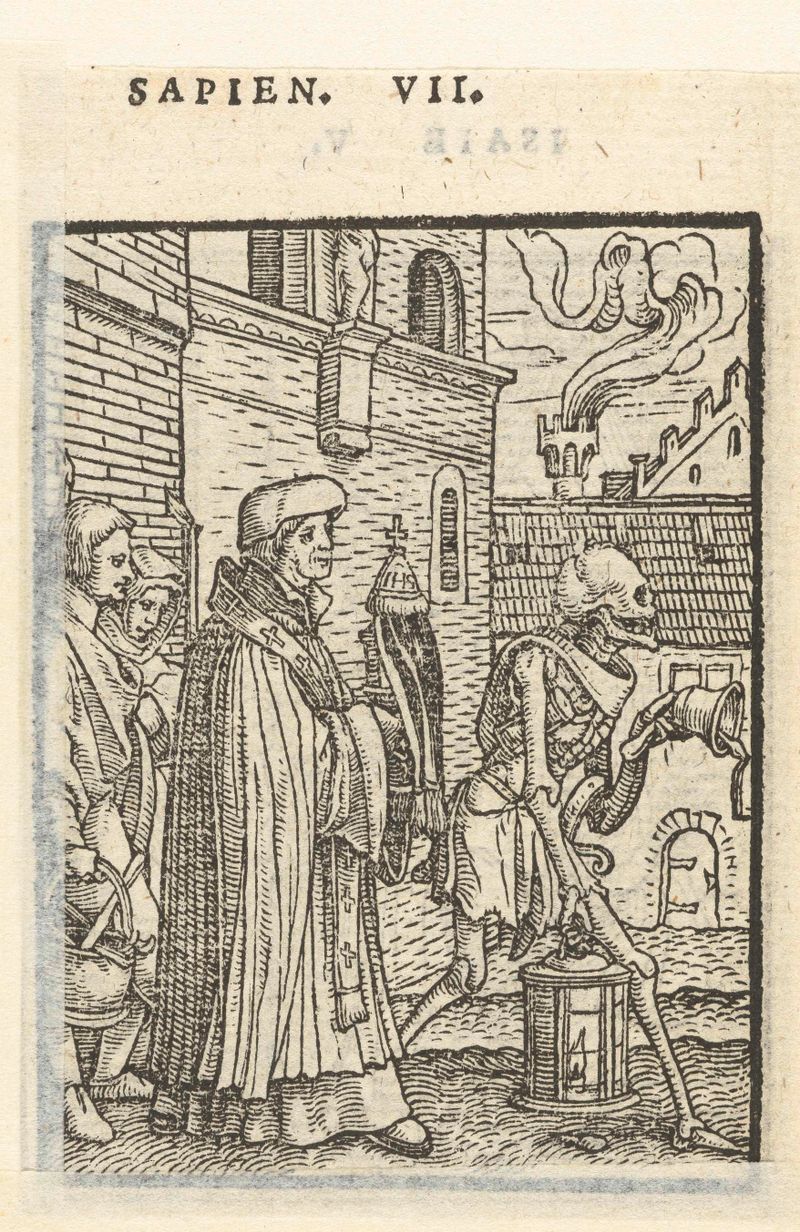
Priester en de Dood
Hans Holbein (II)
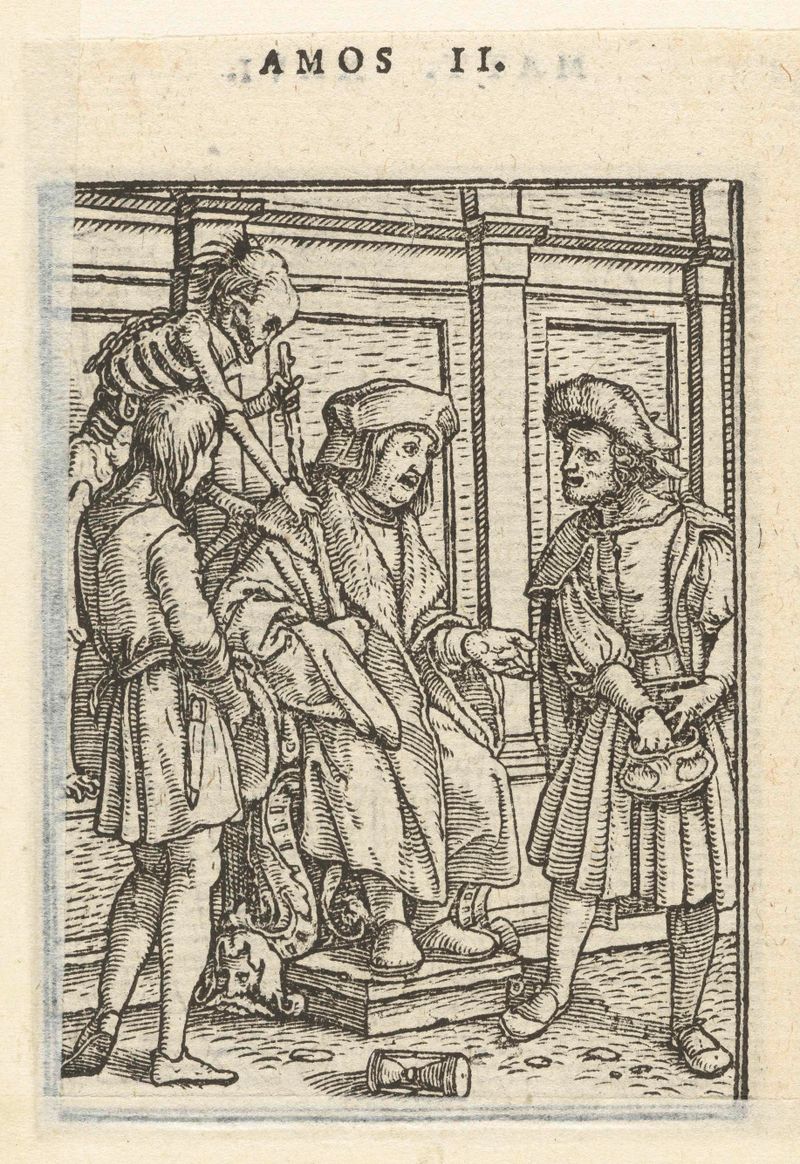
Rechter en de Dood
Hans Holbein (II)
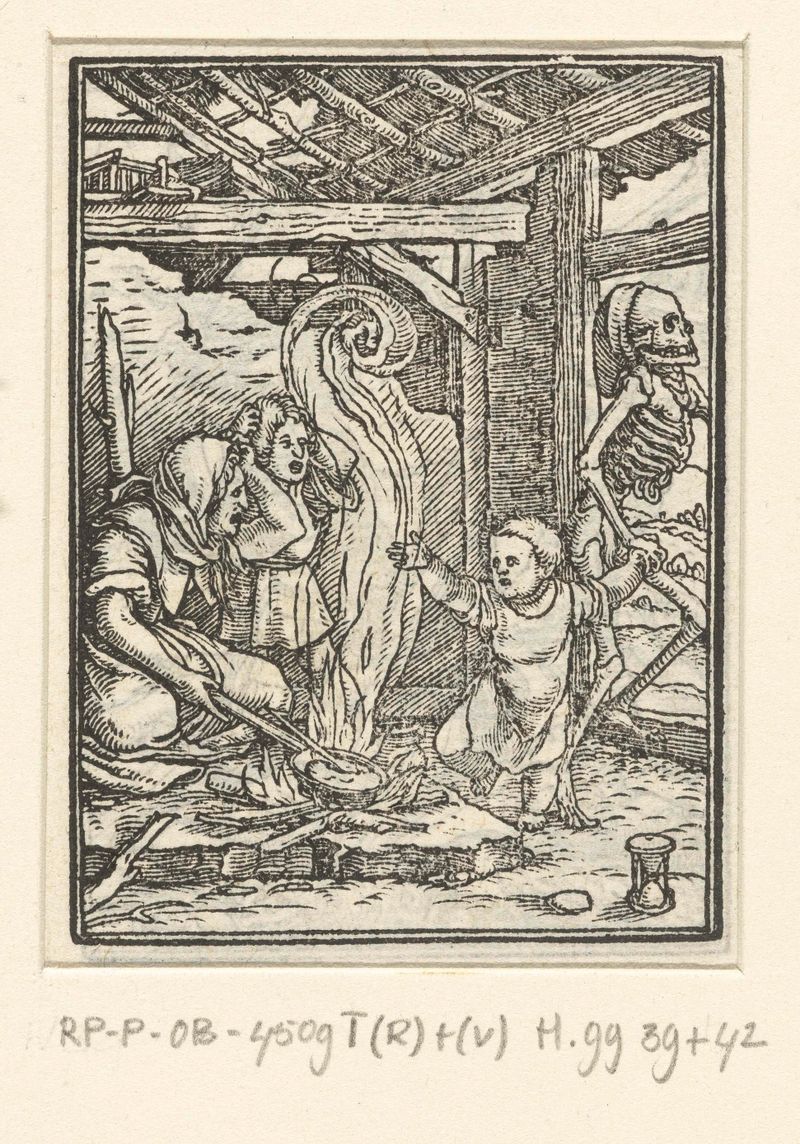
Kind en de Dood
Hans Holbein (II)
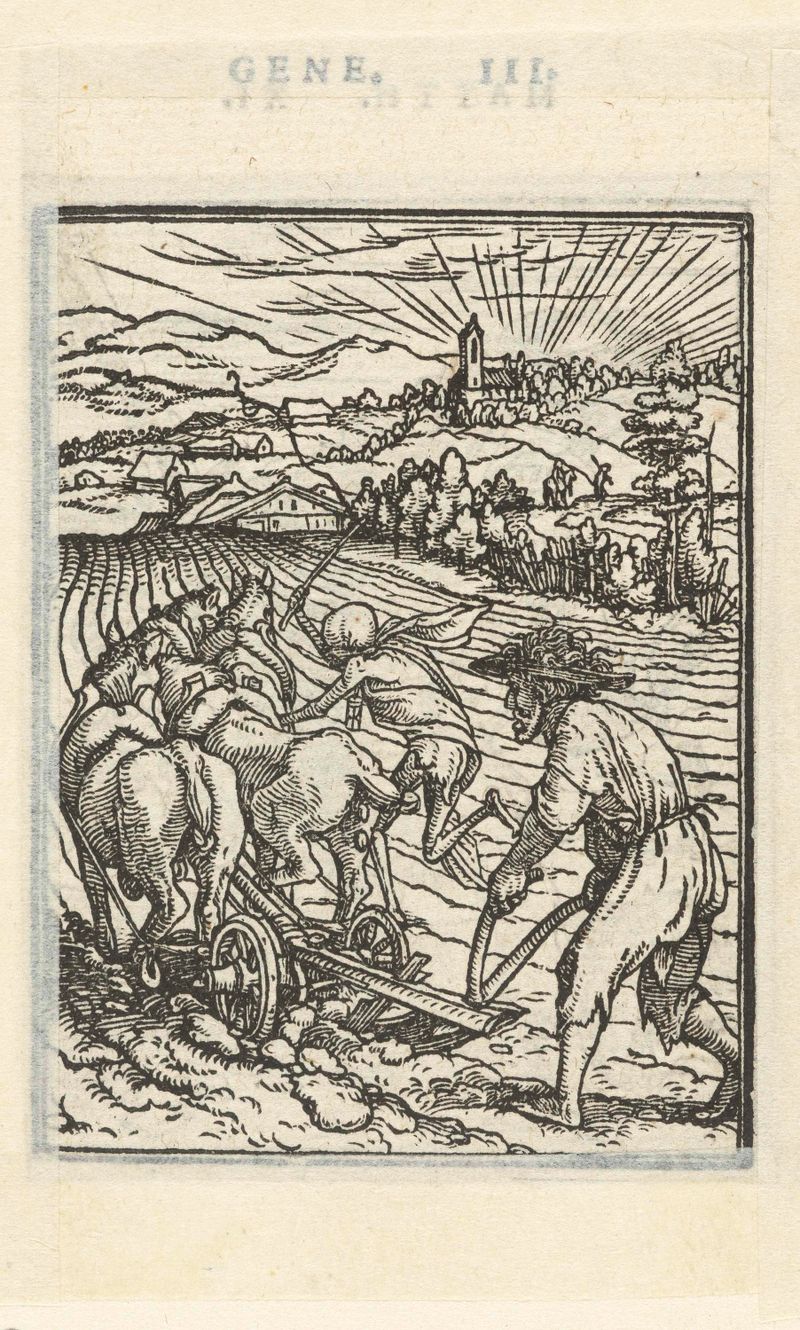
Boer en de Dood
Hans Holbein (II)
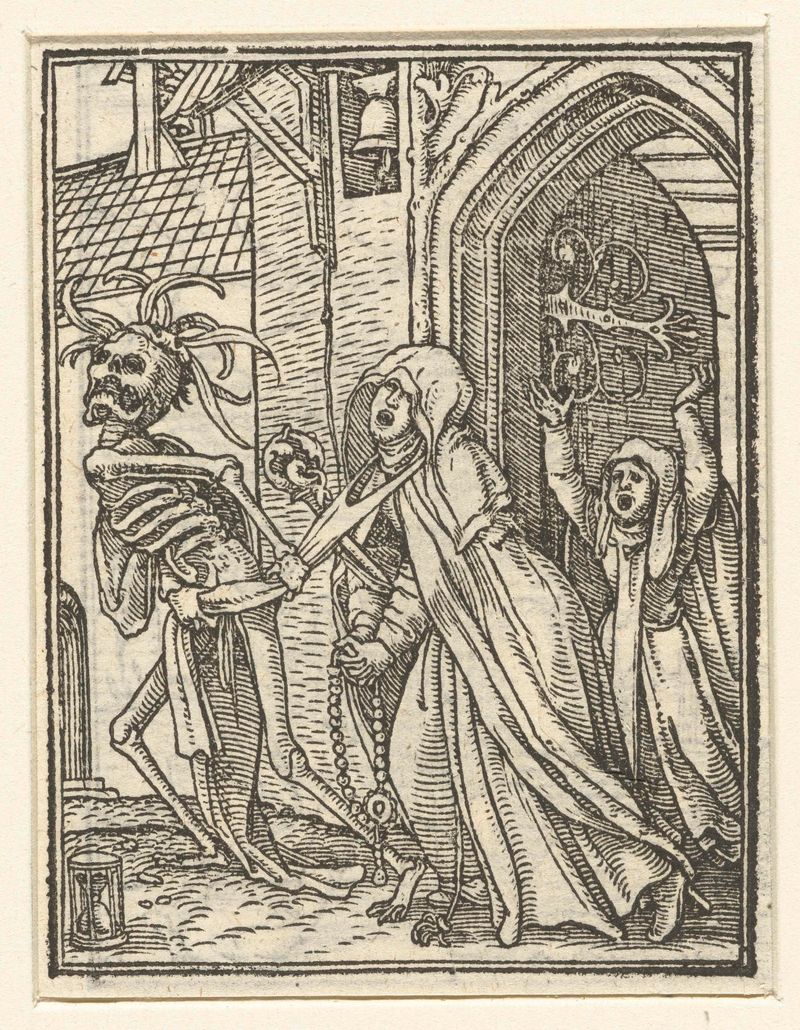
Abdis en de Dood
Hans Holbein (II)
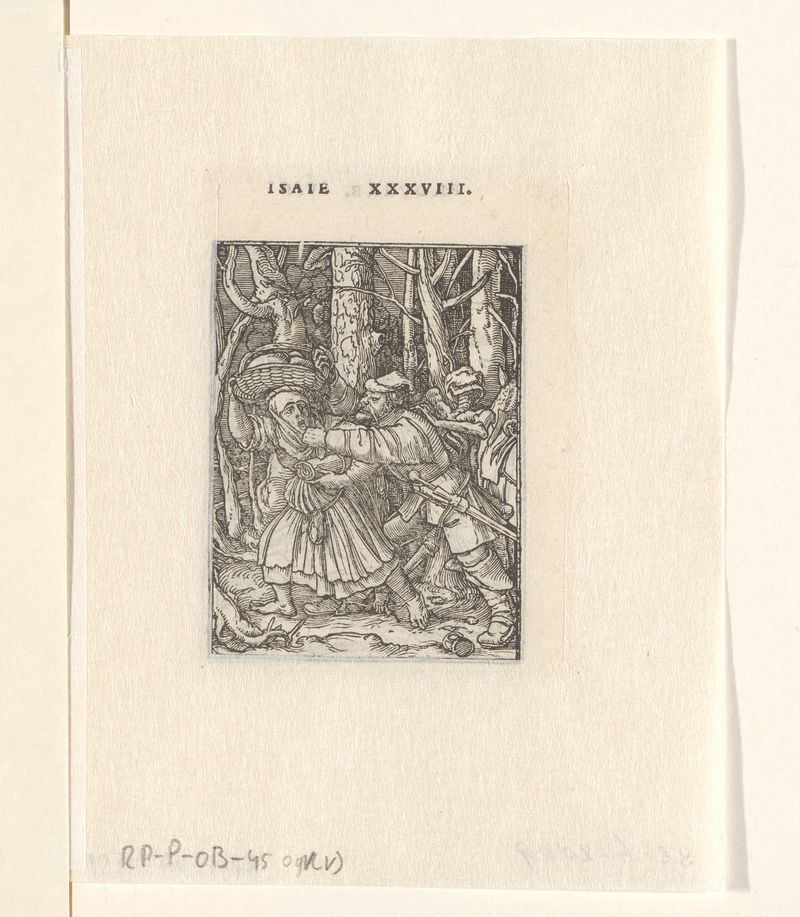
Dief en de Dood
Hans Holbein (II)
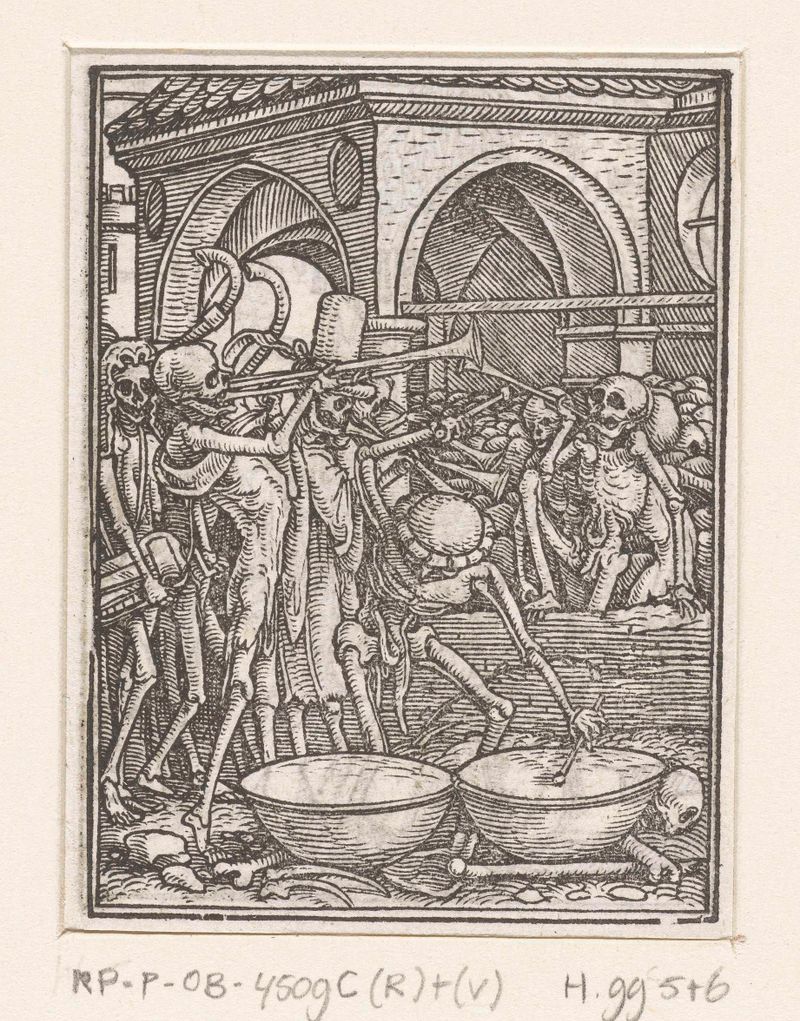
Skeletons Making Music from Dance of the Dead
Hans Holbein (II)
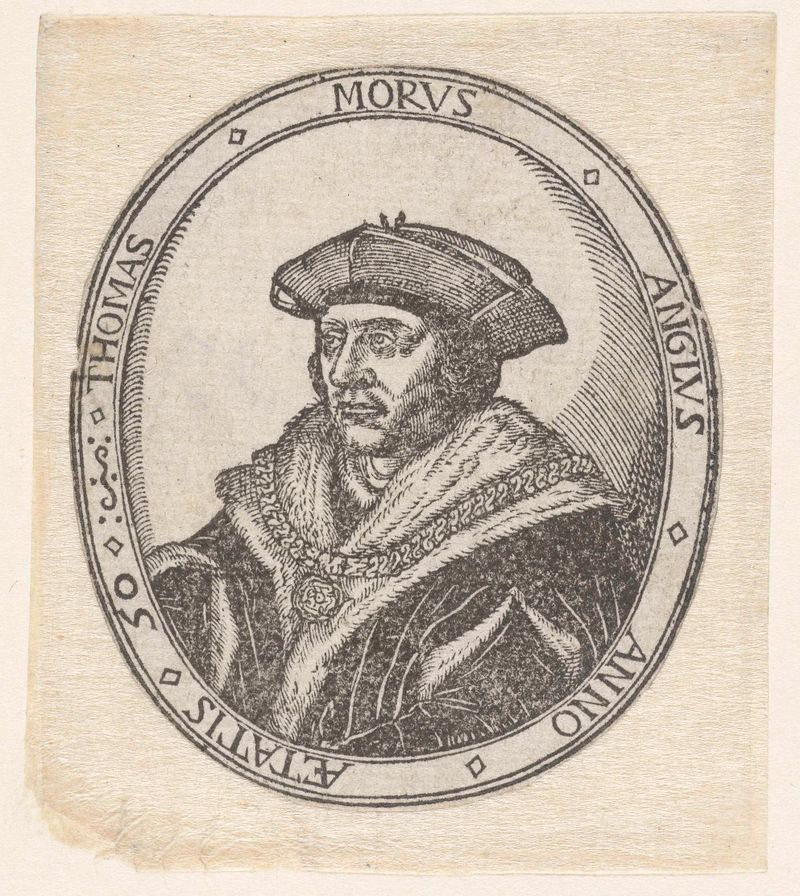
Portret van Thomas More
Hans Holbein (II)
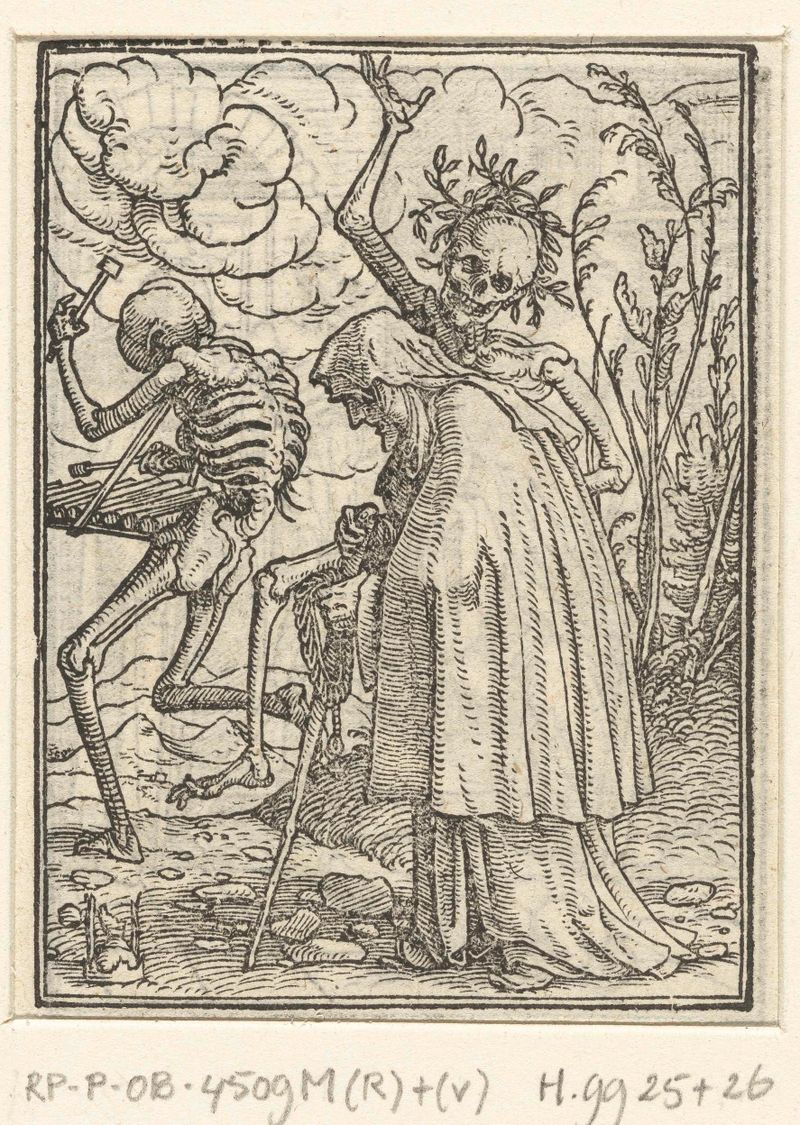
Oude vrouw en de Dood
Hans Holbein (II)
More Portrait Art
Browse all →
Las meninas
Diego Velázquez

Self-portrait with a Bandaged Ear and Pipe
Unidentified artist

Girl with a Pearl Earring
Johannes Vermeer

The Sampling Officials of the Amsterdam Drapers’ Guild, Known as ‘The Syndics’
Rembrandt van Rijn

The Hundred Guilder Print: the man seen on the back in the lower left corner
Rembrandt van Rijn

Portrait of Dr Gachet
Vincent van Gogh