
Dworzyszcze — History & Facts
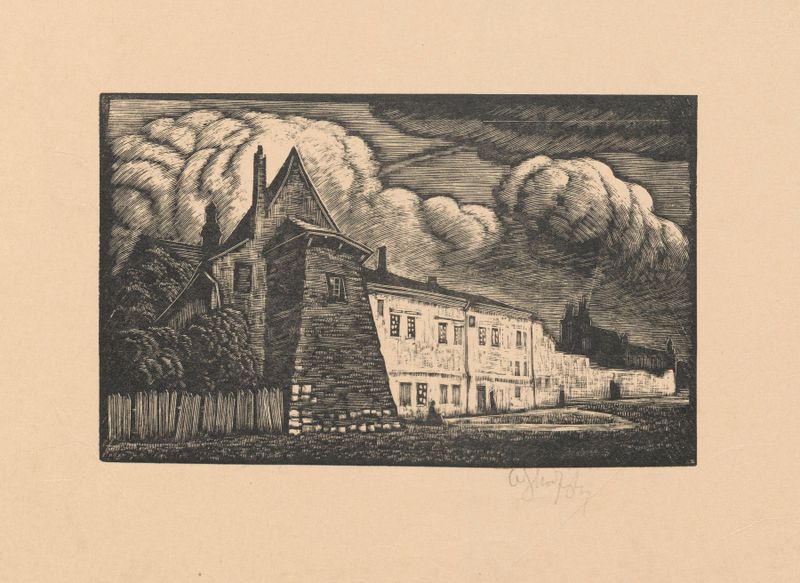
Where does light end, and longing begin? In Dworzyszcze, a masterful interplay of form and shadow invites us to explore the very boundaries of human emotion and movement. Look to the left at the dynamic silhouettes, where figures emerge from a backdrop of muted earth tones. The artist employs a palette of subdued greens and browns, enhancing the sense of depth and movement as if the figures are caught in the act of transcending their surroundings. Notice how the light, painted in soft pastels, gently caresses the edges of the forms, creating an ethereal quality that seems to pull them toward an unseen horizon. The composition reveals a compelling contrast between stillness and motion.
The figures, though firmly grounded in the earth, convey an impending sense of departure, as if they are caught in the tension between the familiar and the unknown. Small details, such as the way a hand reaches out or how a foot pivots slightly, suggest a yearning for connection and change, echoing the internal struggles of the viewer. This duality encourages reflection on the nature of existence — the push and pull of desire against the weight of reality. Władysław Skoczylas created Dworzyszcze in 1910 while living in Poland, a time when his work began to reflect the cultural shifts around him.
The early 20th century was marked by an exploration of modernism in art, as traditional forms gave way to more abstract representations. During this period, Skoczylas was deeply influenced by folk art and the landscapes of his homeland, seeking to capture the essence of rural life and the emotions that resonate within it.
More Artworks by Władysław Skoczylas
Browse all →
Motyw ze Starego Miasta
Władysław Skoczylas
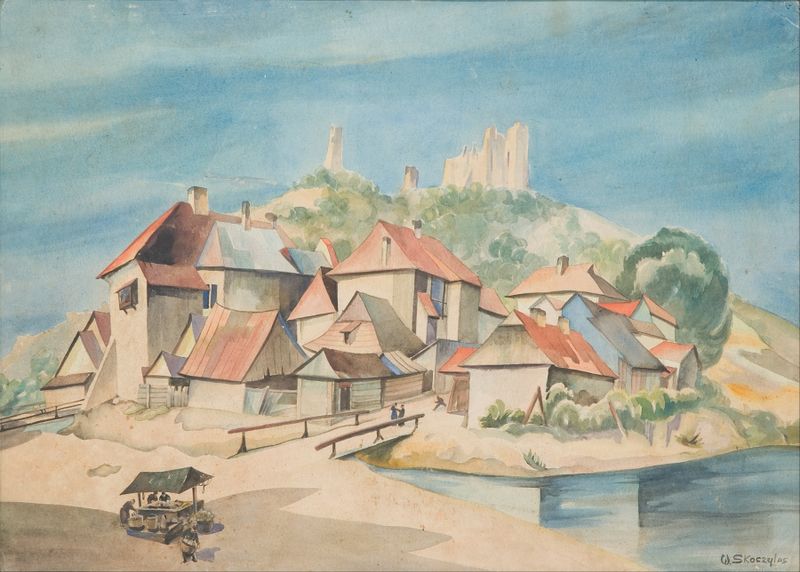
Widok Kazimierza nad Wisłą
Władysław Skoczylas
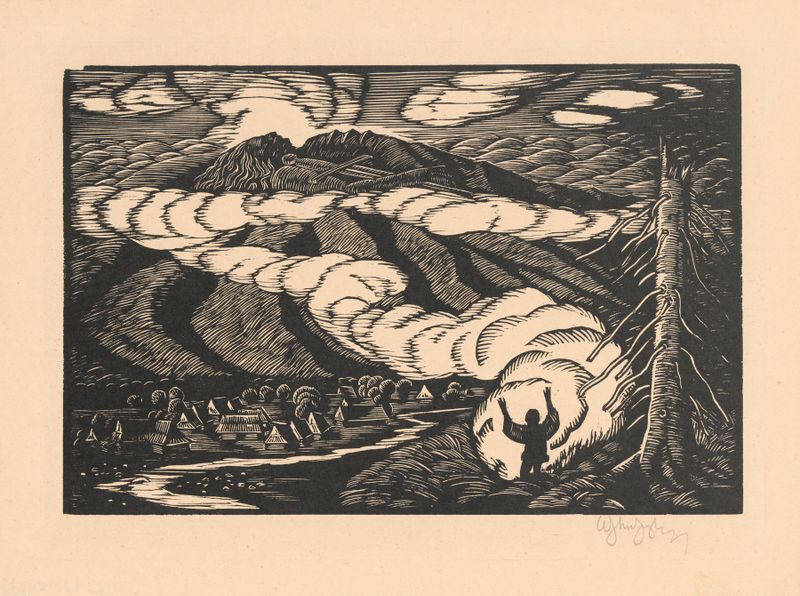
Giewont
Władysław Skoczylas
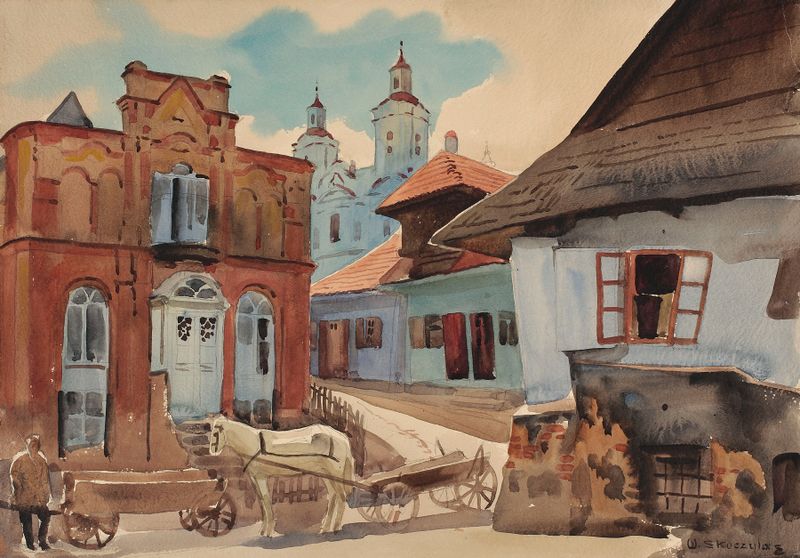
Fragment miasteczka
Władysław Skoczylas

Kościół w Dębnie
Władysław Skoczylas

Ulica w Kazimierzu
Władysław Skoczylas

Rynek w Kazimierzu nad Wisłą
Władysław Skoczylas
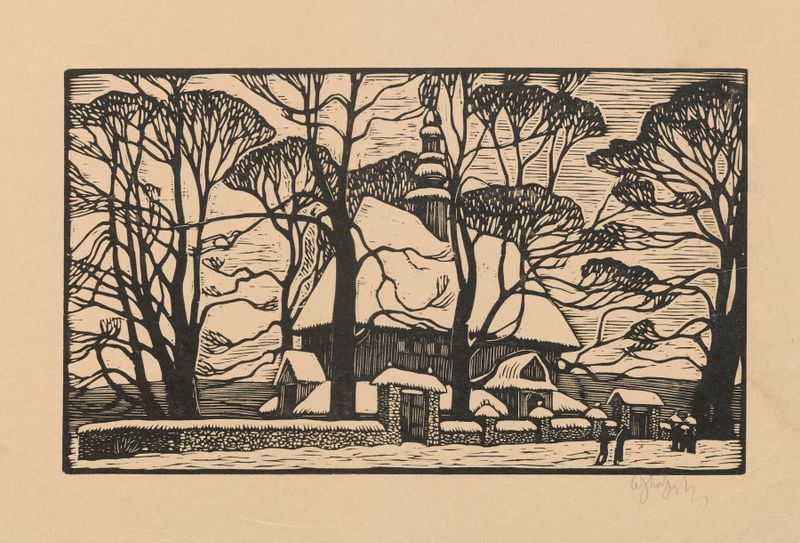
Kościółek w zimie
Władysław Skoczylas

Kolumna Zygmunta
Władysław Skoczylas
Motyw z Krakowa; Baszta Augustianów
Władysław Skoczylas





