
Dworzyszcze — History & Facts
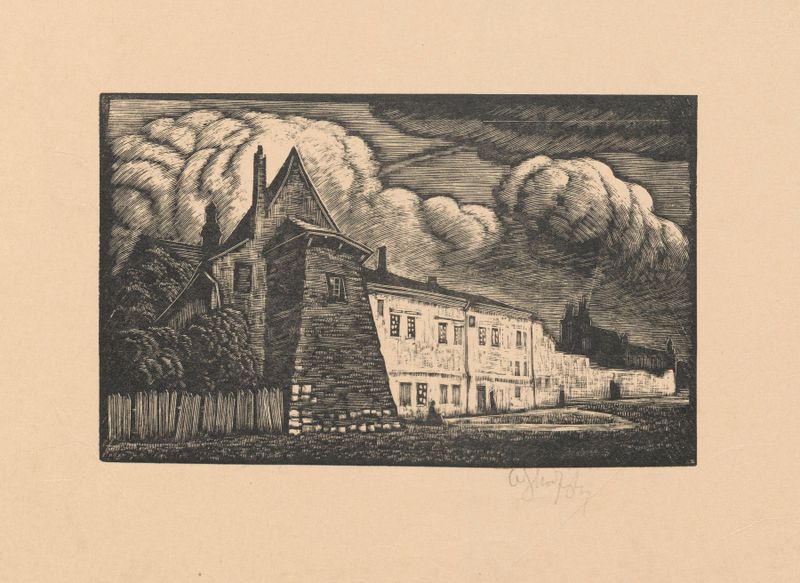
This sentiment echoes profoundly within the haunting depths of Dworzyszcze. It calls to mind the ever-present void that lingers beneath the surface of beauty, urging us to confront what lies hidden in the shadows. Look to the center of the composition, where a solitary figure stands against a backdrop of ethereal golden hues. The delicate interplay of light and shadow emphasizes the figure's isolation, while the rich, undulating lines draw the viewer’s gaze toward the nuanced textures.
The artist’s meticulous use of color creates an atmosphere that is both inviting and melancholic, evoking a sense of yearning and introspection. Exploring the details, one might notice the intricate patterns woven into the figure’s attire, suggesting a deep connection to heritage and tradition. This connection contrasts starkly with the vast emptiness surrounding them, emphasizing the tension between belonging and solitude. The choice of muted earth tones juxtaposed with the vibrant gold infuses the work with an emotional complexity, inviting contemplation on the duality of existence—where beauty often masks deeper vulnerabilities. In 1929, Władysław Skoczylas was immersed in the vibrant Polish artistic scene, seeking to fuse traditional folk art with modernist trends.
His work during this period reflects both personal and national introspection, as Poland was grappling with its identity post-World War I. The creation of Dworzyszcze stands as a testament to his quest for beauty intertwined with the fragmented realities of life, resonating with the collective consciousness of a society in transition.
More Artworks by Władysław Skoczylas
Browse all →
Motyw ze Starego Miasta
Władysław Skoczylas
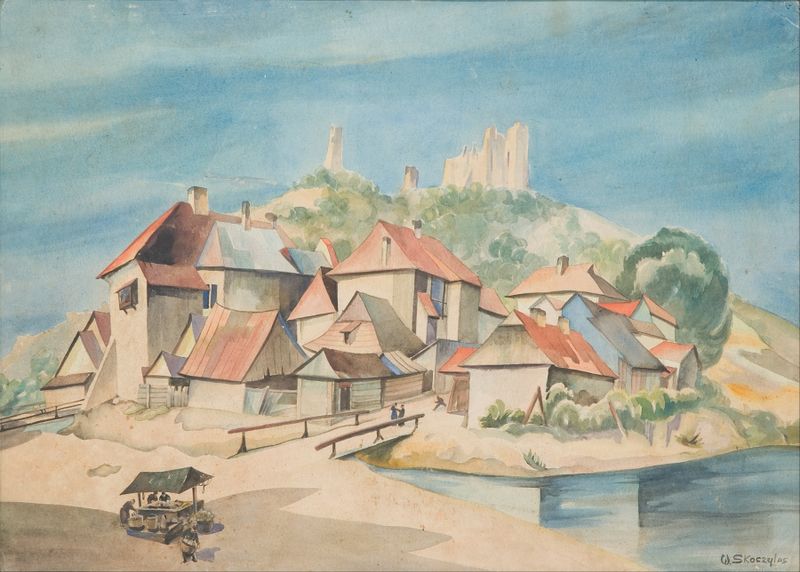
Widok Kazimierza nad Wisłą
Władysław Skoczylas
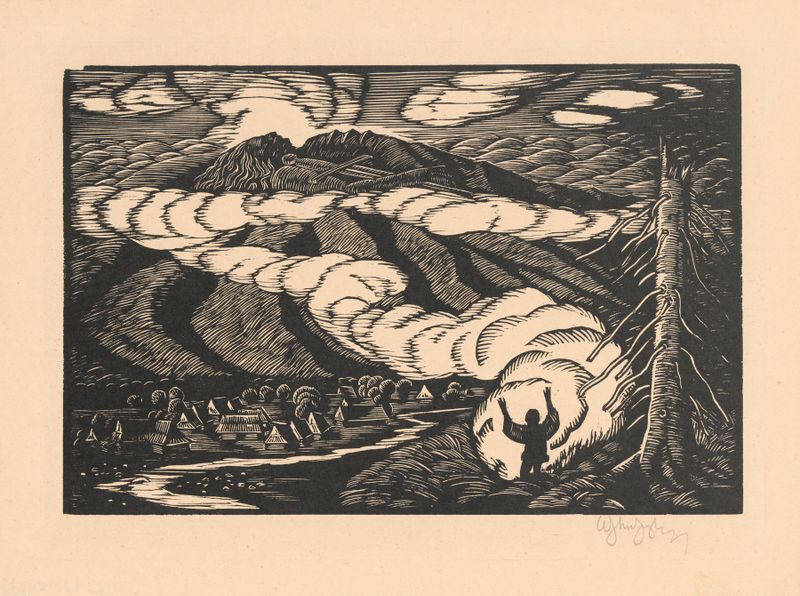
Giewont
Władysław Skoczylas
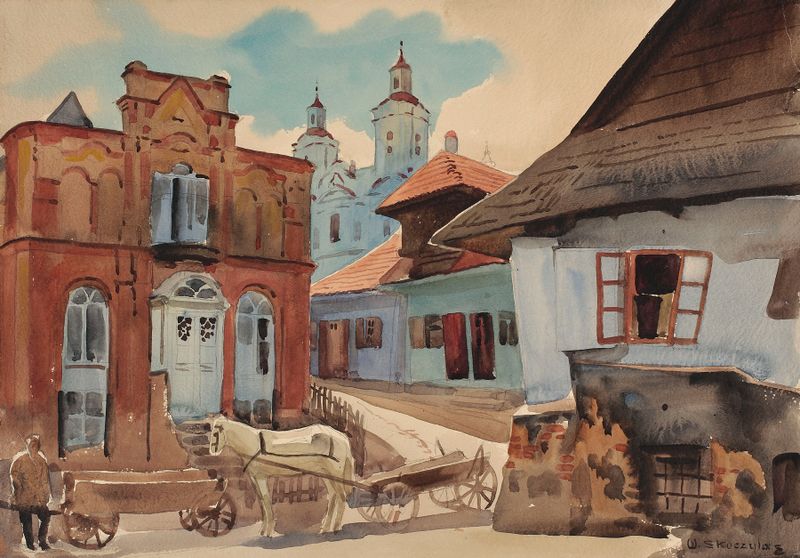
Fragment miasteczka
Władysław Skoczylas

Kościół w Dębnie
Władysław Skoczylas

Ulica w Kazimierzu
Władysław Skoczylas

Rynek w Kazimierzu nad Wisłą
Władysław Skoczylas
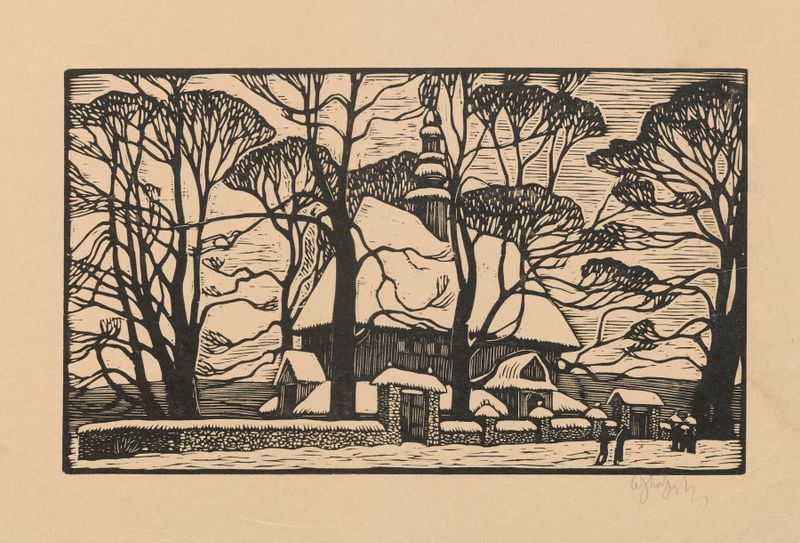
Kościółek w zimie
Władysław Skoczylas

Kolumna Zygmunta
Władysław Skoczylas
Motyw z Krakowa; Baszta Augustianów
Władysław Skoczylas





