
Dyer’s Hall — History & Facts
A haunting truth that lingers in the shadows of memory and longing, echoing through the corridors of time. Look closely at the fabric of Dyer’s Hall, where Samuel Ireland meticulously paints a vibrant tapestry of human experience. Focus on the intricate detailing of the walls; the warm hues of ochre and umber pull you into a world steeped in both history and sensation. The light dances delicately across the surfaces, illuminating the textures of the dyers' tools and the muted colors of the cloth, rendering a rich, almost tactile quality that invites exploration. Beneath its surface, the painting captures a deeper emotional resonance.
The juxtaposition of light and shadow hints at the laborious process of dyeing, yet it also speaks to the unfulfilled desires of those who worked within these walls. The tranquil stillness of the scene belies an undercurrent of yearning, where each vibrantly colored thread represents dreams woven into the fabric of daily toil, hinting at the bittersweet nature of ambition and restraint. Samuel Ireland created this work between 1794 and 1800 in London, a period marked by industrial advancement and a burgeoning appreciation for the arts. As the Romantic movement began to take hold, Ireland’s focus on the everyday beauty found in labor reflected not only his personal engagement with the craft but also the broader societal shifts occurring around him.
This piece intertwines the historical significance of dyework with the emotional landscape of its creators, making it a poignant commentary on the era.
More Artworks by Samuel Ireland
Browse all →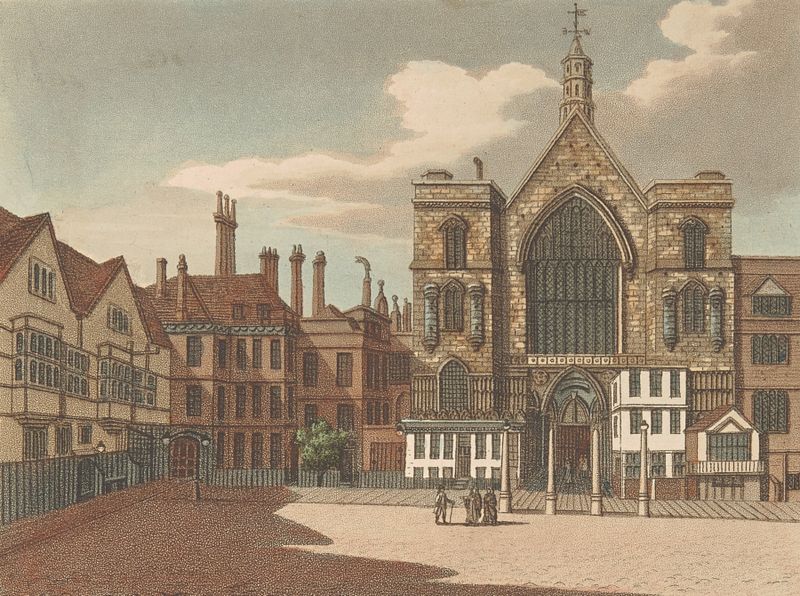
Westminster Hall
Samuel Ireland

Southwest View of Middle Temple
Samuel Ireland
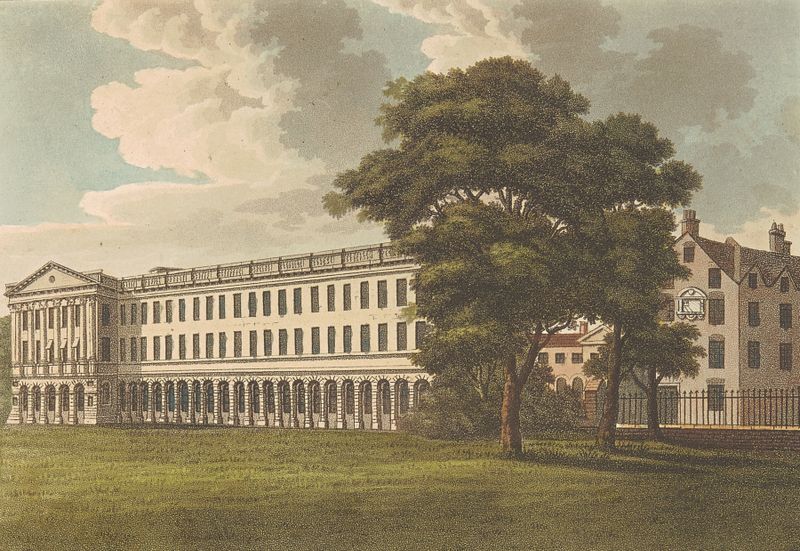
Stone Buildings, Lincoln’s Inn
Samuel Ireland
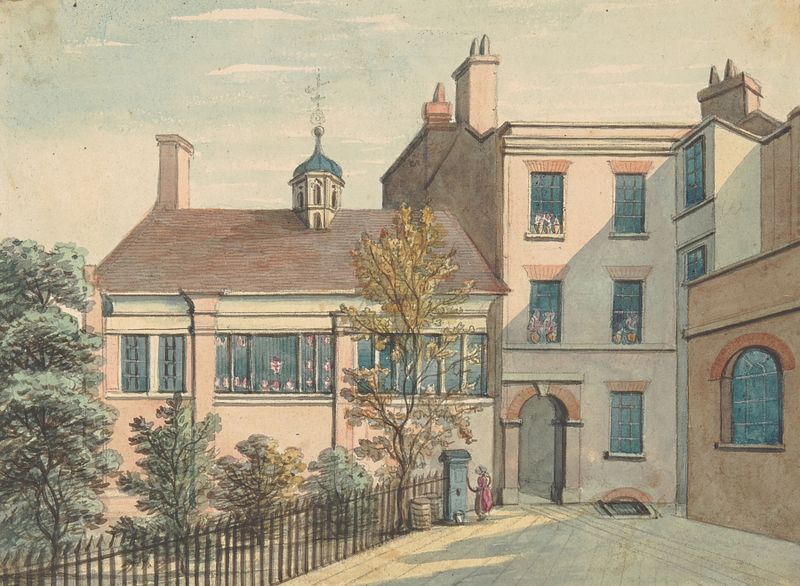
Barnard’s Inn
Samuel Ireland

Lincoln’s Inn Hall and Chapel
Samuel Ireland

Lion’s Inn
Samuel Ireland
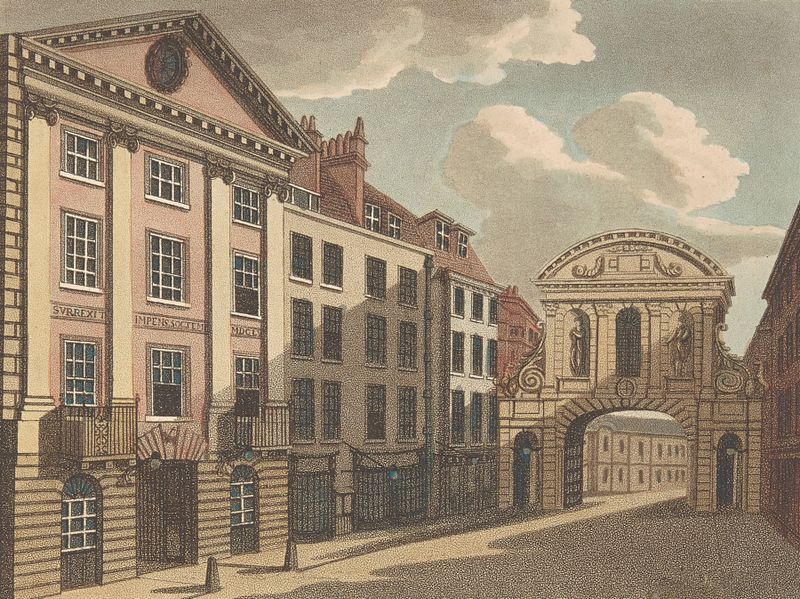
Middle Temple Gate
Samuel Ireland
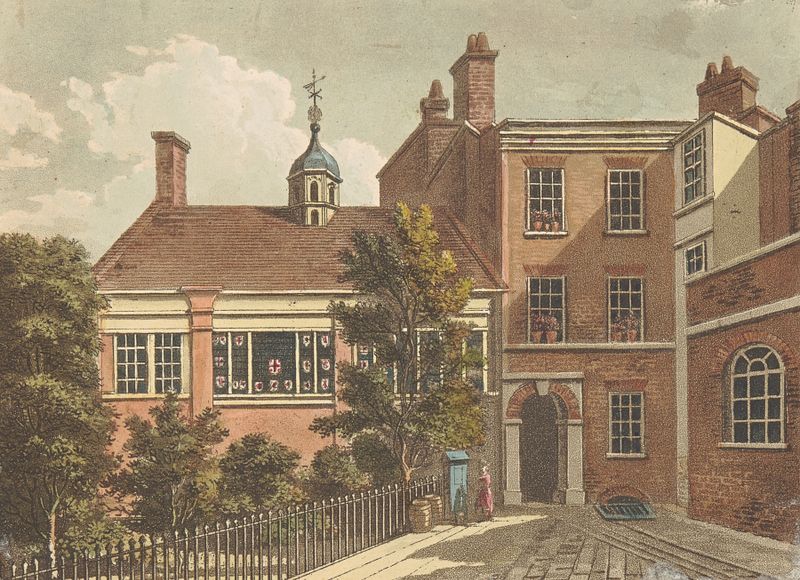
Barnard’s Inn
Samuel Ireland

Westminster Hall
Samuel Ireland
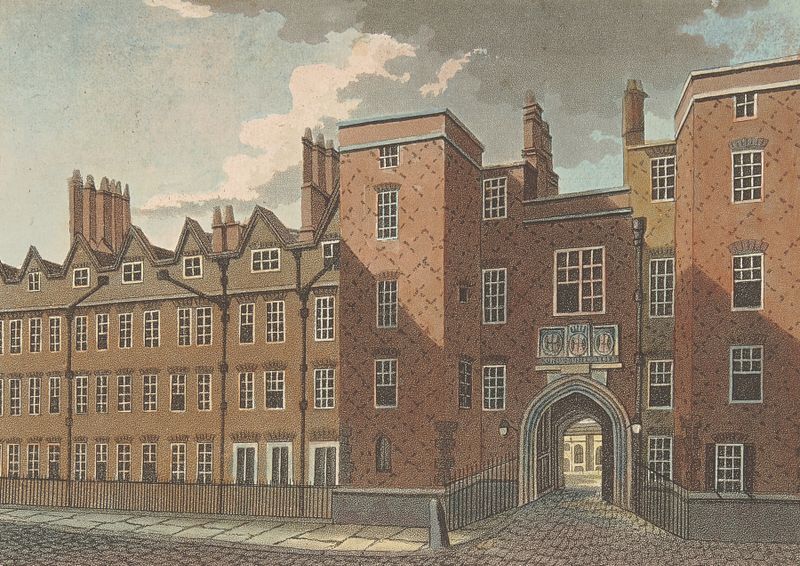
Lincoln’s Inn Gate
Samuel Ireland
More Architecture Art
Browse all →
The statue of Liberty
Frédéric Auguste Bartholdi

View of Houses in Delft, Known as ‘The Little Street’
Johannes Vermeer

View of Houses in Delft, Known as ‘The Little Street’
Johannes Vermeer

The Cathedral in Rouen. The portal, Grey Weather
Claude Monet

The yellow house
Vincent van Gogh

The Church in Auvers-sur-Oise, View from the Chevet
Vincent van Gogh