
Eagle Wharf — History & Facts
This haunting idea resonates deeply, inviting us to explore the delicate interplay of illusion and reality in art. As you immerse yourself in Eagle Wharf, begin by focusing on the luminous interplay of muted tones. Look to the center, where the tranquil water reflects the subtle blues and greys of the sky. Notice how the forms of the dock and boats blend into the landscape, their outlines softened like whispers, inviting you to step closer yet keeping a veil of mystery.
The carefully applied brush strokes create a dreamlike quality, making it difficult to discern where reality ends and illusion begins. Delve deeper into the details scattered throughout the canvas. The juxtaposition of the serene water against the jagged edges of the wharf creates a tension between tranquility and chaos, suggesting the ebb and flow of life in an industrial world. The subtle gradation of color evokes both a sense of calm and a hint of nostalgia, as if time itself is suspended.
Shadows that dance on the water's surface speak to the transient nature of existence, while the muted palette embraces a haunting beauty, encouraging reflection on what lies beneath the surface. In 1859, Whistler created this work while living in London, capturing the essence of a bustling port with a painterly finesse. The art world was evolving, and the artist was at the forefront of the aesthetic movement, influenced by Japanese prints and new approaches to color and composition. This piece reflects his desire to challenge conventional depictions of subjects and illustrate the profound connection between perception and abstraction, marking a pivotal moment in his artistic journey.
More Artworks by James Abbott McNeill Whistler
Browse all →
Nocturne in Blue and Silver
James Abbott McNeill Whistler
Nocturne: Blue and Gold–Southampton Water
James Abbott McNeill Whistler
Nocturne
James Abbott McNeill Whistler
Nocturne in Blue and Silver
James Abbott McNeill Whistler
Nocturne in Blue and Silver- The Lagoon, Venice
James Abbott McNeill Whistler
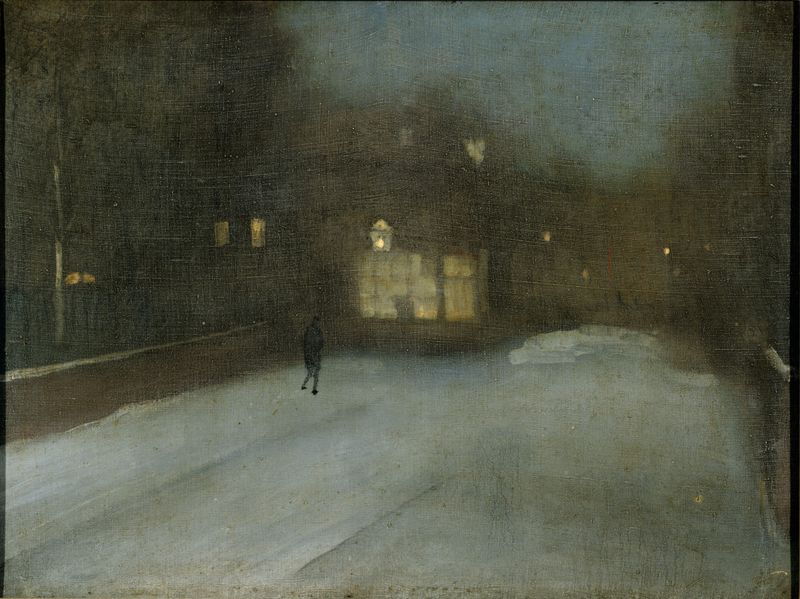
Nocturne in Grey and Gold: Chelsea Snow
James Abbott McNeill Whistler
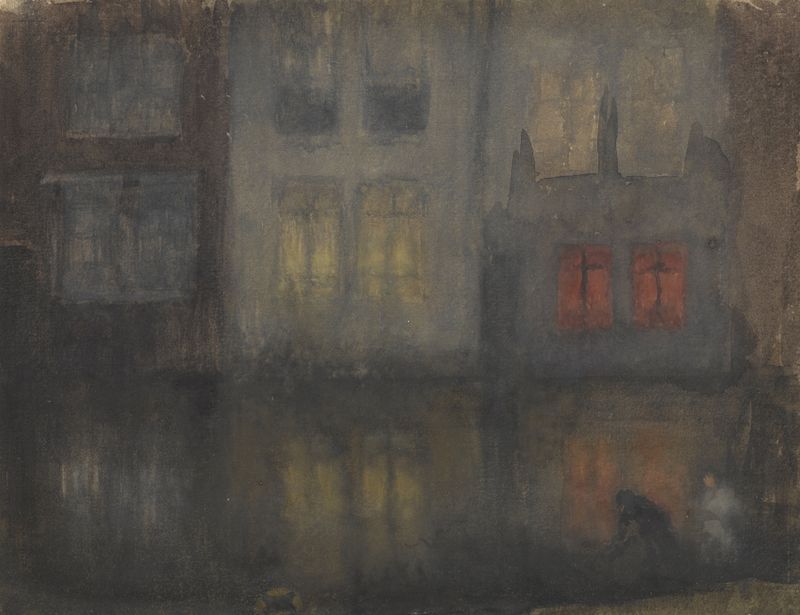
Nocturne: Black and Red—Back Canal, Holland
James Abbott McNeill Whistler
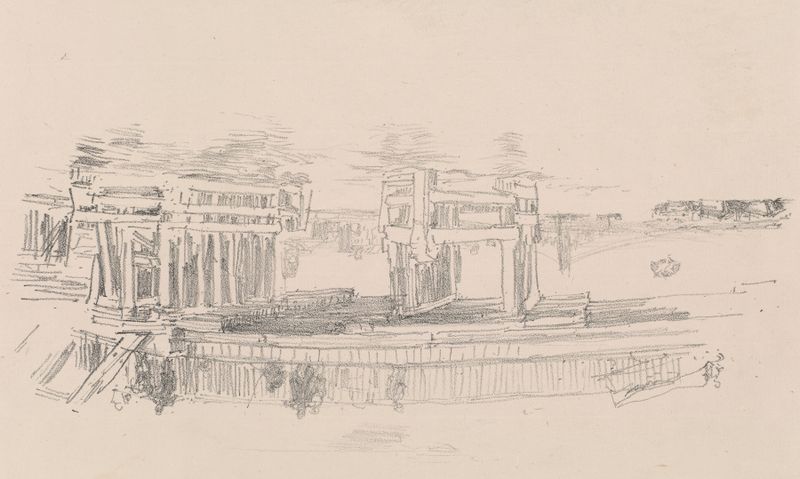
Old Battersea Bridge
James Abbott McNeill Whistler

Nocturne: Blue and Silver–Battersea Reach
James Abbott McNeill Whistler
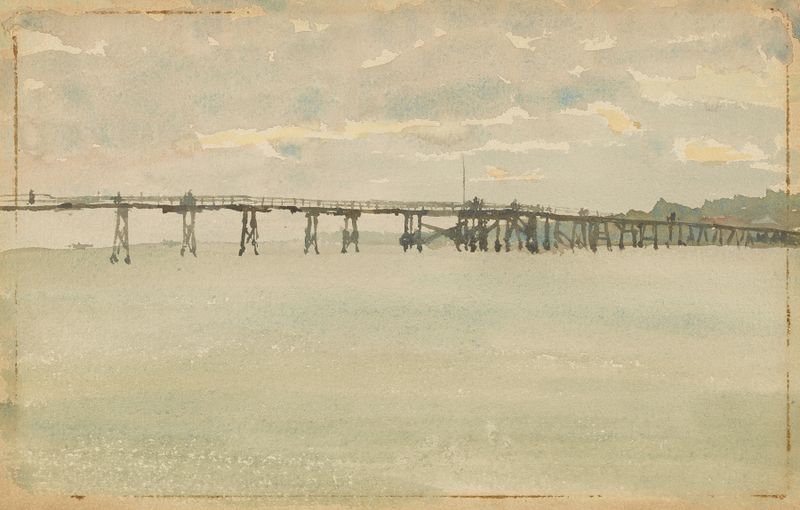
Grey and Silver–Pier, Southend
James Abbott McNeill Whistler




