
Early Spring at Ville d`Avray — History & Facts
What secret hides in the quiet of the canvas? In Early Spring at Ville d'Avray, the stillness of nature invites us to contemplate the beauty of rebirth and the delicate balance of creation. Look to the left at the gentle arch of the trees, their branches reaching like open arms toward the sky. The soft palette of greens and browns melds with delicate hints of blue, suggesting the tender awakening of spring. Notice how the light filters through the foliage, casting dappled shadows that dance across the ground, inviting the viewer to step into this serene moment.
The brushwork is both expressive and meticulous, capturing the very essence of nature’s tranquility. Beneath the surface, a tension simmers between the stillness of the scene and the pulse of life emerging from winter’s embrace. The delicate flowers peeking through the underbrush symbolize hope and renewal, while the horizon hints at a world that is awakening from slumber. This painting encapsulates not just the physical landscape but the emotional landscape of anticipation and hope, intertwined with the fleeting nature of beauty. Created in 1895, this piece emerged during a period of artistic exploration in Poland, as artists sought to capture the essence of their landscapes with innovative techniques.
Jan Stanisławski was part of a movement that emphasized plein air painting, reflecting a growing interest in the relationship between nature and emotion. During this time, he was deeply influenced by the Impressionists, striving to infuse his work with a sense of immediacy and vibrancy that resonates with viewers even today.
More Artworks by Jan Stanisławski
Browse all →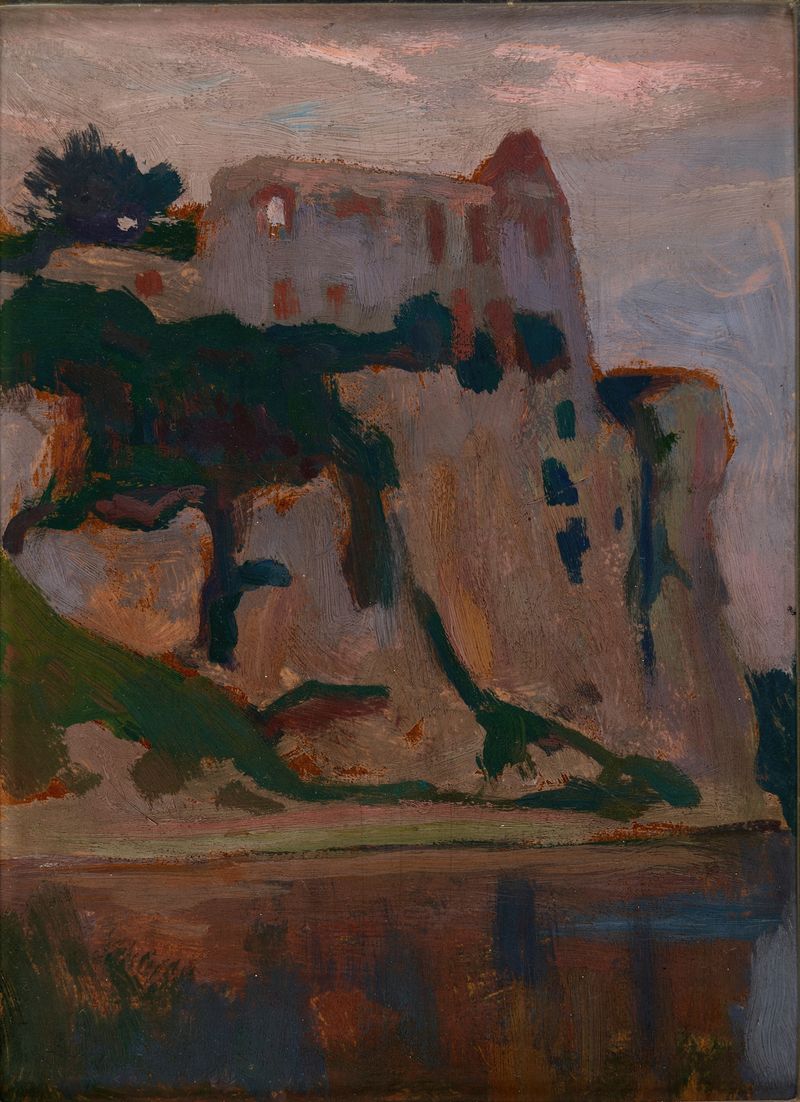
Tyniec at Dawn
Jan Stanisławski
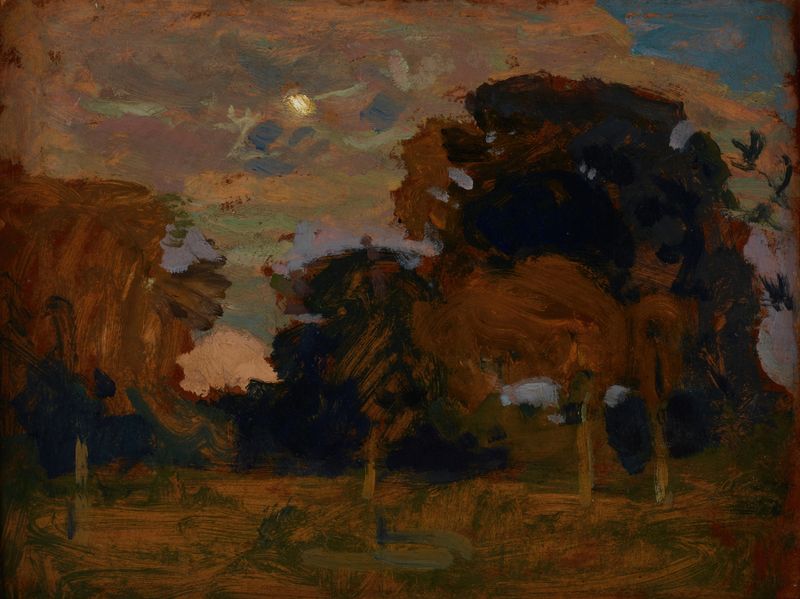
Moon in the Clouds
Jan Stanisławski
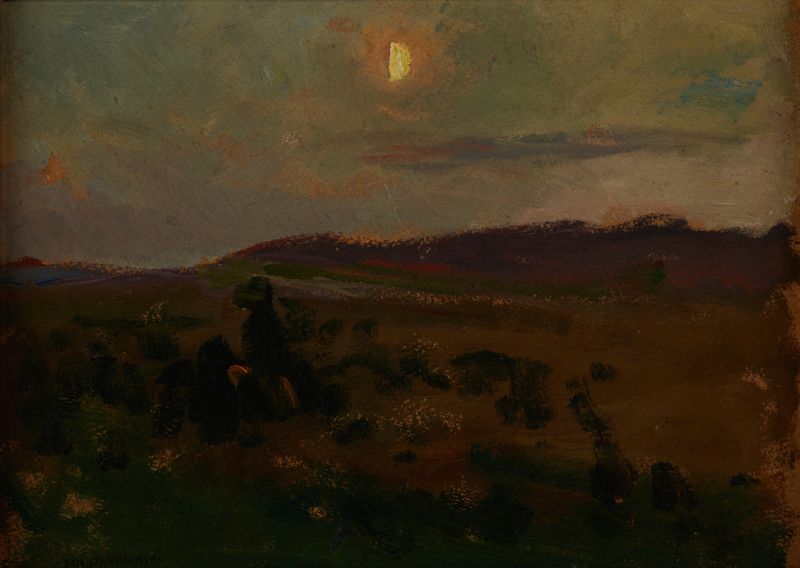
Moonrise
Jan Stanisławski
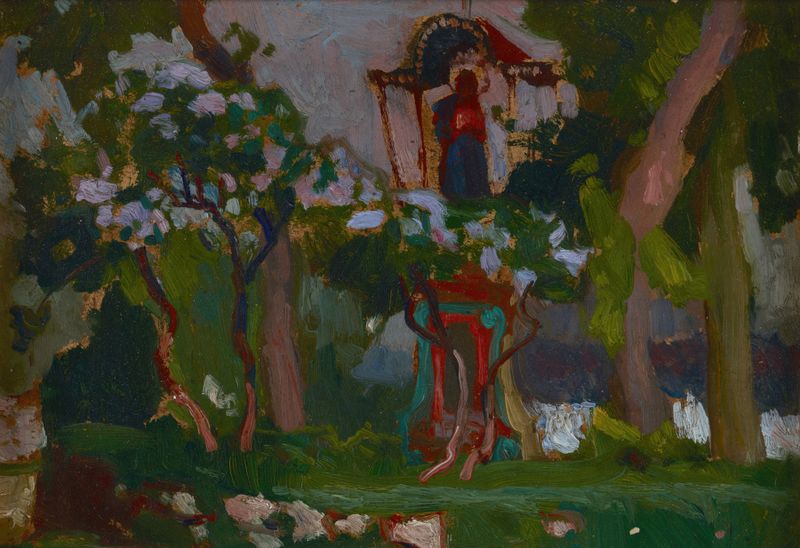
May
Jan Stanisławski
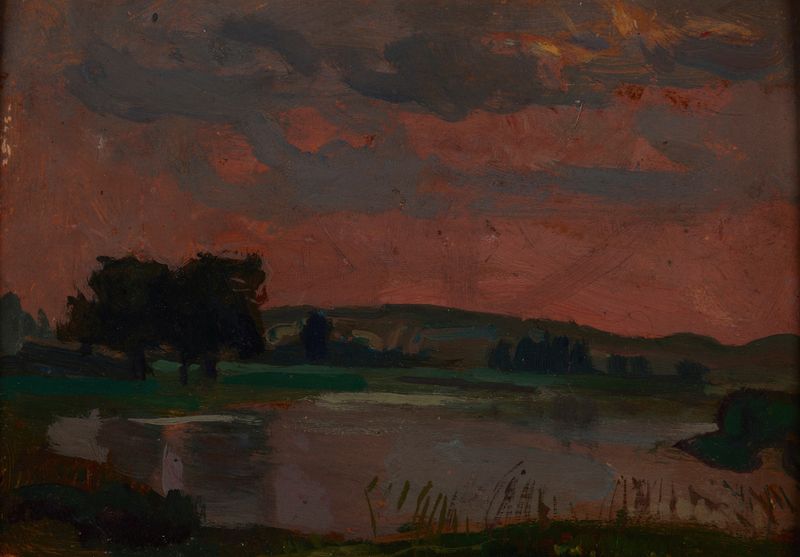
The Vistula in the Twilight
Jan Stanisławski
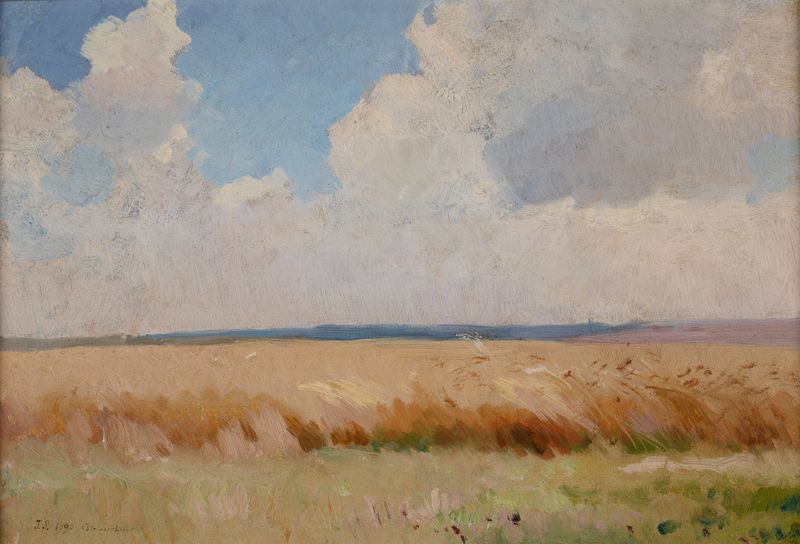
Field at Białocerkiew (Bila Tserkva)
Jan Stanisławski
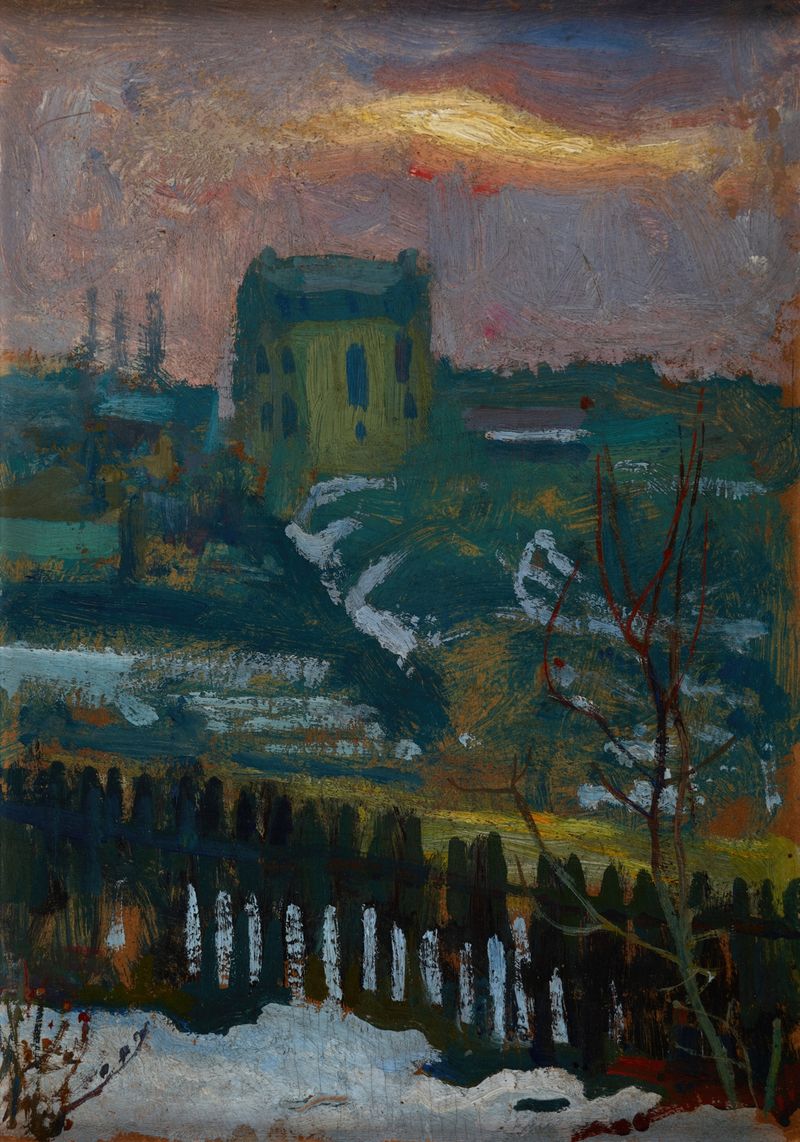
House in Winter
Jan Stanisławski
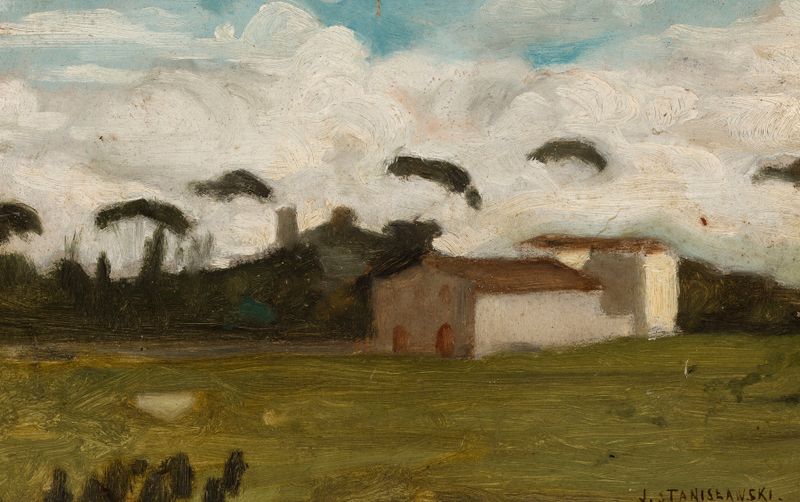
Landscape
Jan Stanisławski
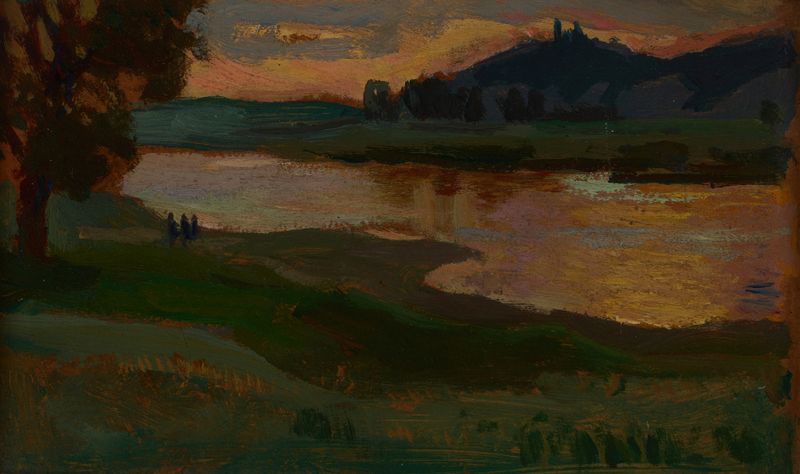
Bielany at Dusk
Jan Stanisławski
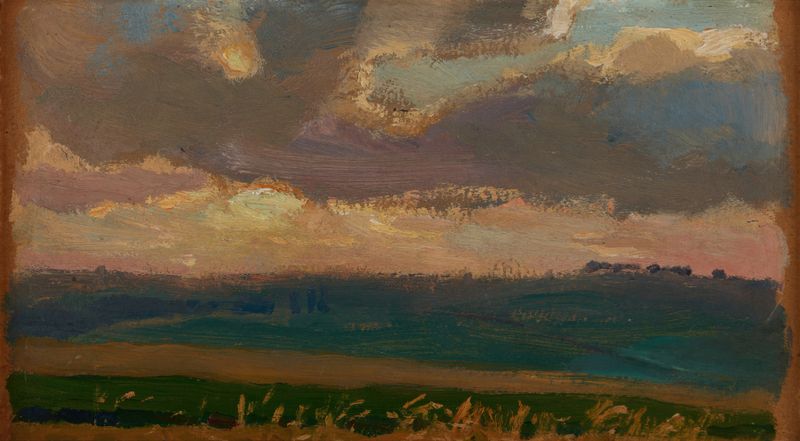
Fields at Proszowice
Jan Stanisławski





