Eaux-Fortes Modernes: Originales et Inédites — History & Facts
A chef’s apron, a bowl, and a knife—these are the quiet instruments of the scene, but it is the exchange between the two figures that draws the eye. One stands, bowl in hand, while the other sits on a simple stool, knife poised above a scattering of vegetable peels. The standing figure’s posture, slightly leaning forward, suggests a moment of offering or instruction, while the seated figure’s gaze is fixed, attentive yet weary.
The vertical lines etched into the background pull the viewer’s attention upward, but the true center of gravity is the invisible line of communication between the two cooks. Shadows anchor their feet to the floor, grounding the scene in the everyday labor of the kitchen. Created in 1862, this print by Augustin Théodule Ribot belongs to a moment in French art when realism was gaining ground, celebrating the dignity of ordinary work and the unvarnished truth of daily life. Such etchings were often made for collectors who sought glimpses into the worlds of artisans and laborers, worlds rarely depicted with such directness before the mid-nineteenth century.
History has kept few traces of the individual stories behind these prints, but their honest attention to work and gesture speaks volumes about the values and curiosities of their age. Look again at the hands—one offering, one working—and you’ll find the pulse of a kitchen, and perhaps of a society learning to see itself anew.
More Artworks by Augustin Théodule Ribot

The Scullion
Augustin Théodule Ribot
The Artist's Daughter
Augustin Théodule Ribot
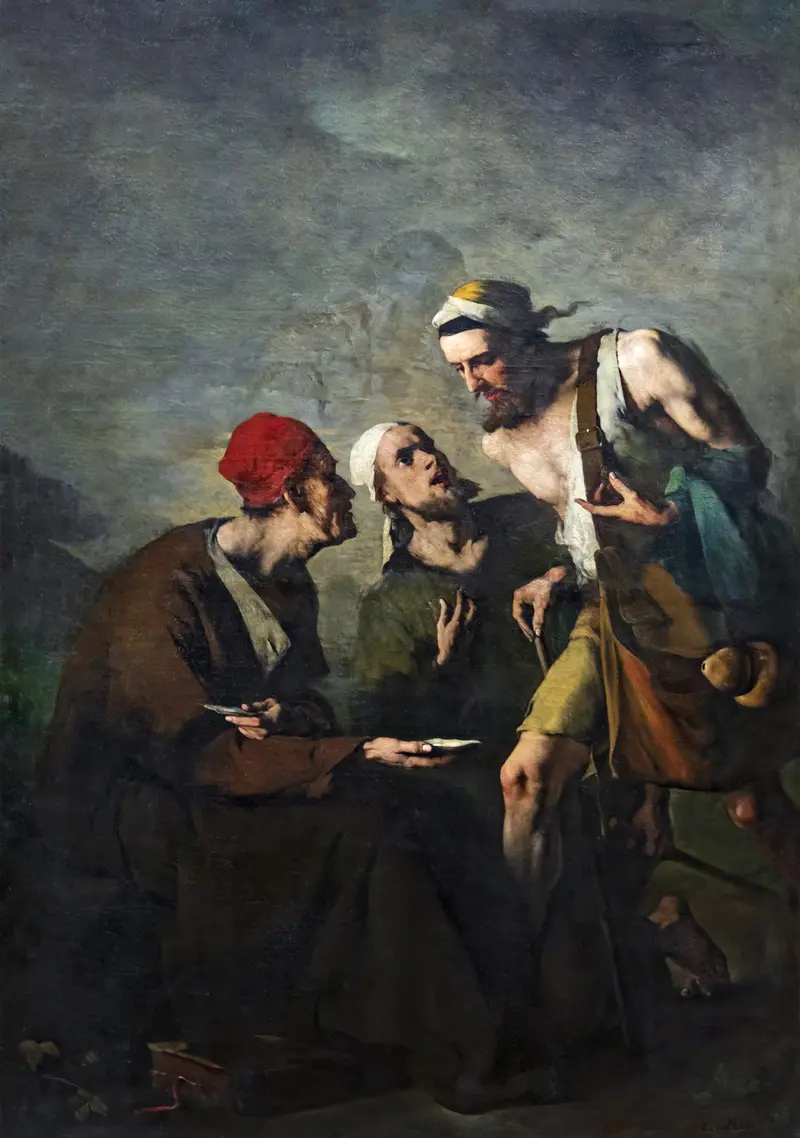
The oyster and the Litigant's
Augustin Théodule Ribot
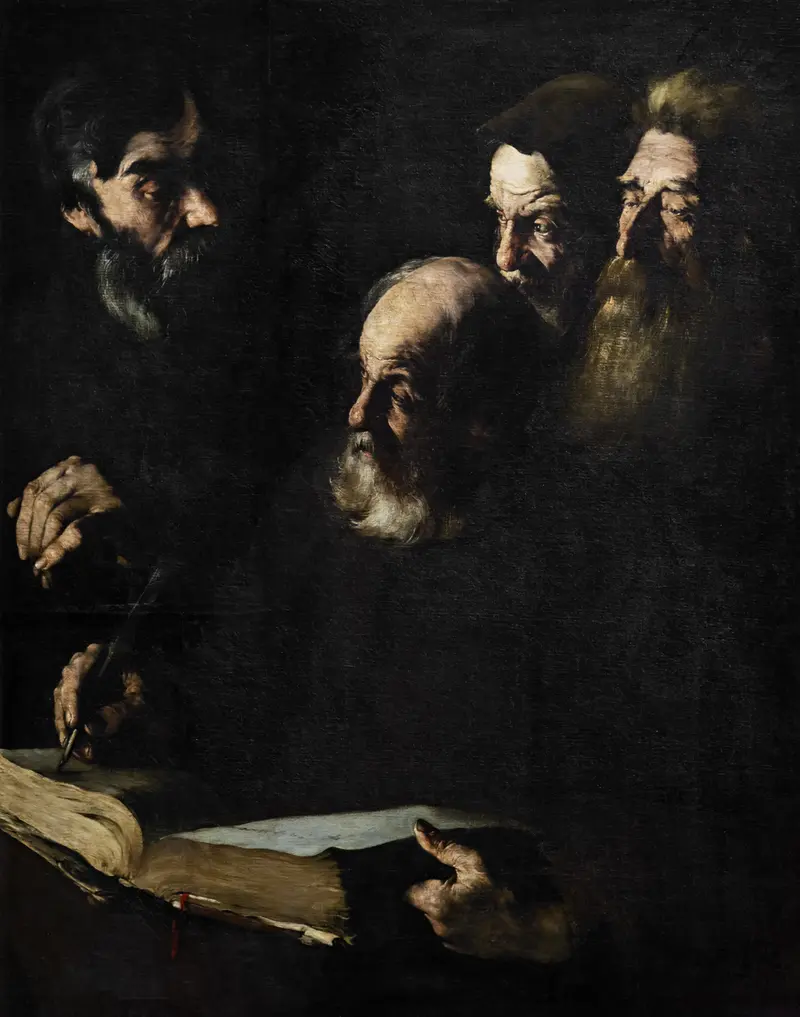
The philosophers
Augustin Théodule Ribot
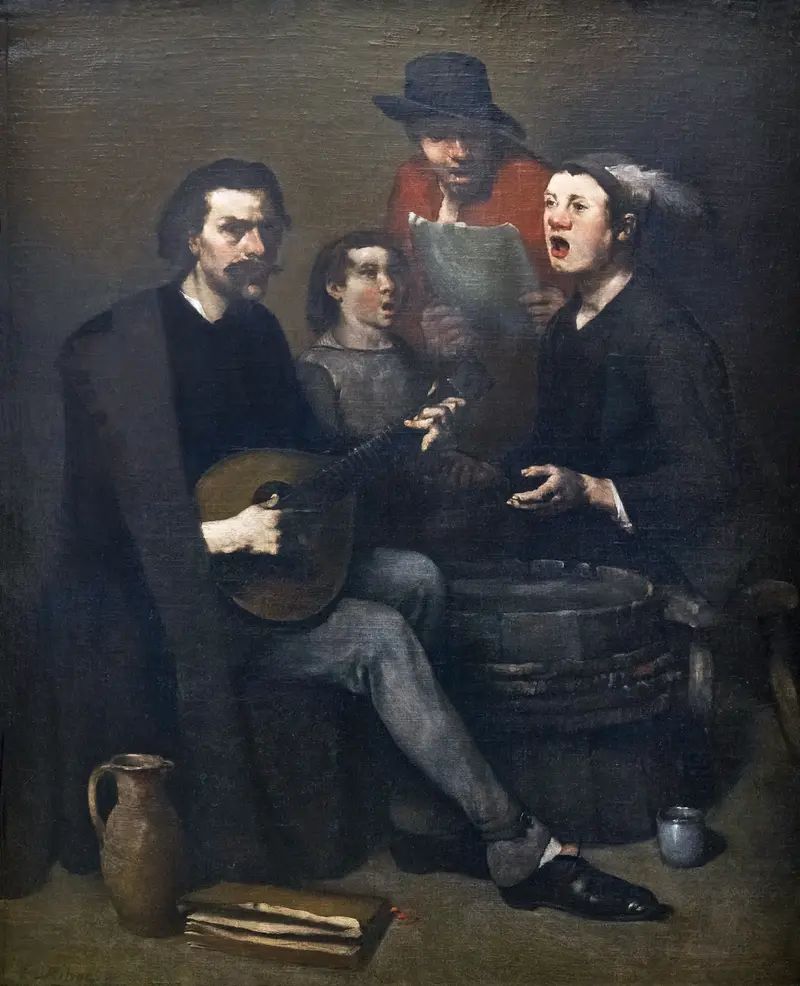
Singers
Augustin Théodule Ribot
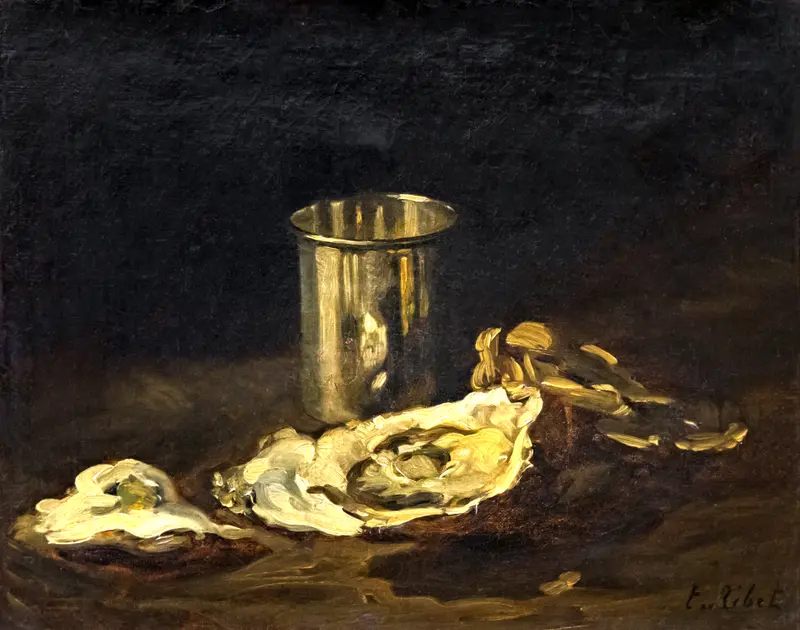
Oyster and timbale
Augustin Théodule Ribot
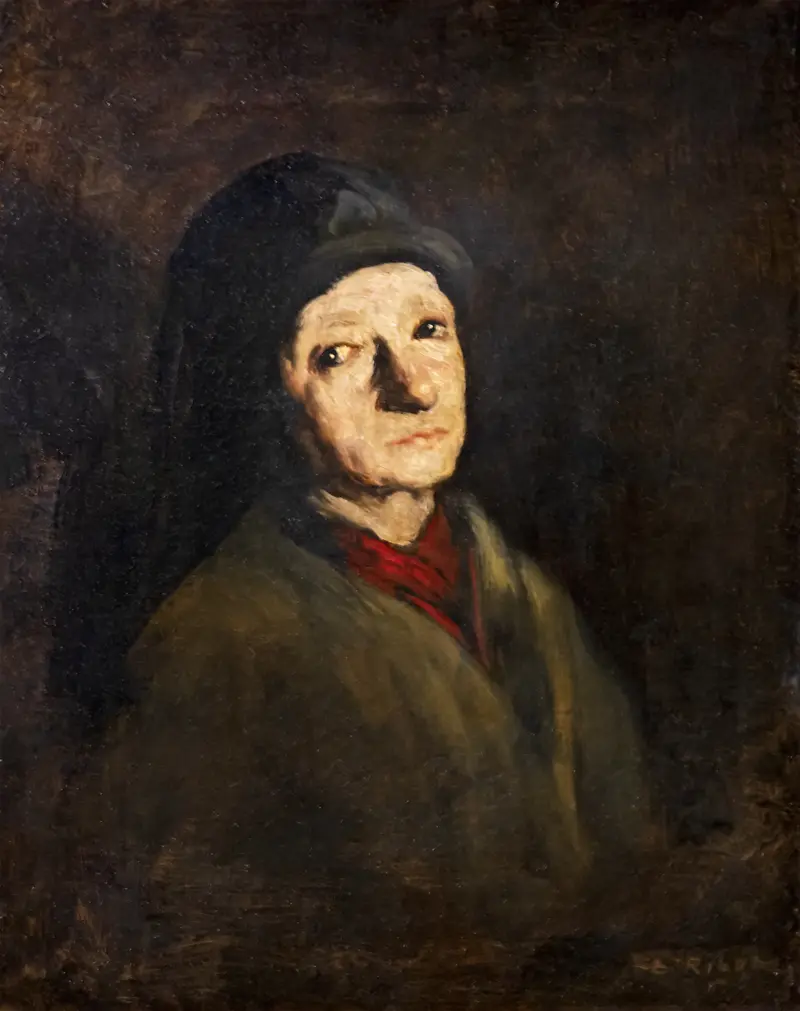
Portrait of the artist's mother
Augustin Théodule Ribot
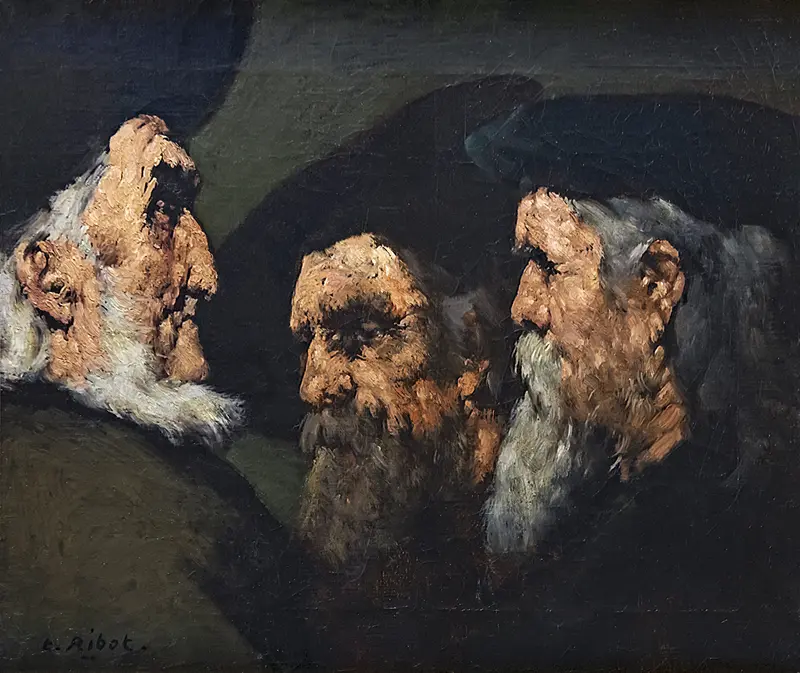
Three old jews
Augustin Théodule Ribot
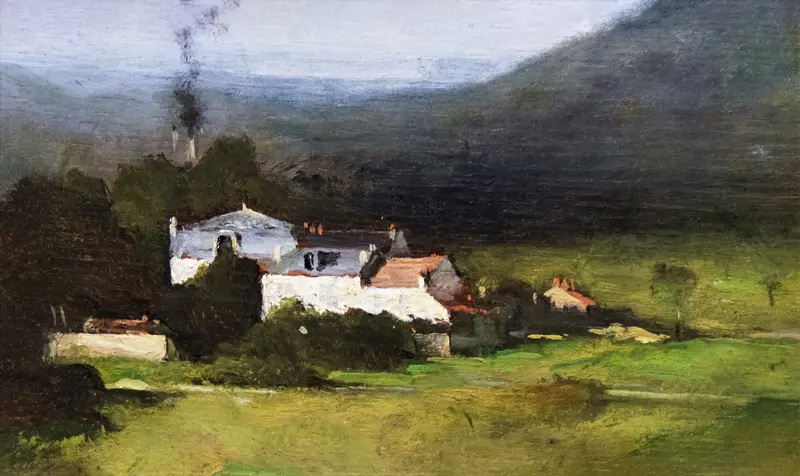
' Landscape ', known as ' La Maison de Corot in Ville-d'Avray '
Augustin Théodule Ribot
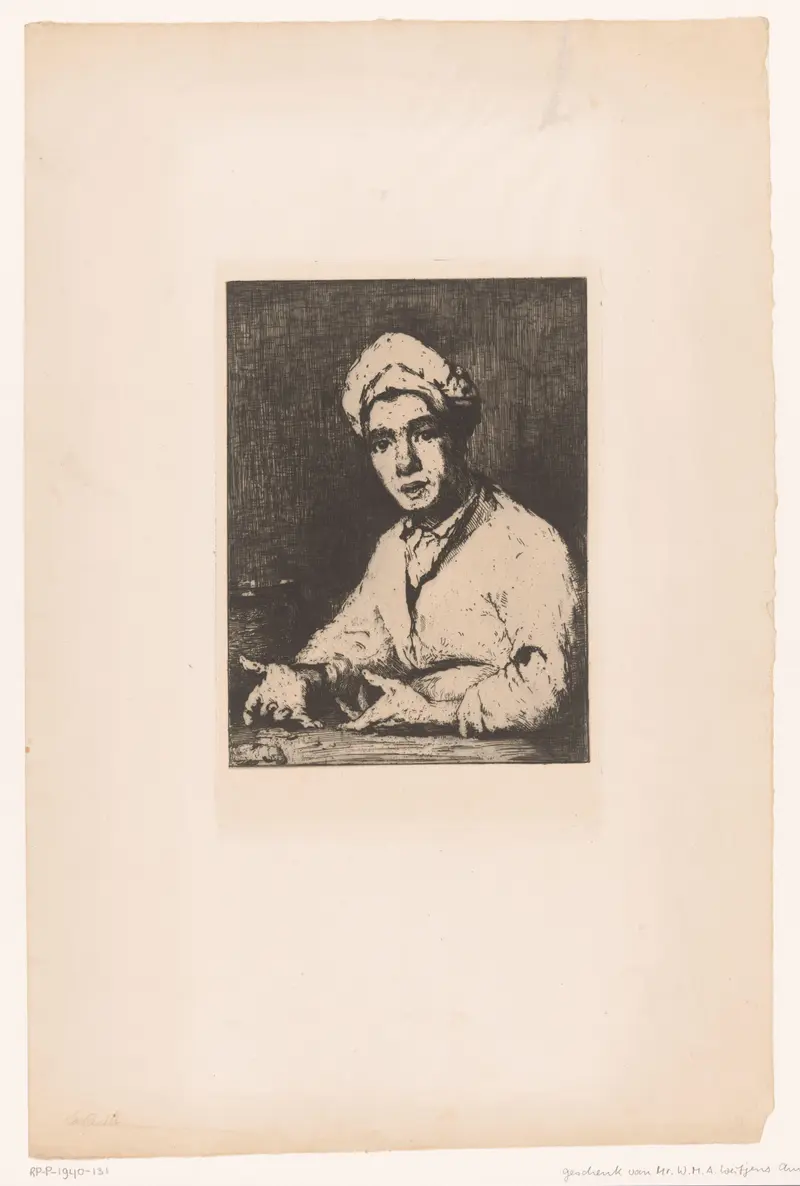
La recette du cuisinier
Augustin Théodule Ribot