
Ecce Homo — History & Facts
What first catches the eye is not the suffering, but the directness: Christ meets the viewer’s gaze with a quiet, almost resigned clarity. The crown of thorns presses into his brow, but it is the subtle downturn of his mouth and the gentle, unblinking eyes that hold the attention. The rope knotted at his chest is rendered with a precision that makes it feel rough, real, almost within reach, while the illusionistic frame painted around the figure draws the viewer into the scene, as if Christ is pushed forward from the depths of the canvas to confront us personally.
Light glances over his bare shoulders, picking out the texture of skin and hair, while the background recedes into shadow, focusing all attention on the face and its silent appeal. Works like this Ecce Homo, painted in 1475, belonged to a period when artists across Italy were experimenting with new ways to make sacred stories immediate and intimate. Devotional images of Christ, especially those showing him mocked and crowned with thorns, were intended to prompt private reflection and empathy—tools for prayer as much as for display. The meticulous realism and psychological intensity here recall the innovations spreading from Northern Europe, where oil paint allowed for such lifelike textures and moods.
History has kept few traces of this particular painting’s early journey, but its survival in the Yorck Project collection lets us see how a single face, painted five centuries ago, can still ask for our attention—and perhaps, our response.
More Artworks by Antonello da Messina

San Cassiano Altarpiece
Antonello da Messina

Pietà
Antonello da Messina
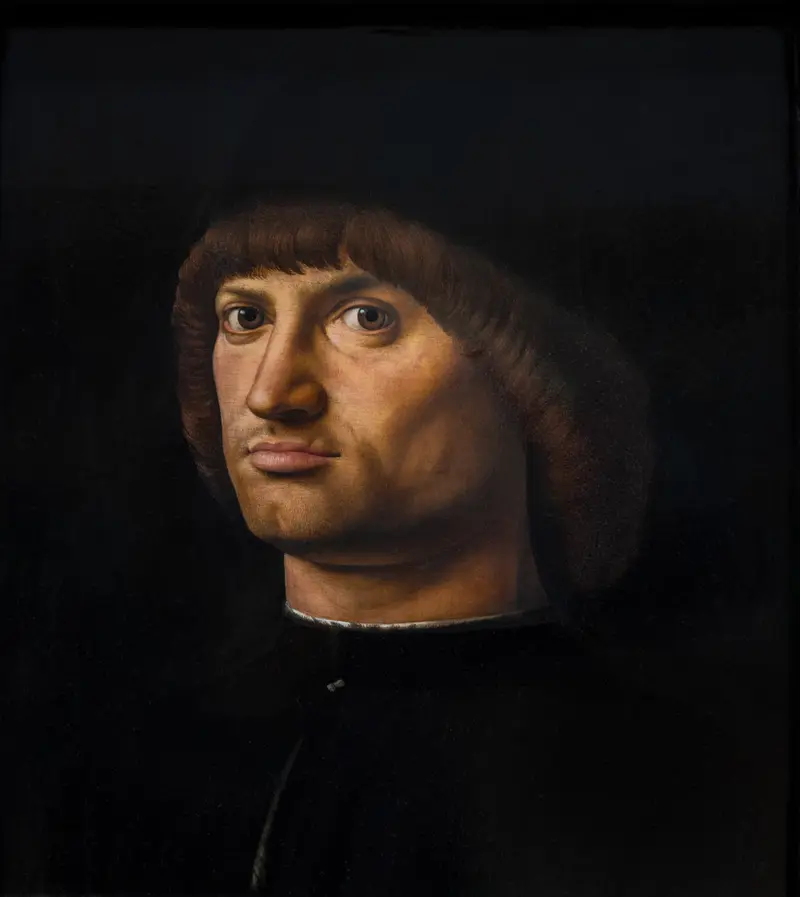
Portrait of a Man, called condottiere
Antonello da Messina
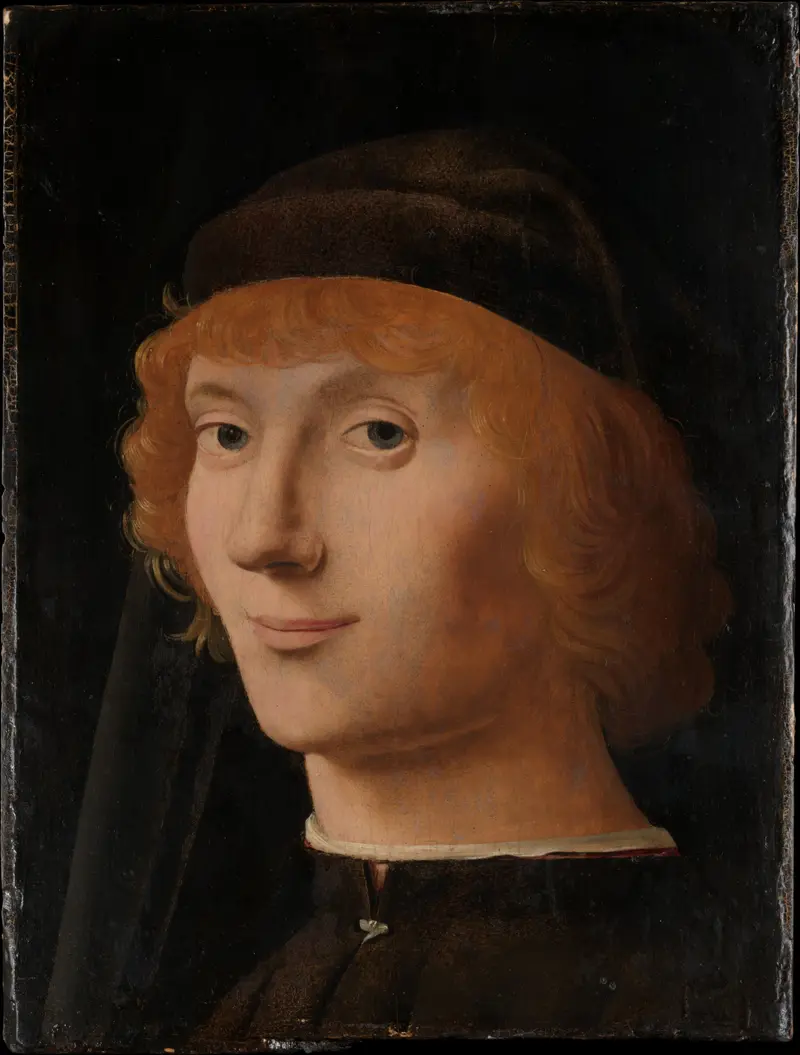
Portrait of a Young Man
Antonello da Messina
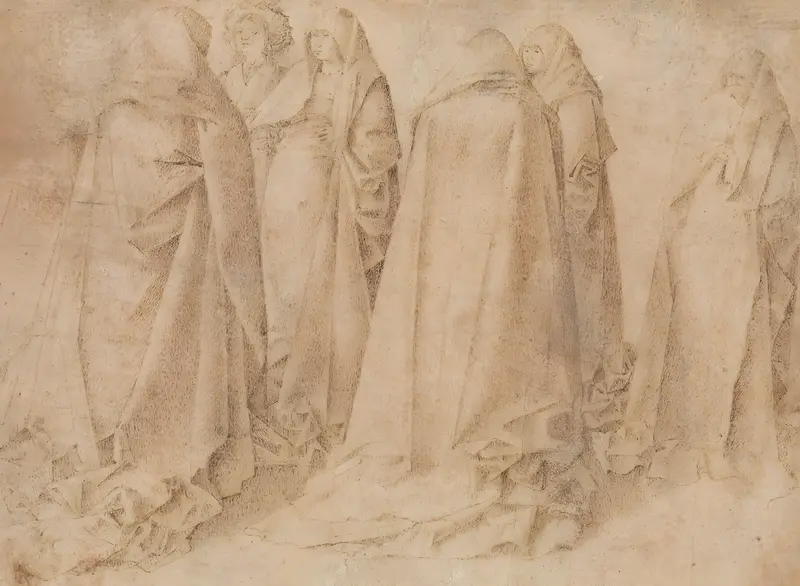
Group of Draped Figures
Antonello da Messina
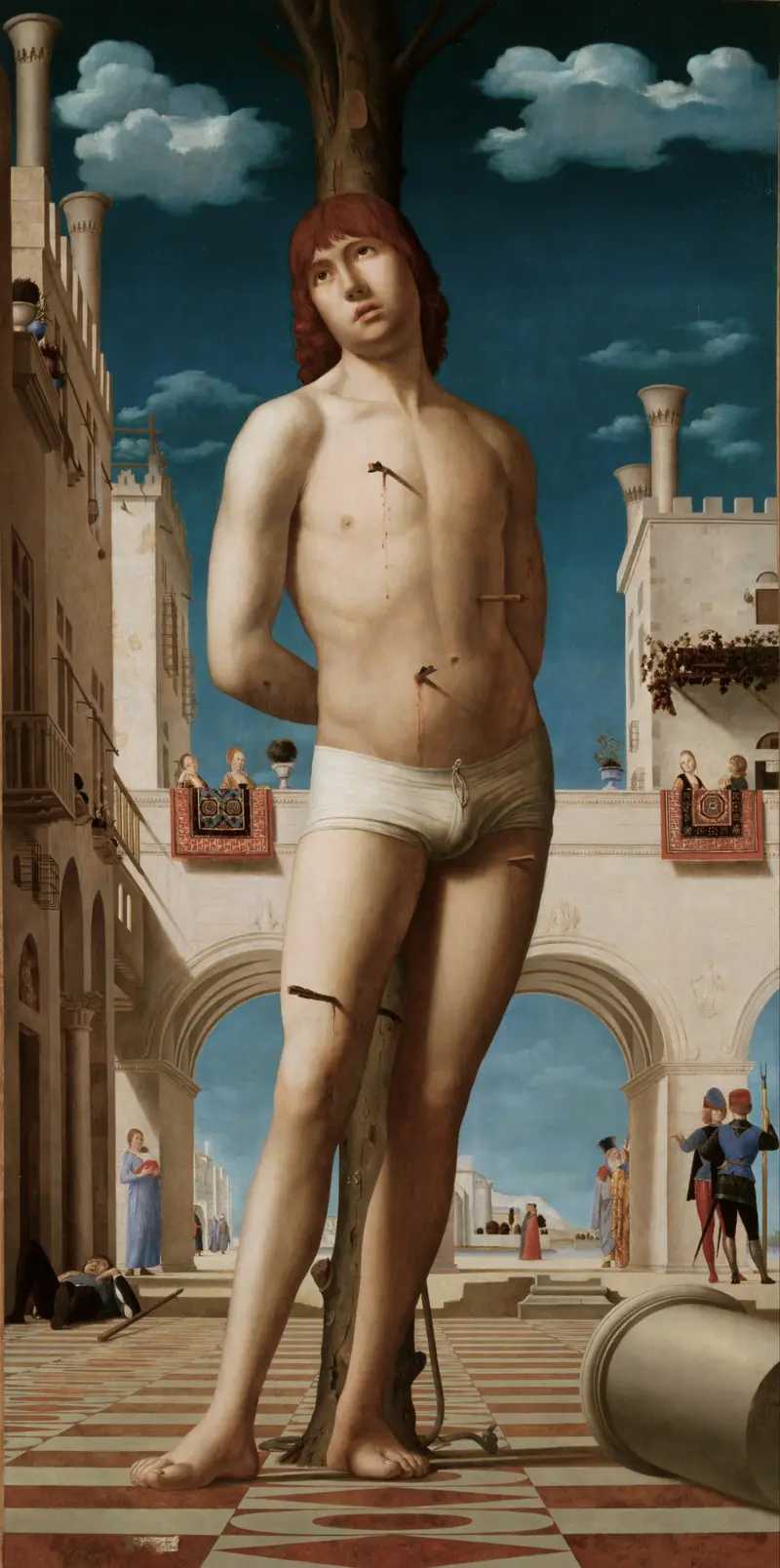
Saint Sebastian
Antonello da Messina
St. Jerome in His Study
Antonello da Messina
Calvary
Antonello da Messina
Portrait of a Man
Antonello da Messina
Portrait of a Young Gentleman
Antonello da Messina





