
Edge of the Forest in Autumn — History & Facts
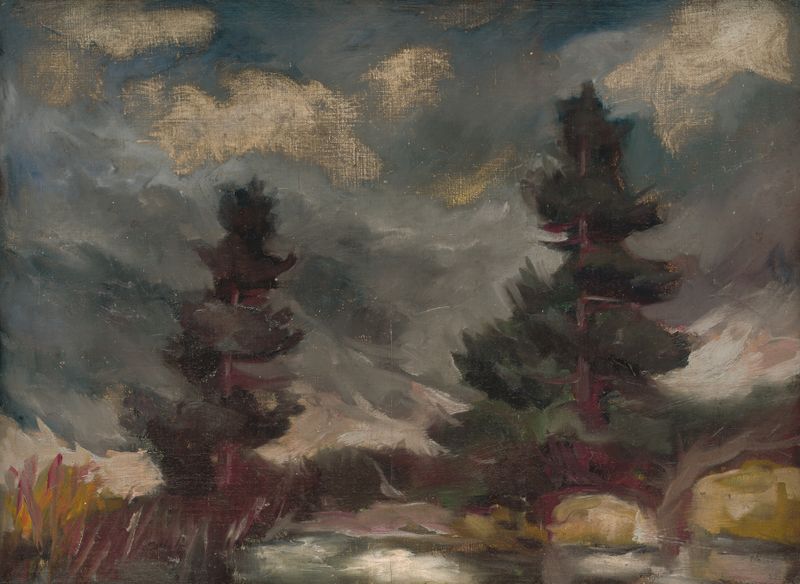
Who listens when art speaks of silence? In the stillness of Edge of the Forest in Autumn, every leaf whispers a tale of awakening, inviting you into a world waiting to be discovered. Look to the left, where a cascade of amber and russet foliage dances lightly in the breeze, the colors shimmering as if dipped in gold. The artist employs a delicate brush technique, allowing the soft textures of the leaves to merge seamlessly with the cool shadows of the forest floor. Notice how the light pours through the branches above, casting intricate patterns that ripple across the landscape, accentuating the sense of depth and inviting your gaze deeper into the composition. Beneath the surface, there exists a tension between the vibrancy of the autumn leaves and the muted earth tones surrounding them.
This contrast reflects the ephemeral nature of change, a cycle of life and decay inherent to all living things. Each detail—the gentle curvature of a branch, the subtle fading of light—hints at the bittersweet beauty of transition, urging us to reflect on our own moments of awakening, both personal and collective. In 1933, Palugyay painted this piece during a time when the art world was beginning to embrace modernist ideas, breaking away from traditional forms. Residing in Hungary, he was influenced by the rich landscapes of his homeland and the shifting socio-political climate of Europe.
This period was marked by a yearning for introspection, echoing through the artistry of the time, as creators sought to convey profound emotions through the natural world.
More Artworks by Zolo Palugyay
Browse all →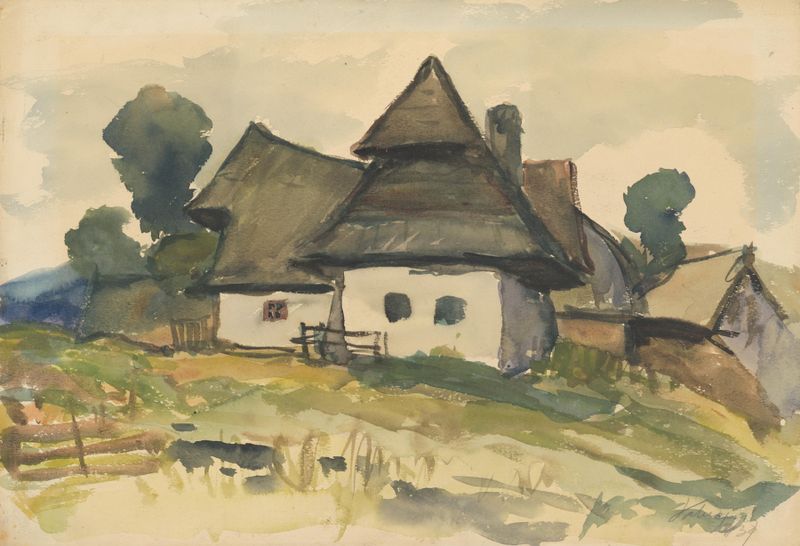
Dedinský motív
Zolo Palugyay
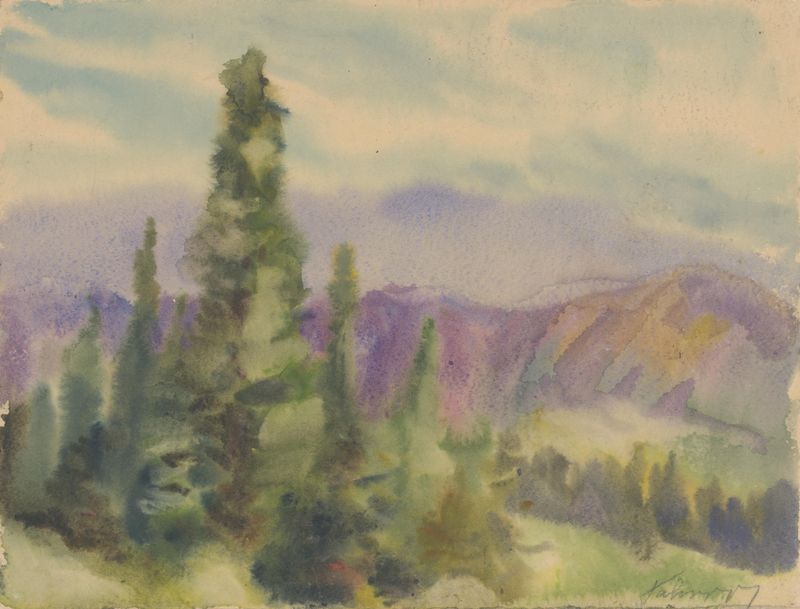
Motif from Liptov Mountains
Zolo Palugyay
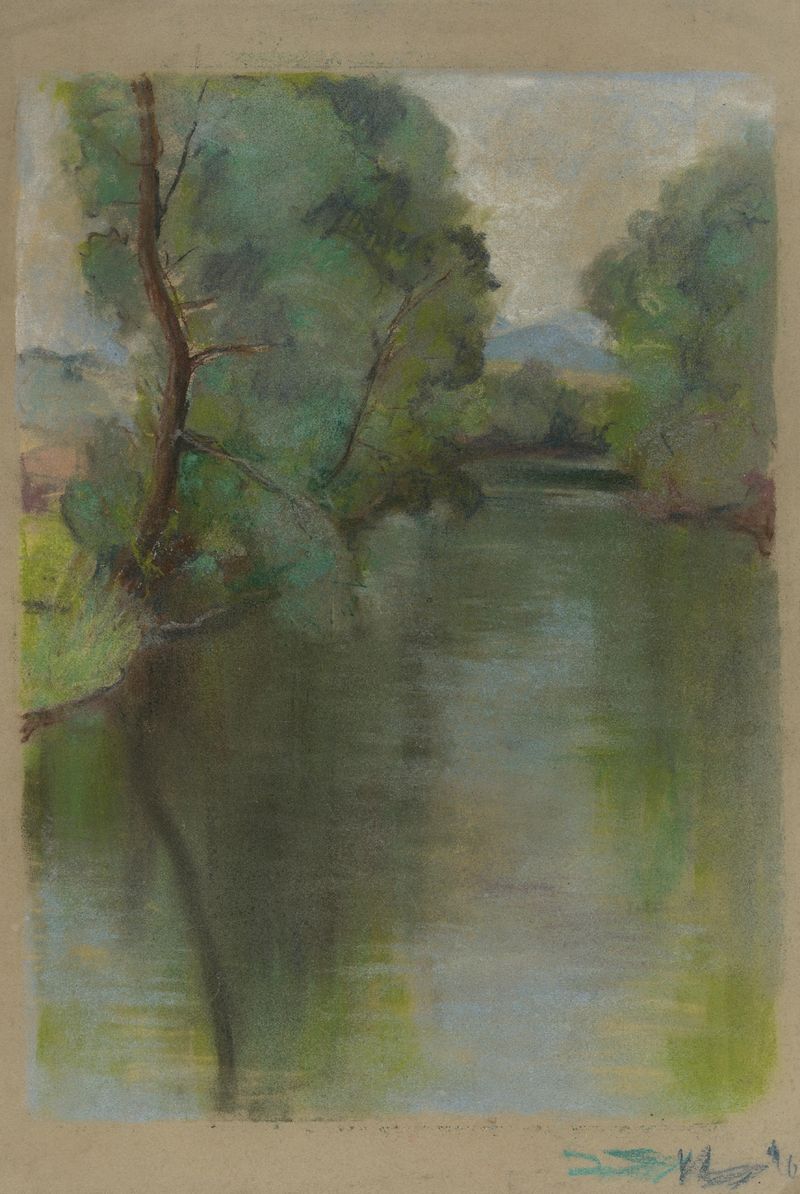
Silent River
Zolo Palugyay
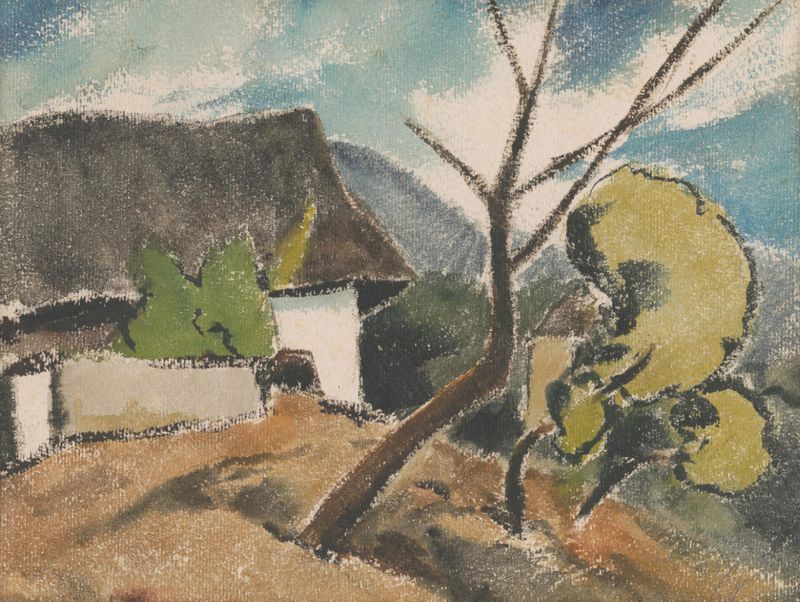
Oravská chalupa
Zolo Palugyay
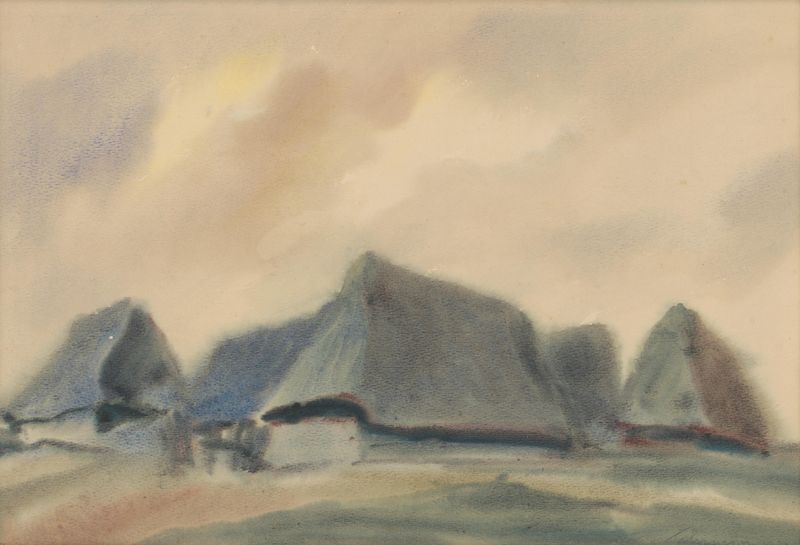
Modré chalupy
Zolo Palugyay
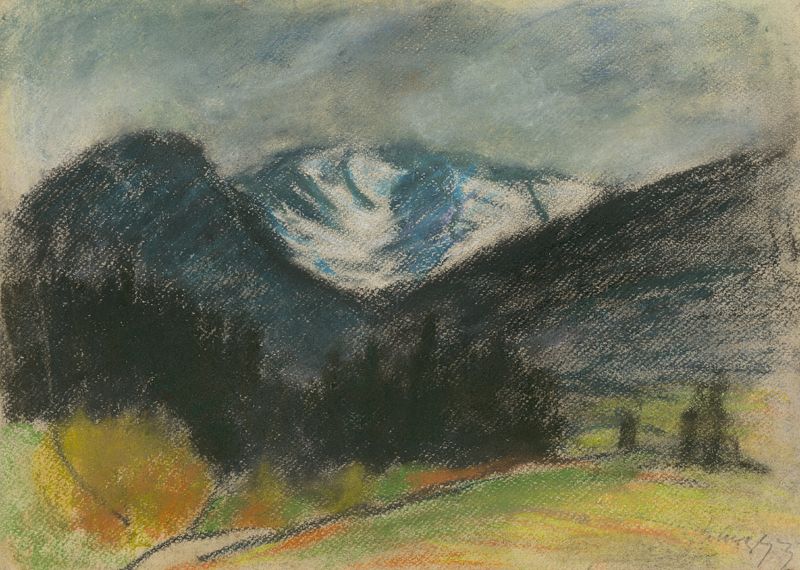
Mountain Landscape with Snowy Peaks
Zolo Palugyay
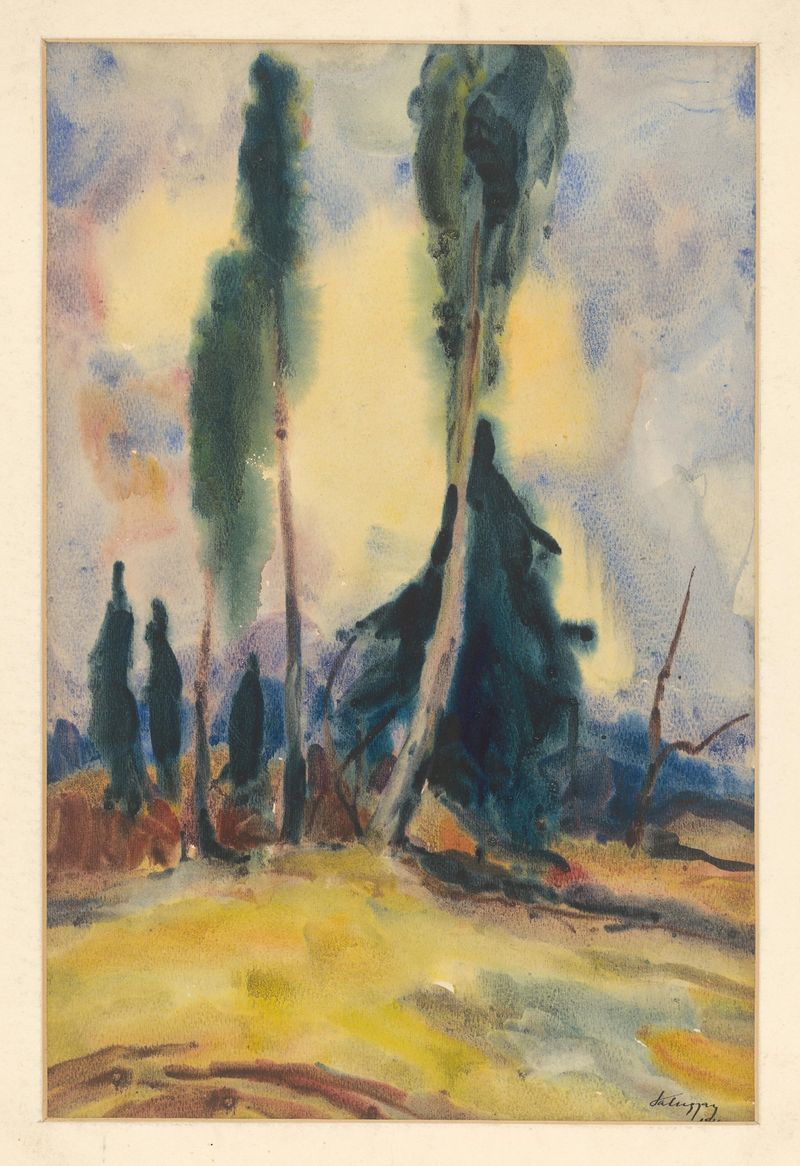
Three Trees on a Plain
Zolo Palugyay
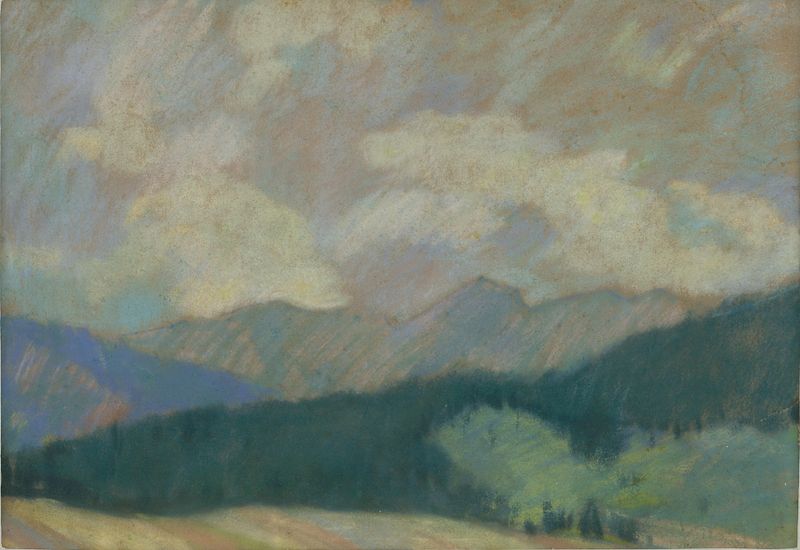
Horská krajina
Zolo Palugyay
Tatra Landscape
Zolo Palugyay
Spring Landscape
Zolo Palugyay





