Edge of the Sahara — History & Facts
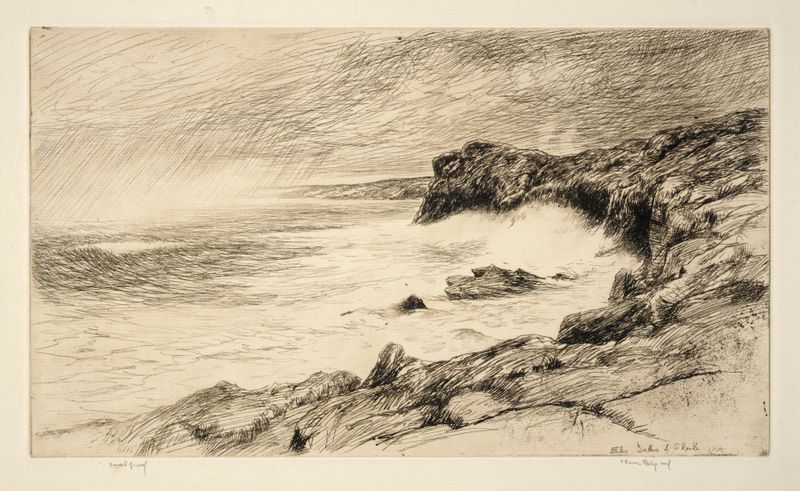
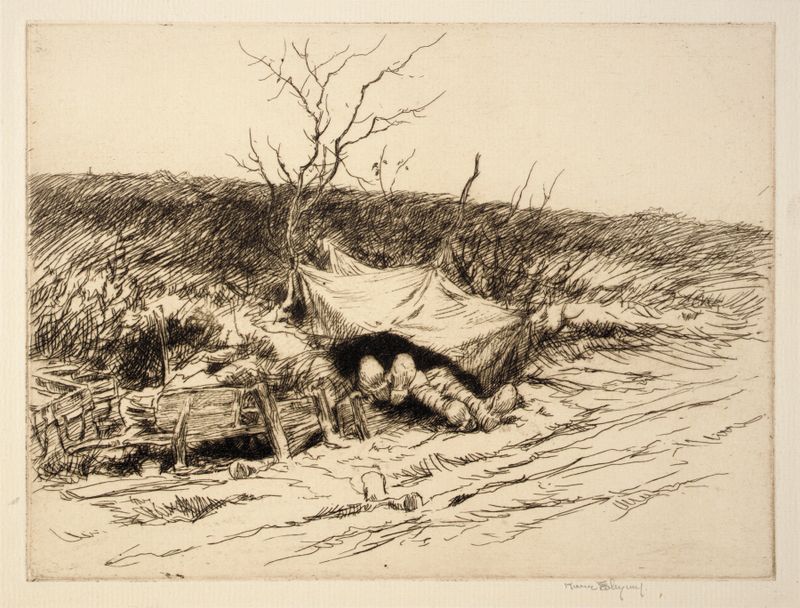
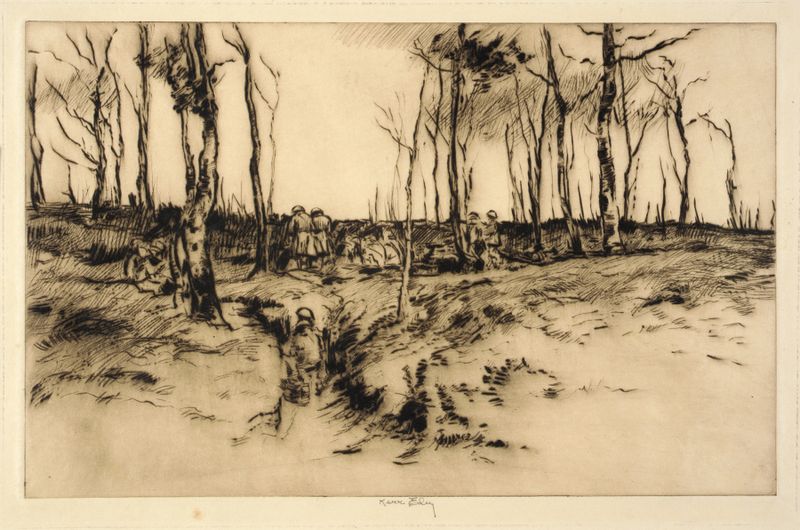
Did the painter know this moment would outlive them? The shimmering expanse of sand stretches endlessly, a haunting illusion of beauty and despair, echoing the transient nature of life itself. Focus on the undulating dunes, where the warm ochres and soft browns blend seamlessly together. Notice how the light plays tricks across the surface, casting soft shadows that dance subtly with the shifting sands. The horizon is a delicate line, a promise of something just out of reach, drawing your gaze toward the unknown that lies beyond.
The artist's use of subtle gradations in color creates a sense of depth and movement, inviting the viewer into an intimate relationship with the landscape. The stark contrast between the warmth of the sand and the coolness of the sky suggests an emotional tension — perhaps a struggle against isolation or the allure of adventure. Look closely at the textures of the sand, which whisper of the relentless winds that shape this desolate beauty. This interplay of light and shadow reflects both the harsh realities of survival and the ephemeral nature of dreams, creating a poignant dialogue between illusion and reality. Kerr Eby created Edge of the Sahara in 1920, during a time when he was navigating the aftermath of World War I and the shifting landscapes of modern art.
This period saw a growing interest in exploring the psychological depths of the human experience through landscape, revealing both an external world and an internal emotional landscape. Eby’s work serves as a reflection of his own life experiences and the broader cultural context, merging personal narrative with universal themes.