
The Entomologist's Dream — History & Facts
A dream—or a nightmare—unfolds in the dim blue hush of this room, where butterflies, impossibly vivid, erupt from their glass cases and swirl through the air. The entomologist, gaunt and wide-eyed, seems both witness and captive to this transformation: his hand claws at the tangled bedsheets, his gaze fixed on the impossible spectacle. Every detail in The Entomologist’s Dream is charged with tension: the toppled chair, the scattered specimen boxes, the riot of color against the funereal gloom.
Dulac leads the eye from the chaos at the entomologist’s feet, where pinned specimens spring to life, up to the ceiling where the butterflies mass like a living cloud, dissolving the boundaries between science and fantasy. The palette—deep indigos, bruised violets, flashes of crimson and gold—creates a mood of anxious wonder, as if the room itself is dissolving into dream. Created for the December 1909 issue of the French art magazine L’Illustration, this image accompanied Gerard d’Houville’s story “Le Papillon Rouge.” Dulac, a master of early twentieth-century book illustration, was known for bringing literature’s most uncanny moments to visual life, and here he captures the era’s fascination with the borderlands of reason and imagination. Such works were commissioned for a growing audience hungry for art that blurred the lines between the rational and the magical, a hallmark of the Symbolist and Art Nouveau movements that flourished in Europe at the time.
History has kept few traces of this particular painting’s journey beyond its magazine debut, but its strange, electric tension remains: a scientist’s ordered world undone by a single, impossible night. Look again at the butterflies—are they escape, or accusation?
More Artworks by Edmund Dulac
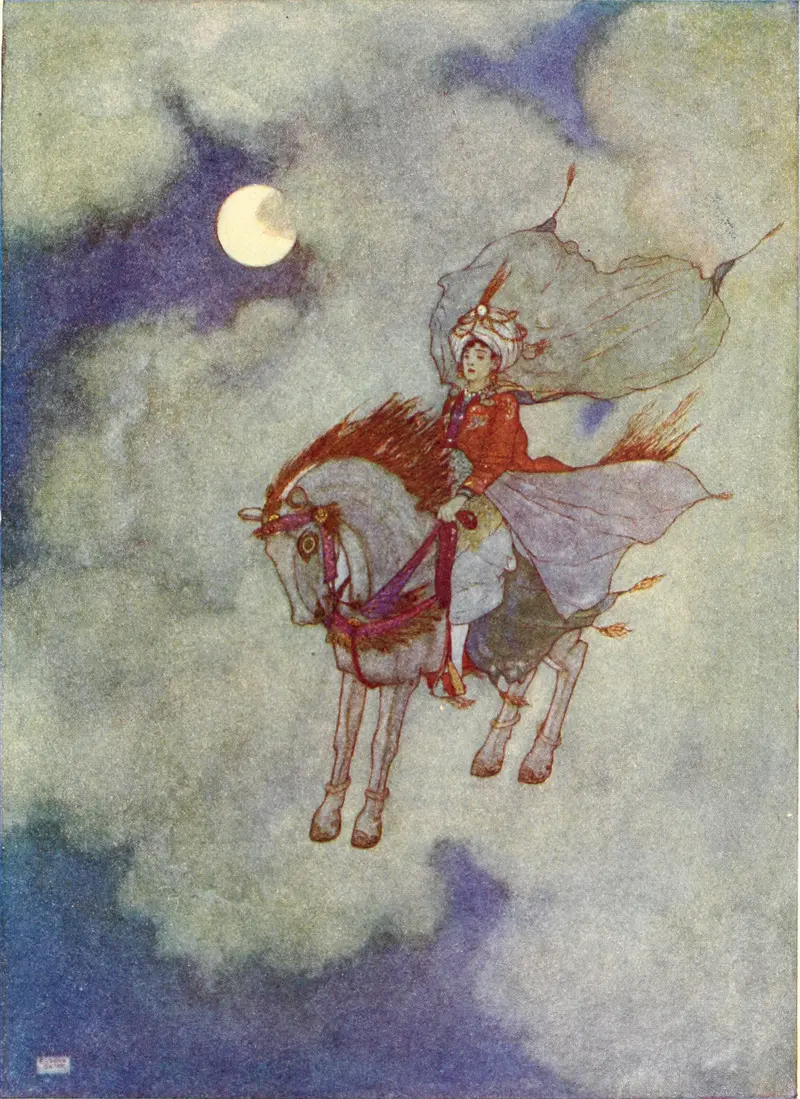
The Magic Horse: As He Descended, the Daylight Faded
Edmund Dulac
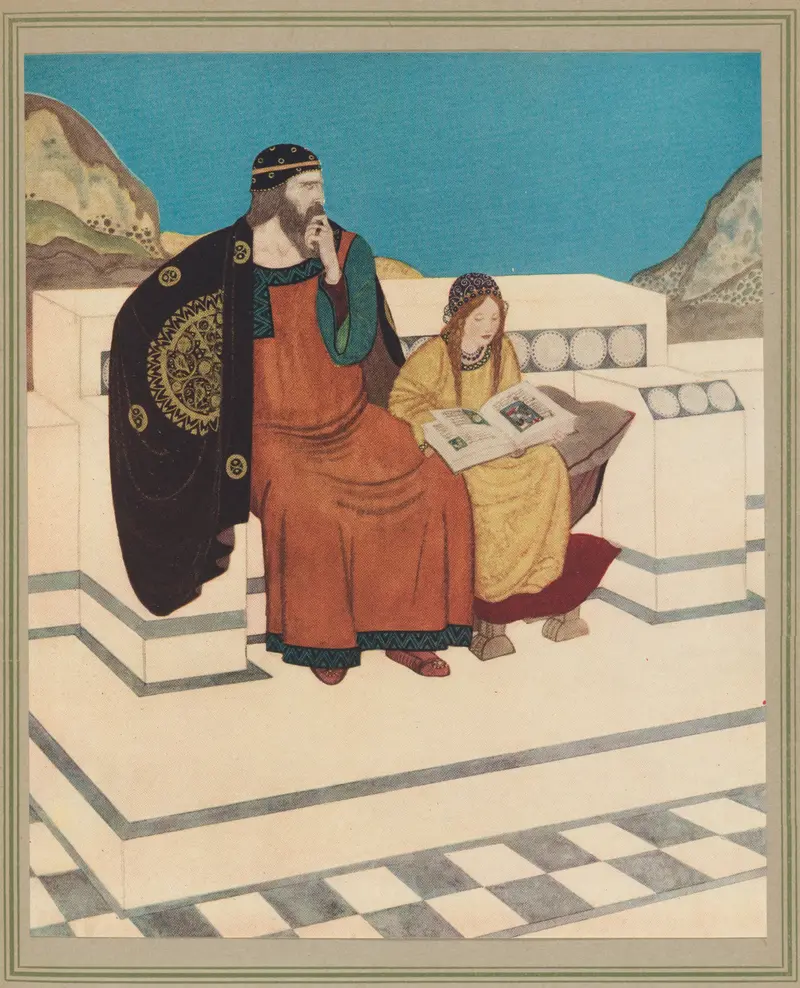
King Wanda Sat
Edmund Dulac
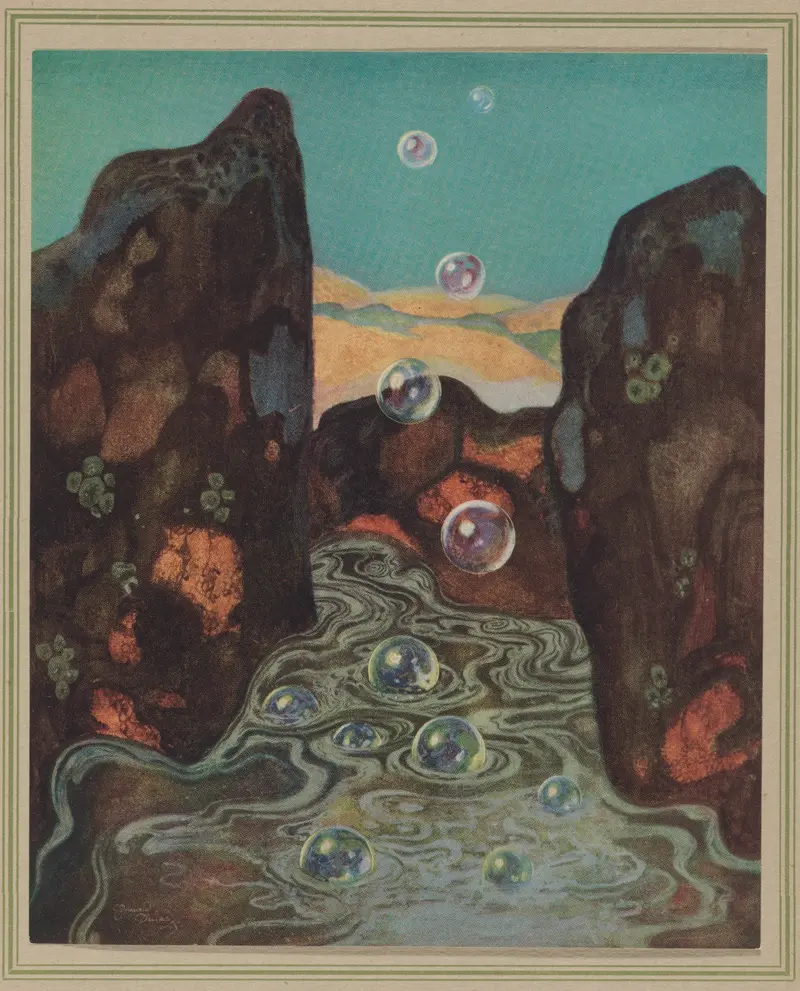
Miraculous Bubbles
Edmund Dulac
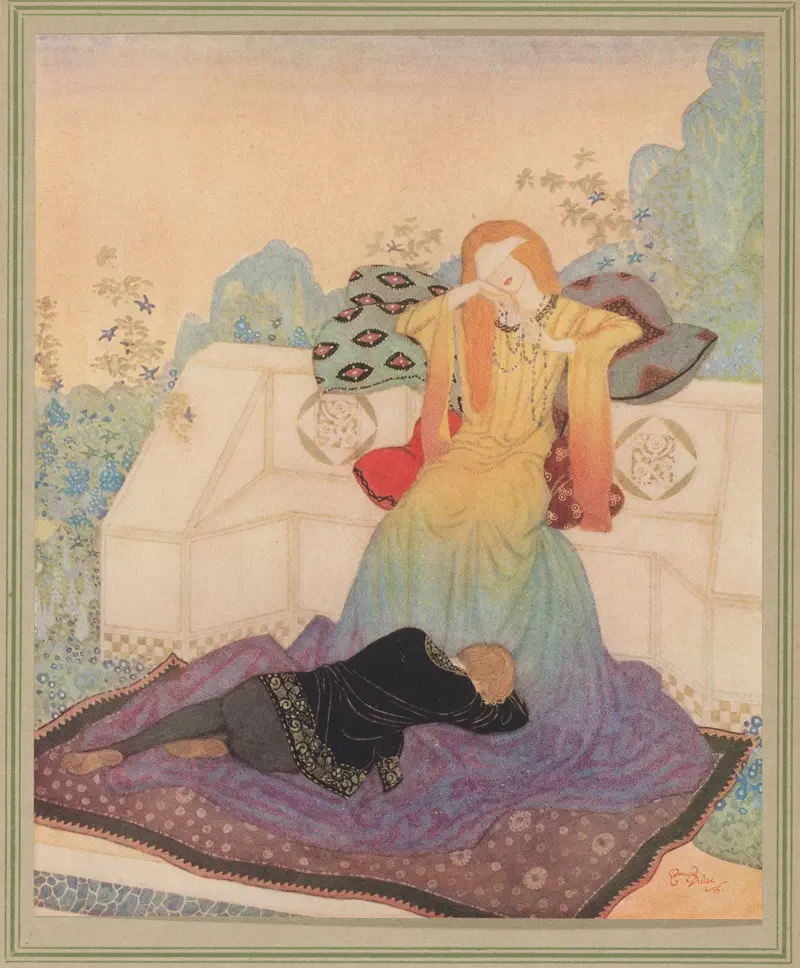
Eric Layed Now
Edmund Dulac
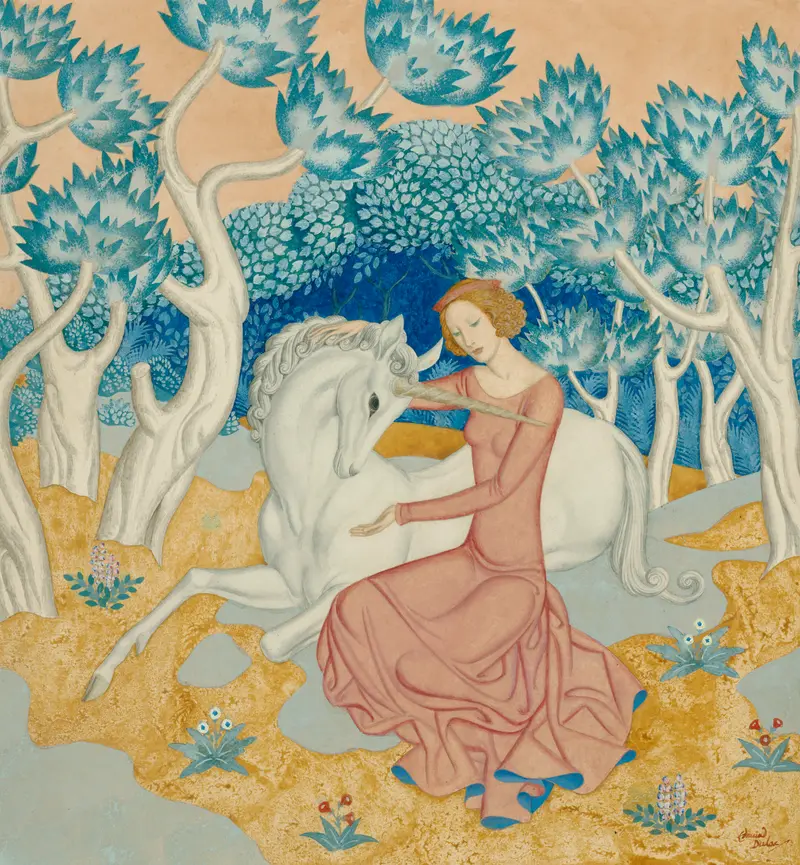
The Maid and the Unicorn
Edmund Dulac
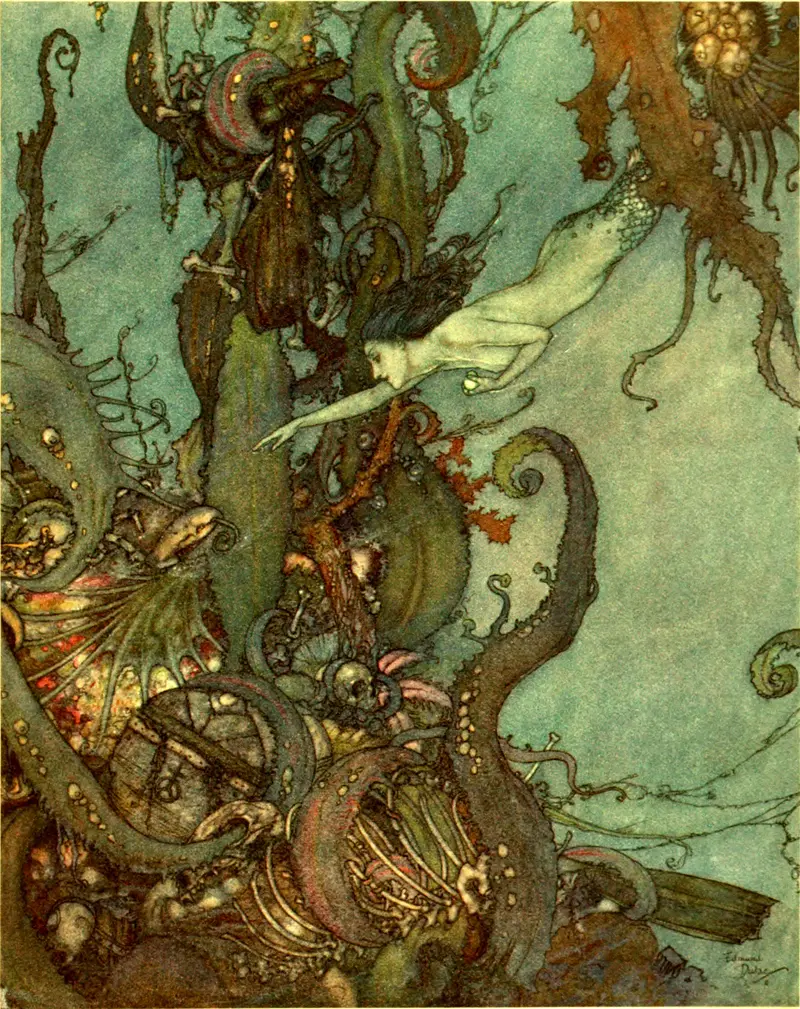
The Little Mermaid: At the Mere Sight of the Bright Liquid
Edmund Dulac

Urashima Taro
Edmund Dulac

And There Leaning
Edmund Dulac
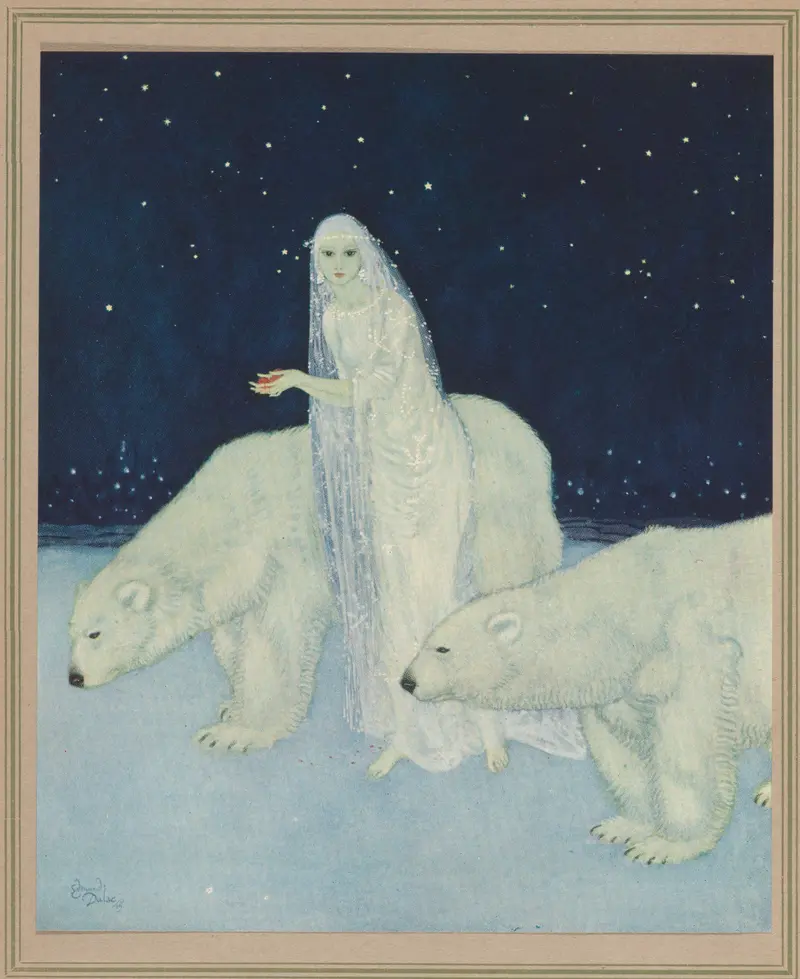
Everything About Her
Edmund Dulac
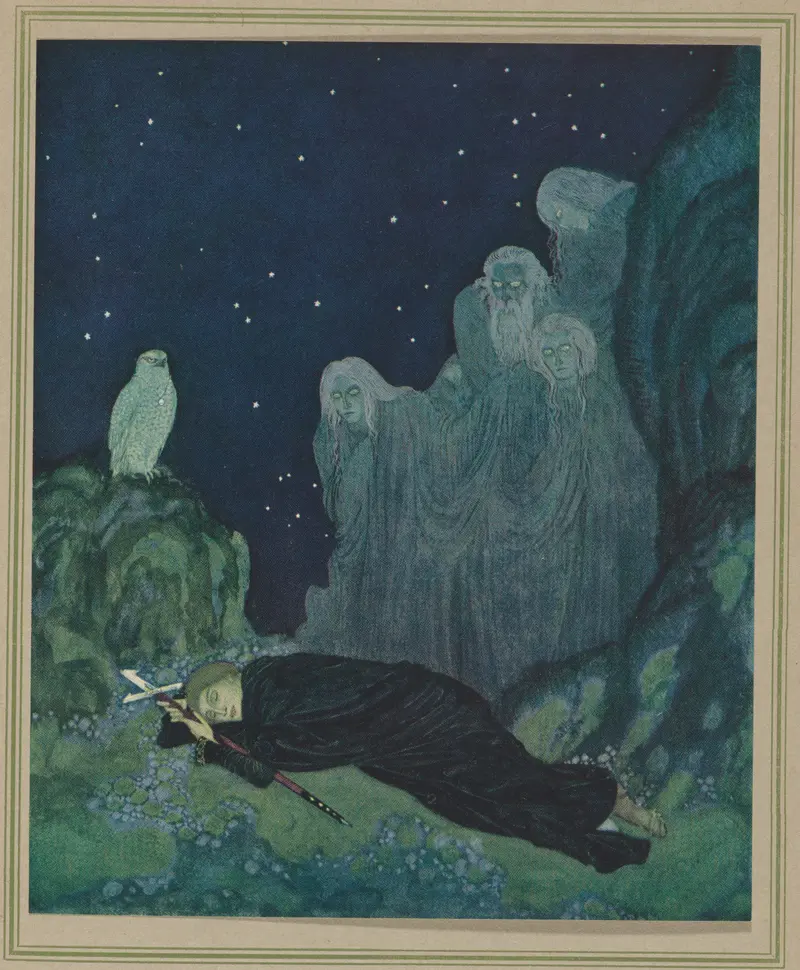
Circle Of Mist
Edmund Dulac





