
Een familie verrast door de Dood — History & Facts
In the muted melancholy of Een familie verrast door de Dood, the weight of loneliness bears down, encapsulating a moment where joy is eclipsed by the specter of loss. This artwork whispers of the emotional distance that sometimes accompanies familial bonds, revealing how solitude can shape shared experiences. Look closely at the figures in the foreground, where a family huddles together, their expressions a tapestry of shock and sorrow. Their bodies lean inward, yet an invisible barrier separates them from the shadowy figure of Death, who looms behind, draped in dark robes.
Notice how the artist employs a palette of somber hues, with deep blues and muted browns dominating the scene, evoking a sense of impending dread. The contrasts between the vibrant life of the family and the ominous presence of Death amplify the emotional turmoil, drawing the viewer's gaze towards the haunting inevitability of mortality. Hidden within the larger narrative are the intimate details of vulnerability—the trembling hands of a mother reaching out, the wide-eyed innocence of a child, and the stoic resignation etched on the face of a father. These elements capture not only the family's grief but also the isolation that each individual feels even in the presence of others.
The artist deftly suggests that while life is often shared, the experience of loss is profoundly solitary. Created between 1523 and 1599, this work reflects a period when artists began to grapple with the complexities of human emotion through scenes of moral and existential contemplation. In a world marked by religious upheaval and plague, the unknown artist offered a stark reminder of the fragility of life, inviting viewers to confront their own relationships with mortality and solitude.
More Artworks by Unknown Artist
Browse all →
Ridder, Dood en Duivel
Unknown Artist
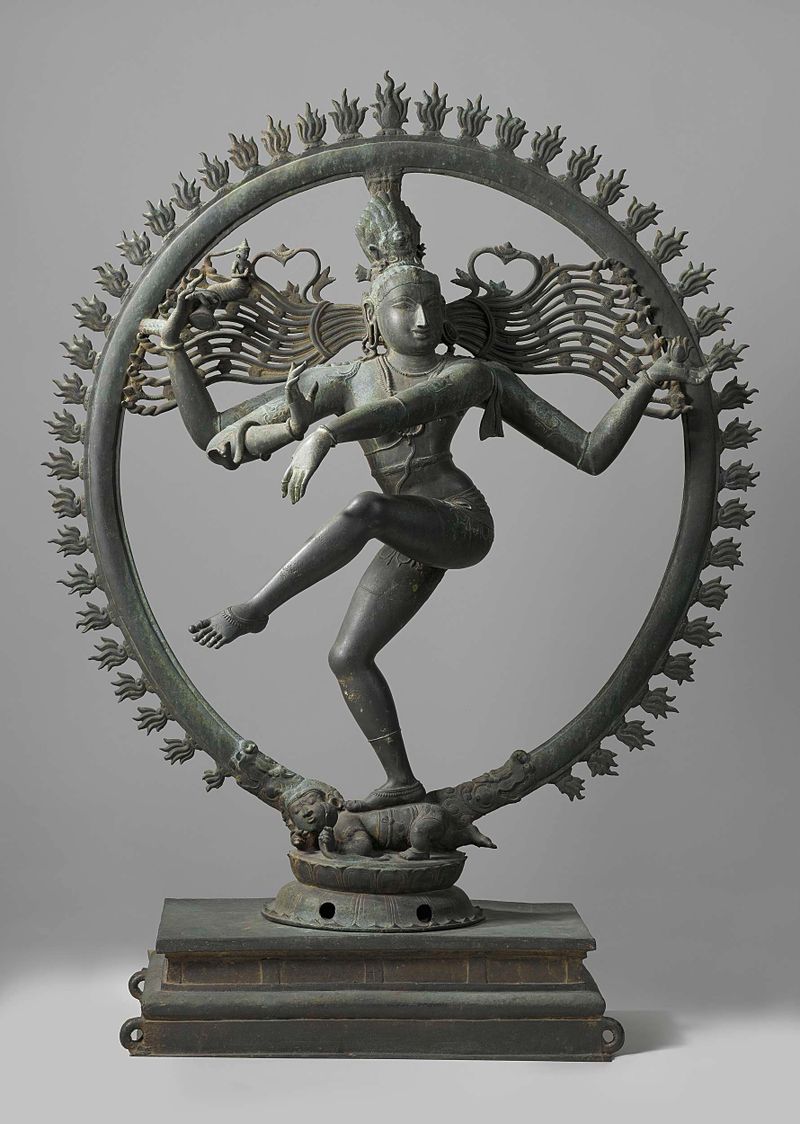
Shiva Nataraja
Unknown Artist
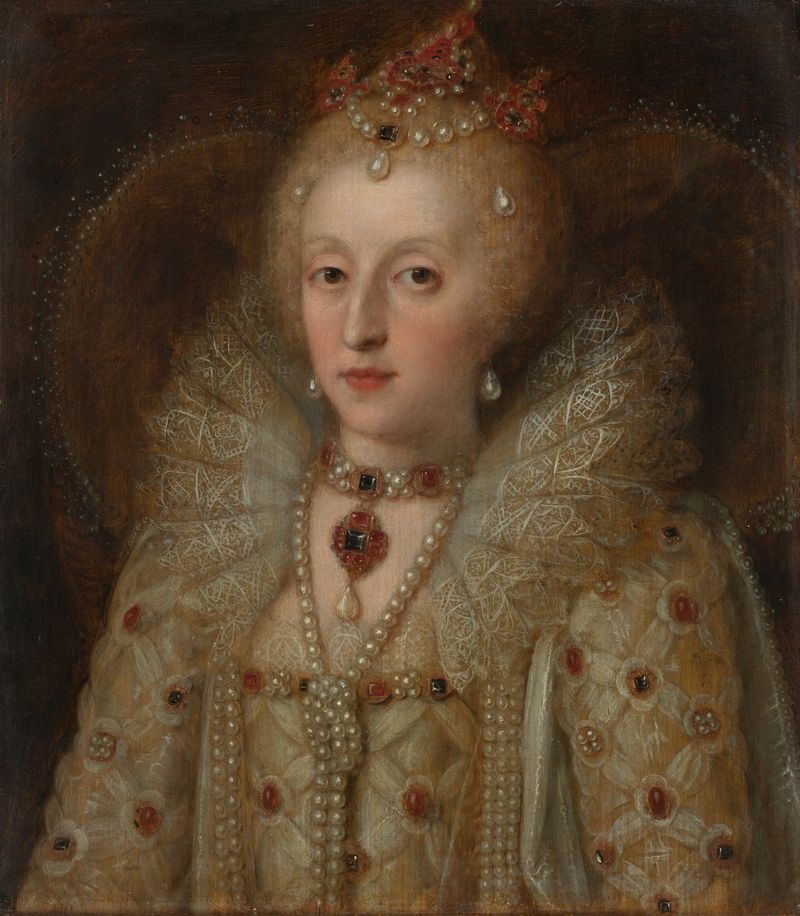
Portrait of Elizabeth I, Queen of England
Unknown Artist
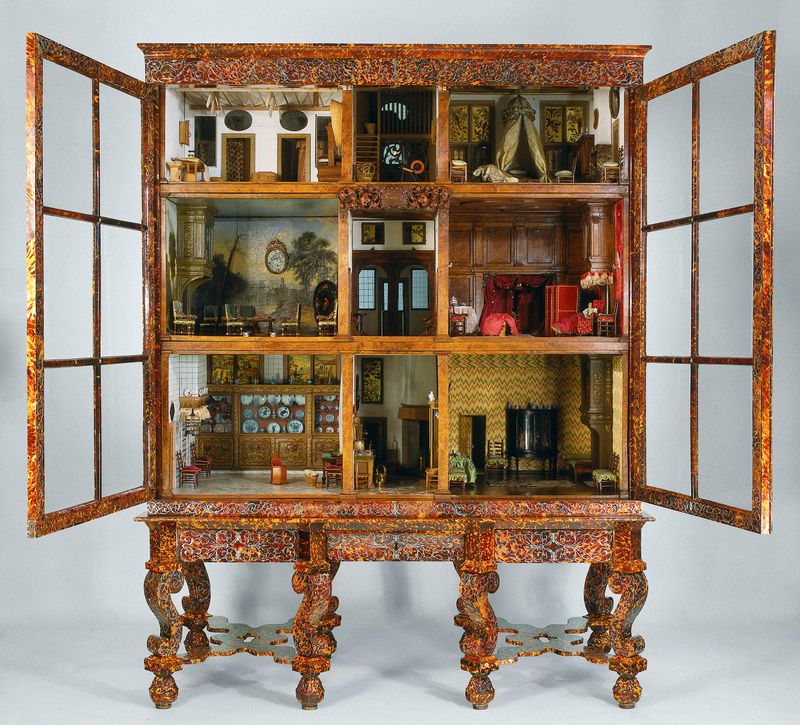
Dolls’ house of Petronella Oortman
Unknown Artist
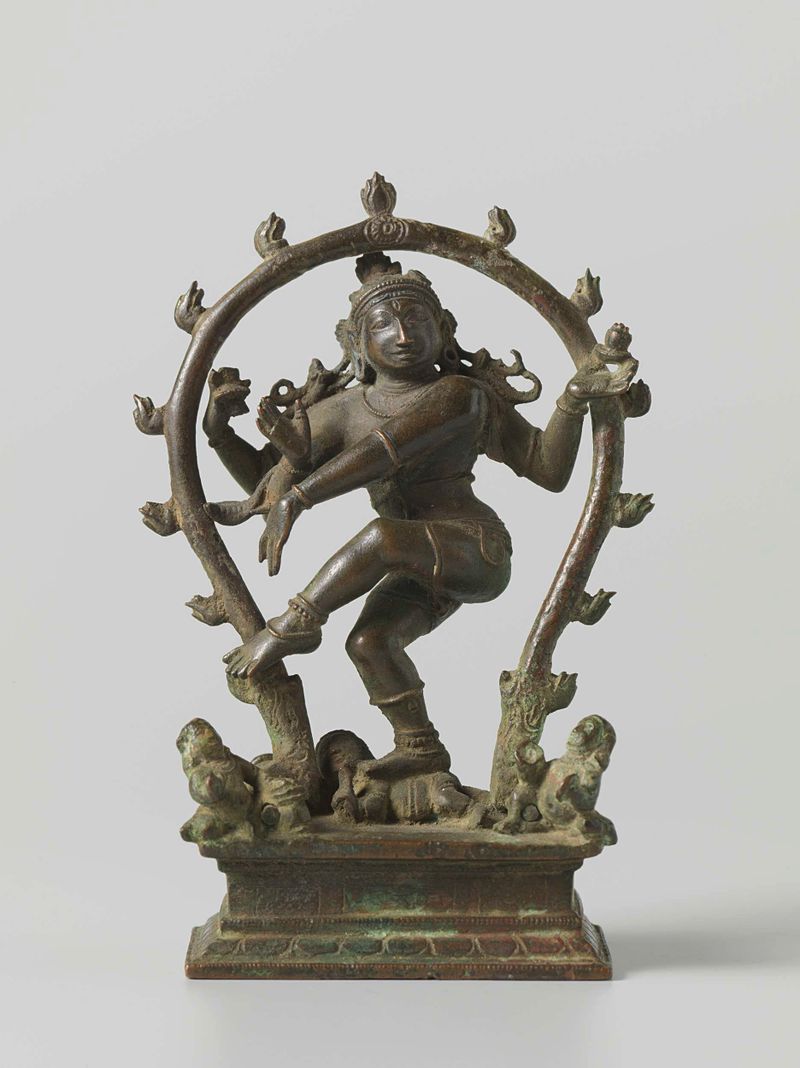
Shiva Nataraja
Unknown Artist

The Tale of Genji
Unknown Artist

The Tale of Genji
Unknown Artist

Cong
Unknown Artist
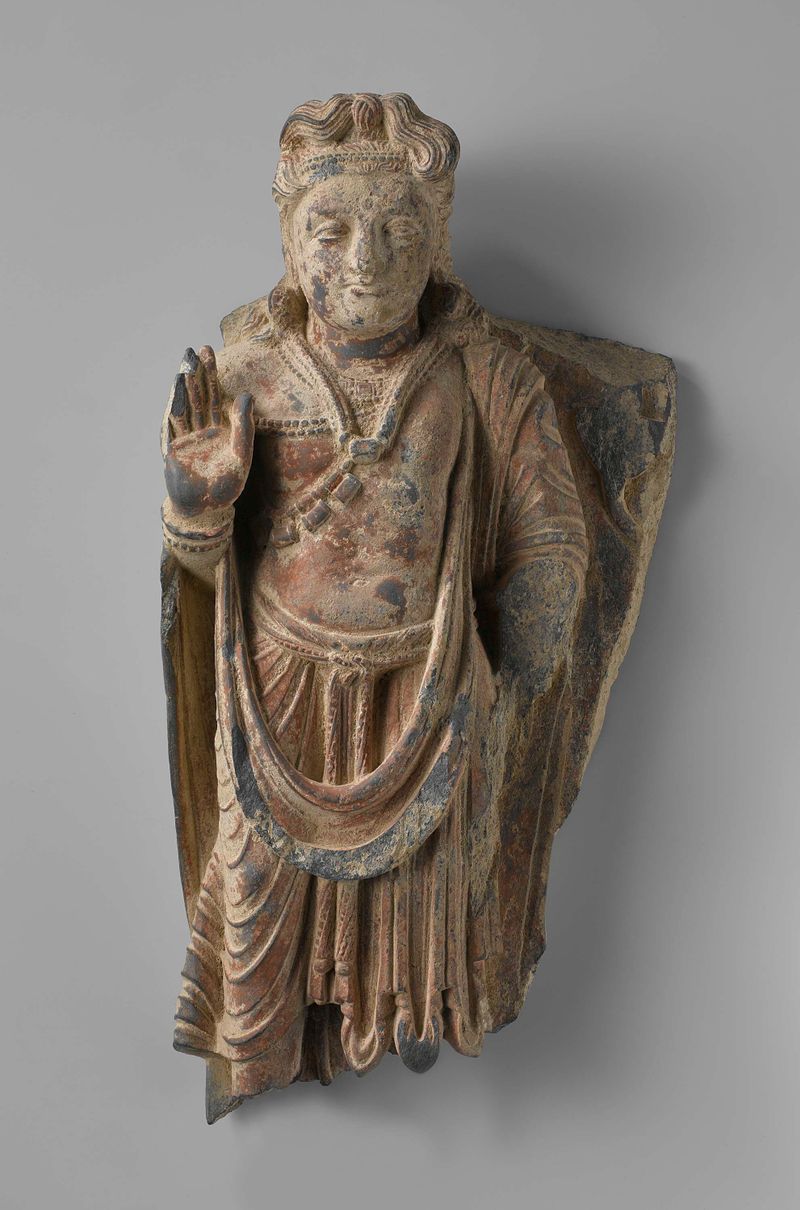
The bodhisattva Maitreya
Unknown Artist

Teabowl with a 'hare's fur' glaze
Unknown Artist





