
Een kussend paar bij een boom — History & Facts
Can beauty exist without sorrow? In the tender embrace of a couple beneath a tree, this question lingers as shadows dance around the edges of their love, suggesting that joy and pain are bound inextricably together. Focus first on the couple at the center of the composition, their figures gracefully intertwined. Notice how the soft light caresses their forms, illuminating the warmth of their connection while casting delicate shadows on the textured bark behind them. The subtle palette of greens and browns envelops them, enhancing the intimacy of the scene and inviting the viewer to dwell on the tranquil moment shared in nature’s embrace. Yet, there are layers of meaning nestled within this serene image.
The tree itself stands as a symbol of both growth and the passage of time, hinting at the inevitable changes that love undergoes. The couple's expressions, though tender, carry a hint of melancholy, suggesting that in their closeness lies an awareness of life’s transitory nature. This duality of emotions invites contemplation on the complexities surrounding affection and the gentle, yet profound, grief that often accompanies it. During the early 16th century, Hans Springinklee was navigating the transition from Gothic traditions to a more nuanced approach to form and emotion in art.
Created between 1505 and 1515, Een kussend paar bij een boom reflects the burgeoning interest in humanism and the exploration of individual experience. This period was marked by a deepening connection to nature and the human condition, positioning Springinklee as a pivotal figure in this evolving landscape of artistic expression.
More Artworks by Hans Springinklee
Browse all →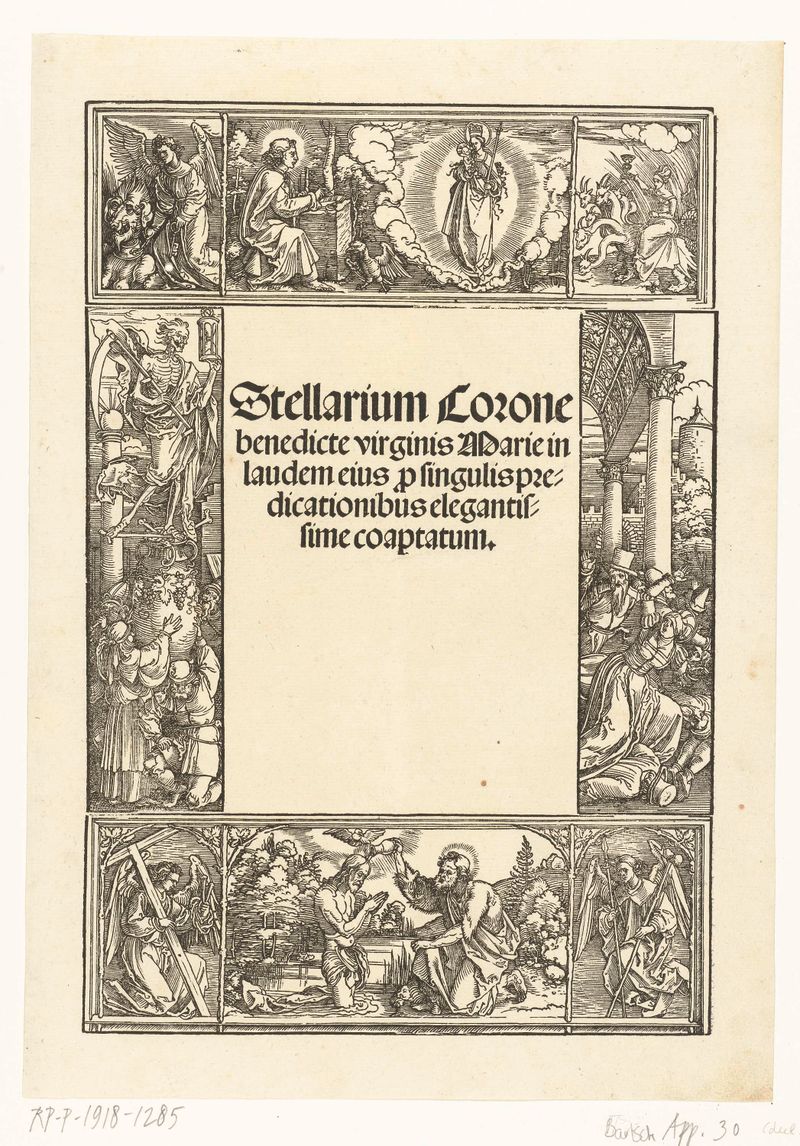
Titelblad met o.a. de doop van Christus en een visioen van Johannes de Evangelist
Hans Springinklee
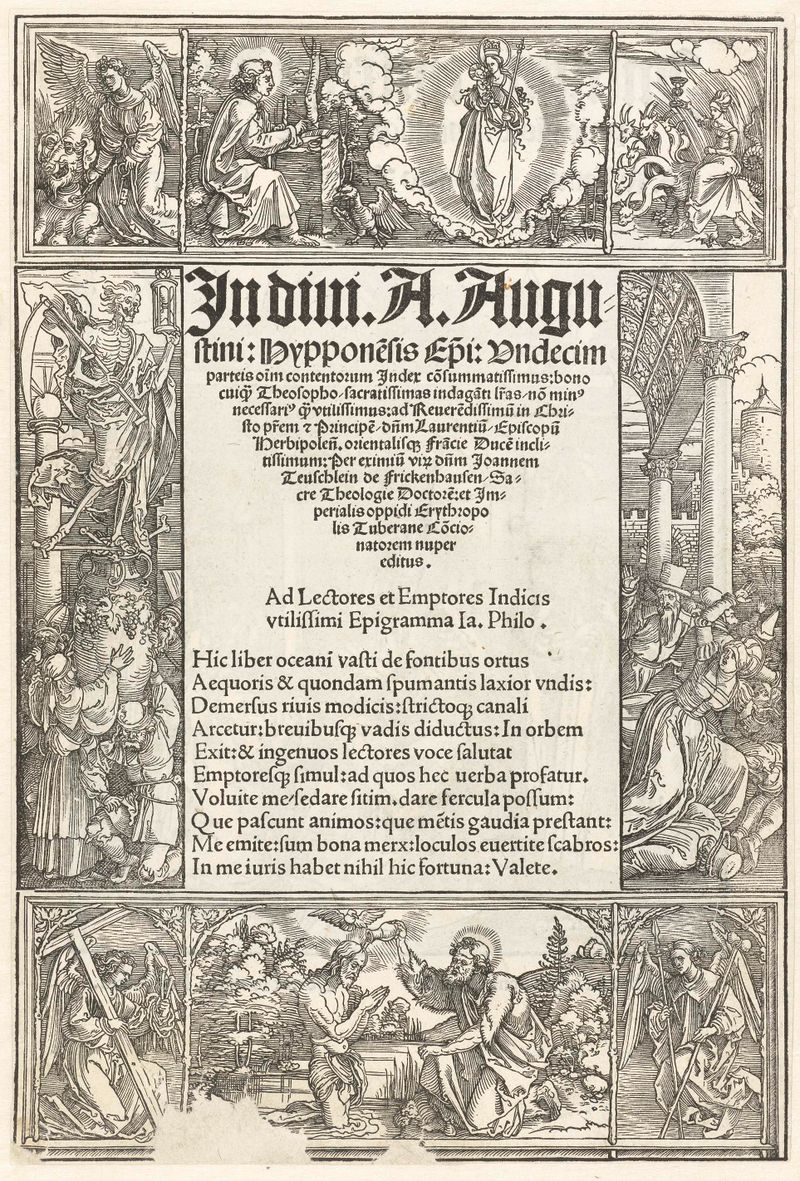
Titelblad met o.a. de doop van Christus en een visioen van Johannes de Evangelist
Hans Springinklee
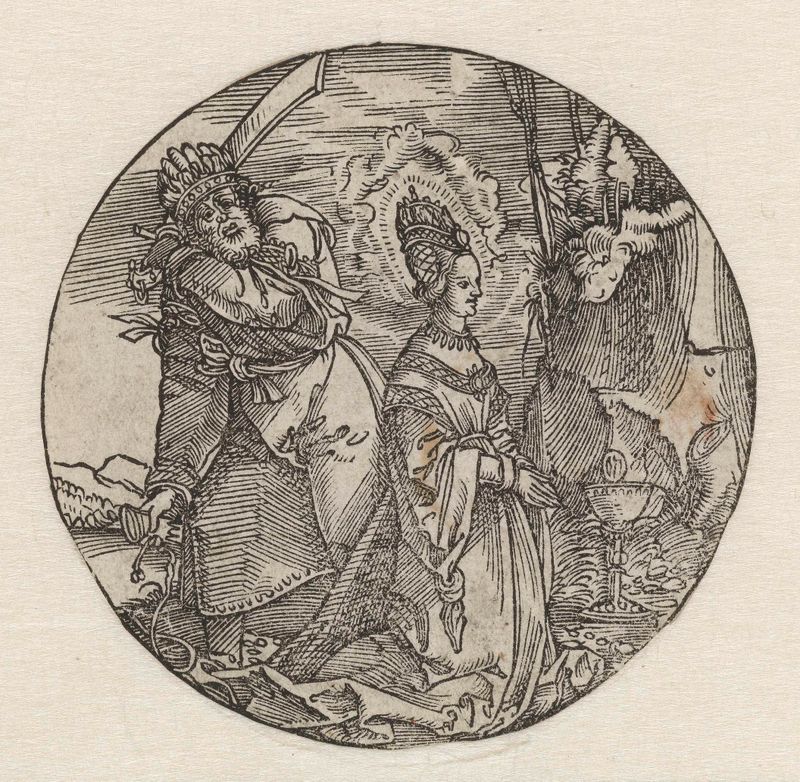
Het martelaarschap van de Heilige Barbara
Hans Springinklee

De Heilige Martinus deelt zijn mantel met een bedelaar
Hans Springinklee
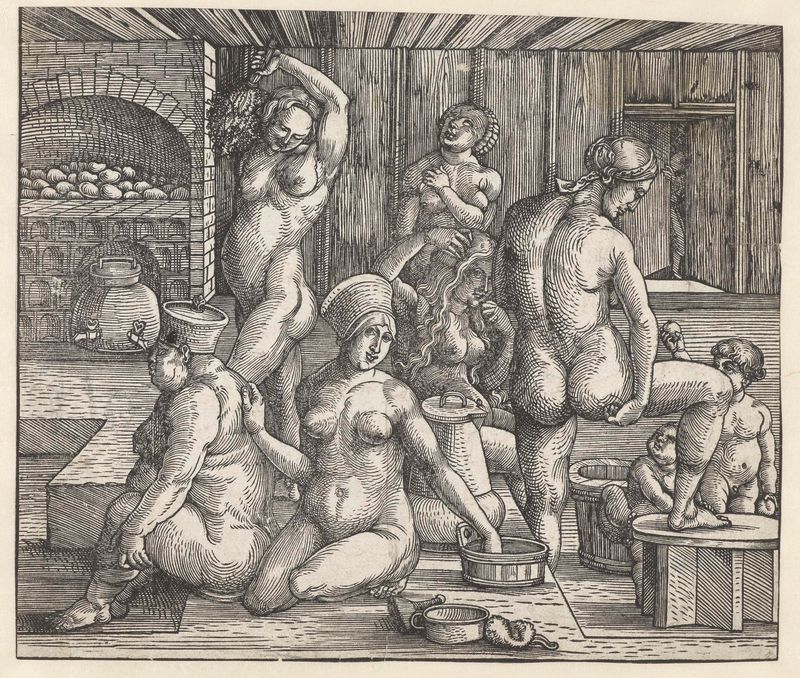
Het vrouwenbad
Hans Springinklee
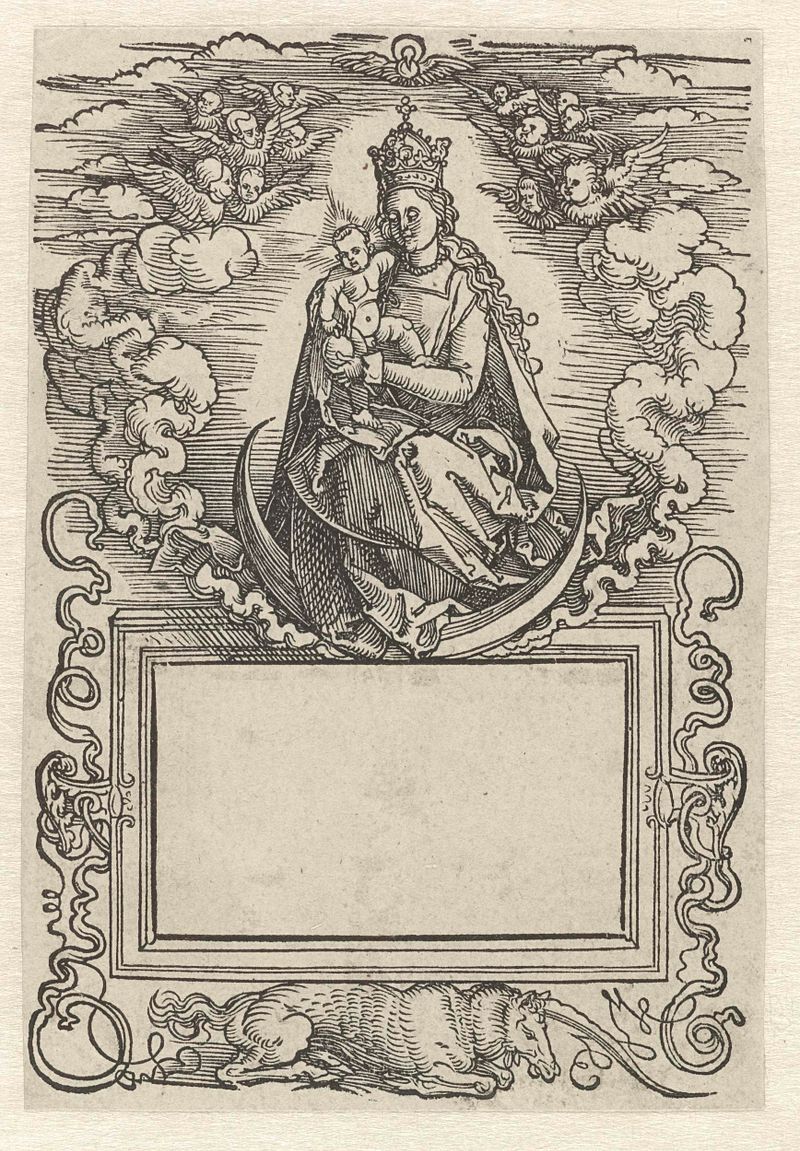
Titelblad met Maria met kind zittend op de maansikkel
Hans Springinklee
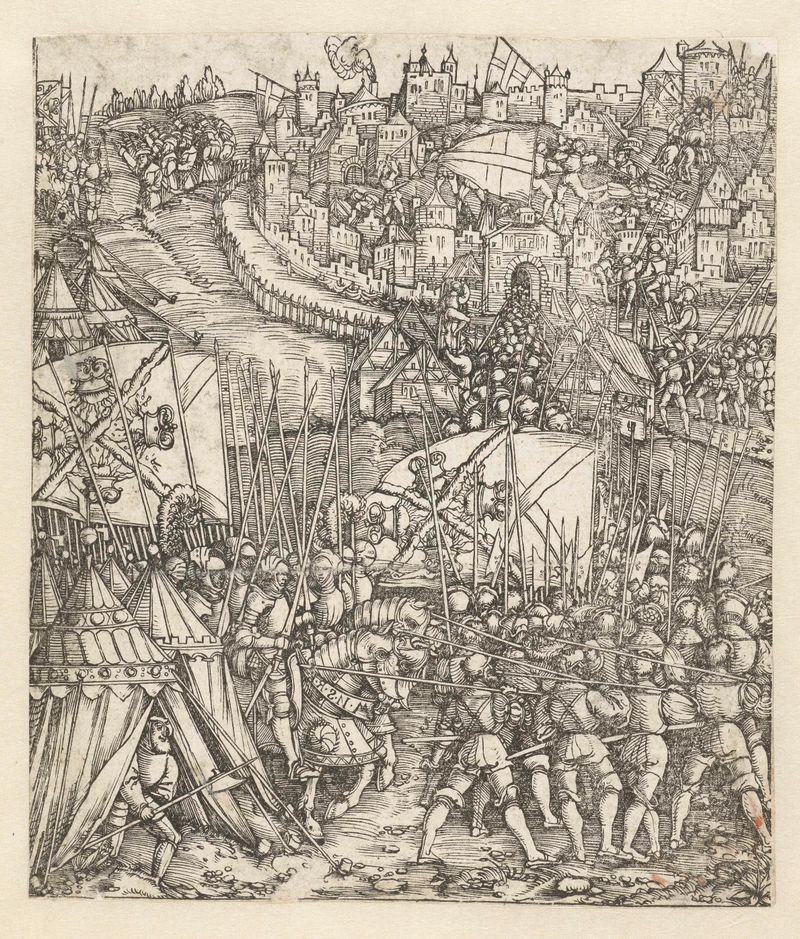
Verovering van Stuhlweissenburg in Hongarije
Hans Springinklee

De aartsengel Michaël verslaat een duivel
Hans Springinklee
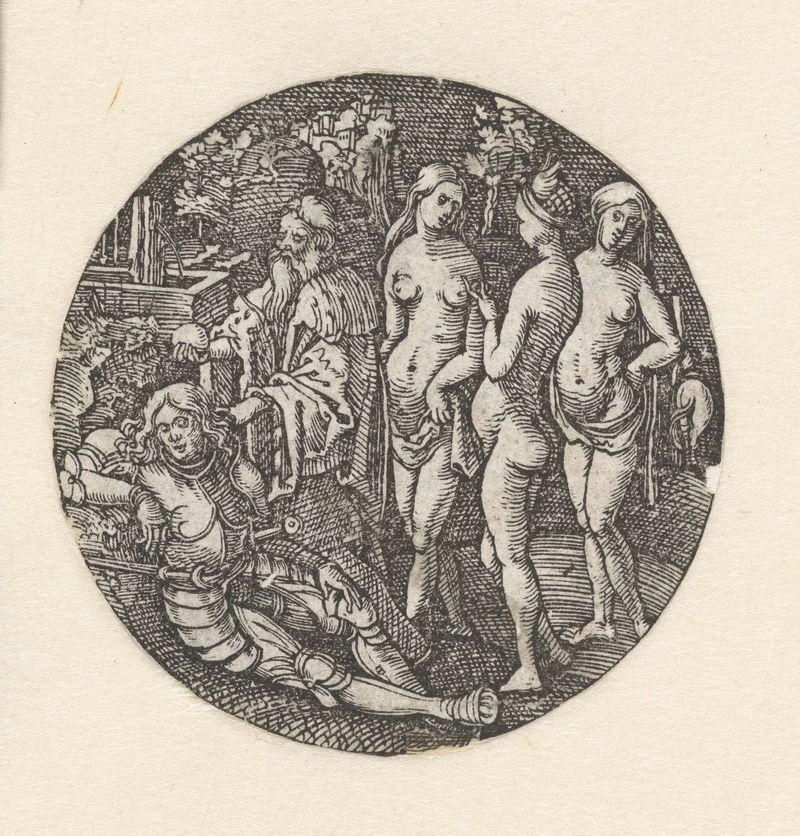
Het oordeel van Paris
Hans Springinklee
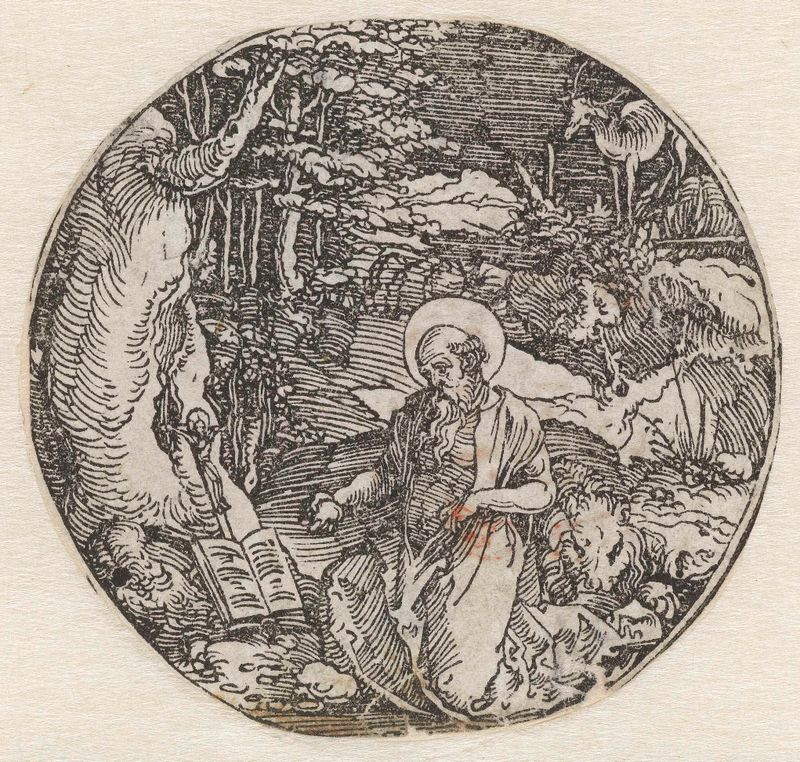
De Heilige Hiëronymus in de wildernis
Hans Springinklee





