
Een ruiter en een soldaat — History & Facts
When did color learn to lie? The vibrancy of hues can deceive the heart, whispering truths that may not exist. In the hands of a master like Dürer, every stroke becomes a revolution in perception, challenging the viewer to look beyond mere representation and question the deeper narratives at play. Focus on the left where a solitary rider, cloaked in rich tones, commands attention. His posture radiates a blend of strength and uncertainty, while the soft light caresses the contours of his form, creating a striking contrast against the solid figure of the soldier beside him.
Notice the intricate details of the armor, which shimmer as if alive, each reflective surface meticulously rendered. Dürer’s deft use of chiaroscuro pulls you into a world where every shadow and glint speaks to the tension within this encounter. Peering deeper, one uncovers layers of meaning hidden within the subtle interactions. The juxtaposition of the rider and the soldier suggests a tension between authority and rebellion, a commentary on the shifting dynamics of power during a time of great change.
Their silent exchange hints at unspoken words, perhaps a negotiation of trust or defiance, revealing the human condition in all its complexities. Each gaze and gesture magnifies the emotions that span beyond the canvas, resonating with the viewer's own experiences. Dürer painted this piece between 1494 and 1498 in Nuremberg, a period marked by significant developments in both his life and the art world. As the Renaissance flourished, he embraced new techniques and ideas, striving to elevate German art to new heights.
During this time, his explorations into printmaking and humanist themes began to reflect a society on the brink of transformation, echoing the revolutionary spirit of an era poised for change.
More Artworks by Albrecht Dürer
Browse all →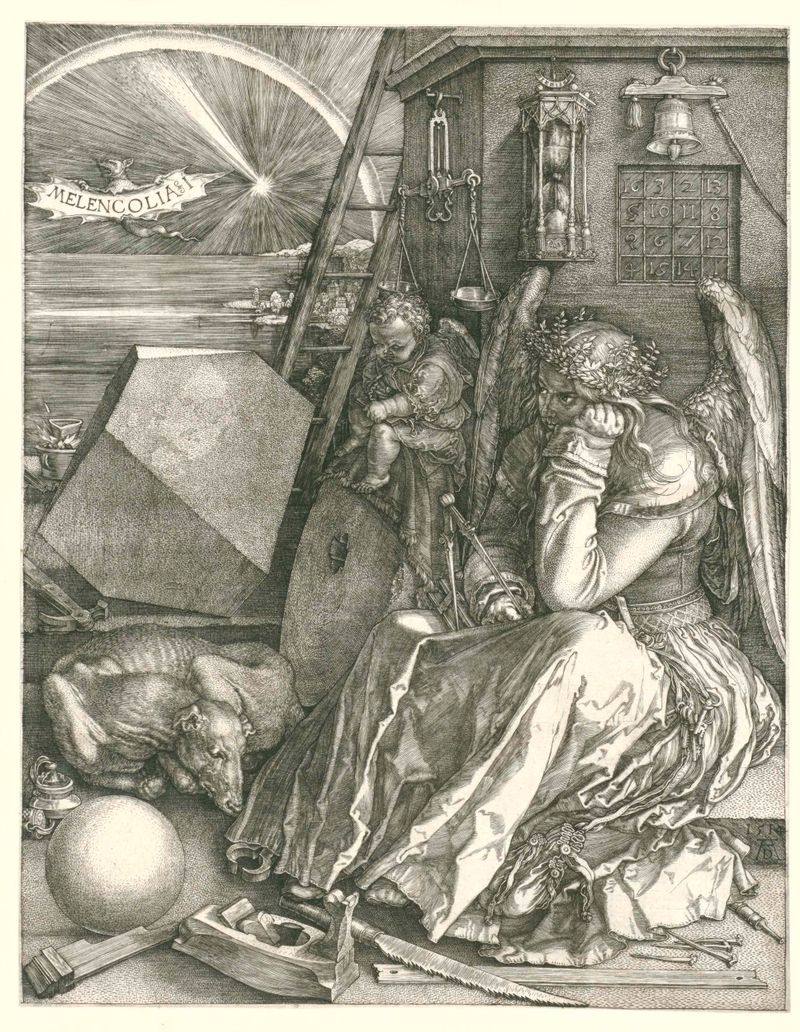
Melancholia
Albrecht Dürer
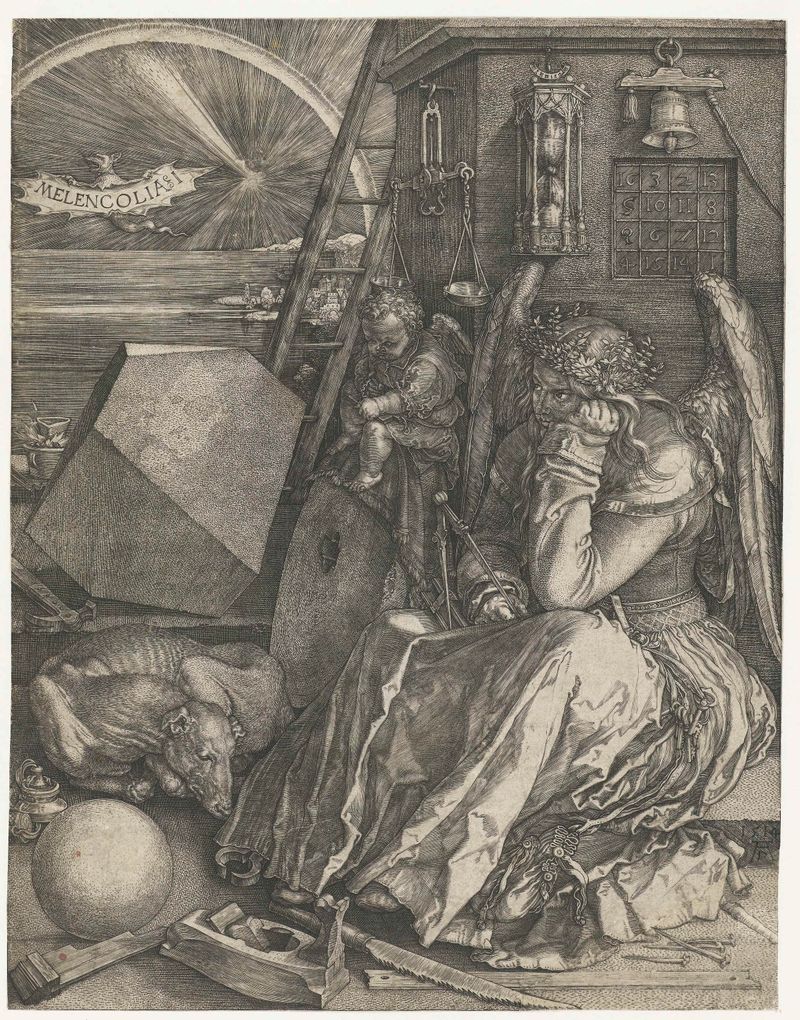
Melancholie
Albrecht Dürer
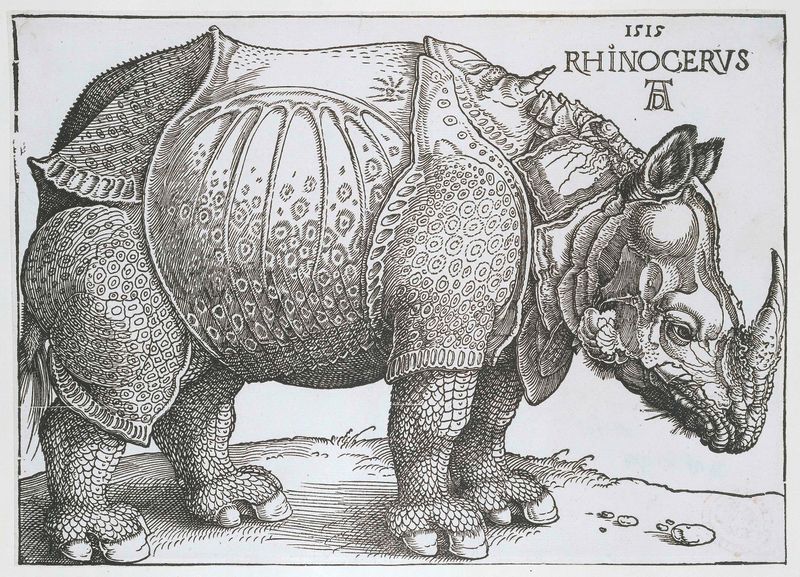
Neushoorn
Albrecht Dürer
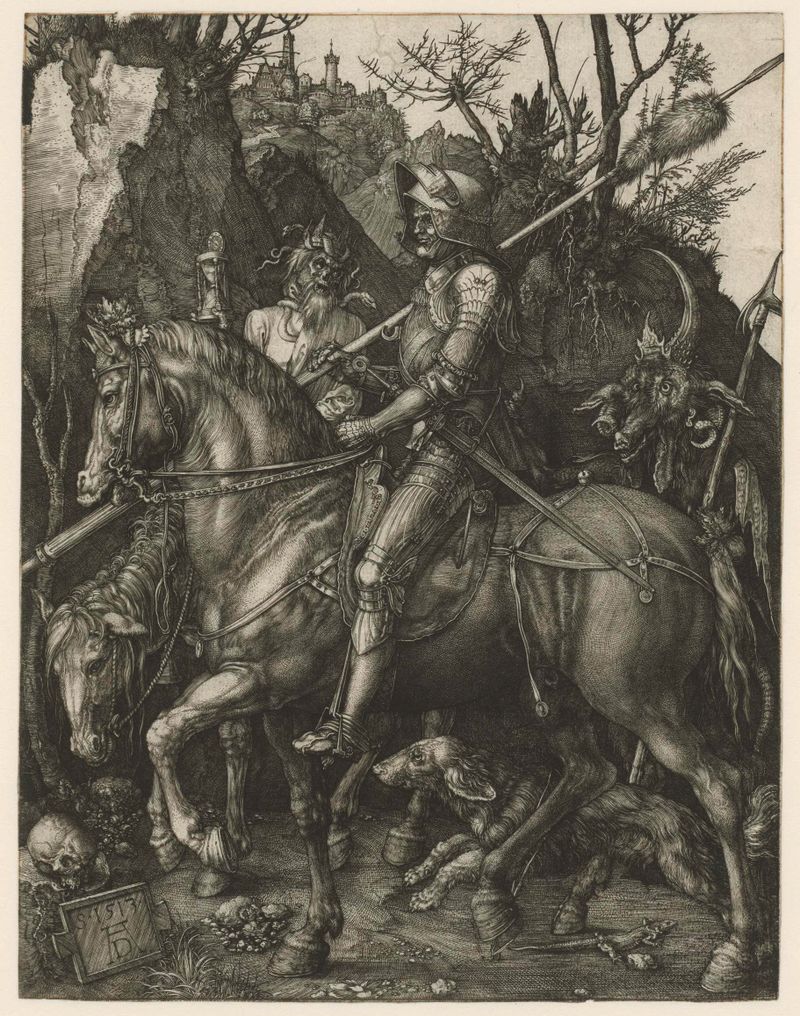
Knight, Death, and the Devil
Albrecht Dürer

De vier ruiters van de apocalyps
Albrecht Dürer

De vier ruiters van de apocalyps
Albrecht Dürer
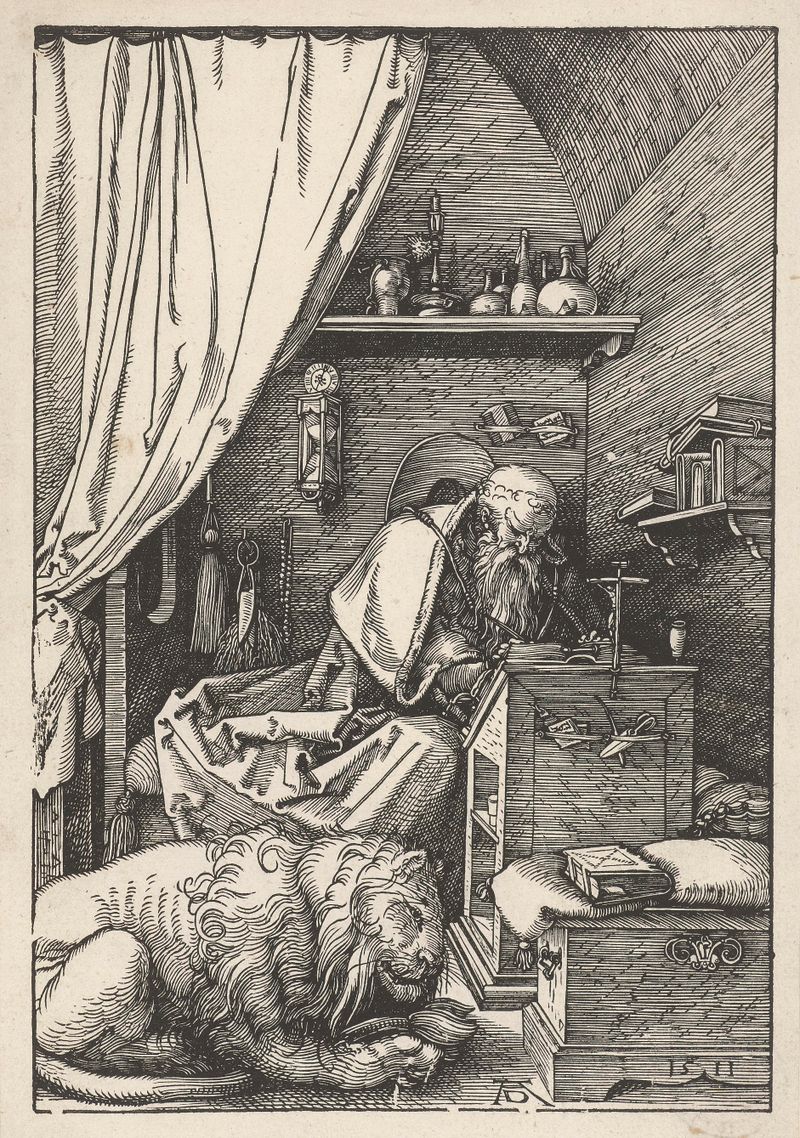
De Heilige Hiëronymus in zijn studeervertrek
Albrecht Dürer
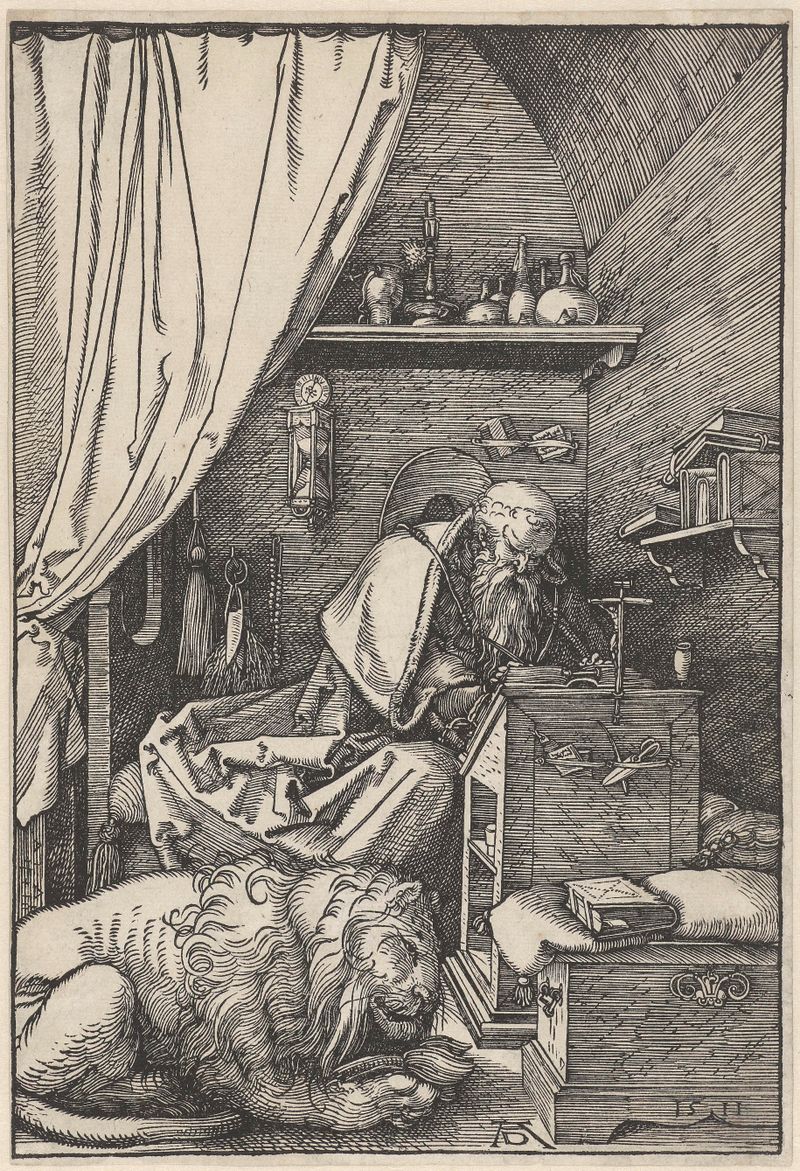
De Heilige Hiëronymus in zijn studeervertrek
Albrecht Dürer
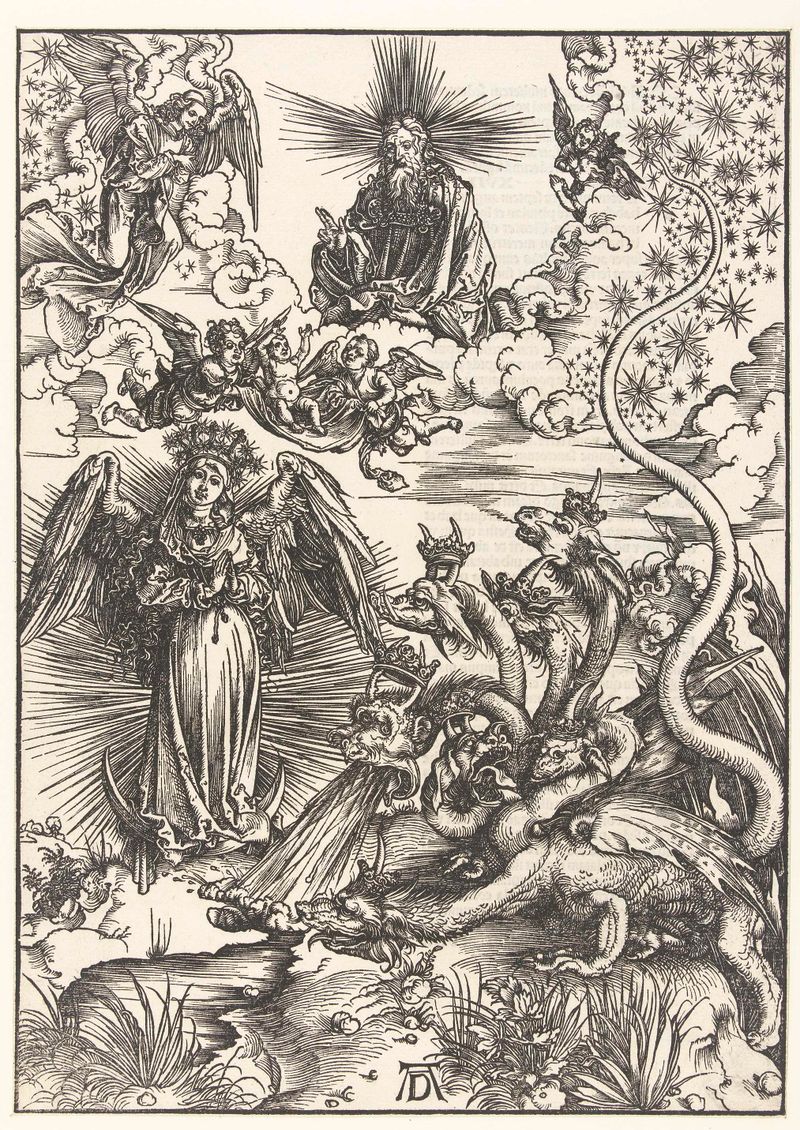
De apocalyptische vrouw en de zevenkoppige draak
Albrecht Dürer
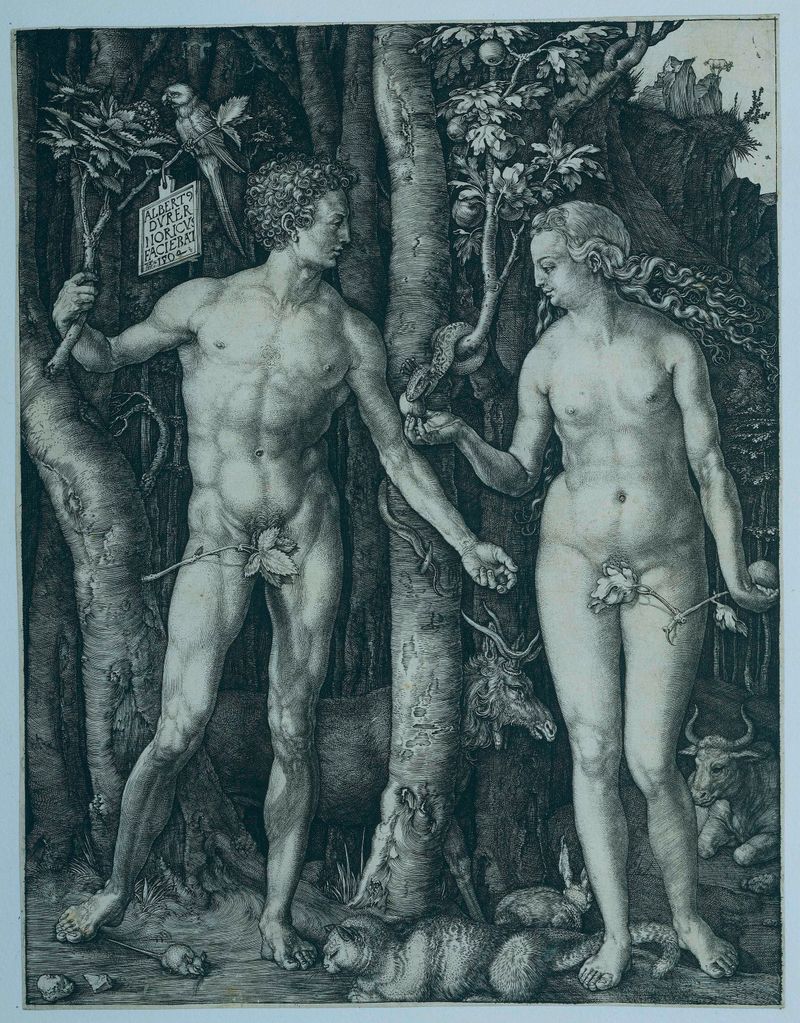
Adam en Eva
Albrecht Dürer
More Historical Art
Browse all →
The Night Watch Militia Company of District II under the Command of Captain Frans Banninck Cocq
Rembrandt van Rijn

Lincoln Memorial
Henry Bacon

The Third of May 1808
Francisco de Goya

Isaac and Rebecca, Known as ‘The Jewish Bride’
Rembrandt van Rijn

The Charge of the Mamelukes (1814)
Francisco de Goya
De vier ruiters van de apocalyps
Albrecht Dürer