Eenden — History & Facts
Is this a mirror — or a memory? The tender depiction of ducks in Eenden invites us to ponder the transformations that take place in nature and within ourselves, as fleeting as a reflection in water. Look to the center of the composition, where the ducks gently ripple the surface of the pond. Their delicate forms are rendered with a remarkable attention to detail, showcasing Hollar’s masterful technique in capturing feathers that glisten with hints of light. Subtle greens and browns weave through the scene, creating a harmonious palette that reflects the tranquil setting.
Pay attention to the movement of water—the gentle waves cradle the birds, suggesting a moment suspended in time. Beyond their apparent simplicity, the ducks symbolize resilience and adaptability, embodying the essence of transformation. Each curve of their bodies mirrors the fluidity of their environment, while their serene demeanor contrasts with the ever-changing world around them. The play of light and shadow on the water's surface evokes a sense of depth, inviting viewers into a dialogue between reality and reflection, between what is and what could be. Created between 1654 and 1662, this piece emerged during a time when Wenceslaus Hollar was establishing himself in England after fleeing the Thirty Years' War in Europe.
Influenced by the natural beauty surrounding him, Hollar brought a unique perspective to his work, drawing inspiration from the meticulous observation of nature’s details. Eenden exemplifies his dedication to the interplay of light and form, encapsulating a moment in his artistic journey that celebrates the ephemeral beauty of life.
More Artworks by Wenceslaus Hollar
Browse all →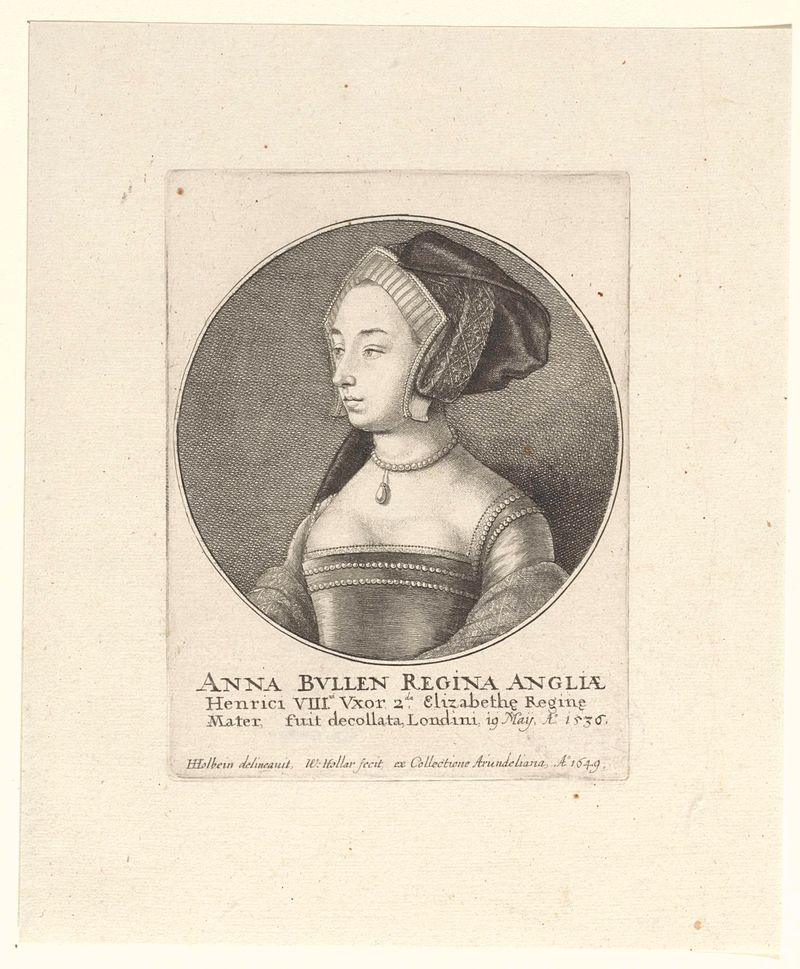
Portret van Anna Boleyn, koningin van Engeland
Wenceslaus Hollar
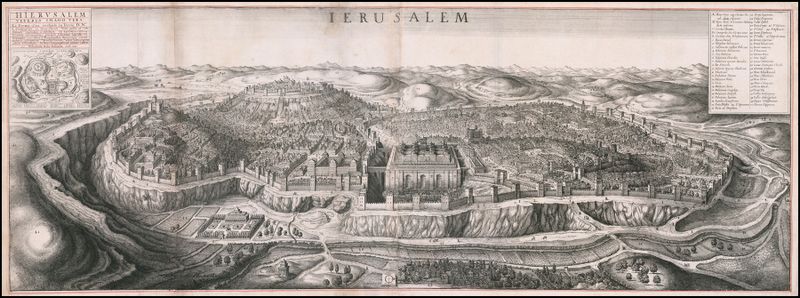
Bird’s eye view of Jerusalem
Wenceslaus Hollar
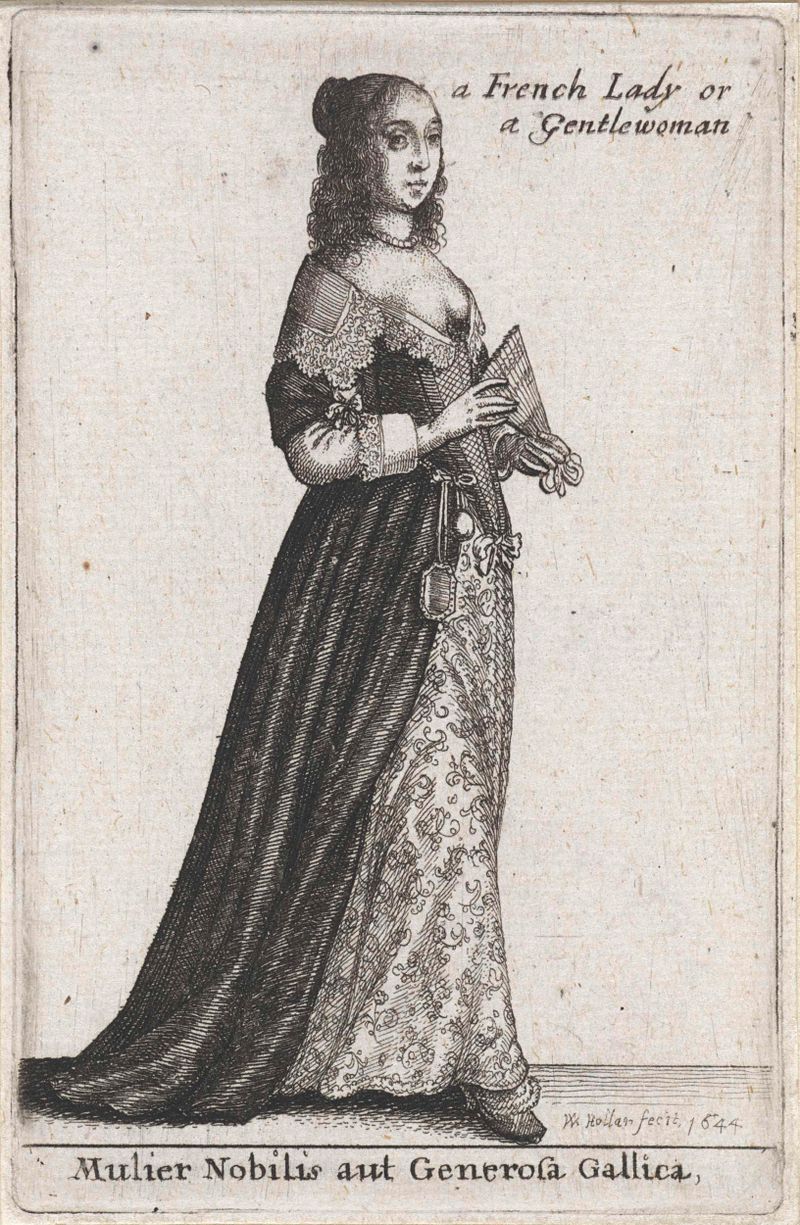
Mulier Nobilis aut Generosa Gallica / a French Lady or Gentlewoman
Wenceslaus Hollar
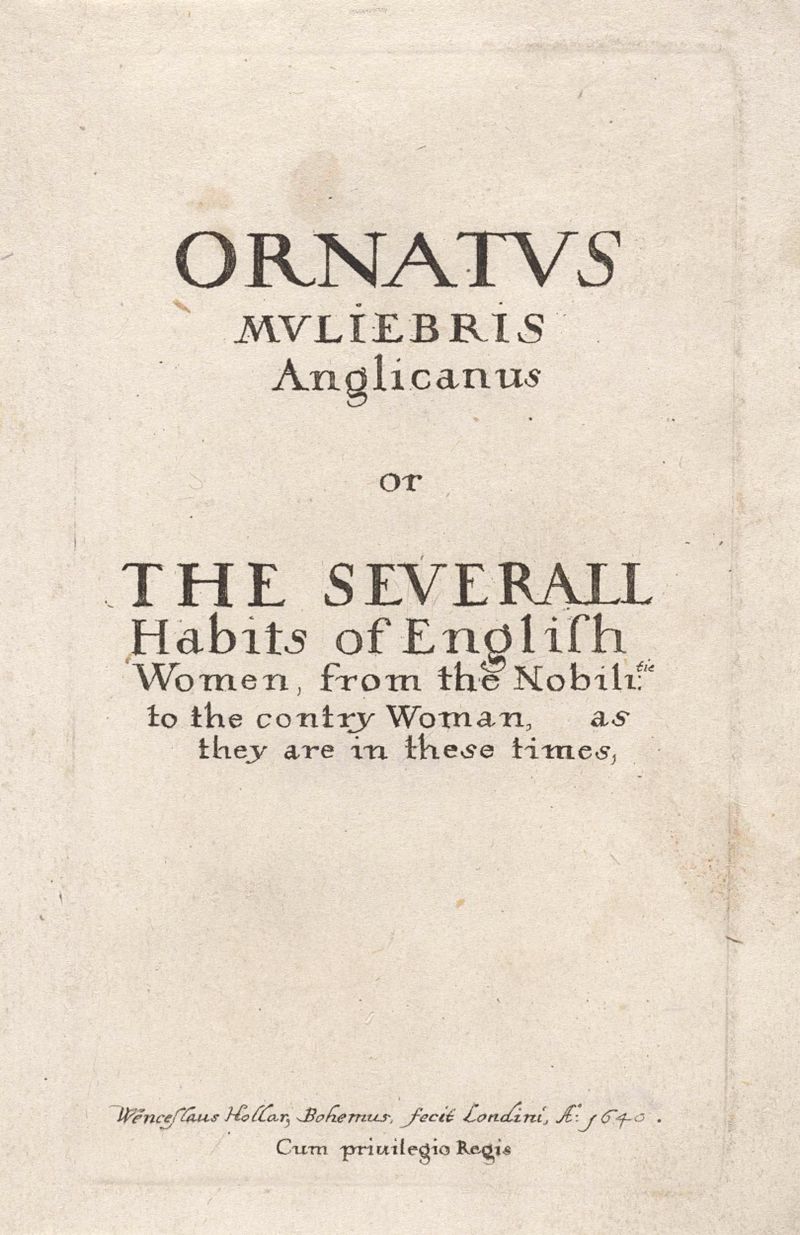
Titelprent voor: Ornatus Muliebris Anglicanus
Wenceslaus Hollar
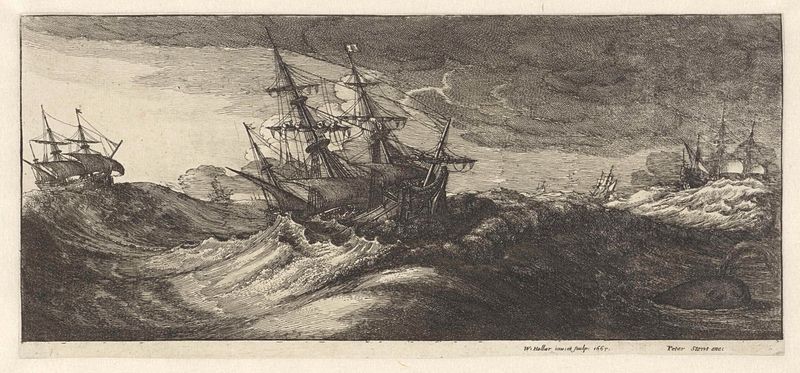
Oorlogsschepen en een walvis in een zeestorm
Wenceslaus Hollar
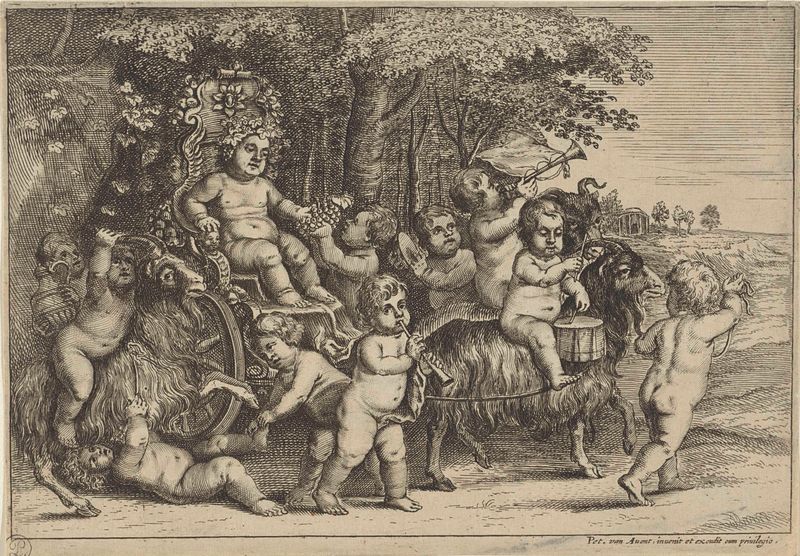
Optocht van bacchant en jongetjes op geiten
Wenceslaus Hollar
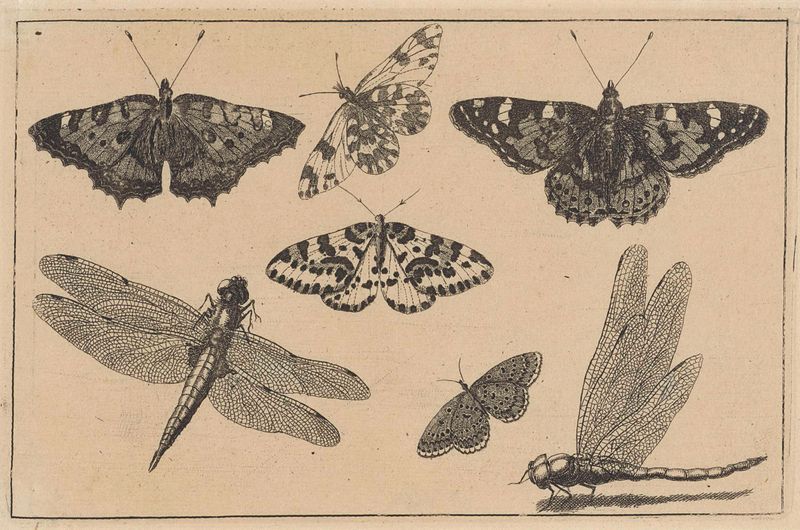
Twee libellen en vijf vlinders
Wenceslaus Hollar
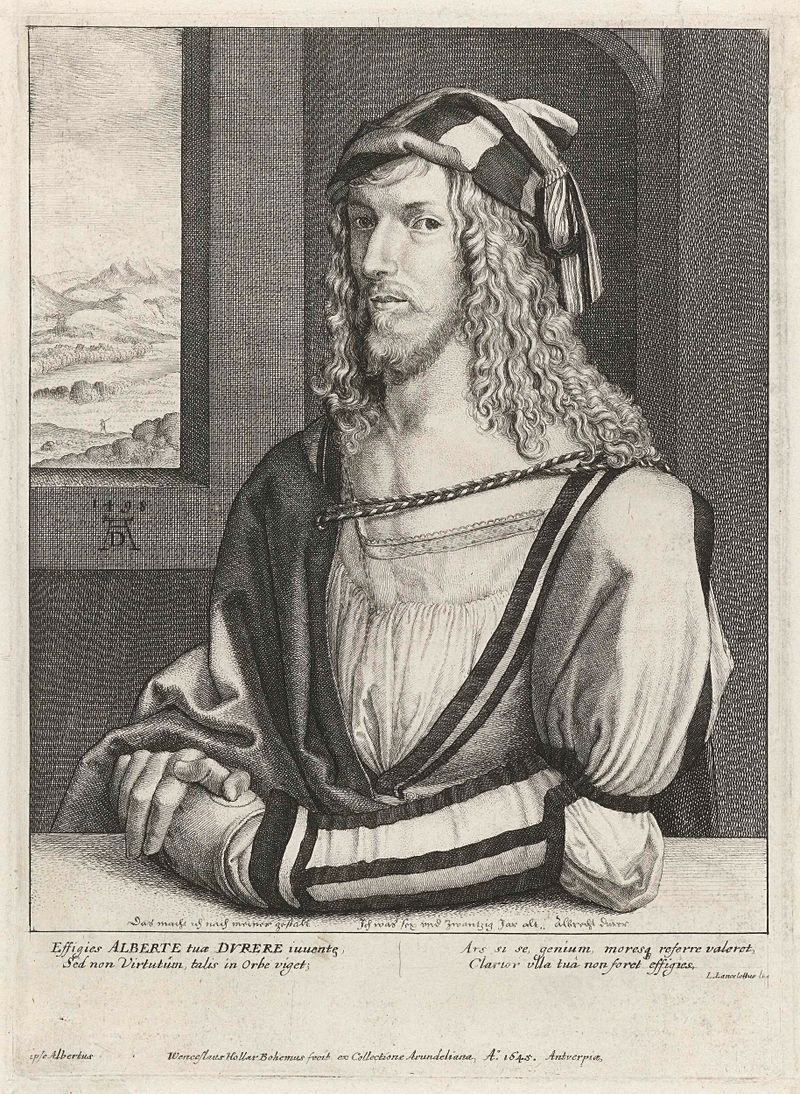
Portret van Albrecht Dürer
Wenceslaus Hollar
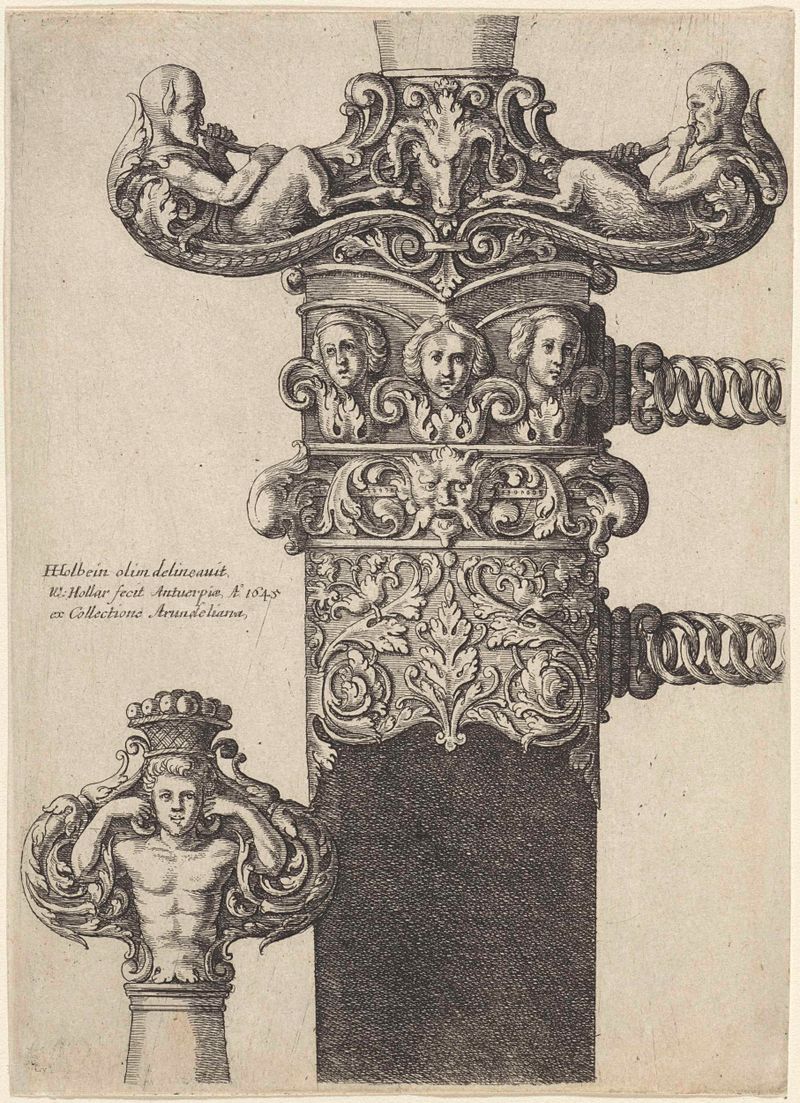
Ornamenteel ontwerp voor een dolk
Wenceslaus Hollar
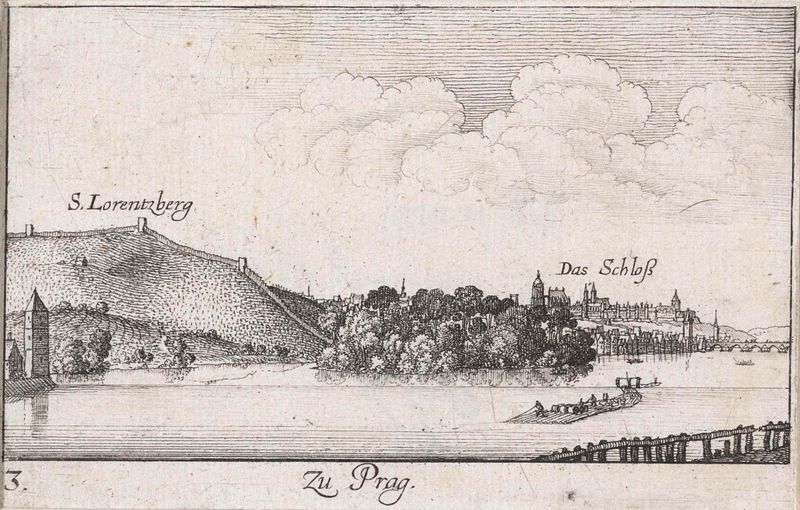
Gezicht op Praag vanaf de Moldau
Wenceslaus Hollar