
Einsamer Weg — History & Facts
What if beauty was never meant to be finished? The quest for desire often leads us down solitary paths, where the journey itself becomes the essence of fulfillment. Look to the left, where a narrow trail weaves through an expansive landscape, drawing the eye into the depths of the composition. The earthy browns and muted greens of the foliage contrast with the brilliant azure sky, creating a tension between earth and heaven. Notice how the dappled light filters through the trees, casting delicate shadows that dance playfully on the path, inviting the viewer to step into this moment and explore what lies beyond. As you examine the details, consider the lone figure in the distance, a silhouette against the vastness of nature.
This figure embodies both solitude and purpose, suggesting a journey burdened with longing yet illuminated by hope. The winding path evokes the struggles we often face—an unending search for beauty, fulfillment, and connection, while the serene, yet enigmatic, landscape offers a counterpoint to the chaos of desire. Oskar Mulley created Einsamer Weg during a time when personal introspection was increasingly valued in art. While the exact date remains unknown, Mulley's work reflects an era grappling with existential themes and the complexities of human emotion.
His choice to crystallize desire through the metaphor of a solitary path resonates deeply within the context of post-war introspection and the search for meaning amidst uncertainty.
More Artworks by Oskar Mulley
Browse all →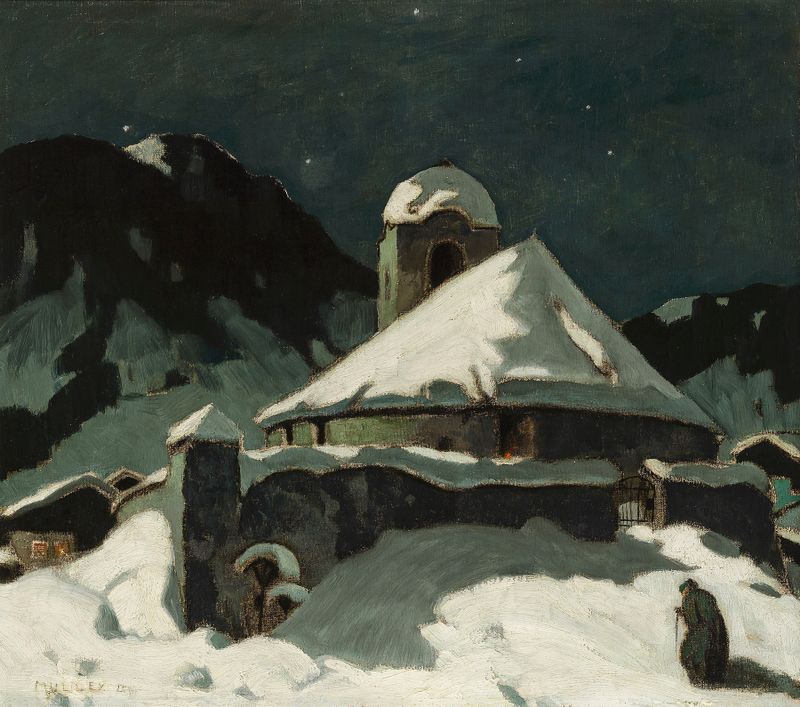
Winternacht im Bergdorf
Oskar Mulley
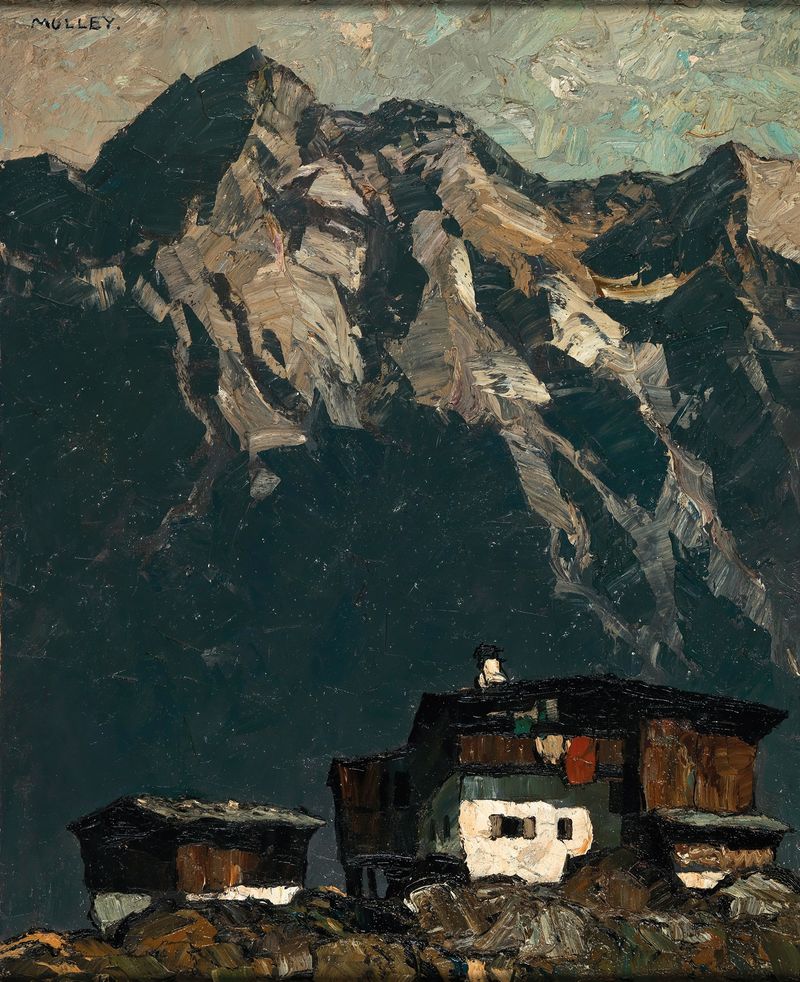
Bauernhof im Hochgebirge
Oskar Mulley
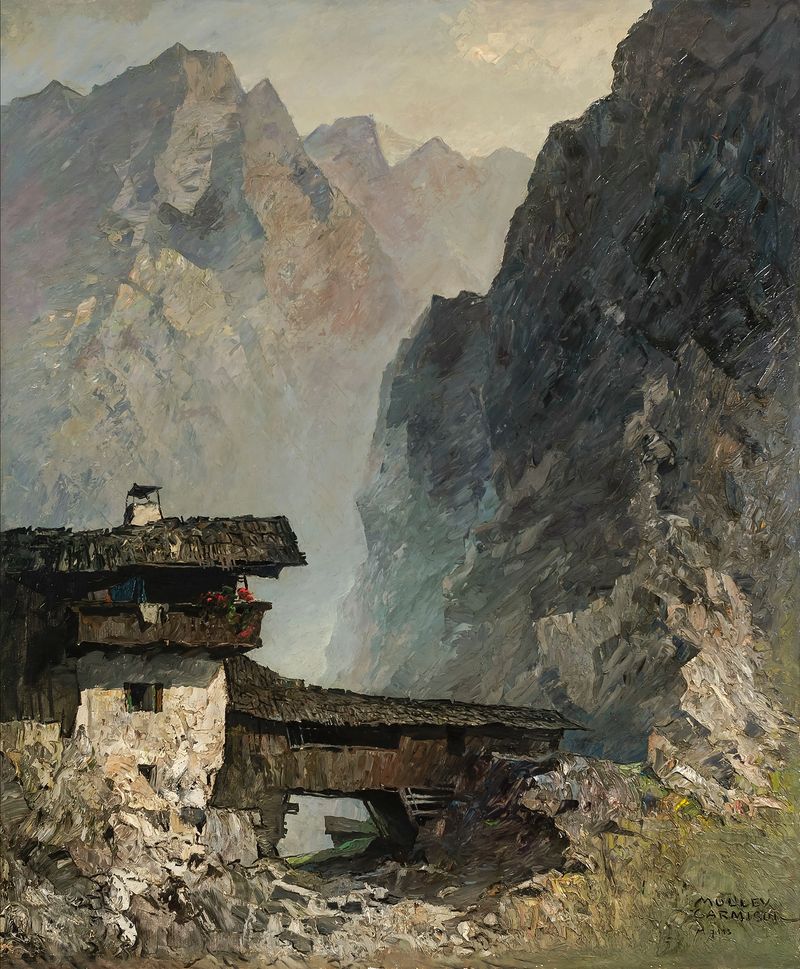
Im Hochtal
Oskar Mulley
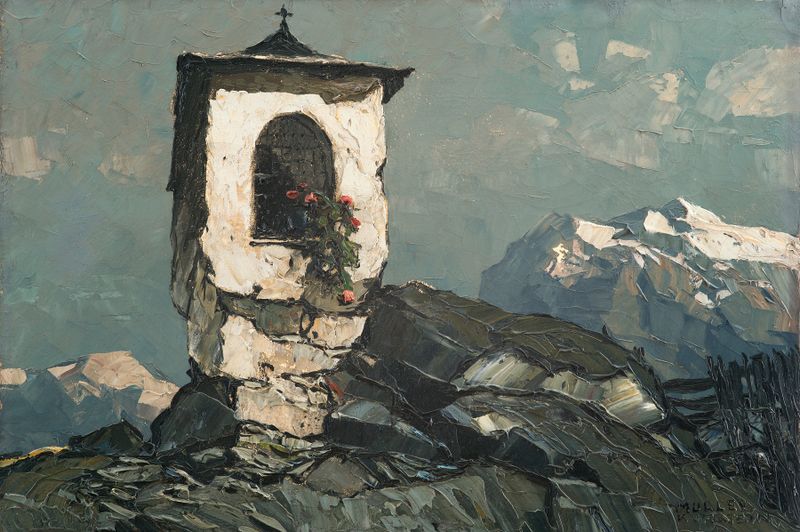
Materl im Hochgebirge
Oskar Mulley
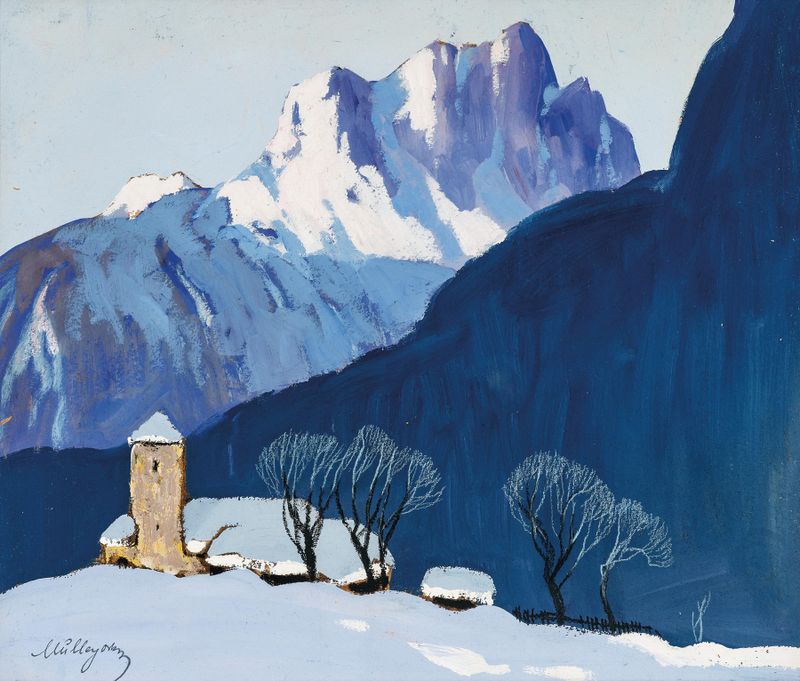
Winterlandschaft vor Bergkulisse
Oskar Mulley
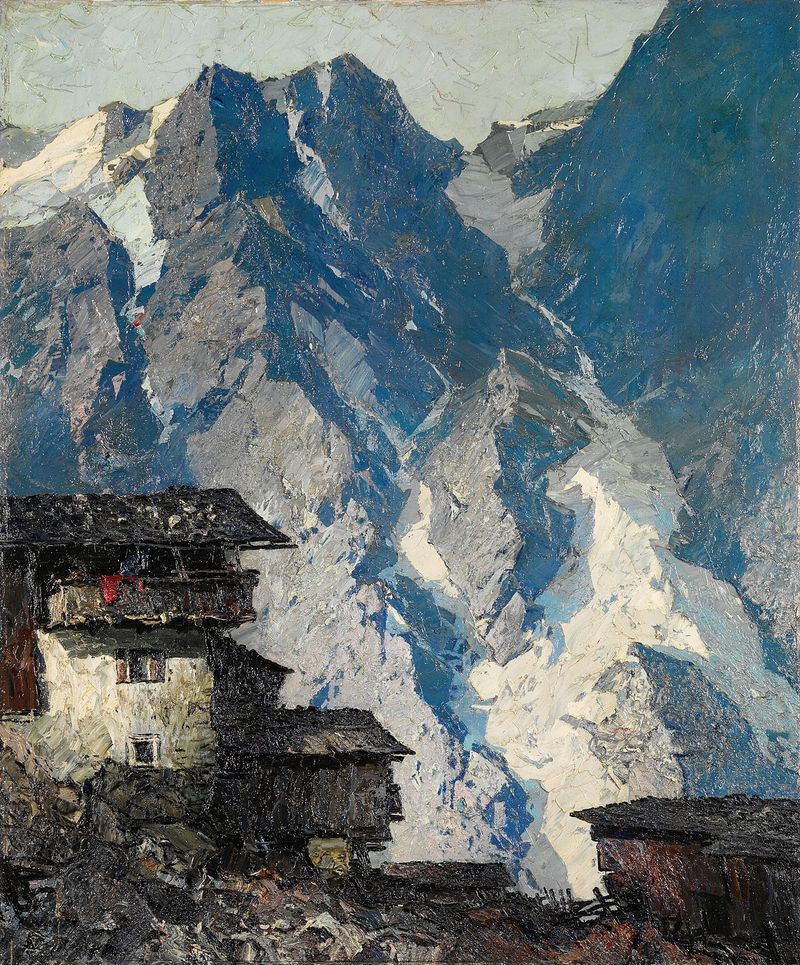
Berghof vor Gletscherlandschaft
Oskar Mulley
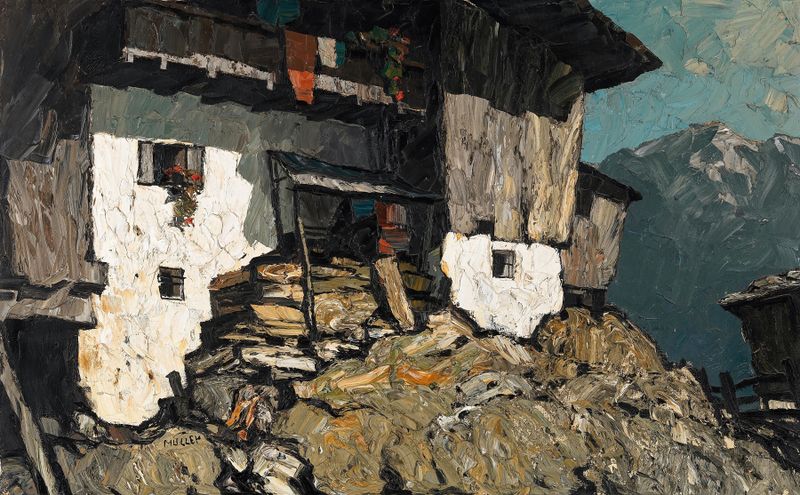
Bergbauernhof
Oskar Mulley
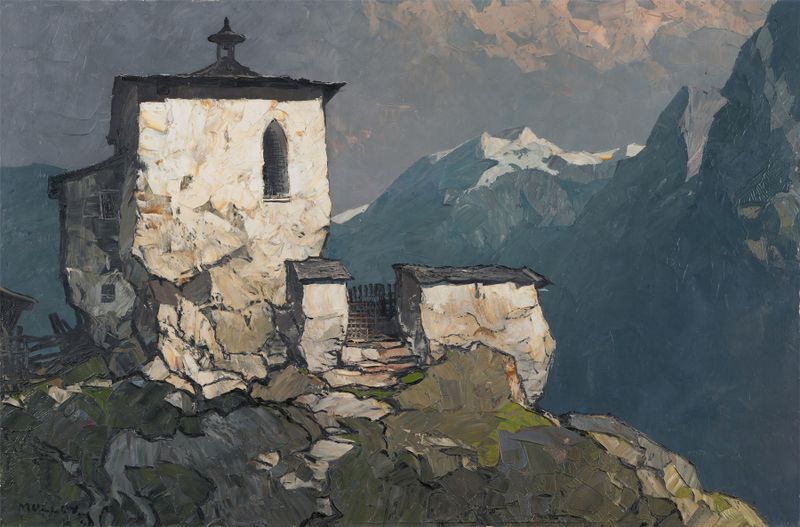
Bergkapelle
Oskar Mulley
Mondnacht
Oskar Mulley
Bergbauernhof
Oskar Mulley





