
El Deir. Petra — History & Facts
When did color learn to lie? In the soft embrace of hues, nostalgia dances, casting an echo of a forgotten world that cradles the viewer’s heart. Look closely at the subtle gradation of warm ochres and deep russets, where the ancient stones of Petra seem to breathe against the backdrop of an azure sky. The artist’s brush captures the monumental grandeur of El Deir, expertly rendering the weathered facade that signifies resilience and time. Notice how the light filters through the craggy landscape, illuminating each crevice and shadow, enhancing the intricacy of the structures and inviting the eye to wander along the contours of history. In Stroobant's work, contrasts emerge between the permanence of the architecture and the transient quality of the light, suggesting a dialogue between the past and the present.
The delicate brushstrokes elicit a sense of longing, as if the viewer is peering through a window into an era lost to time. The nostalgia woven into the landscape evokes a yearning for connection, a reminder of the stories etched in the stones. Created in 1852 while he was in the midst of his travels in the Middle East, the artist sought to capture the essence of ancient civilizations as they stood on the brink of modernity. At this time, European interest in exotic locales was at its height, and Stroobant's works reflected both his personal journey and the wider fascination with the remnants of bygone cultures.
This painting represents not just a location, but a moment in history, encapsulating an artist’s quest to immortalize beauty in the face of inevitable change.
More Artworks by François Stroobant
Browse all →
Interior of the church of Notre Dame du Sablon at Brussels
François Stroobant
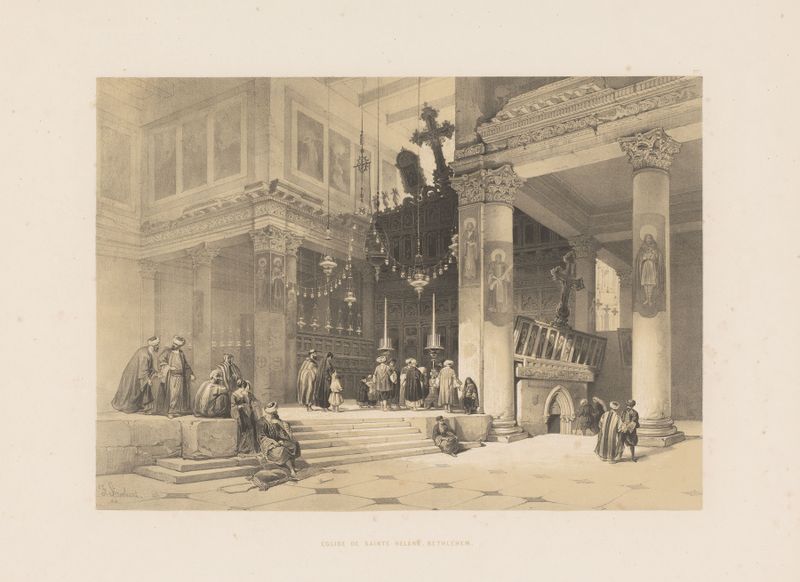
Église de sainte Hélène. Bethléhem
François Stroobant
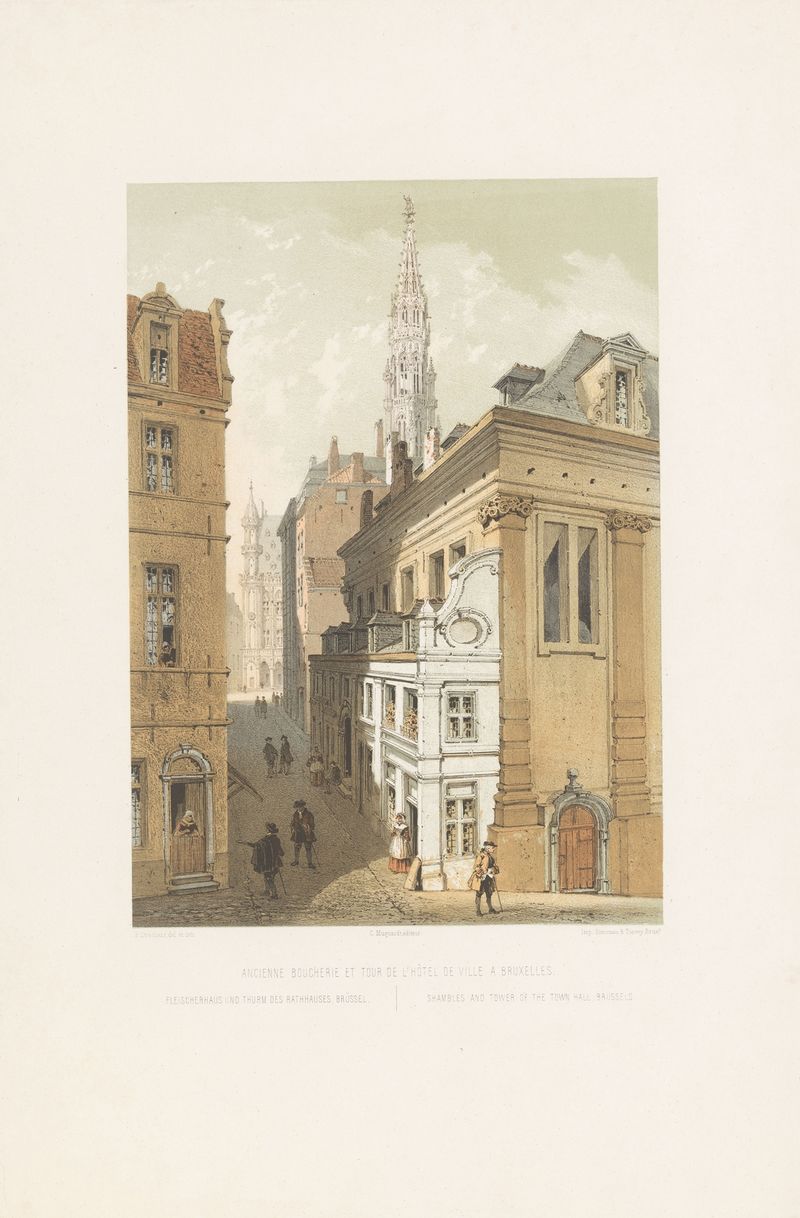
Shambles and tower of the town hall, Brussels
François Stroobant

Intérieur de l’église Grecque du Saint-Sépulcre
François Stroobant
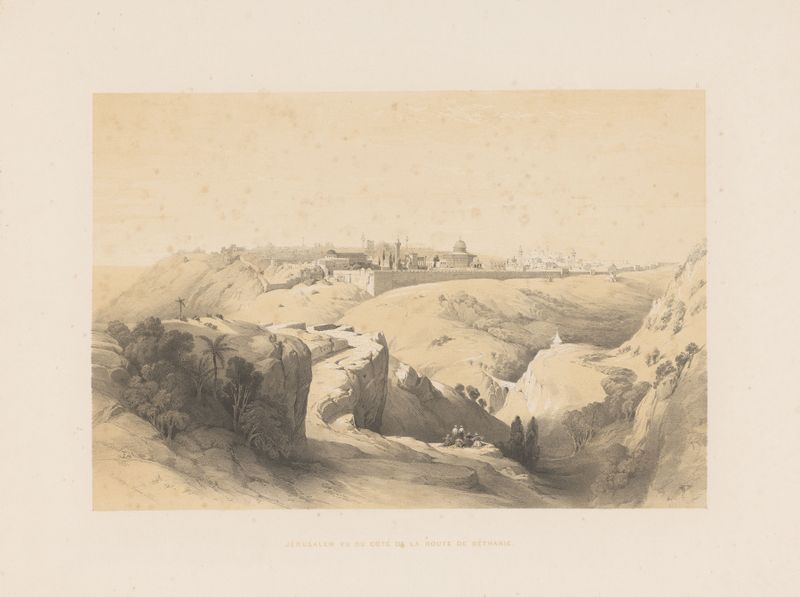
Jérusalem vu du coté de la route de Béthanie
François Stroobant

Le tabernacle du Saint-Sépulcre
François Stroobant

Town hall Brussels
François Stroobant

Fontaine de Jacob à Sichem
François Stroobant
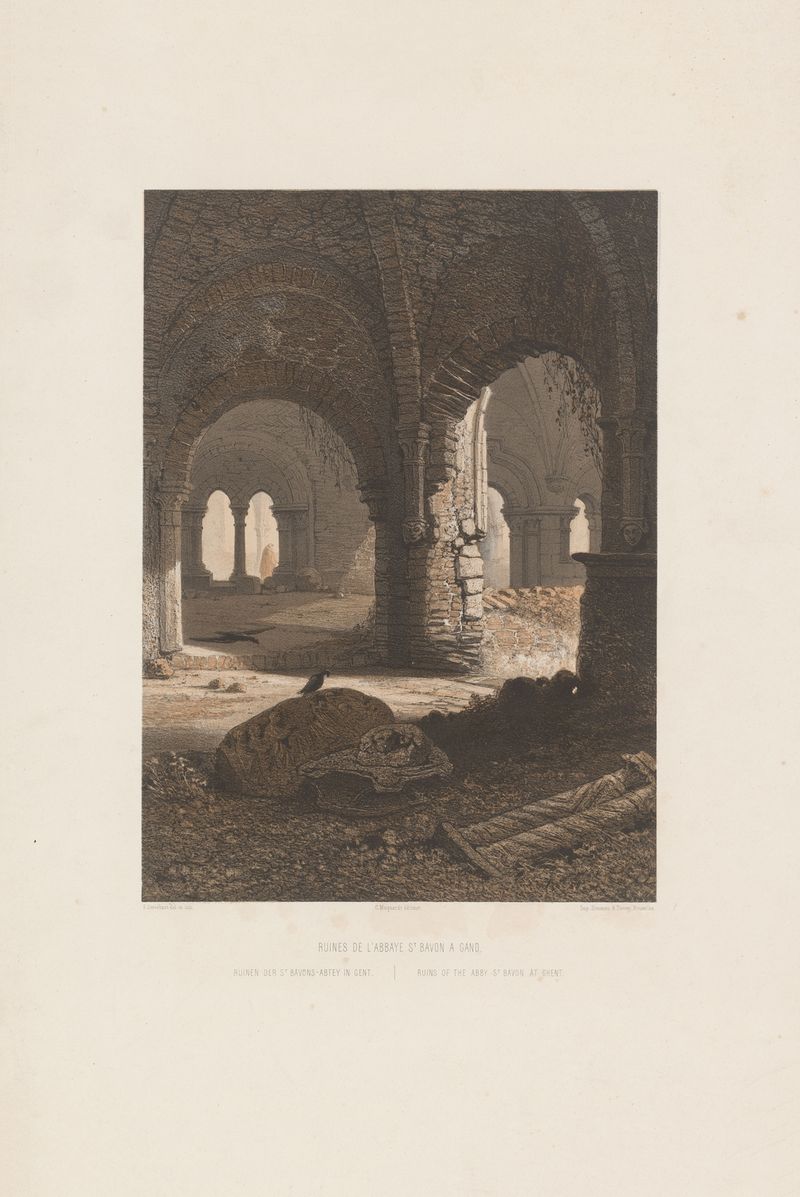
Ruins of the abby St Bavon at Ghent
François Stroobant

Vue de Naplouse
François Stroobant
More Architecture Art
Browse all →
The statue of Liberty
Frédéric Auguste Bartholdi

View of Houses in Delft, Known as ‘The Little Street’
Johannes Vermeer

View of Houses in Delft, Known as ‘The Little Street’
Johannes Vermeer

The Cathedral in Rouen. The portal, Grey Weather
Claude Monet

The yellow house
Vincent van Gogh

The Church in Auvers-sur-Oise, View from the Chevet
Vincent van Gogh