
El kasné — History & Facts
This concept of transformation entwines itself in the delicate hues and textures of El kasné, inviting us to contemplate the ephemeral nature of life and memory. Focus on the striking interplay between warm ochres and deep blues that dominate the canvas. Notice how the intricate patterns are woven together, leading the eye through a tapestry of shapes that hint at both movement and stillness. The soft brushstrokes create a sense of depth, while the subtle gradations of color evoke a feeling of nostalgia.
The artist’s careful attention to detail immerses the viewer in a moment that feels both intimate and grand. Beneath the surface, El kasné reveals layers of meaning that speak to the duality of existence. The figures, partially obscured by the swirling colors, symbolize the transformation of personal identity amidst the passage of time. The tension between clarity and obscurity creates a dialogue on memory—what we hold dear and what inevitably fades.
This work resonates with the viewer’s own experiences of change and the bittersweet nature of reminiscence. In 1852, François Stroobant painted El kasné amidst a burgeoning art scene shaped by Romanticism and the exploration of emotional depth. Living in Belgium, he was influenced by both the natural landscape and the shifting cultural currents of his time. This work reflects a pivotal moment in his career, blending his personal narrative with the broader artistic discourse that sought to capture the complexities of human experience.
More Artworks by François Stroobant
Browse all →
Interior of the church of Notre Dame du Sablon at Brussels
François Stroobant
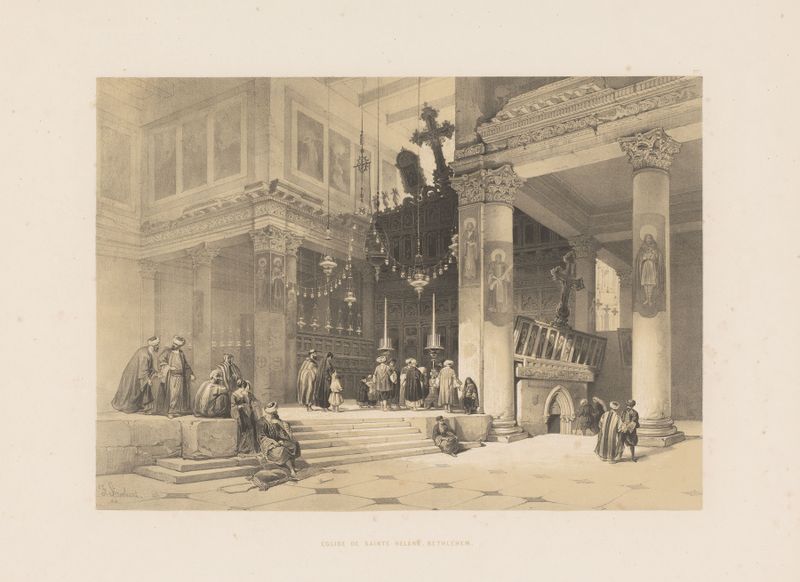
Église de sainte Hélène. Bethléhem
François Stroobant
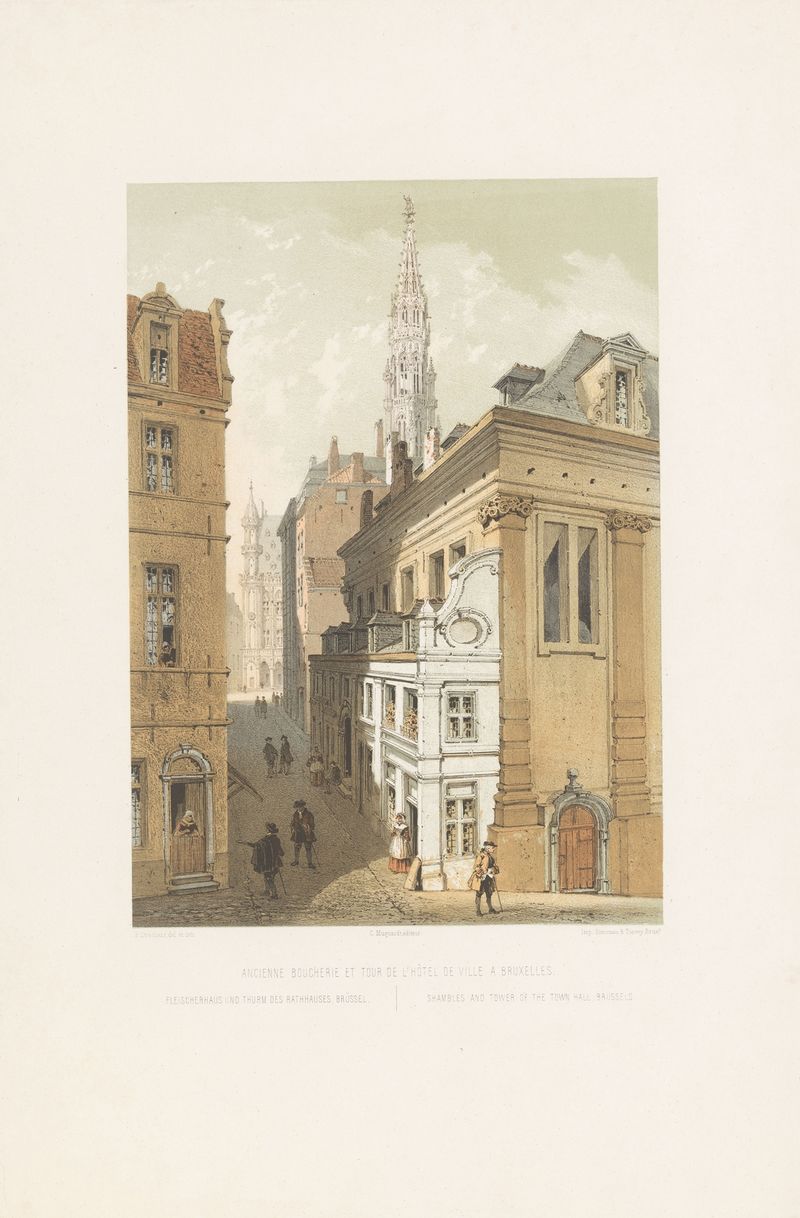
Shambles and tower of the town hall, Brussels
François Stroobant

Intérieur de l’église Grecque du Saint-Sépulcre
François Stroobant
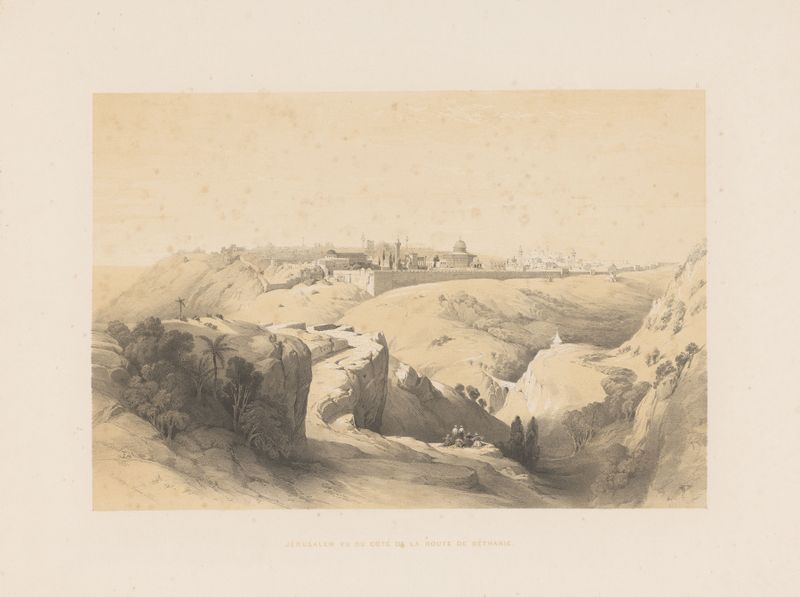
Jérusalem vu du coté de la route de Béthanie
François Stroobant

Le tabernacle du Saint-Sépulcre
François Stroobant

Town hall Brussels
François Stroobant

Fontaine de Jacob à Sichem
François Stroobant
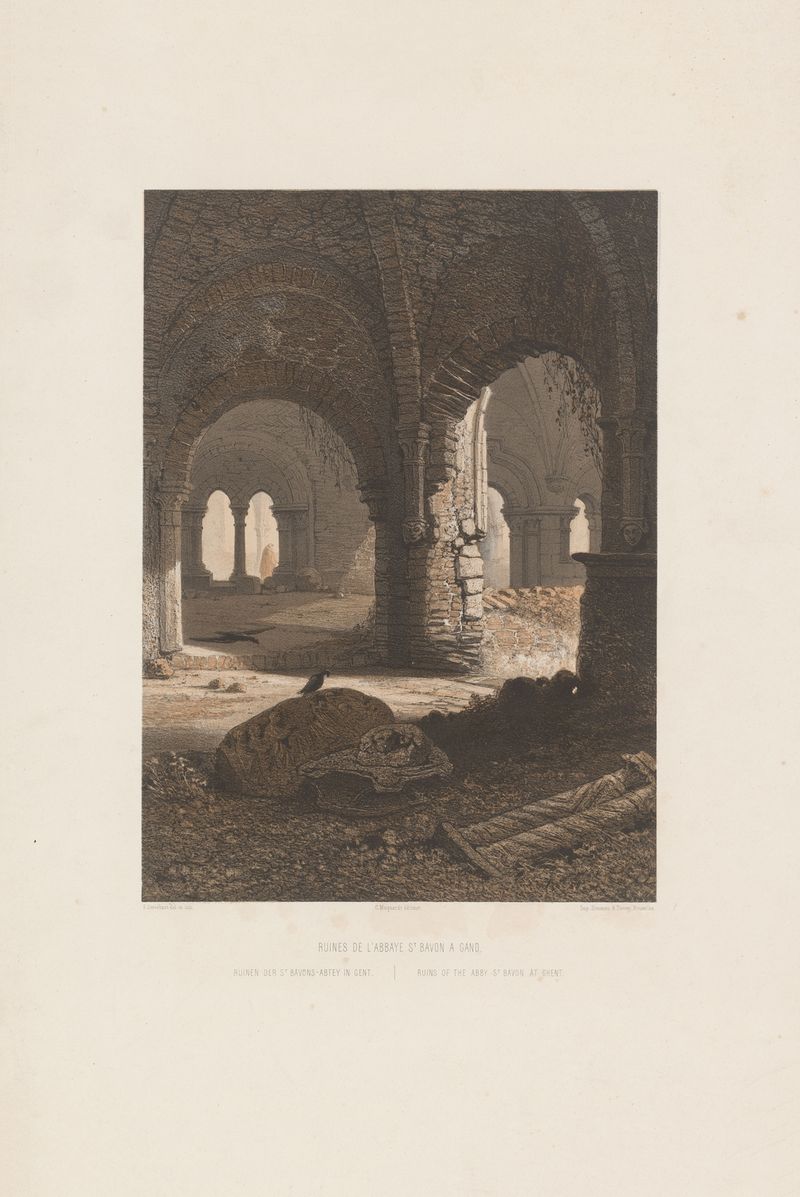
Ruins of the abby St Bavon at Ghent
François Stroobant

Vue de Naplouse
François Stroobant





