
The Island of Hoy, the Orkneys — History & Facts
What if silence could speak through light? In The Island of Hoy, the Orkneys, the artist encapsulates a moment where nature's tranquility hints at rebirth and renewal. Look to the soft horizon where the sky meets the distant cliffs. The cool, muted palette of greens and blues contrasts with the vibrant warmth of the sunlight cascading over the landscape. Notice how the clouds delicately cradle the sun, casting gentle shadows that dance across the island’s rugged terrain.
This delicate interplay of light and shadow imbues the scene with a palpable stillness, inviting viewers to pause and reflect. Amidst the serenity, tension simmers beneath the surface—the idyllic landscape stands as a testament to both isolation and possibility. The still waters suggest a moment frozen in time, a liminal space where the chaos of life fades away, allowing nature to breathe. Each brushstroke conveys a longing for connection, a yearning for renewal that aligns with the cyclical nature of the landscape.
The interplay between light and shadow symbolizes the balance of hope and despair intrinsic to rebirth. During the early 19th century, Edward Dayes painted this work amidst a burgeoning interest in Romanticism, where artists sought to capture the sublime aspects of nature. Painted during a time when Britain was exploring its own national identity, Dayes' work reflects the era's fascination with the dramatic landscapes of the British Isles. The emphasis on light and atmosphere in his art mirrored a broader movement that valued emotion and the sublime beauty of the natural world.
More Artworks by Edward Dayes
Browse all →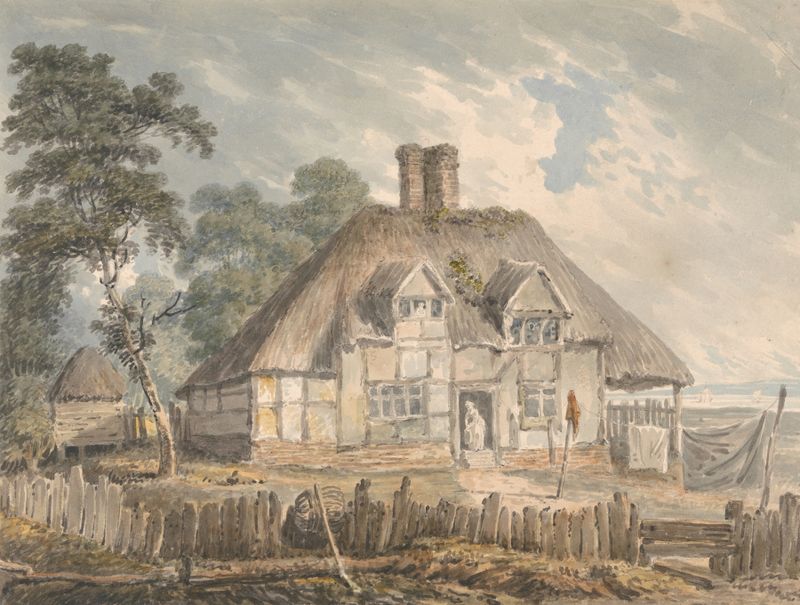
A Cottage near Southampton
Edward Dayes
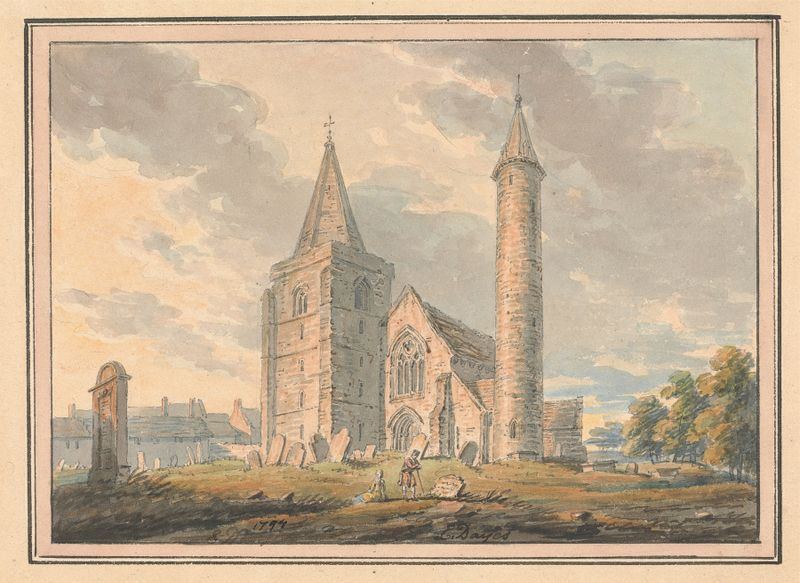
Brechin Cathedral and round tower, Forfarshire, Scotland
Edward Dayes
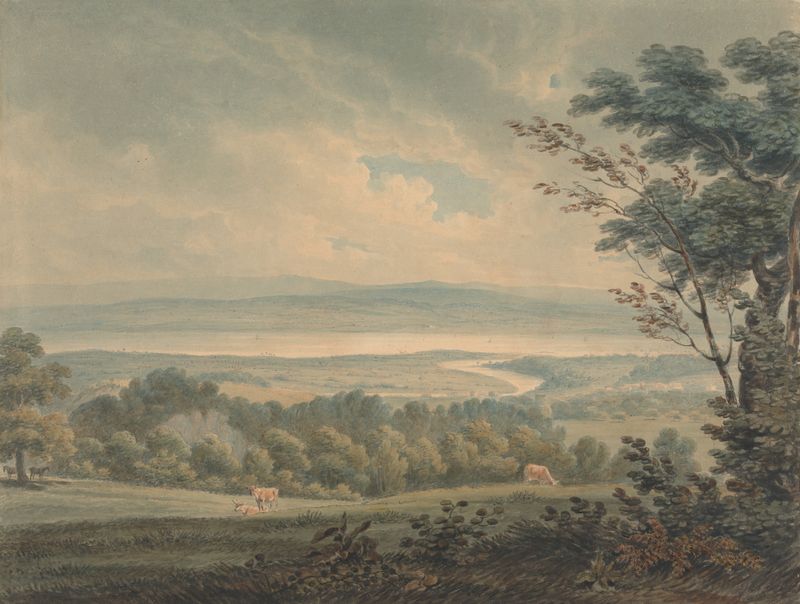
The Meeting of the Rivers Severn and Wye, near Chepstow
Edward Dayes

Ruins of the Old Kirk, Isle of Bute
Edward Dayes
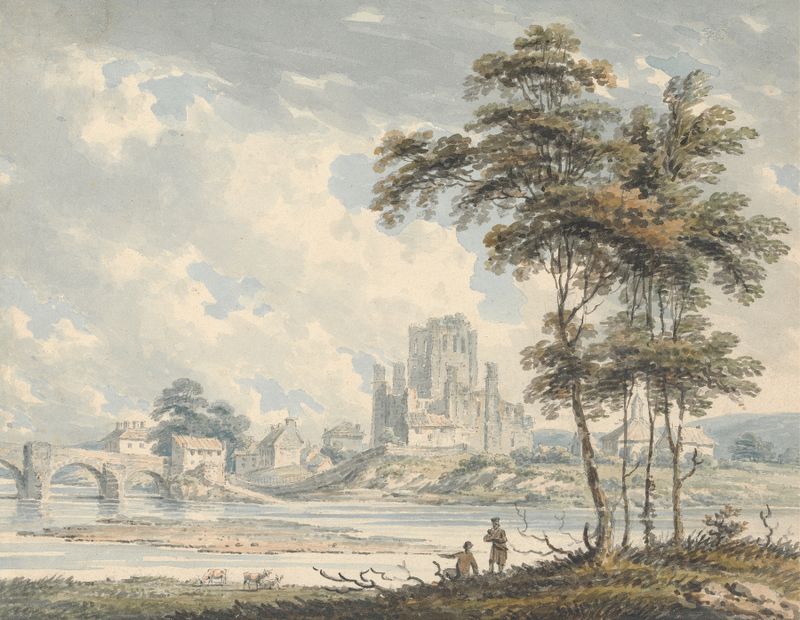
Kelso Abbey, Rosburghshire
Edward Dayes
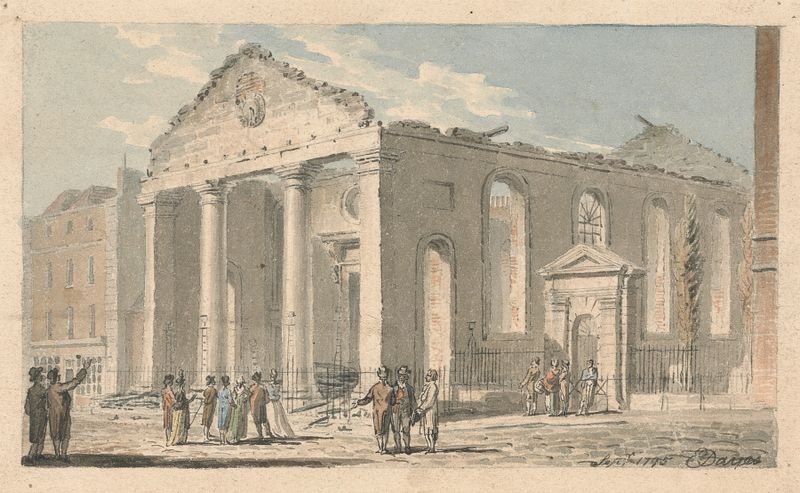
St. Paul’s Church, Covent Garden, after the fire
Edward Dayes
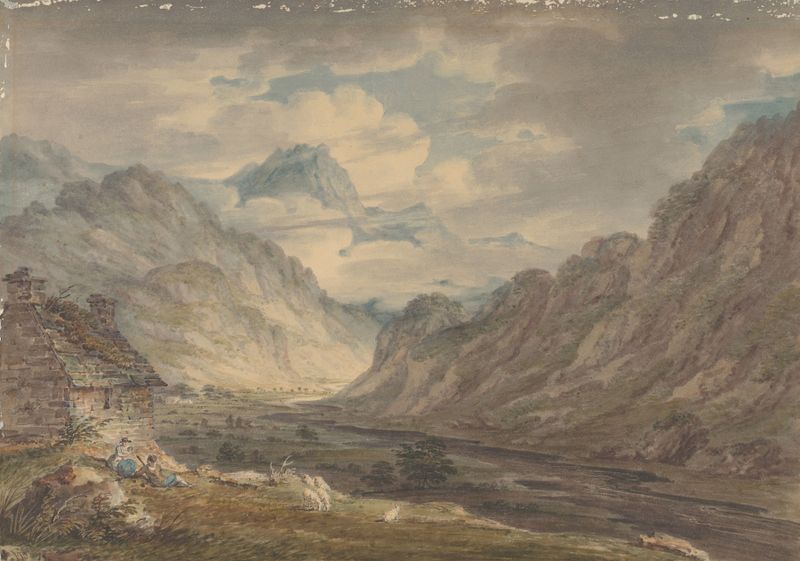
The Honister Pass from Gatesgarth Farm, Gatesgarthdale, Lake District
Edward Dayes
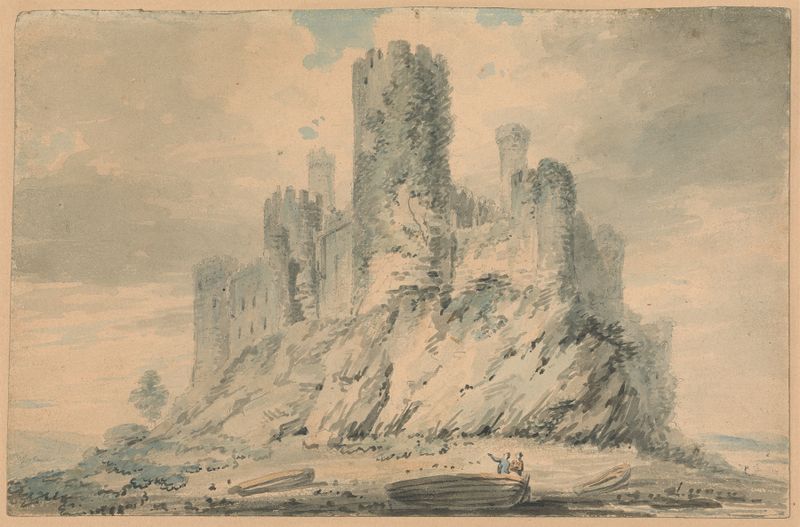
Conway Castle, Caernarvonshire
Edward Dayes
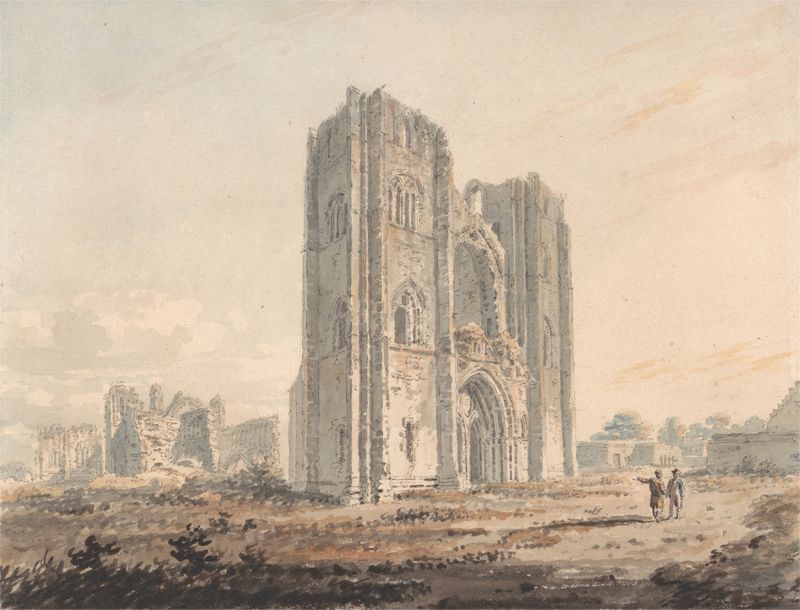
Elgin Cathedral, Moray
Edward Dayes

Lake scene
Edward Dayes





