Elk — History & Facts
Who listens when art speaks of silence? Elk captures more than just the majestic beast; it embodies nature's quiet legacy, a whisper of the wilderness that resonates through time. Look to the left where the elk stands, its powerful frame exuding strength and poise amidst a softly blurred landscape. The painter’s brushwork reveals a meticulous attention to detail, with each hair of the elk’s coat rendered in subtle variations of brown and cream. The ambient greens and browns of the background harmonize with the animal, creating a serene yet dynamic composition that draws the viewer’s gaze back to the powerful figure at the center. Beneath the surface, this artwork explores themes of solitude and the passage of time.
The elk’s noble stance suggests both pride and vulnerability, a reminder of the fragility of life in nature. Further, the soft blending of colors evokes the transient quality of light, hinting at the fleeting moments of beauty that exist in the wild. This contrast between strength and delicacy invites contemplation on the legacy of wilderness and the instinctual connection between the animal and its environment. In 1899, Julian Falat painted Elk during a period when the naturalist movement was gaining momentum in art.
Living in Poland, he was influenced by the Romantic ideals of nature and the need to preserve it amid industrialization. This work represents his commitment to showcasing the essence of wildlife, capturing a moment that urges viewers to reflect on the silent stories that nature conveys.
More Artworks by Julian Falat
Browse all →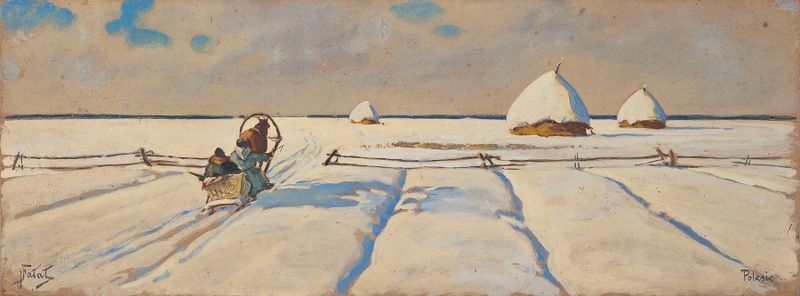
Sleigh in a snowy field – Polesia
Julian Falat
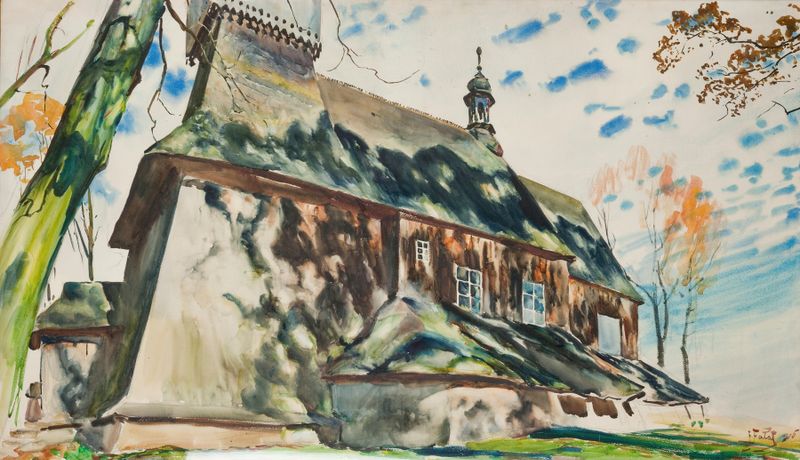
Church in Osiek
Julian Falat
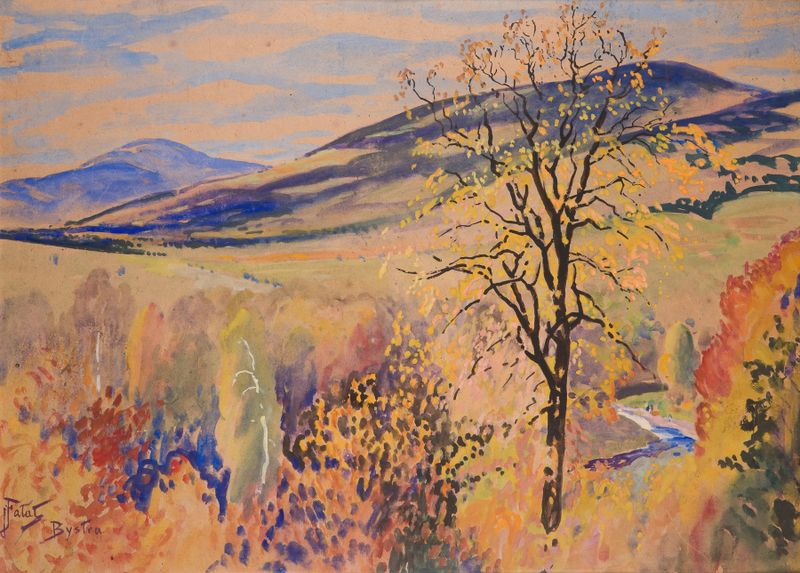
Pejzaż jesienny z Bystrej
Julian Falat
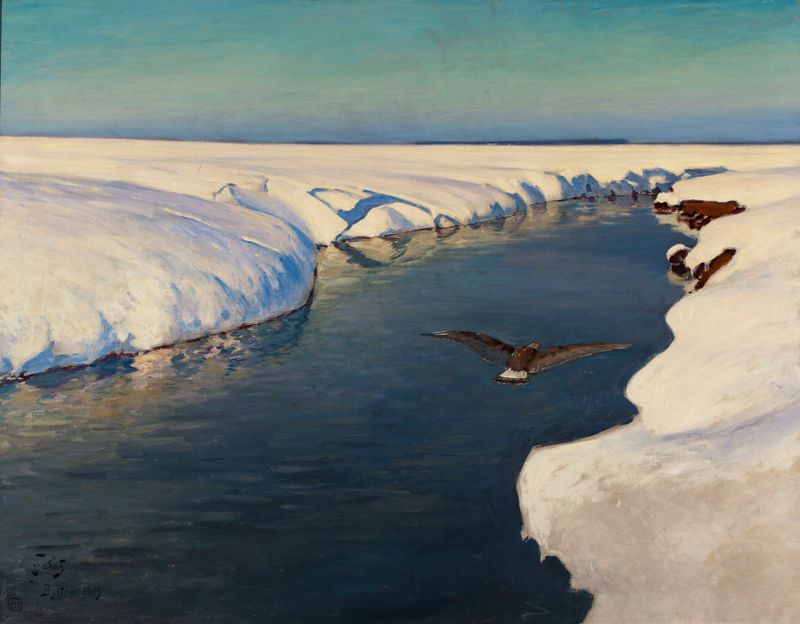
Winter landscape with a river and a bird
Julian Falat
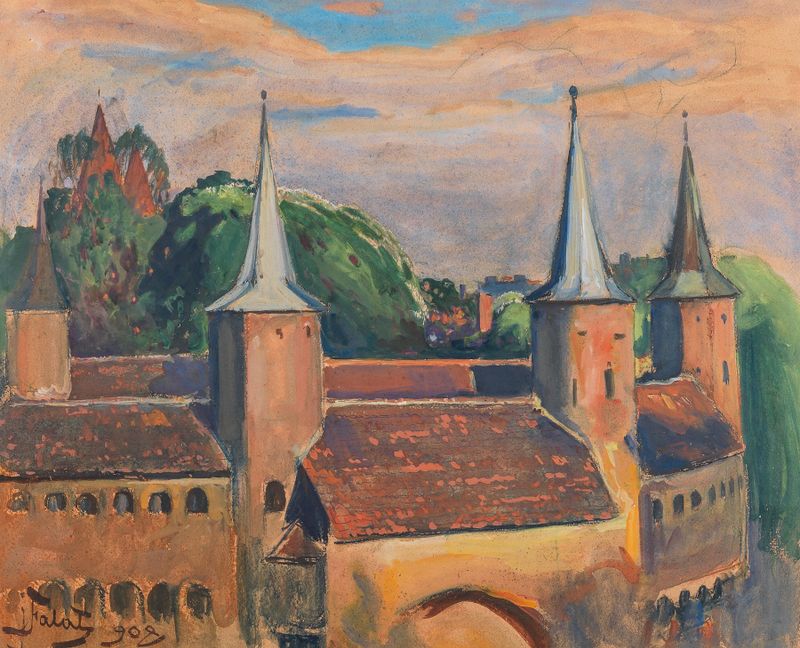
The Kraków Barbican
Julian Falat
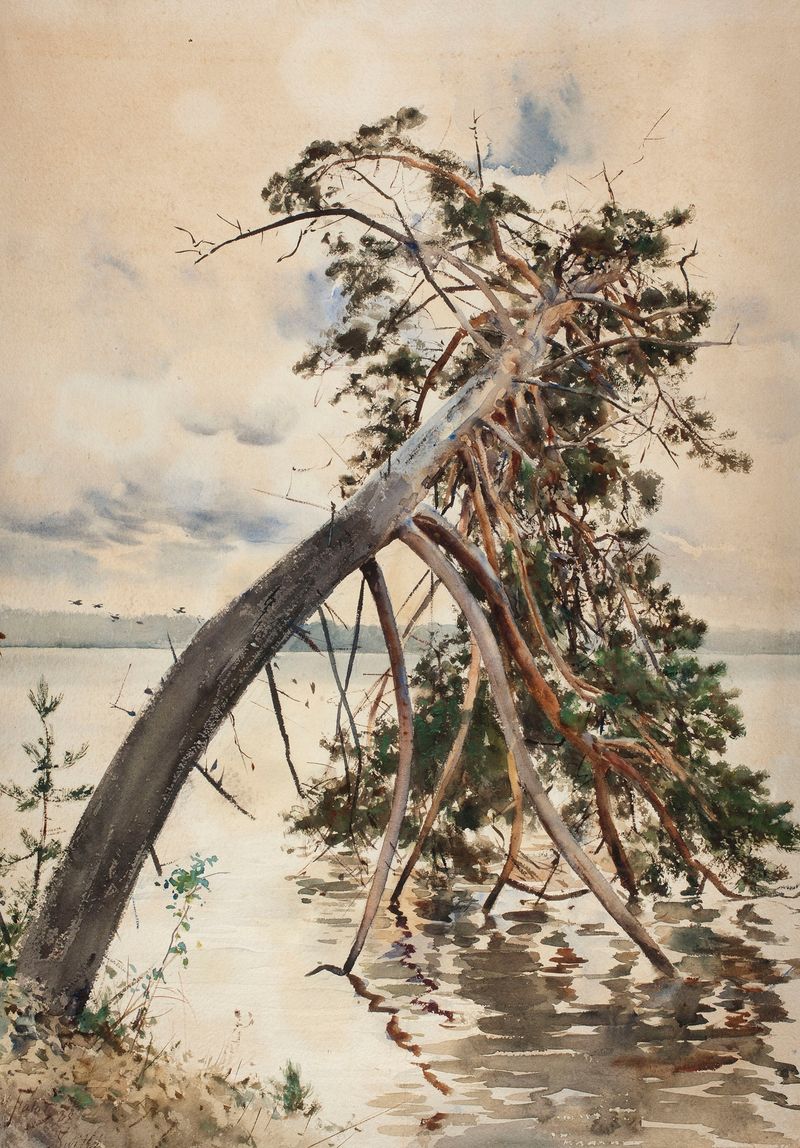
Świteź
Julian Falat
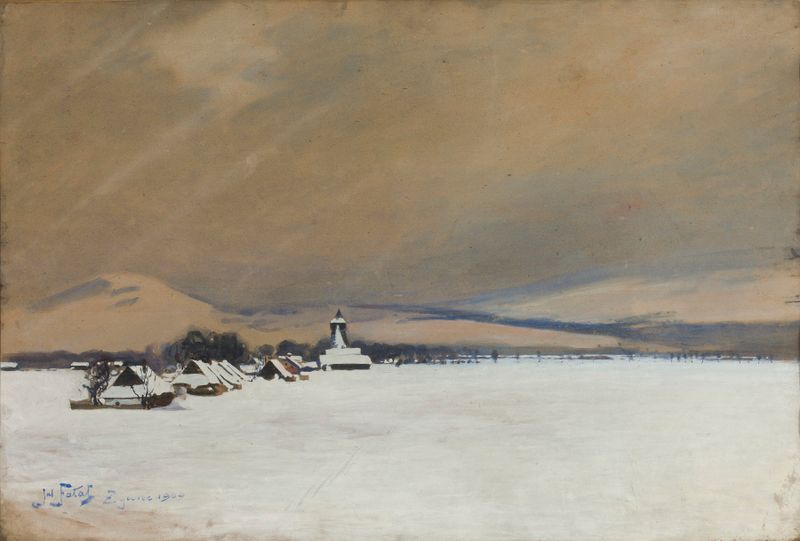
Winter landscape from Żywiec
Julian Falat
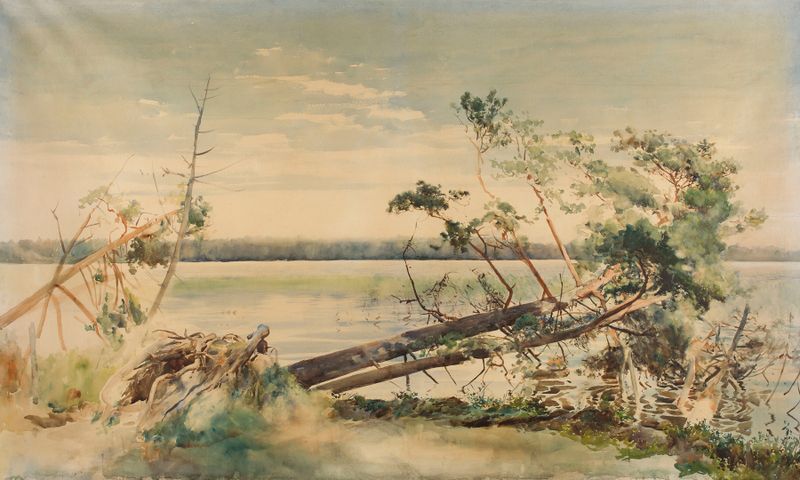
Świteź
Julian Falat
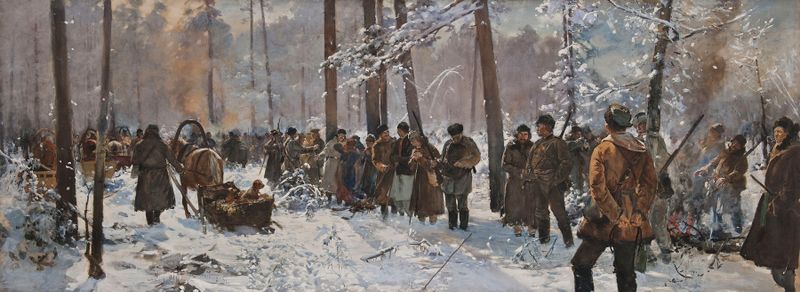
Battue at a hunt in Nieśwież
Julian Falat
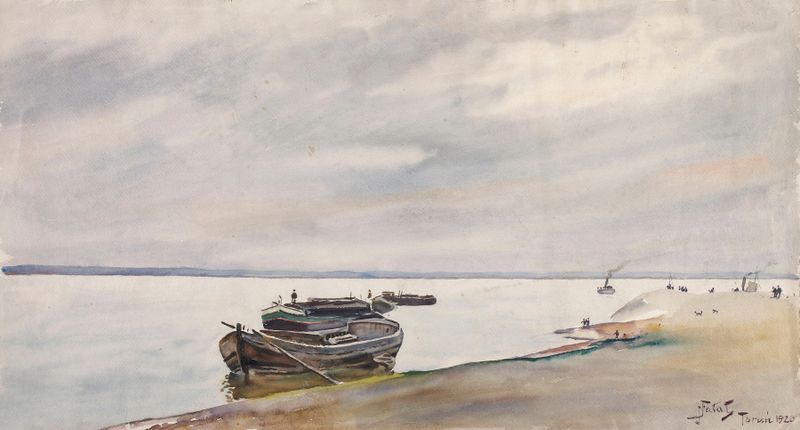
Boats and steamship on the Vistula near Toruń
Julian Falat