
Engel doodt de troepen van Sanherib — History & Facts
In the throes of battle, even amid such turmoil, loss can be transformed into a haunting beauty that lingers in the heart. Look to the center of the canvas, where a majestic angel emerges, wings unfurled in a powerful display. The subtle transitions of light illuminate the figure's ethereal form, casting an almost divine glow that contrasts starkly with the chaotic scene surrounding it. Surrounding the angel, fallen soldiers and disarrayed weapons create a sense of urgency, pulling the viewer's eye in a circular motion that emphasizes the tension between rage and serenity.
The muted palette of earthy tones is punctuated by flashes of light, enhancing the weight of sorrow that permeates the battlefield. Upon closer inspection, the intricate details reveal deeper complexities. Notice the expressions of the soldiers—some are frozen in terror while others seem to embrace their fate, reflecting the spectrum of human emotion in moments of despair. The angel, a figure of divine intervention, stands resolutely amidst the chaos, epitomizing the eternal struggle between life and death.
It is a poignant reminder of both divine mercy and the inevitability of loss, as the landscape becomes a metaphor for the human condition itself. In 1538, Holbein was settled in England, creating works that bridged the gap between the Renaissance and the Reformation. His appointment as court painter to Henry VIII put him in the midst of political and religious upheaval. Engel doodt de troepen van Sanherib emerges from this period, reflecting the intricate dance of faith and mortality that characterized both his life and the tumultuous world around him.
Holbein's meticulous technique captures not only the horror of conflict but also the fragile grace that exists within it.
More Artworks by Hans Holbein (II)
Browse all →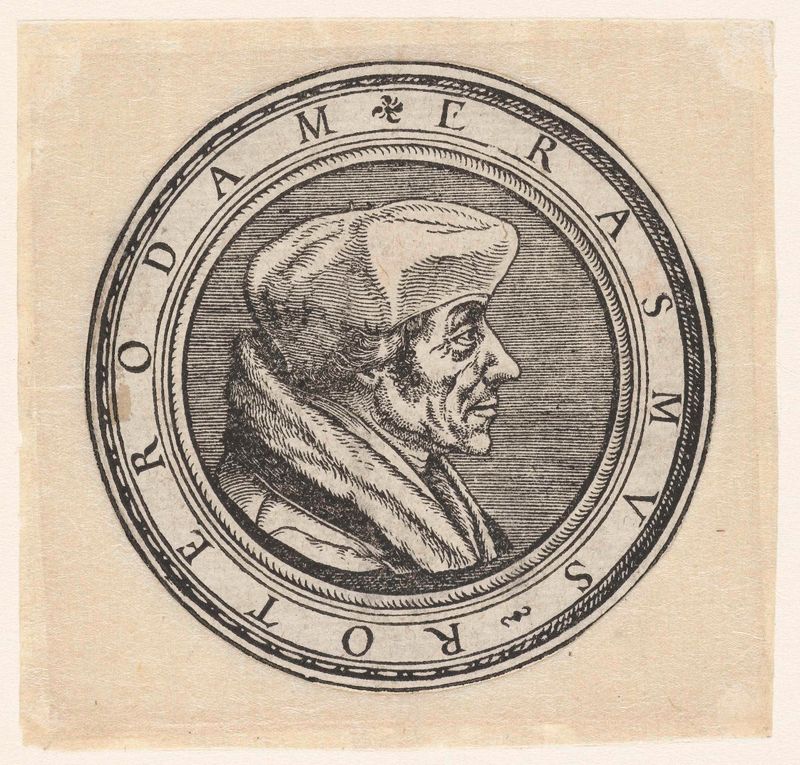
Portret van Erasmus
Hans Holbein (II)
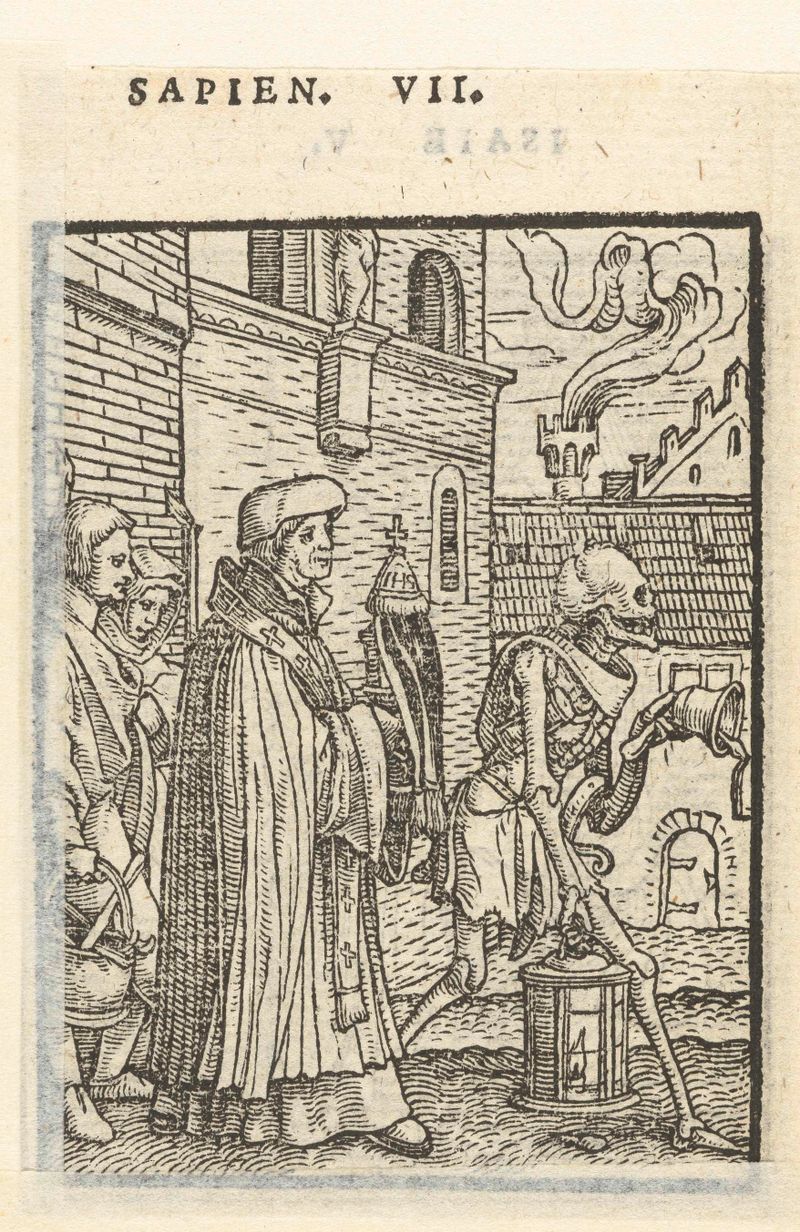
Priester en de Dood
Hans Holbein (II)
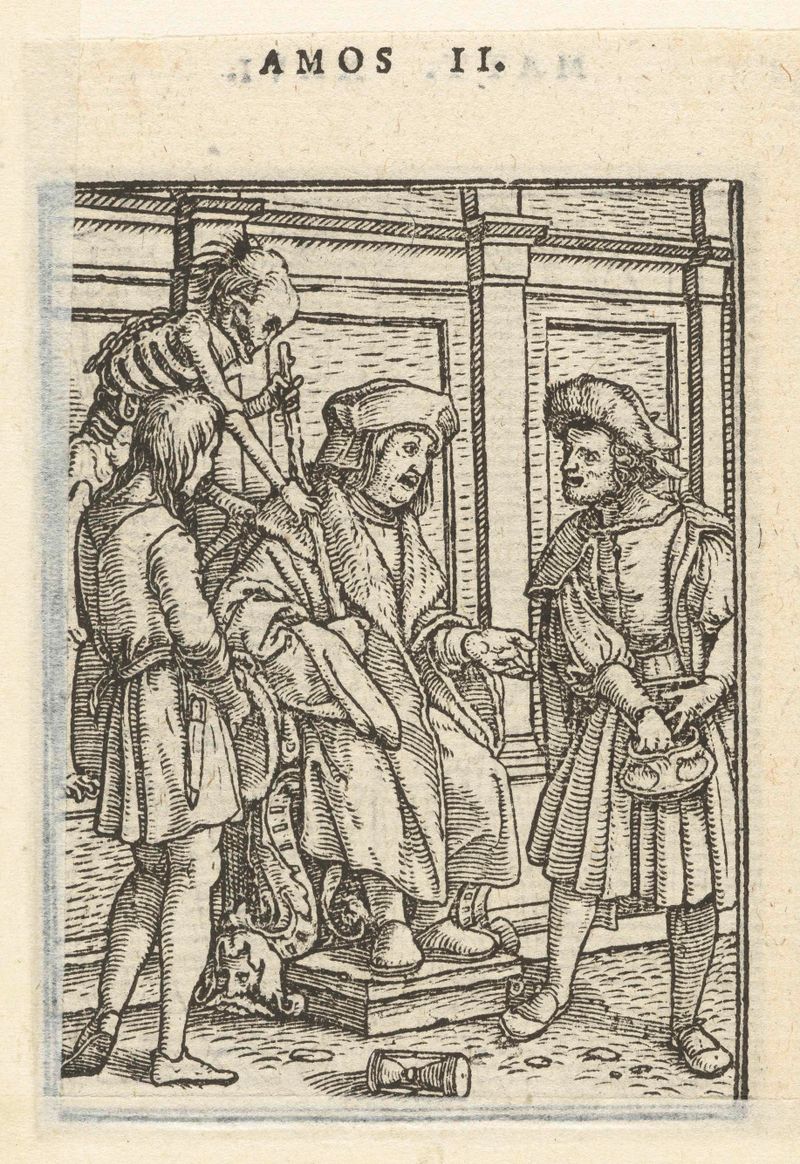
Rechter en de Dood
Hans Holbein (II)
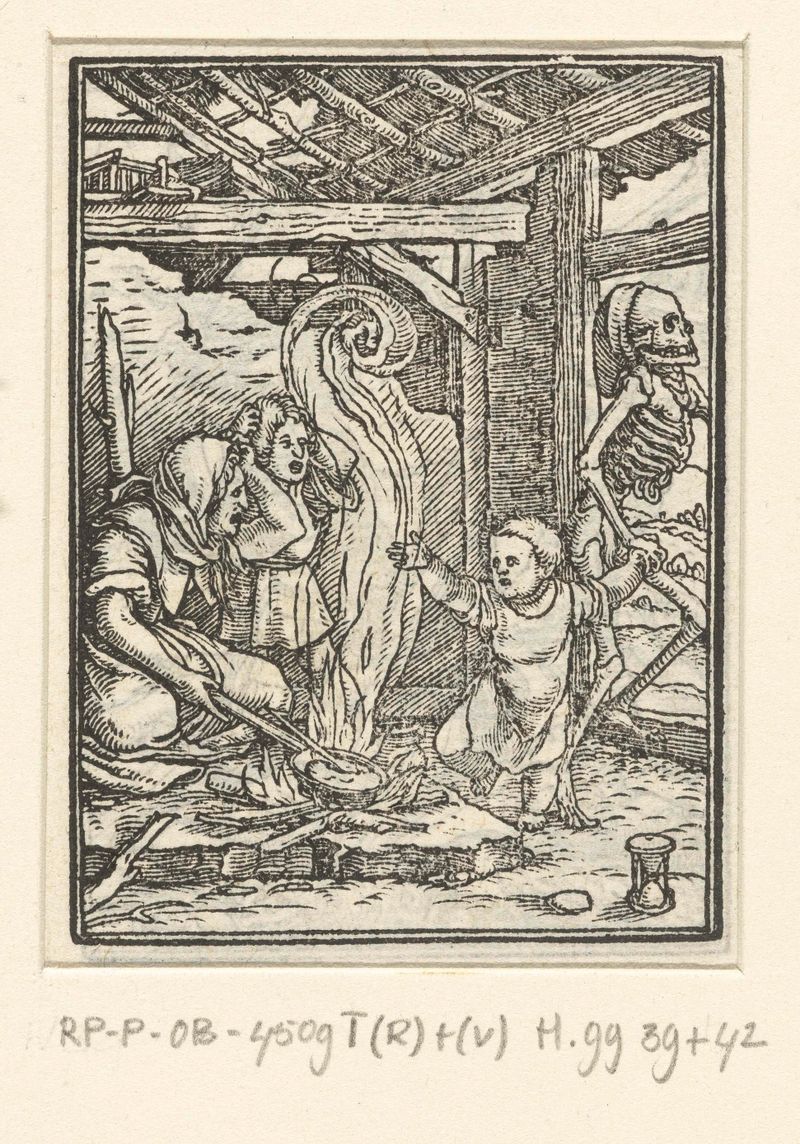
Kind en de Dood
Hans Holbein (II)
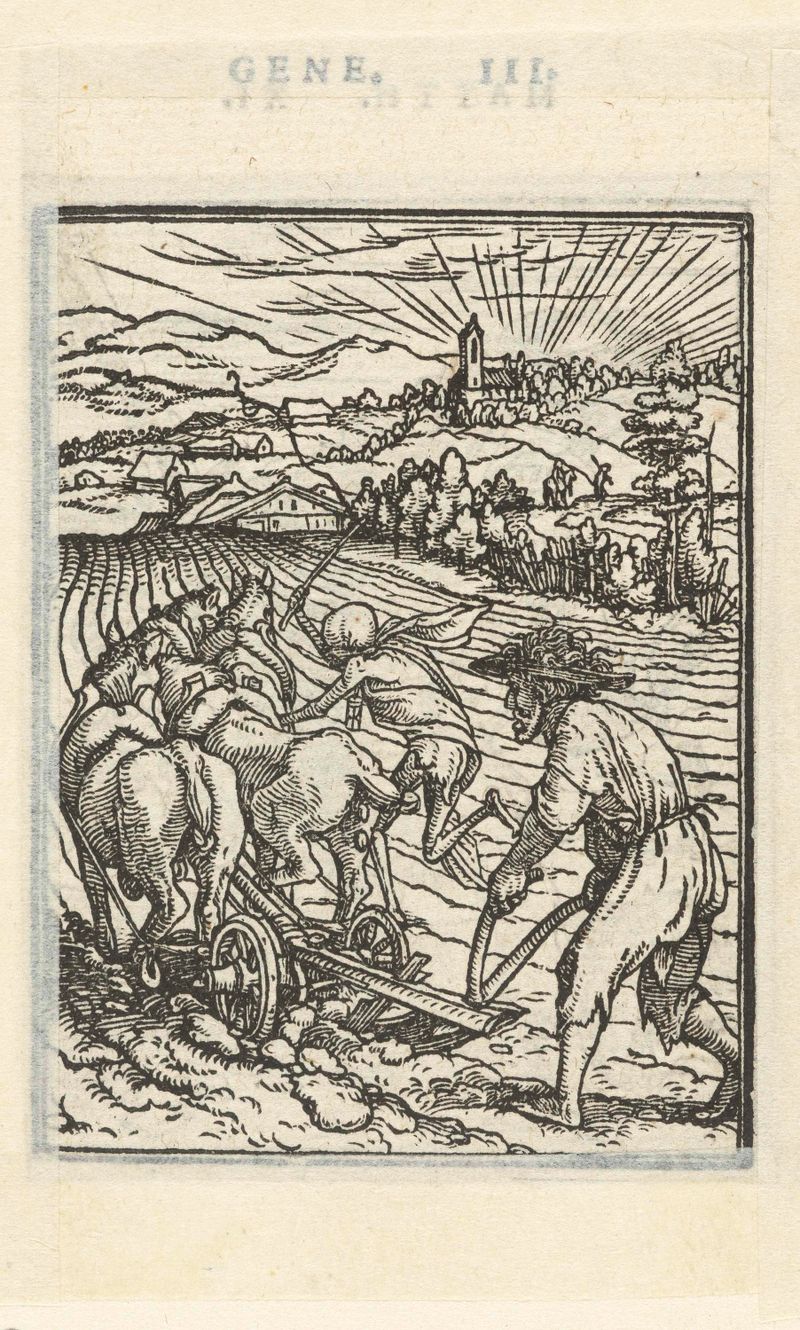
Boer en de Dood
Hans Holbein (II)
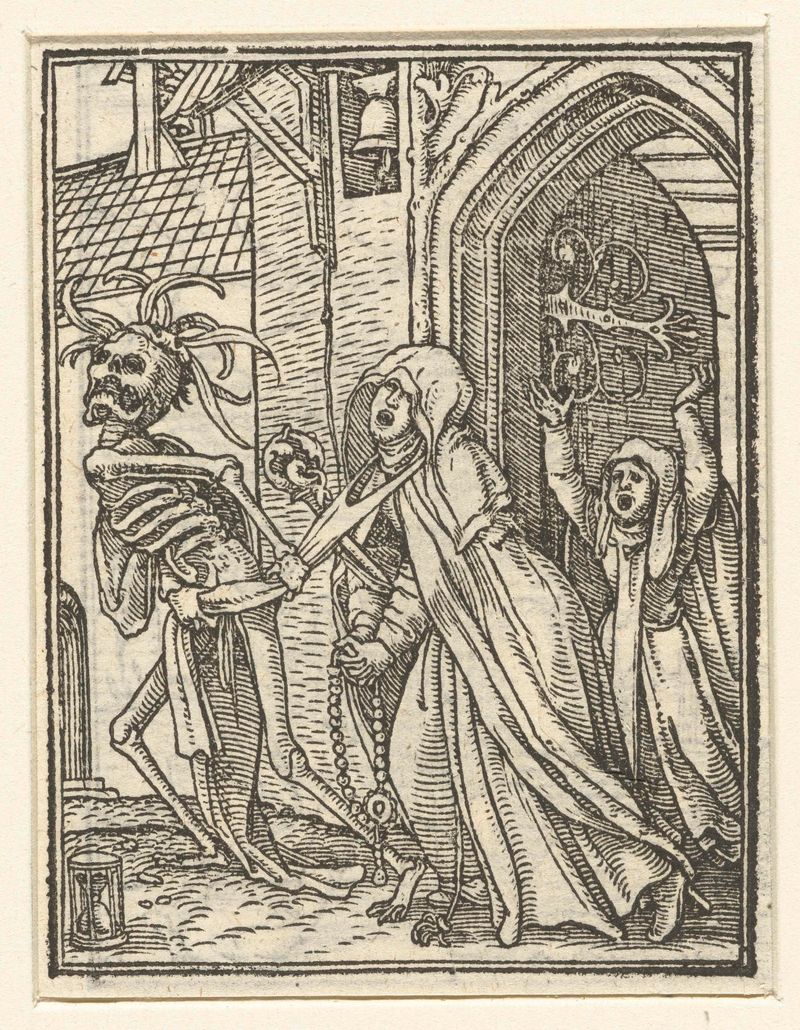
Abdis en de Dood
Hans Holbein (II)
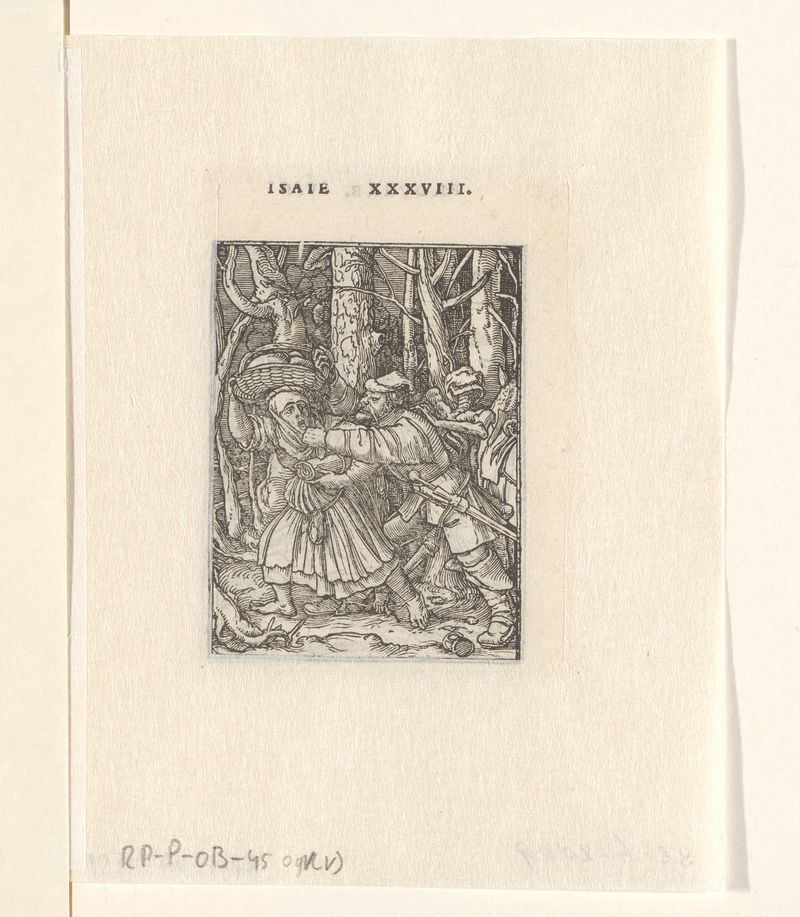
Dief en de Dood
Hans Holbein (II)
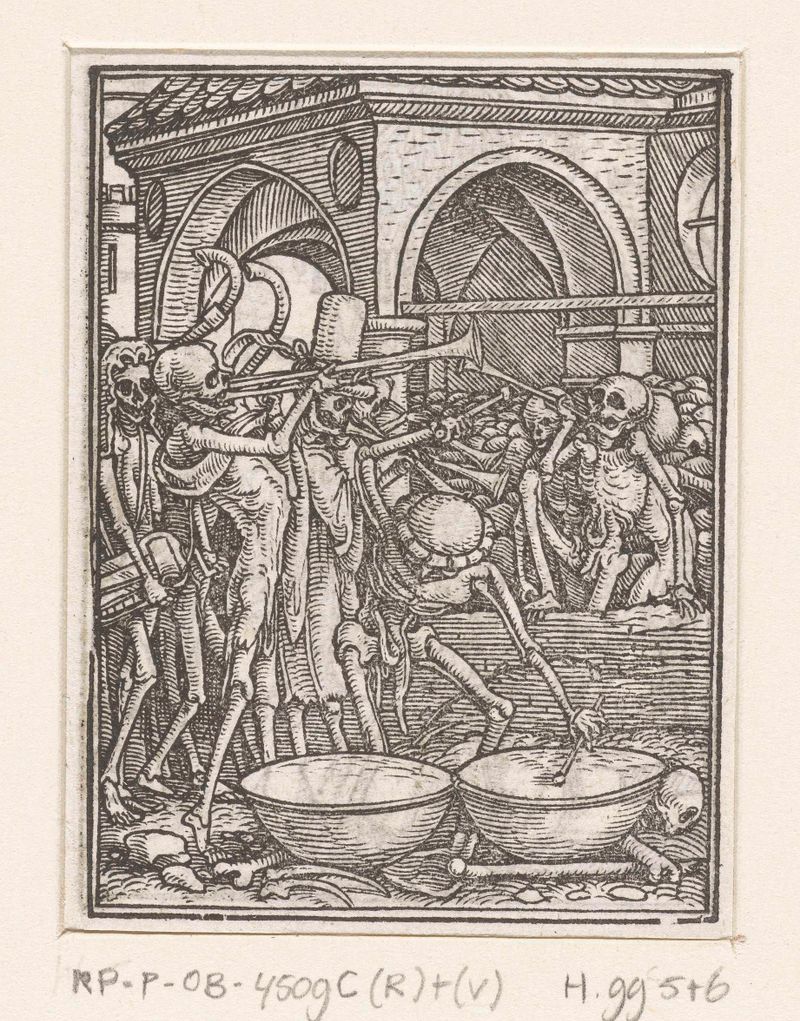
Skeletons Making Music from Dance of the Dead
Hans Holbein (II)
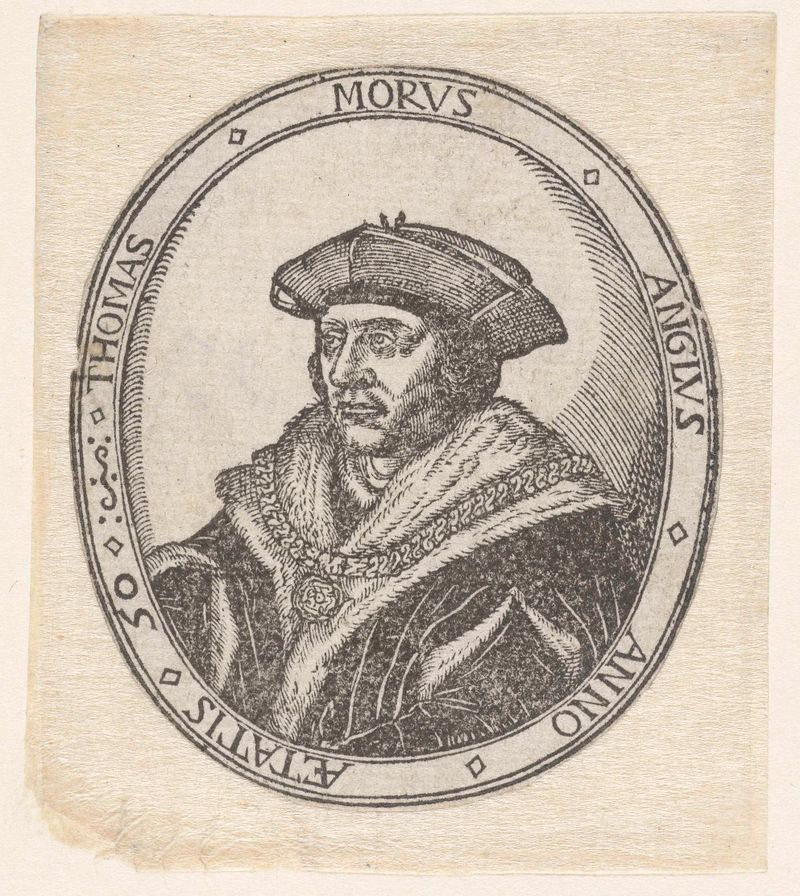
Portret van Thomas More
Hans Holbein (II)
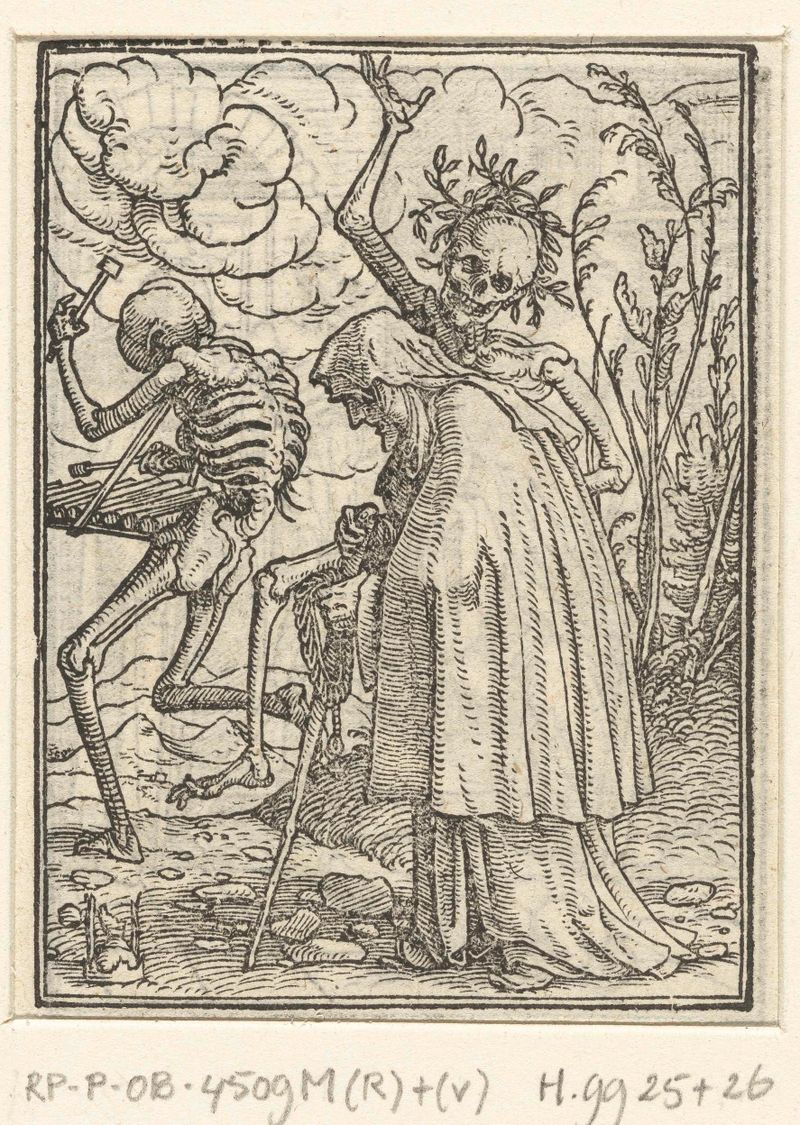
Oude vrouw en de Dood
Hans Holbein (II)
More Religious Art
Browse all →
The Return of the Prodigal Son
Rembrandt van Rijn

The Garden of Earthly Delights
El Bosco

Count Orgaz’ funeral
El Greco

The Hundred Guilder Print: the central piece with Christ preaching, the plate arched
Rembrandt van Rijn

The Descent from the Cross
Rogier van der Weyden

The return of the prodigal son
Rembrandt van Rijn